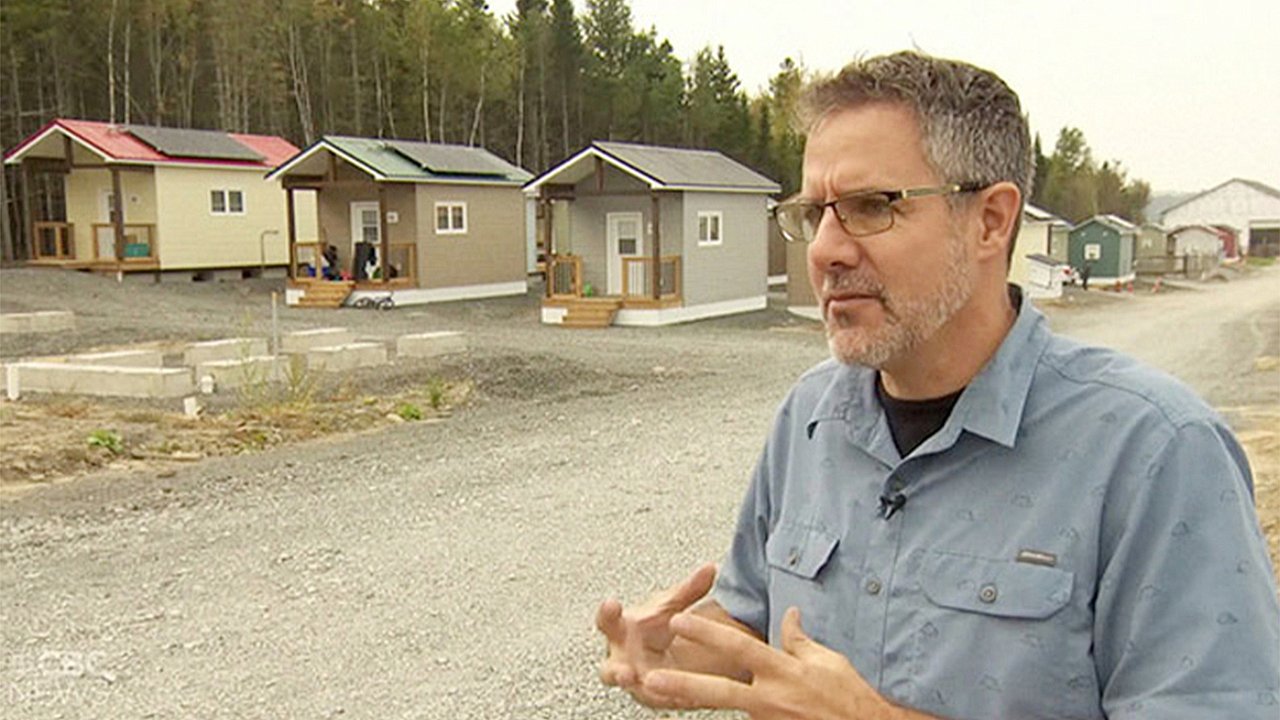
By investing $4 million of his own wealth, LeBrun has developed a transformative housing initiative, building 99 tiny homes to provide safe shelter and employment opportunities to those in need. His project, named 12 Neighbours, is changing lives and redefining how communities can support their most vulnerable members. The Birth of 12 Neighbours: A Mission to Rebuild Lives
After selling his successful social media monitoring company, LeBrun turned his attention to philanthropy. Recognizing the increasing homelessness crisis in Fredericton, he envisioned a sustainable solution that provided more than just temporary relief. Thus, 12 Neighbours was born—a gated community of 99 tiny homes with an enterprise center aimed at offering both housing and job opportunities.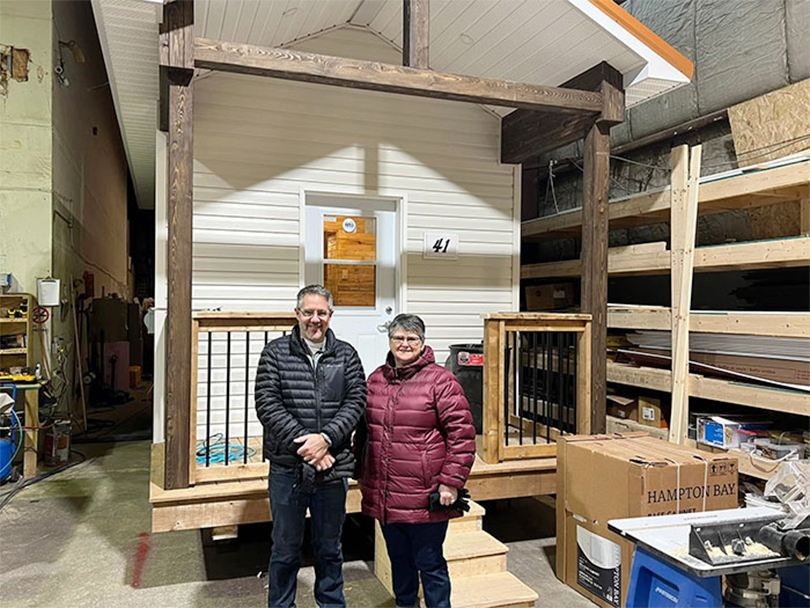
New Brunswick has a significant homeless population, with approximately 1,600 individuals experiencing homelessness on any given day. Compared to major U.S. cities like San Francisco, Los Angeles, and New York, where homelessness numbers are exponentially higher, Fredericton's crisis still demanded urgent attention. Instead of waiting for systemic solutions, LeBrun decided to take action himself, bringing his entrepreneurial mindset to social good.Creating Homes & Building a Community
LeBrun’s vision extends beyond merely constructing houses. He believes in fostering a self-sustaining community where residents can thrive. The tiny homes, each carefully designed for comfort and efficiency, come equipped with kitchens, living areas, bedrooms, full bathrooms, and solar panel systems.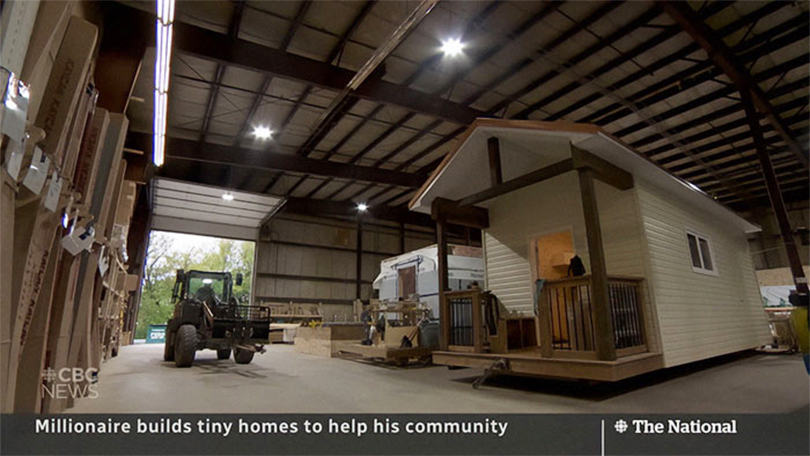
To streamline the construction process, LeBrun established a factory where skilled volunteers use modern manufacturing techniques to produce a new home every four business days. Once built, the homes are transported and placed on concrete foundations within the community, ensuring durability and stability.Empowering Through Ownership and Employment
Marcel LeBrun strongly believes that homeownership fosters a sense of responsibility, stability, and dignity. Unlike traditional shelters or rental programs, 12 Neighbours offers individuals the opportunity to own their tiny homes. This approach encourages long-term success and helps residents build confidence as they transition back into independent living.
Additionally, the project integrates job opportunities within the community. The enterprise center inside 12 Neighbours includes a coffee bar and a silk-screen printing business, both operated by the residents. This initiative not only provides financial support but also fosters personal development, skill-building, and interaction with the wider Fredericton community.Addressing Criticism: A Controversial Yet Effective Approach
As with any ambitious project, 12 Neighbours has faced criticism. Some opponents argue that concentrating formerly homeless individuals in a single community isolates them rather than reintegrating them into society.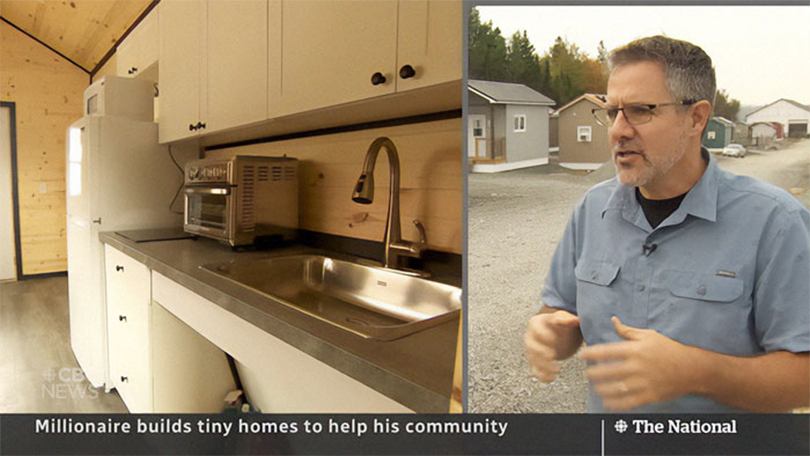
LeBrun, however, defends his approach. He acknowledges that transitioning individuals from life on the streets to high-end apartments without proper support is unrealistic. “If I take someone who’s been living outside and put them in a luxury apartment with free rent for 10 years, will they succeed? That is not their community, nor the environment they’re used to,” he explains. Instead, his method provides a gradual transition, equipping residents with the necessary skills and stability to eventually reintegrate into mainstream society.Ensuring Security and Sustainability
Understanding the challenges of community-based housing projects, LeBrun has implemented advanced security measures within 12 Neighbours. The gated community features state-of-the-art surveillance and controlled access, ensuring that residents feel safe in their new homes. LeBrun also recognizes that residents face personal challenges when adapting to their new living situation. He emphasizes the importance of teaching self-management skills, ensuring individuals understand their rights, responsibilities, and how to maintain their personal space.A Model for Community Engagement
12 Neighbours isn’t just about housing; it’s about creating a bridge between marginalized populations and the larger Fredericton community. LeBrun aims to foster positive interactions between residents and local citizens, breaking down stereotypes and encouraging inclusivity.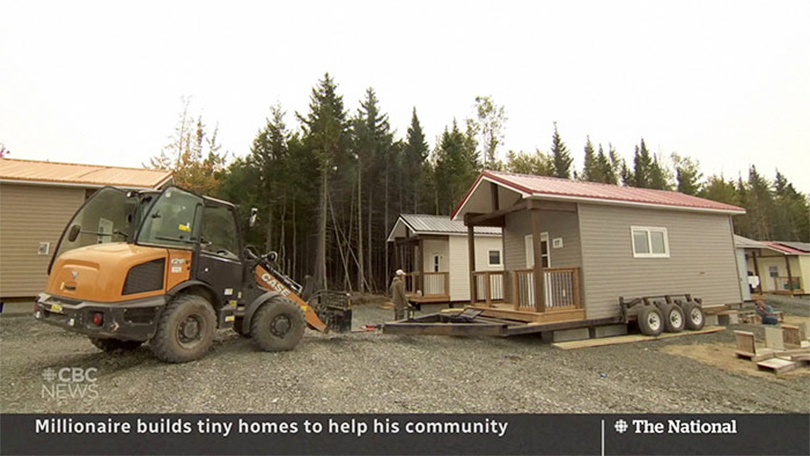
“We’re not just building a small neighborhood—we’re helping transform an entire city,” LeBrun told CBC. His vision extends beyond housing; it’s about fostering a society where everyone has an opportunity to succeed.A Path Toward Sustainable Change
Marcel LeBrun’s bold and innovative approach to homelessness serves as an inspiration for cities across the globe. By providing safe housing, job opportunities, and a supportive community, 12 Neighbours is not just sheltering people—it’s transforming lives. While challenges and criticisms remain, LeBrun’s model offers a scalable and replicable solution that could redefine how societies tackle homelessness in the future.
As the world grapples with rising homelessness, projects like 12 Neighbours prove that entrepreneurial innovation and community-driven efforts can create lasting change.
The Birth of 12 Neighbours: A Mission to Rebuild LivesAfter selling his successful social media monitoring company, LeBrun turned his attention to philanthropy. Recognizing the increasing homelessness crisis in Fredericton, he envisioned a sustainable solution that provided more than just temporary relief. Thus, 12 Neighbours was born—a gated community of 99 tiny homes with an enterprise center aimed at offering both housing and job opportunities.
New Brunswick has a significant homeless population, with approximately 1,600 individuals experiencing homelessness on any given day. Compared to major U.S. cities like San Francisco, Los Angeles, and New York, where homelessness numbers are exponentially higher, Fredericton's crisis still demanded urgent attention. Instead of waiting for systemic solutions, LeBrun decided to take action himself, bringing his entrepreneurial mindset to social good.Creating Homes & Building a Community
LeBrun’s vision extends beyond merely constructing houses. He believes in fostering a self-sustaining community where residents can thrive. The tiny homes, each carefully designed for comfort and efficiency, come equipped with kitchens, living areas, bedrooms, full bathrooms, and solar panel systems.
To streamline the construction process, LeBrun established a factory where skilled volunteers use modern manufacturing techniques to produce a new home every four business days. Once built, the homes are transported and placed on concrete foundations within the community, ensuring durability and stability.Empowering Through Ownership and Employment
Marcel LeBrun strongly believes that homeownership fosters a sense of responsibility, stability, and dignity. Unlike traditional shelters or rental programs, 12 Neighbours offers individuals the opportunity to own their tiny homes. This approach encourages long-term success and helps residents build confidence as they transition back into independent living.
Additionally, the project integrates job opportunities within the community. The enterprise center inside 12 Neighbours includes a coffee bar and a silk-screen printing business, both operated by the residents. This initiative not only provides financial support but also fosters personal development, skill-building, and interaction with the wider Fredericton community.Addressing Criticism: A Controversial Yet Effective Approach
As with any ambitious project, 12 Neighbours has faced criticism. Some opponents argue that concentrating formerly homeless individuals in a single community isolates them rather than reintegrating them into society.
LeBrun, however, defends his approach. He acknowledges that transitioning individuals from life on the streets to high-end apartments without proper support is unrealistic. “If I take someone who’s been living outside and put them in a luxury apartment with free rent for 10 years, will they succeed? That is not their community, nor the environment they’re used to,” he explains. Instead, his method provides a gradual transition, equipping residents with the necessary skills and stability to eventually reintegrate into mainstream society.Ensuring Security and Sustainability
Understanding the challenges of community-based housing projects, LeBrun has implemented advanced security measures within 12 Neighbours. The gated community features state-of-the-art surveillance and controlled access, ensuring that residents feel safe in their new homes. LeBrun also recognizes that residents face personal challenges when adapting to their new living situation. He emphasizes the importance of teaching self-management skills, ensuring individuals understand their rights, responsibilities, and how to maintain their personal space.A Model for Community Engagement
12 Neighbours isn’t just about housing; it’s about creating a bridge between marginalized populations and the larger Fredericton community. LeBrun aims to foster positive interactions between residents and local citizens, breaking down stereotypes and encouraging inclusivity.
“We’re not just building a small neighborhood—we’re helping transform an entire city,” LeBrun told CBC. His vision extends beyond housing; it’s about fostering a society where everyone has an opportunity to succeed.A Path Toward Sustainable Change
Marcel LeBrun’s bold and innovative approach to homelessness serves as an inspiration for cities across the globe. By providing safe housing, job opportunities, and a supportive community, 12 Neighbours is not just sheltering people—it’s transforming lives. While challenges and criticisms remain, LeBrun’s model offers a scalable and replicable solution that could redefine how societies tackle homelessness in the future.
As the world grapples with rising homelessness, projects like 12 Neighbours prove that entrepreneurial innovation and community-driven efforts can create lasting change.