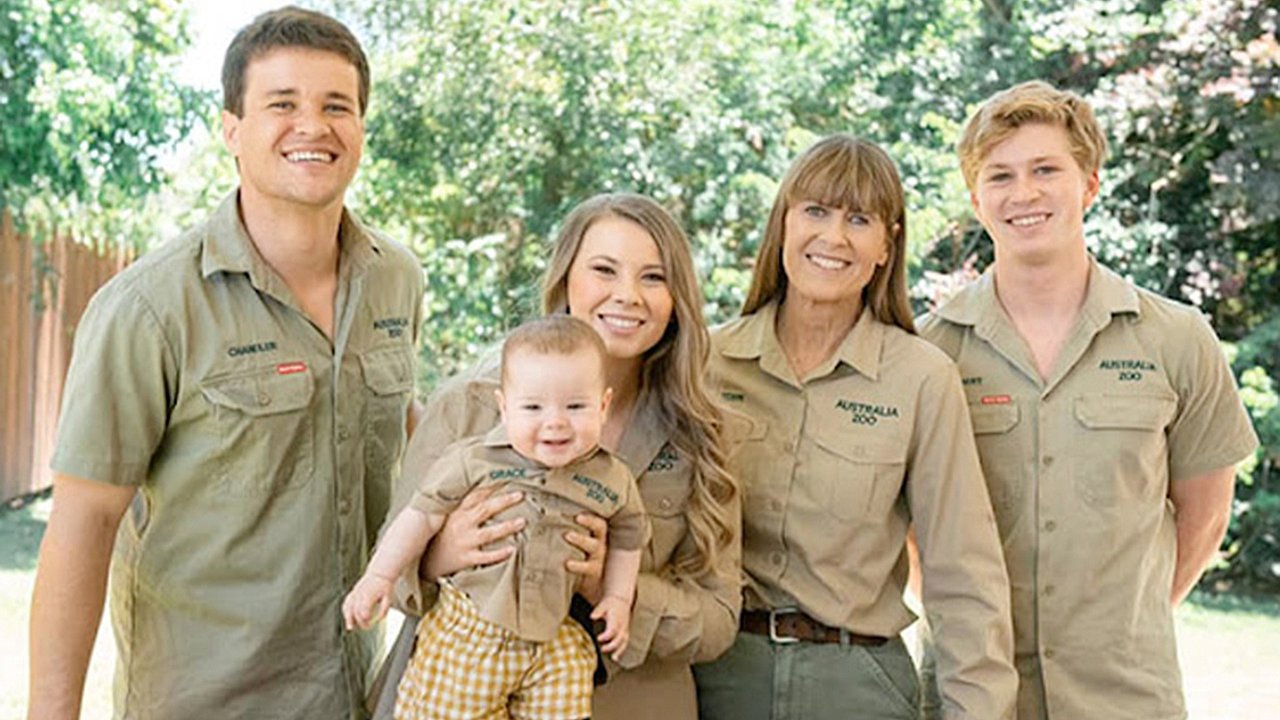
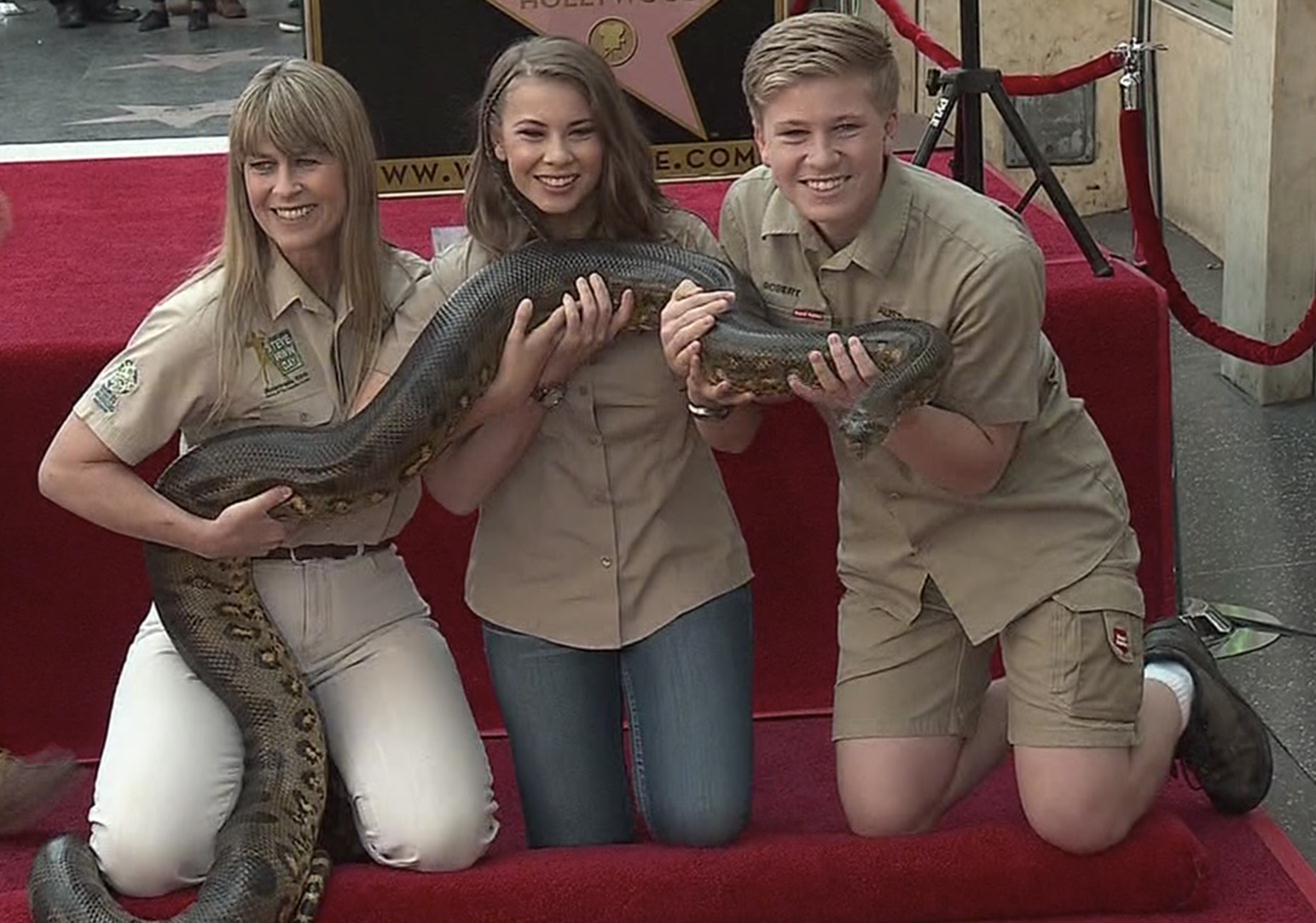
Carrying Forward Steve Irwin’s MissionNearly two decades after Steve Irwin’s tragic death in 2006, his family continues his legacy of wildlife conservation with tireless dedication. Terri Irwin, alongside her children Bindi and Robert, operates the Australia Zoo Wildlife Hospital, one of the largest and busiest animal rescue facilities in the country.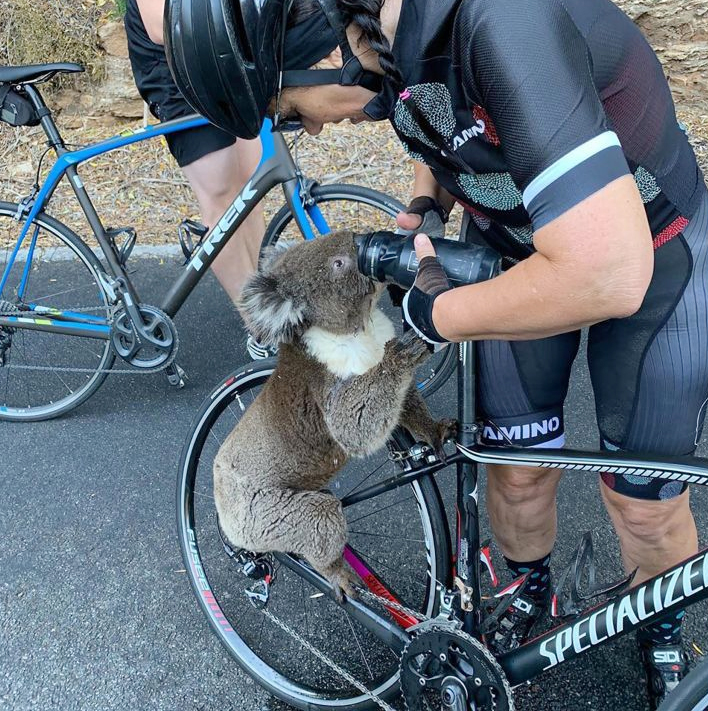 Recently, the Irwin family reached a milestone: they have cared for 90,000 animals, many of them victims of Australia’s catastrophic wildfire season.Wildlife in PerilThe fires, which have raged across southeastern Australia since September, have devastated ecosystems on an unprecedented scale. According to ecologists from the University of Sydney, nearly 500 million animals may have perished in the blazes, a figure that doesn’t include insects, bats, or amphibians—suggesting the true toll is likely much higher. Among the hardest-hit are koalas in New South Wales’ mid-north coast region, where government officials estimate that up to 30% of the population has been lost.The 90,000th Patient: ‘Ollie’ the PlatypusOn Instagram, Bindi Irwin shared the emotional news: “This week, we treated our 90,000th patient.” That patient was a young orphaned platypus, rescued from the flames and affectionately named Ollie. Robert Irwin added that Ollie is receiving round-the-clock care until he can safely be returned to the wild.
 He emphasized the broader message: “With pressures from drought to bushfires, wildlife need our help now more than ever.” The hospital has also been treating grey-headed flying foxes, a vulnerable bat species that had to be relocated when their original rescue center was threatened by fire.Fires on a Historic ScaleThe wildfires have burned more than 12.35 million acres, nearly double the size of Vermont, and destroyed nearly 2,000 homes. At least 24 people have lost their lives, with thousands more displaced. International support has poured in, with firefighters from the United States joining Australian crews. Steve Price, a veteran firefighter from Idaho, described the Australian fires as “the biggest I’ve ever been on in my life,” noting the sheer scale makes them vastly more difficult to contain compared to California wildfires.A Nation MobilizesIn an unprecedented move, the Australian government has deployed 3,000 army, navy, and air force reservists to assist in battling the blazes. Prime Minister Scott Morrison has warned that conditions remain dangerous despite a temporary reprieve of milder weather and light rainfall. As of the latest updates, over 139 fires continue to burn, with 69 still uncontained, according to the New South Wales Rural Fire Service.Hope and ResilienceWhile flames continue to rage, the efforts of the Irwin family and countless wildlife rescuers shine as a beacon of hope. Terri Irwin confirmed that the Australia Zoo and Wildlife Hospital remain safe, allowing their work to continue uninterrupted. In the midst of tragedy, the rescue of Ollie the platypus and tens of thousands of other animals underscores the importance of conservation, compassion, and the legacy of one family determined to carry on Steve Irwin’s mission to protect the natural world.
Recently, the Irwin family reached a milestone: they have cared for 90,000 animals, many of them victims of Australia’s catastrophic wildfire season.Wildlife in PerilThe fires, which have raged across southeastern Australia since September, have devastated ecosystems on an unprecedented scale. According to ecologists from the University of Sydney, nearly 500 million animals may have perished in the blazes, a figure that doesn’t include insects, bats, or amphibians—suggesting the true toll is likely much higher. Among the hardest-hit are koalas in New South Wales’ mid-north coast region, where government officials estimate that up to 30% of the population has been lost.The 90,000th Patient: ‘Ollie’ the PlatypusOn Instagram, Bindi Irwin shared the emotional news: “This week, we treated our 90,000th patient.” That patient was a young orphaned platypus, rescued from the flames and affectionately named Ollie. Robert Irwin added that Ollie is receiving round-the-clock care until he can safely be returned to the wild.He emphasized the broader message: “With pressures from drought to bushfires, wildlife need our help now more than ever.” The hospital has also been treating grey-headed flying foxes, a vulnerable bat species that had to be relocated when their original rescue center was threatened by fire.Fires on a Historic ScaleThe wildfires have burned more than 12.35 million acres, nearly double the size of Vermont, and destroyed nearly 2,000 homes. At least 24 people have lost their lives, with thousands more displaced. International support has poured in, with firefighters from the United States joining Australian crews. Steve Price, a veteran firefighter from Idaho, described the Australian fires as “the biggest I’ve ever been on in my life,” noting the sheer scale makes them vastly more difficult to contain compared to California wildfires.A Nation MobilizesIn an unprecedented move, the Australian government has deployed 3,000 army, navy, and air force reservists to assist in battling the blazes. Prime Minister Scott Morrison has warned that conditions remain dangerous despite a temporary reprieve of milder weather and light rainfall. As of the latest updates, over 139 fires continue to burn, with 69 still uncontained, according to the New South Wales Rural Fire Service.Hope and ResilienceWhile flames continue to rage, the efforts of the Irwin family and countless wildlife rescuers shine as a beacon of hope. Terri Irwin confirmed that the Australia Zoo and Wildlife Hospital remain safe, allowing their work to continue uninterrupted. In the midst of tragedy, the rescue of Ollie the platypus and tens of thousands of other animals underscores the importance of conservation, compassion, and the legacy of one family determined to carry on Steve Irwin’s mission to protect the natural world.