How to Tell If Your Watermelon is Safe to Eat
Choosing the Perfect Watermelon
Nothing beats the taste of a perfectly ripe watermelon on a hot summer day. However, selecting the right one requires attention to detail. Always opt for a melon that feels heavier than it looks, as this indicates high water content and ripeness. The shape matters too—a symmetrical, oval, or round watermelon is ideal, while an irregular shape may suggest an uneven ripening process.
Another important factor is the field spot, the part of the fruit that rested on the ground while growing. A deep yellow or golden spot is a sign of ripeness, whereas a green or white spot suggests the fruit is underripe. Lastly, the skin should be firm and slightly dull rather than too shiny. A simple tapping test can also be useful; if you hear a deep, hollow sound, you've likely found a ripe watermelon.Watch Out for Chemically Enhanced Melons
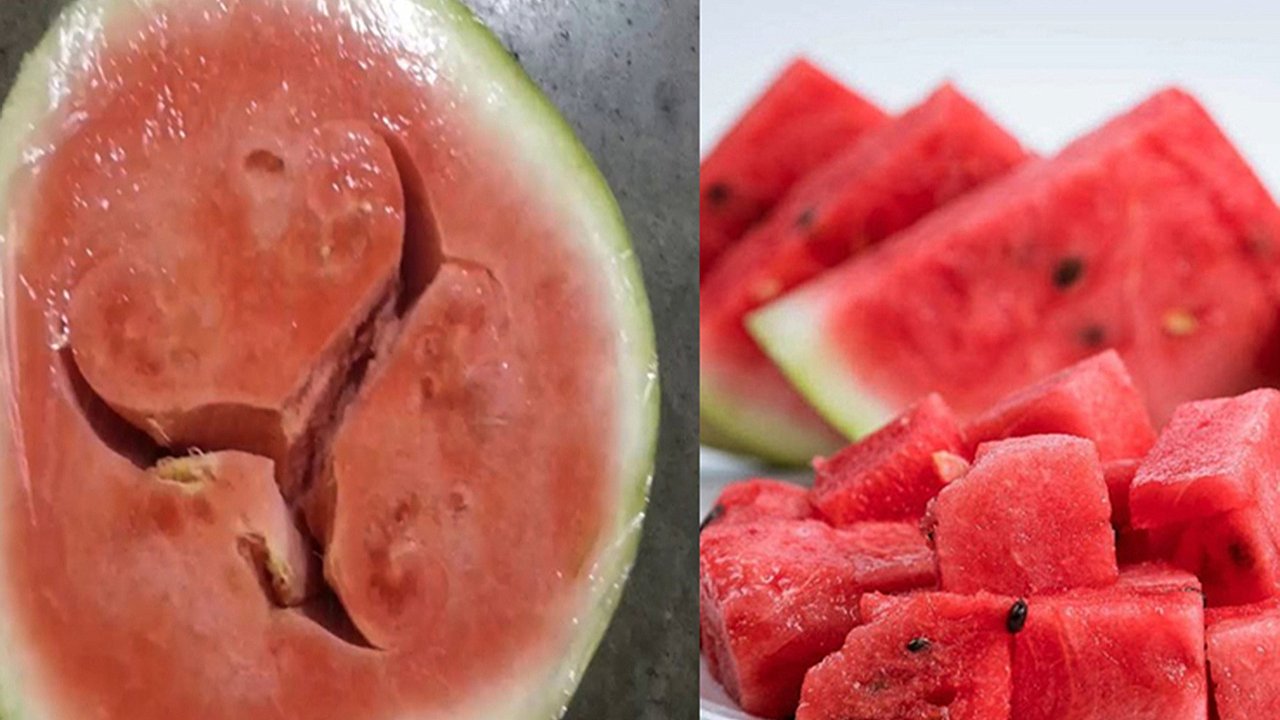
Due to high demand, some farmers use artificial growth enhancers, leading to potential health risks. A clear warning sign of chemical interference is an unusual crack inside the fruit. These cracks can indicate rapid, unnatural growth caused by fertilizers or growth hormones. Whenever possible, choose watermelons that are organically or naturally grown to avoid unwanted chemicals in your diet.Nutritional Power of Watermelon Seeds
While many discard the seeds, they are actually loaded with nutrition. Just 150 grams of dried watermelon seeds contain 30.6 grams of protein, fulfilling over 60% of the daily recommended intake. These tiny powerhouses also contain essential amino acids such as lysine, glutamic acid, and tryptophan, as well as arginine, which can help regulate blood pressure. Watermelon seeds are also rich in B vitamins, including niacin, thiamine, riboflavin, vitamin B6, and pantothenic acid. These vitamins are crucial for nerve function, metabolism, and digestive health. Instead of throwing them away, consider roasting them for a crunchy, nutrient-packed snack.The Health Benefits of Watermelon Flesh
Besides being incredibly hydrating, watermelon is a low-fat, cholesterol-free fruit packed with vital vitamins and minerals. It contains vitamins A, C, D, E, and several B-complex vitamins that support overall wellness. Additionally, the minerals in watermelon—such as potassium, calcium, magnesium, and phosphorus—promote muscle and joint health.
Another key nutrient found in watermelon is citrulline, an amino acid that enhances liver function and energy levels. Moreover, watermelon is an excellent source of lycopene, a powerful antioxidant known for reducing bad cholesterol levels and lowering the risk of cardiovascular diseases and certain types of cancer. In fact, watermelons contain even more lycopene than tomatoes!More Than Just a Sweet Snack
Enjoying watermelon goes beyond quenching your thirst—it provides essential nutrients that support heart health, digestion, and immune function. Whether eating the juicy flesh or incorporating the seeds into your diet, this summer staple offers multiple benefits. By choosing the right watermelon and being aware of harmful additives, you can savor this fruit while reaping all its nutritional rewards.
Choosing the Perfect Watermelon
Nothing beats the taste of a perfectly ripe watermelon on a hot summer day. However, selecting the right one requires attention to detail. Always opt for a melon that feels heavier than it looks, as this indicates high water content and ripeness. The shape matters too—a symmetrical, oval, or round watermelon is ideal, while an irregular shape may suggest an uneven ripening process.
Another important factor is the field spot, the part of the fruit that rested on the ground while growing. A deep yellow or golden spot is a sign of ripeness, whereas a green or white spot suggests the fruit is underripe. Lastly, the skin should be firm and slightly dull rather than too shiny. A simple tapping test can also be useful; if you hear a deep, hollow sound, you've likely found a ripe watermelon.Watch Out for Chemically Enhanced Melons
Due to high demand, some farmers use artificial growth enhancers, leading to potential health risks. A clear warning sign of chemical interference is an unusual crack inside the fruit. These cracks can indicate rapid, unnatural growth caused by fertilizers or growth hormones. Whenever possible, choose watermelons that are organically or naturally grown to avoid unwanted chemicals in your diet.Nutritional Power of Watermelon Seeds
While many discard the seeds, they are actually loaded with nutrition. Just 150 grams of dried watermelon seeds contain 30.6 grams of protein, fulfilling over 60% of the daily recommended intake. These tiny powerhouses also contain essential amino acids such as lysine, glutamic acid, and tryptophan, as well as arginine, which can help regulate blood pressure. Watermelon seeds are also rich in B vitamins, including niacin, thiamine, riboflavin, vitamin B6, and pantothenic acid. These vitamins are crucial for nerve function, metabolism, and digestive health. Instead of throwing them away, consider roasting them for a crunchy, nutrient-packed snack.The Health Benefits of Watermelon Flesh
Besides being incredibly hydrating, watermelon is a low-fat, cholesterol-free fruit packed with vital vitamins and minerals. It contains vitamins A, C, D, E, and several B-complex vitamins that support overall wellness. Additionally, the minerals in watermelon—such as potassium, calcium, magnesium, and phosphorus—promote muscle and joint health.
Another key nutrient found in watermelon is citrulline, an amino acid that enhances liver function and energy levels. Moreover, watermelon is an excellent source of lycopene, a powerful antioxidant known for reducing bad cholesterol levels and lowering the risk of cardiovascular diseases and certain types of cancer. In fact, watermelons contain even more lycopene than tomatoes!More Than Just a Sweet Snack
Enjoying watermelon goes beyond quenching your thirst—it provides essential nutrients that support heart health, digestion, and immune function. Whether eating the juicy flesh or incorporating the seeds into your diet, this summer staple offers multiple benefits. By choosing the right watermelon and being aware of harmful additives, you can savor this fruit while reaping all its nutritional rewards.