Antarctica’s Golden Mystery: Eulagisca gigantea Revealed
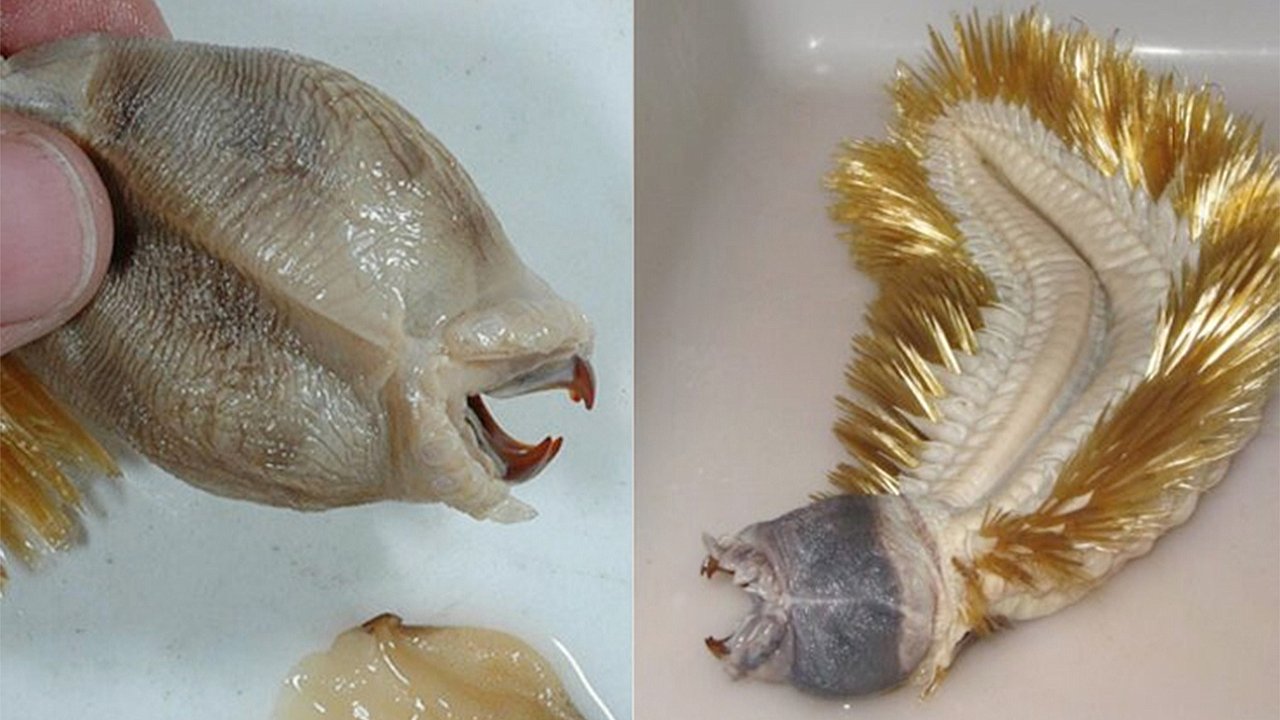
In the frozen waters surrounding Antarctica, an extraordinary creature glides through the shallows, shimmering with an iridescent golden mane. This isn't the stuff of science fiction—this is Eulagisca gigantea, a rare marine worm that seems more alien than earthly. Far from being a luxury oddity, this unique invertebrate is providing scientists with invaluable insight into marine life and climate change in the southernmost reaches of the planet.Not Your Typical Polychaete: What Makes Eulagisca Gigantea Unique
Eulagisca gigantea belongs to a group of segmented worms known as polychaetes, many of which typically dwell in the dark, crushing depths of the ocean. But this creature defies expectations. Rather than hiding in the abyss, it thrives in relatively shallow Antarctic waters, where temperatures are frigid and life is harsh.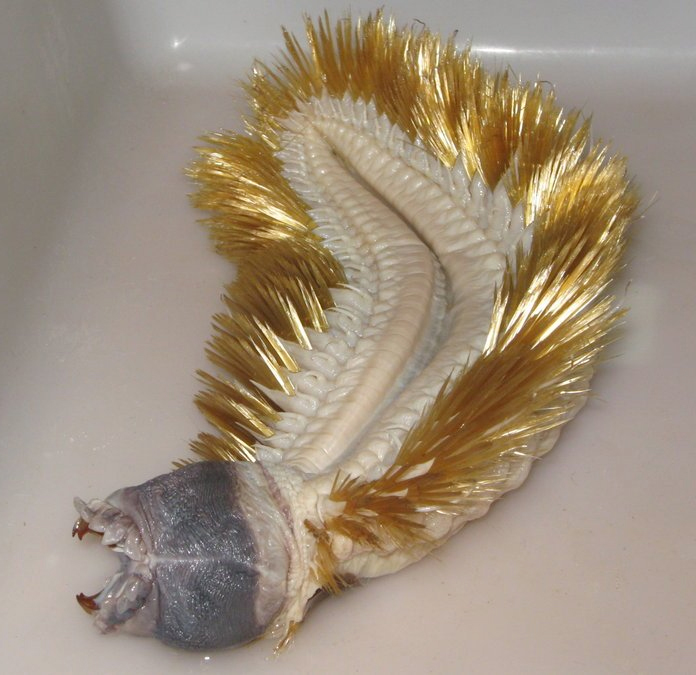 What sets E. gigantea apart isn’t just its location—it’s its dazzling appearance. Up to 20 centimeters long, this worm is crowned with a spectacular golden-bristled mane that extends from its segmented body. Scientists are puzzled by this feature. Could the golden setae serve as a warning signal to predators, a mating display, or perhaps a form of camouflage in icy, light-reflective waters? So far, no one knows for certain. Its flamboyant features remain an evolutionary mystery.Signs of a Shifting Habitat: Could Climate Change Be the Cause?
Dr. James Thomas from the British Antarctic Survey was among the first researchers to document the presence of Eulagisca gigantea in these surprisingly shallow waters. This unusual find has sparked deeper questions: Is this creature adapting to new environments, or is it an indicator of larger ecological shifts driven by a warming climate?As the polar regions continue to warm, some marine organisms may be pushed to adapt, move, or face extinction. The discovery of E. gigantea in habitats previously considered unsuitable hints that we may be witnessing a redistribution of species in real-time—one that could offer crucial evidence of how climate change is rewriting the rules of marine life.Beyond Beauty: Unlocking Antarctic Biodiversity
The discovery of Eulagisca gigantea is a powerful reminder of how little we still know about life beneath the ice. Each new species identified in these frigid waters adds to our understanding of Earth’s most extreme ecosystems and the delicate balance that sustains them.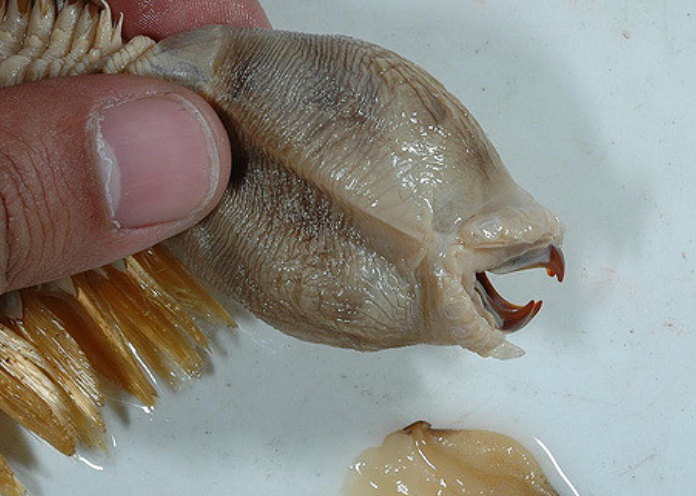 Far from being just a curiosity, this golden-maned worm is part of a larger narrative about the resilience and vulnerability of polar life. Studying E. gigantea could illuminate how these ecosystems respond to environmental changes—and help predict what may lie ahead for other species, both in Antarctica and beyond.A Shimmering Emblem of Discovery
With its surreal appearance and mysterious behavior, Eulagisca gigantea challenges our understanding of marine life. As scientists continue to explore its biology and ecological significance, it stands as a symbol of the hidden wonders still waiting to be uncovered beneath the world’s oceans.The next time Antarctica comes to mind, think beyond the icy landscapes and waddling penguins. Picture the gleaming golden mane of Eulagisca gigantea, a shining example of nature’s boundless creativity—and a silent messenger of change in the deep.
In the frozen waters surrounding Antarctica, an extraordinary creature glides through the shallows, shimmering with an iridescent golden mane. This isn't the stuff of science fiction—this is Eulagisca gigantea, a rare marine worm that seems more alien than earthly. Far from being a luxury oddity, this unique invertebrate is providing scientists with invaluable insight into marine life and climate change in the southernmost reaches of the planet.Not Your Typical Polychaete: What Makes Eulagisca Gigantea Unique
Eulagisca gigantea belongs to a group of segmented worms known as polychaetes, many of which typically dwell in the dark, crushing depths of the ocean. But this creature defies expectations. Rather than hiding in the abyss, it thrives in relatively shallow Antarctic waters, where temperatures are frigid and life is harsh.
What sets E. gigantea apart isn’t just its location—it’s its dazzling appearance. Up to 20 centimeters long, this worm is crowned with a spectacular golden-bristled mane that extends from its segmented body. Scientists are puzzled by this feature. Could the golden setae serve as a warning signal to predators, a mating display, or perhaps a form of camouflage in icy, light-reflective waters? So far, no one knows for certain. Its flamboyant features remain an evolutionary mystery.Signs of a Shifting Habitat: Could Climate Change Be the Cause?Dr. James Thomas from the British Antarctic Survey was among the first researchers to document the presence of Eulagisca gigantea in these surprisingly shallow waters. This unusual find has sparked deeper questions: Is this creature adapting to new environments, or is it an indicator of larger ecological shifts driven by a warming climate?As the polar regions continue to warm, some marine organisms may be pushed to adapt, move, or face extinction. The discovery of E. gigantea in habitats previously considered unsuitable hints that we may be witnessing a redistribution of species in real-time—one that could offer crucial evidence of how climate change is rewriting the rules of marine life.Beyond Beauty: Unlocking Antarctic Biodiversity
The discovery of Eulagisca gigantea is a powerful reminder of how little we still know about life beneath the ice. Each new species identified in these frigid waters adds to our understanding of Earth’s most extreme ecosystems and the delicate balance that sustains them.
Far from being just a curiosity, this golden-maned worm is part of a larger narrative about the resilience and vulnerability of polar life. Studying E. gigantea could illuminate how these ecosystems respond to environmental changes—and help predict what may lie ahead for other species, both in Antarctica and beyond.A Shimmering Emblem of DiscoveryWith its surreal appearance and mysterious behavior, Eulagisca gigantea challenges our understanding of marine life. As scientists continue to explore its biology and ecological significance, it stands as a symbol of the hidden wonders still waiting to be uncovered beneath the world’s oceans.The next time Antarctica comes to mind, think beyond the icy landscapes and waddling penguins. Picture the gleaming golden mane of Eulagisca gigantea, a shining example of nature’s boundless creativity—and a silent messenger of change in the deep.