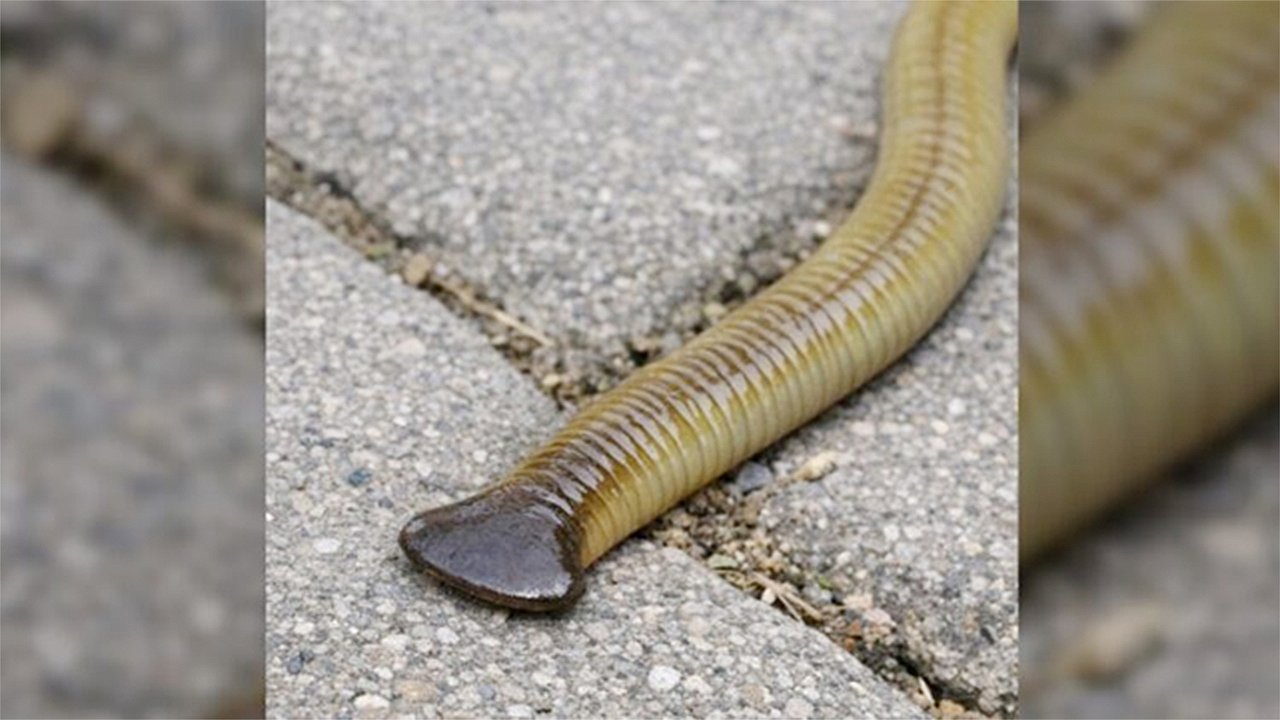
Have you ever stepped onto your patio after rain and noticed a long, flat worm with a head shaped like a shovel or hammer? At first glance, it may look like something from a science fiction movie rather than your backyard. This strange creature is known as the hammerhead worm, an invasive land flatworm that has been appearing in more gardens and lawns around the world. While it may not be dangerous to humans, it can pose a serious threat to soil health and beneficial earthworms. Understanding what this worm is, why it is in your yard, and how to manage it can help protect your garden, landscaping investment, and local ecosystem. In this guide, you will learn how to identify a hammerhead worm, why it matters, and what steps you should take if you find one.What is a hammerhead worm?
The hammerhead worm is a terrestrial flatworm belonging to the genus Bipalium. It gets its common name from its distinctive head, which resembles the shape of a hammerhead shark. Unlike common earthworms, which are segmented and cylindrical, hammerhead worms are flat and smooth.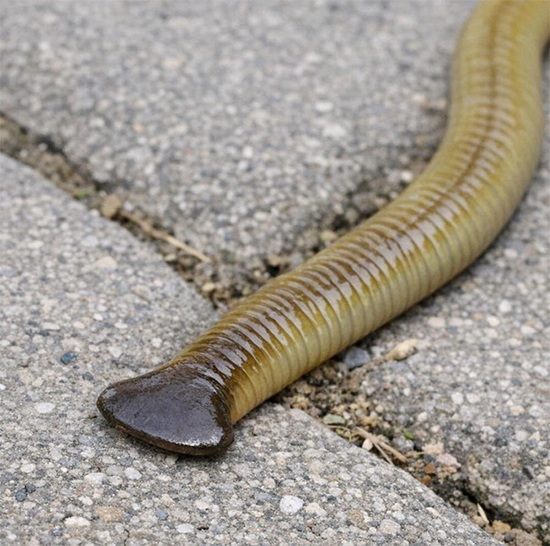 These worms can grow surprisingly long. Many measure between 8 and 12 inches, though some species can grow even longer under ideal conditions. Their bodies are usually brown, gray, or yellowish with darker stripes running lengthwise. They are coated in a shiny mucus layer that helps them glide across surfaces and retain moisture.Originally native to Southeast Asia, hammerhead worms have spread to parts of North America and Europe. They are considered an invasive species in many regions because they disrupt local ecosystems.How to identify a hammerhead worm in your yard
Identifying a hammerhead worm is relatively simple once you know what to look for. The most obvious feature is the flattened, spade-shaped head. This head is wider than the rest of the body and gives the worm its unique silhouette.The body is long, ribbon-like, and noticeably flat. Unlike earthworms, it does not have visible segments. Many hammerhead worms display dark stripes along their backs, though color can vary depending on the species.You are most likely to see these worms in damp environments. They often appear after heavy rain, in garden beds, under rocks, beneath flower pots, or even on patio stones. If you see a long, flat worm gliding smoothly instead of wriggling in segments, you are likely dealing with a hammerhead worm.Why hammerhead worms are considered invasive
Hammerhead worms are classified as an invasive species because they are not native to many of the regions where they are now found. They are typically introduced accidentally through the transport of soil, potted plants, and landscaping materials.Once established, they can spread quickly. One of the main reasons is their ability to reproduce through fragmentation. If a hammerhead worm is cut into pieces, each piece can regenerate into a complete new worm. This remarkable survival skill allows their populations to grow rapidly.In many of the areas they invade, there are few natural predators to keep their numbers in check. This imbalance can lead to negative consequences for local soil ecosystems.The threat to earthworms and soil health
The biggest concern surrounding hammerhead worms is their impact on earthworms. Earthworms play a crucial role in maintaining healthy soil. They aerate the ground, improve drainage, and help break down organic matter into nutrients that plants can absorb.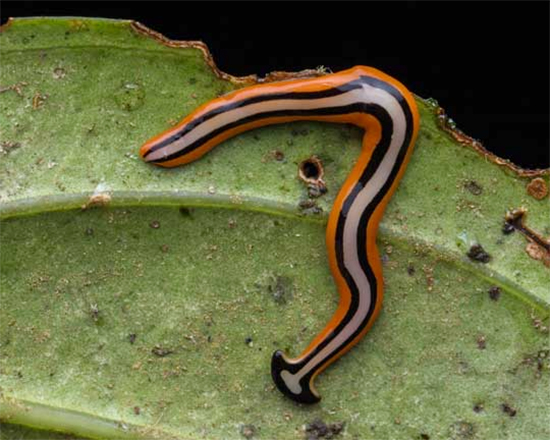 Hammerhead worms are carnivorous and feed primarily on earthworms. They hunt by secreting sticky mucus to trap their prey. Once an earthworm is immobilized, the hammerhead worm extends a feeding organ called a pharynx and releases digestive enzymes to break down the tissue.A decline in earthworm populations can lead to compacted soil, reduced nutrient cycling, and weaker plant growth. For homeowners focused on lawn care, organic gardening, and soil improvement, this can become a serious problem over time.Are hammerhead worms dangerous to humans or pets?
Many people worry that these strange-looking worms might be harmful. Fortunately, hammerhead worms do not bite, sting, or directly attack humans or pets. However, they do produce a toxic mucus that contains tetrodotoxin, a powerful neurotoxin also found in pufferfish.While the amount present in hammerhead worms is not typically dangerous to people or animals, it can cause mild skin irritation if touched. It is best to avoid handling them with bare hands. Wearing gloves when dealing with garden pests and invasive worms is always a good practice. Pets are unlikely to be seriously harmed, but they should not be allowed to play with or ingest these worms.How to safely remove a hammerhead worm
If you find a hammerhead worm in your yard, do not panic. The most important rule is not to cut it. Cutting the worm can actually result in multiple new worms due to its regenerative ability.To eliminate it safely, use gloves or a tool to pick it up. Applying salt or vinegar directly onto the worm is commonly recommended because these substances dehydrate and kill it. Afterward, place the remains in a sealed plastic bag before disposing of it in the trash. Proper disposal helps prevent the worm from returning to the soil and spreading further.How to prevent hammerhead worm infestations
Prevention starts with careful garden management. Inspect new plants and potting soil before introducing them to your yard. Since hammerhead worms thrive in moist environments, reducing excess moisture can make your garden less attractive to them.Improve drainage where possible and avoid overwatering lawns and flower beds. Regularly check under rocks, pots, and garden debris, especially after rainfall.By staying alert and acting quickly when you spot a hammerhead worm, you can help protect your lawn, garden soil, and landscaping from the long-term damage associated with invasive flatworms.Understanding how to identify and control hammerhead worms is an important step for homeowners interested in natural pest control, eco-friendly gardening, and maintaining healthy soil. Taking early action can safeguard your plants, preserve beneficial earthworms, and maintain the long-term value of your property.
The hammerhead worm is a terrestrial flatworm belonging to the genus Bipalium. It gets its common name from its distinctive head, which resembles the shape of a hammerhead shark. Unlike common earthworms, which are segmented and cylindrical, hammerhead worms are flat and smooth.
These worms can grow surprisingly long. Many measure between 8 and 12 inches, though some species can grow even longer under ideal conditions. Their bodies are usually brown, gray, or yellowish with darker stripes running lengthwise. They are coated in a shiny mucus layer that helps them glide across surfaces and retain moisture.Originally native to Southeast Asia, hammerhead worms have spread to parts of North America and Europe. They are considered an invasive species in many regions because they disrupt local ecosystems.How to identify a hammerhead worm in your yardIdentifying a hammerhead worm is relatively simple once you know what to look for. The most obvious feature is the flattened, spade-shaped head. This head is wider than the rest of the body and gives the worm its unique silhouette.The body is long, ribbon-like, and noticeably flat. Unlike earthworms, it does not have visible segments. Many hammerhead worms display dark stripes along their backs, though color can vary depending on the species.You are most likely to see these worms in damp environments. They often appear after heavy rain, in garden beds, under rocks, beneath flower pots, or even on patio stones. If you see a long, flat worm gliding smoothly instead of wriggling in segments, you are likely dealing with a hammerhead worm.Why hammerhead worms are considered invasive
Hammerhead worms are classified as an invasive species because they are not native to many of the regions where they are now found. They are typically introduced accidentally through the transport of soil, potted plants, and landscaping materials.Once established, they can spread quickly. One of the main reasons is their ability to reproduce through fragmentation. If a hammerhead worm is cut into pieces, each piece can regenerate into a complete new worm. This remarkable survival skill allows their populations to grow rapidly.In many of the areas they invade, there are few natural predators to keep their numbers in check. This imbalance can lead to negative consequences for local soil ecosystems.The threat to earthworms and soil health
The biggest concern surrounding hammerhead worms is their impact on earthworms. Earthworms play a crucial role in maintaining healthy soil. They aerate the ground, improve drainage, and help break down organic matter into nutrients that plants can absorb.
Hammerhead worms are carnivorous and feed primarily on earthworms. They hunt by secreting sticky mucus to trap their prey. Once an earthworm is immobilized, the hammerhead worm extends a feeding organ called a pharynx and releases digestive enzymes to break down the tissue.A decline in earthworm populations can lead to compacted soil, reduced nutrient cycling, and weaker plant growth. For homeowners focused on lawn care, organic gardening, and soil improvement, this can become a serious problem over time.Are hammerhead worms dangerous to humans or pets?Many people worry that these strange-looking worms might be harmful. Fortunately, hammerhead worms do not bite, sting, or directly attack humans or pets. However, they do produce a toxic mucus that contains tetrodotoxin, a powerful neurotoxin also found in pufferfish.While the amount present in hammerhead worms is not typically dangerous to people or animals, it can cause mild skin irritation if touched. It is best to avoid handling them with bare hands. Wearing gloves when dealing with garden pests and invasive worms is always a good practice. Pets are unlikely to be seriously harmed, but they should not be allowed to play with or ingest these worms.How to safely remove a hammerhead worm
If you find a hammerhead worm in your yard, do not panic. The most important rule is not to cut it. Cutting the worm can actually result in multiple new worms due to its regenerative ability.To eliminate it safely, use gloves or a tool to pick it up. Applying salt or vinegar directly onto the worm is commonly recommended because these substances dehydrate and kill it. Afterward, place the remains in a sealed plastic bag before disposing of it in the trash. Proper disposal helps prevent the worm from returning to the soil and spreading further.How to prevent hammerhead worm infestations
Prevention starts with careful garden management. Inspect new plants and potting soil before introducing them to your yard. Since hammerhead worms thrive in moist environments, reducing excess moisture can make your garden less attractive to them.Improve drainage where possible and avoid overwatering lawns and flower beds. Regularly check under rocks, pots, and garden debris, especially after rainfall.By staying alert and acting quickly when you spot a hammerhead worm, you can help protect your lawn, garden soil, and landscaping from the long-term damage associated with invasive flatworms.Understanding how to identify and control hammerhead worms is an important step for homeowners interested in natural pest control, eco-friendly gardening, and maintaining healthy soil. Taking early action can safeguard your plants, preserve beneficial earthworms, and maintain the long-term value of your property.