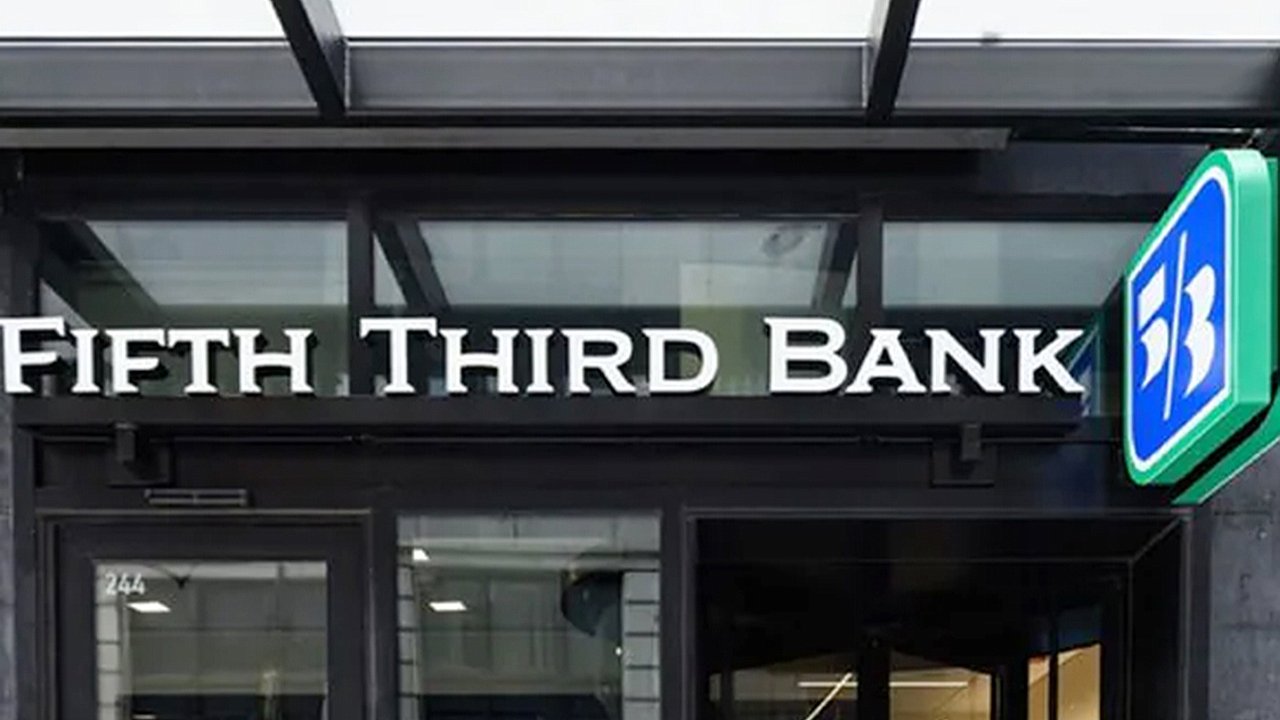
Fifth Third Bancorp announces major acquisition of ComericaFifth Third Bancorp has made a bold move in the U.S. banking sector by announcing its plan to acquire Comerica in an all-stock transaction valued at $10.9 billion. Once completed, the deal will create the ninth-largest bank in the United States, boasting approximately $288 billion in assets. The transaction, which both banks expect to close in the first quarter of 2026, is poised to reshape the competitive landscape of regional banking and strengthen Fifth Third’s position across several high-growth markets.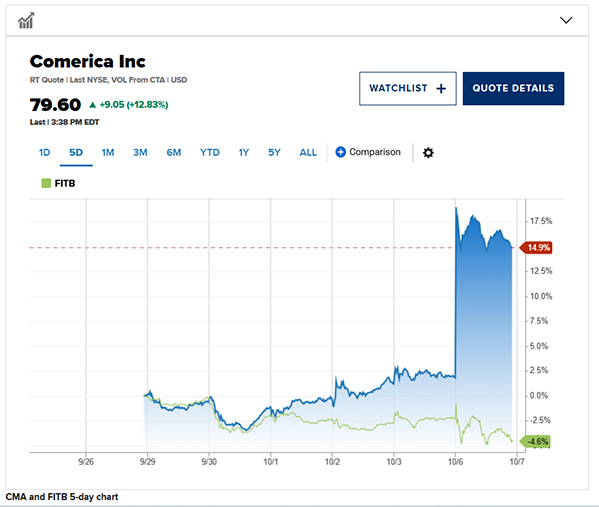 The merger marks one of the largest banking deals in recent years, highlighting the growing trend of consolidation among regional lenders seeking greater scale and market resilience. With the regulatory environment becoming more favorable under the Trump administration, analysts predict this could be just the beginning of a new wave of mergers across the financial industry.Strategic expansion into high-growth marketsFifth Third Bancorp’s CEO, Tim Spence, emphasized that the merger will leverage the strengths of both institutions. Over the past decade, Fifth Third has built a reputation for stability, profitability, and organic growth, while Comerica is known for its powerful middle-market commercial banking operations and strong presence in Texas and California.According to Spence, the combined bank will focus heavily on expanding its footprint in Texas, planning to build 150 new branches across the state. “We intend to move into a top five position in Dallas, Houston, and Austin,” he told CNBC’s Squawk Box. The move aligns with Fifth Third’s strategy of penetrating rapidly growing markets where both population and business activity are surging.The merger will also give Fifth Third access to Comerica’s established client base and expertise in commercial lending, further strengthening its position in small and medium-sized business financing — a sector that remains one of the most profitable in regional banking.Regulatory environment and confidence in approvalOne key factor behind the timing of this deal is the shifting regulatory landscape. Recent signals from the Trump administration and congressional Republicans suggest a more accommodating approach toward bank mergers, reducing the scrutiny and delays that have long plagued large financial consolidations.“In an environment where merger approvals are coming faster, it builds our confidence,” Spence noted. “Regulators believed we had the capacity to run a much larger bank.” His statement underscores the belief that the combined entity will be capable of managing an expanded portfolio without compromising oversight or customer experience.This change in tone from Washington is likely to spur additional merger activity among regional banks, many of which face rising competition from both national institutions and digital-first fintech firms.Market reaction and investor outlookInvestors responded swiftly to the news. Comerica’s shares surged approximately 15% in early trading, reflecting optimism about the deal’s potential benefits and the premium offered through the stock exchange. Meanwhile, Fifth Third’s shares dipped slightly as investors weighed the short-term costs of the acquisition against its long-term strategic advantages.The SPDR S&P Regional Banking ETF (KRE), which tracks the performance of U.S. regional banks, climbed 1% in premarket trading. Market watchers interpreted the move as a sign that investors anticipate further consolidation across the sector, as mid-sized banks look to gain scale and efficiency.Analysts also noted that combining Fifth Third’s digital, retail, and payments strengths with Comerica’s commercial banking platform could yield significant synergies, particularly in technology-driven services and treasury management.Leadership perspectives and integration plansComerica’s CEO, Curt Farmer, expressed confidence that the merger will enhance customer offerings and provide new growth opportunities. “Joining with Fifth Third — with its strengths in retail, payments, and digital — allows us to build on our leading commercial franchise and further serve our customers with enhanced capabilities across more markets,” Farmer said in a statement.The integration process will be carefully managed to preserve Comerica’s deep relationships with business clients while introducing new digital banking innovations from Fifth Third’s technology suite. Both companies are expected to maintain a strong focus on customer satisfaction during the transition, ensuring minimal disruption to existing operations.Implications for the regional banking sectorThis landmark deal comes at a time when many regional banks are facing pressure from rising operational costs, higher capital requirements, and increased competition from both larger national banks and agile fintech firms. Mergers like this one are seen as strategic solutions to enhance efficiency, expand geographic reach, and diversify income streams.As the ninth-largest bank in the country, the new entity will have the scale and resources to compete more effectively in lending, digital innovation, and wealth management. If successful, the Fifth Third–Comerica merger could serve as a blueprint for other regional lenders seeking to secure their future in a rapidly evolving financial landscape.
The merger marks one of the largest banking deals in recent years, highlighting the growing trend of consolidation among regional lenders seeking greater scale and market resilience. With the regulatory environment becoming more favorable under the Trump administration, analysts predict this could be just the beginning of a new wave of mergers across the financial industry.Strategic expansion into high-growth marketsFifth Third Bancorp’s CEO, Tim Spence, emphasized that the merger will leverage the strengths of both institutions. Over the past decade, Fifth Third has built a reputation for stability, profitability, and organic growth, while Comerica is known for its powerful middle-market commercial banking operations and strong presence in Texas and California.According to Spence, the combined bank will focus heavily on expanding its footprint in Texas, planning to build 150 new branches across the state. “We intend to move into a top five position in Dallas, Houston, and Austin,” he told CNBC’s Squawk Box. The move aligns with Fifth Third’s strategy of penetrating rapidly growing markets where both population and business activity are surging.The merger will also give Fifth Third access to Comerica’s established client base and expertise in commercial lending, further strengthening its position in small and medium-sized business financing — a sector that remains one of the most profitable in regional banking.Regulatory environment and confidence in approvalOne key factor behind the timing of this deal is the shifting regulatory landscape. Recent signals from the Trump administration and congressional Republicans suggest a more accommodating approach toward bank mergers, reducing the scrutiny and delays that have long plagued large financial consolidations.“In an environment where merger approvals are coming faster, it builds our confidence,” Spence noted. “Regulators believed we had the capacity to run a much larger bank.” His statement underscores the belief that the combined entity will be capable of managing an expanded portfolio without compromising oversight or customer experience.This change in tone from Washington is likely to spur additional merger activity among regional banks, many of which face rising competition from both national institutions and digital-first fintech firms.Market reaction and investor outlookInvestors responded swiftly to the news. Comerica’s shares surged approximately 15% in early trading, reflecting optimism about the deal’s potential benefits and the premium offered through the stock exchange. Meanwhile, Fifth Third’s shares dipped slightly as investors weighed the short-term costs of the acquisition against its long-term strategic advantages.The SPDR S&P Regional Banking ETF (KRE), which tracks the performance of U.S. regional banks, climbed 1% in premarket trading. Market watchers interpreted the move as a sign that investors anticipate further consolidation across the sector, as mid-sized banks look to gain scale and efficiency.Analysts also noted that combining Fifth Third’s digital, retail, and payments strengths with Comerica’s commercial banking platform could yield significant synergies, particularly in technology-driven services and treasury management.Leadership perspectives and integration plansComerica’s CEO, Curt Farmer, expressed confidence that the merger will enhance customer offerings and provide new growth opportunities. “Joining with Fifth Third — with its strengths in retail, payments, and digital — allows us to build on our leading commercial franchise and further serve our customers with enhanced capabilities across more markets,” Farmer said in a statement.The integration process will be carefully managed to preserve Comerica’s deep relationships with business clients while introducing new digital banking innovations from Fifth Third’s technology suite. Both companies are expected to maintain a strong focus on customer satisfaction during the transition, ensuring minimal disruption to existing operations.Implications for the regional banking sectorThis landmark deal comes at a time when many regional banks are facing pressure from rising operational costs, higher capital requirements, and increased competition from both larger national banks and agile fintech firms. Mergers like this one are seen as strategic solutions to enhance efficiency, expand geographic reach, and diversify income streams.As the ninth-largest bank in the country, the new entity will have the scale and resources to compete more effectively in lending, digital innovation, and wealth management. If successful, the Fifth Third–Comerica merger could serve as a blueprint for other regional lenders seeking to secure their future in a rapidly evolving financial landscape.