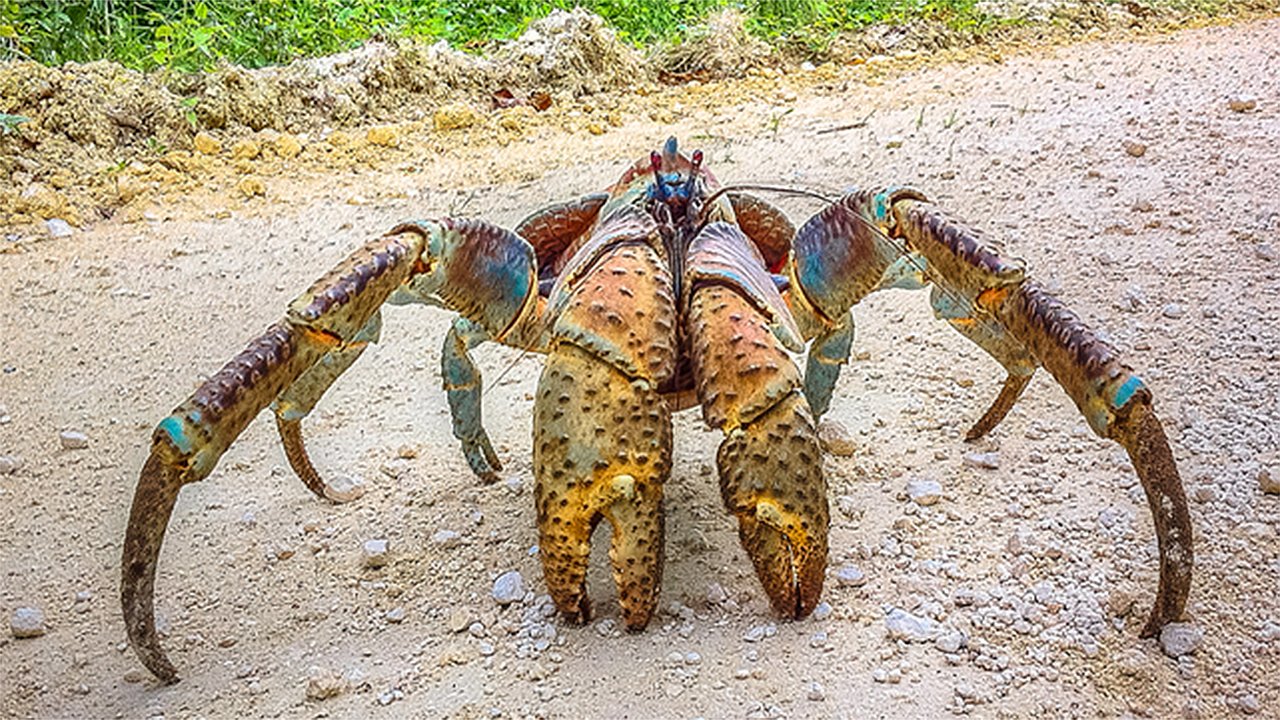
Coconut crabs are among the most fascinating and unusual creatures found on tropical islands across the Pacific and Indian Oceans. Known as the largest land-dwelling crabs in the world, these remarkable animals capture attention with their sheer size, strength, and unexpected abilities. Weighing over 4 kilograms and stretching nearly a meter across, Coconut Crabs are not only impressive in appearance but also in behavior.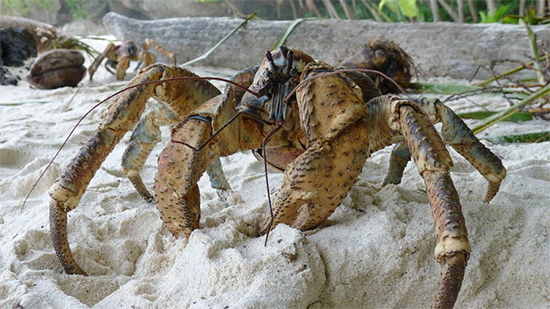 From cracking open coconuts with powerful claws to climbing tall trees, they possess skills that seem almost unbelievable. Their attraction to food often brings them into contact with humans, creating memorable and sometimes surprising encounters. This article explores the unique characteristics, habitat, diet, and ecological role of coconut crabs while uncovering what makes them such an extraordinary species.Size and physical characteristics
Coconut crabs, scientifically known as Birgus latro, are the largest terrestrial arthropods in the world. Their massive size sets them apart from other crab species, with some individuals weighing over 4 kilograms and boasting a leg span of up to 3 feet. Their bodies are covered in a tough exoskeleton, which provides protection and support.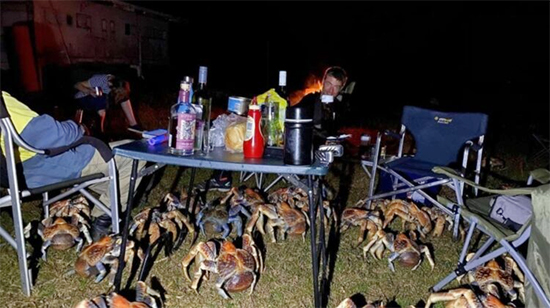 One of their most notable features is their powerful pincers. These claws are incredibly strong and are used for a variety of tasks, including climbing, feeding, and defense. Studies have shown that their grip strength is among the strongest in the animal kingdom, allowing them to crack open hard objects like coconuts with ease.Despite their tough exterior, coconut crabs have a soft abdomen, which is a vulnerability. To protect this area, they often hide in burrows or crevices during the day, emerging primarily at night when the risk of predation is lower.Habitat and distribution
Coconut crabs are typically found on tropical islands in the Indian and Pacific Oceans. Popular locations include Christmas Island, the Seychelles, Fiji, and parts of Indonesia. These crabs prefer coastal forests where they have access to both shelter and food sources.They are well adapted to life on land, unlike many other crab species that rely heavily on water. Coconut crabs breathe through modified gills called branchiostegal lungs, which allow them to extract oxygen from the air. However, they still require moisture to survive and are often found in humid environments.Their burrows serve as essential shelters, helping them regulate body temperature and retain moisture. These hiding spots also provide protection from predators and harsh environmental conditions.Feeding habits and attraction to food
Coconut crabs are omnivorous scavengers with a diverse diet. While they are famously known for eating coconuts, their diet also includes fruits, seeds, nuts, decaying organic matter, and even small animals. They play a crucial role in recycling nutrients within their ecosystem.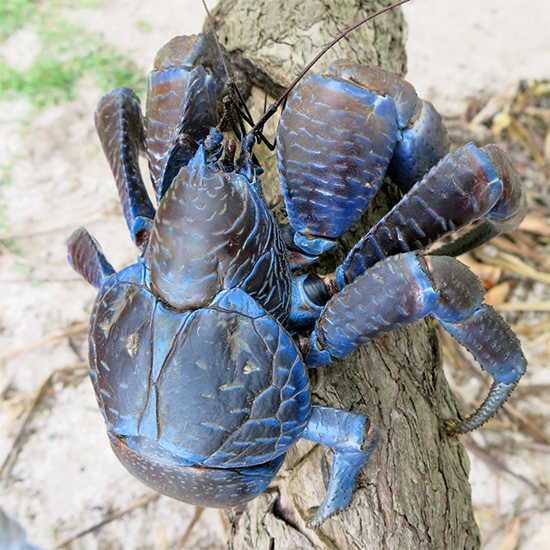 Their sense of smell is highly developed, enabling them to detect food from long distances. This strong attraction to food often leads them into human campsites, where they may scavenge for leftovers or improperly stored supplies. This behavior has earned them a reputation as opportunistic feeders.The ability to crack open coconuts is particularly impressive. They use their claws to peel away the husk and access the nutritious flesh inside. This unique feeding behavior highlights their strength and adaptability.Climbing abilities and surprising behaviors
One of the most surprising traits of coconut crabs is their ability to climb trees. Despite their large size, they can scale coconut palms and other trees with remarkable agility. This skill allows them to access food sources that are out of reach for many other animals.Climbing also provides a strategic advantage, as it helps them avoid predators and find safe resting spots. Coconut crabs are known to carry coconuts down from trees, showcasing both their strength and problem-solving abilities.In addition to climbing, these crabs exhibit curious and exploratory behavior. They are known to investigate unfamiliar objects, which can sometimes lead to unusual interactions with human belongings.Role in the ecosystem
Coconut crabs play an important role in maintaining the balance of their ecosystem. As scavengers, they help break down organic matter, contributing to nutrient cycling and soil health. By consuming fallen fruits and dead animals, they prevent the buildup of waste in their environment.They also help control populations of smaller animals, such as insects and rodents. This natural form of population control supports the overall health of their habitat.Their presence is often considered an indicator of a healthy ecosystem. However, habitat loss and human activity have led to declining populations in some regions, making conservation efforts increasingly important.Interaction with humans and safety tips
Encounters between coconut crabs and humans are usually harmless but can be surprising. Their attraction to food means they may approach campsites or settlements in search of something to eat. While they are not aggressive by nature, their powerful claws can cause injury if handled improperly.To avoid unwanted encounters, it is important to store food securely and maintain a clean campsite. Observing coconut crabs from a safe distance is the best way to appreciate their unique characteristics without disturbing them.Respecting their natural habitat is essential for both human safety and the conservation of this remarkable species. By understanding their behavior, people can coexist peacefully with these incredible creatures.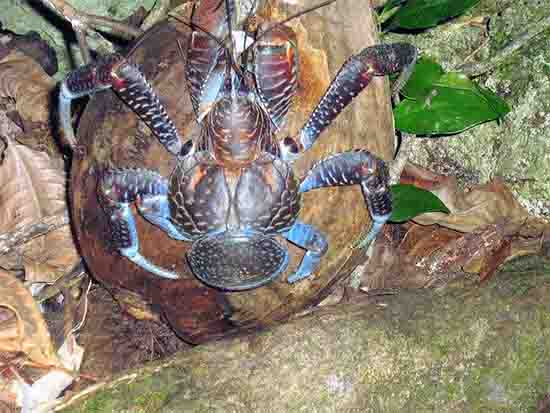 Coconut crabs are truly extraordinary animals that combine strength, intelligence, and adaptability in ways few other species can match. From their ability to crack coconuts and climb trees to their vital role in the ecosystem, they continue to captivate scientists and nature enthusiasts alike. While their attraction to food can lead to unexpected encounters, it also serves as a reminder of their resourcefulness and survival instincts. Protecting their habitats and respecting their space ensures that future generations can continue to marvel at these giants of the crab world.
From cracking open coconuts with powerful claws to climbing tall trees, they possess skills that seem almost unbelievable. Their attraction to food often brings them into contact with humans, creating memorable and sometimes surprising encounters. This article explores the unique characteristics, habitat, diet, and ecological role of coconut crabs while uncovering what makes them such an extraordinary species.Size and physical characteristicsCoconut crabs, scientifically known as Birgus latro, are the largest terrestrial arthropods in the world. Their massive size sets them apart from other crab species, with some individuals weighing over 4 kilograms and boasting a leg span of up to 3 feet. Their bodies are covered in a tough exoskeleton, which provides protection and support.
One of their most notable features is their powerful pincers. These claws are incredibly strong and are used for a variety of tasks, including climbing, feeding, and defense. Studies have shown that their grip strength is among the strongest in the animal kingdom, allowing them to crack open hard objects like coconuts with ease.Despite their tough exterior, coconut crabs have a soft abdomen, which is a vulnerability. To protect this area, they often hide in burrows or crevices during the day, emerging primarily at night when the risk of predation is lower.Habitat and distributionCoconut crabs are typically found on tropical islands in the Indian and Pacific Oceans. Popular locations include Christmas Island, the Seychelles, Fiji, and parts of Indonesia. These crabs prefer coastal forests where they have access to both shelter and food sources.They are well adapted to life on land, unlike many other crab species that rely heavily on water. Coconut crabs breathe through modified gills called branchiostegal lungs, which allow them to extract oxygen from the air. However, they still require moisture to survive and are often found in humid environments.Their burrows serve as essential shelters, helping them regulate body temperature and retain moisture. These hiding spots also provide protection from predators and harsh environmental conditions.Feeding habits and attraction to food
Coconut crabs are omnivorous scavengers with a diverse diet. While they are famously known for eating coconuts, their diet also includes fruits, seeds, nuts, decaying organic matter, and even small animals. They play a crucial role in recycling nutrients within their ecosystem.
Their sense of smell is highly developed, enabling them to detect food from long distances. This strong attraction to food often leads them into human campsites, where they may scavenge for leftovers or improperly stored supplies. This behavior has earned them a reputation as opportunistic feeders.The ability to crack open coconuts is particularly impressive. They use their claws to peel away the husk and access the nutritious flesh inside. This unique feeding behavior highlights their strength and adaptability.Climbing abilities and surprising behaviorsOne of the most surprising traits of coconut crabs is their ability to climb trees. Despite their large size, they can scale coconut palms and other trees with remarkable agility. This skill allows them to access food sources that are out of reach for many other animals.Climbing also provides a strategic advantage, as it helps them avoid predators and find safe resting spots. Coconut crabs are known to carry coconuts down from trees, showcasing both their strength and problem-solving abilities.In addition to climbing, these crabs exhibit curious and exploratory behavior. They are known to investigate unfamiliar objects, which can sometimes lead to unusual interactions with human belongings.Role in the ecosystem
Coconut crabs play an important role in maintaining the balance of their ecosystem. As scavengers, they help break down organic matter, contributing to nutrient cycling and soil health. By consuming fallen fruits and dead animals, they prevent the buildup of waste in their environment.They also help control populations of smaller animals, such as insects and rodents. This natural form of population control supports the overall health of their habitat.Their presence is often considered an indicator of a healthy ecosystem. However, habitat loss and human activity have led to declining populations in some regions, making conservation efforts increasingly important.Interaction with humans and safety tips
Encounters between coconut crabs and humans are usually harmless but can be surprising. Their attraction to food means they may approach campsites or settlements in search of something to eat. While they are not aggressive by nature, their powerful claws can cause injury if handled improperly.To avoid unwanted encounters, it is important to store food securely and maintain a clean campsite. Observing coconut crabs from a safe distance is the best way to appreciate their unique characteristics without disturbing them.Respecting their natural habitat is essential for both human safety and the conservation of this remarkable species. By understanding their behavior, people can coexist peacefully with these incredible creatures.
Coconut crabs are truly extraordinary animals that combine strength, intelligence, and adaptability in ways few other species can match. From their ability to crack coconuts and climb trees to their vital role in the ecosystem, they continue to captivate scientists and nature enthusiasts alike. While their attraction to food can lead to unexpected encounters, it also serves as a reminder of their resourcefulness and survival instincts. Protecting their habitats and respecting their space ensures that future generations can continue to marvel at these giants of the crab world.