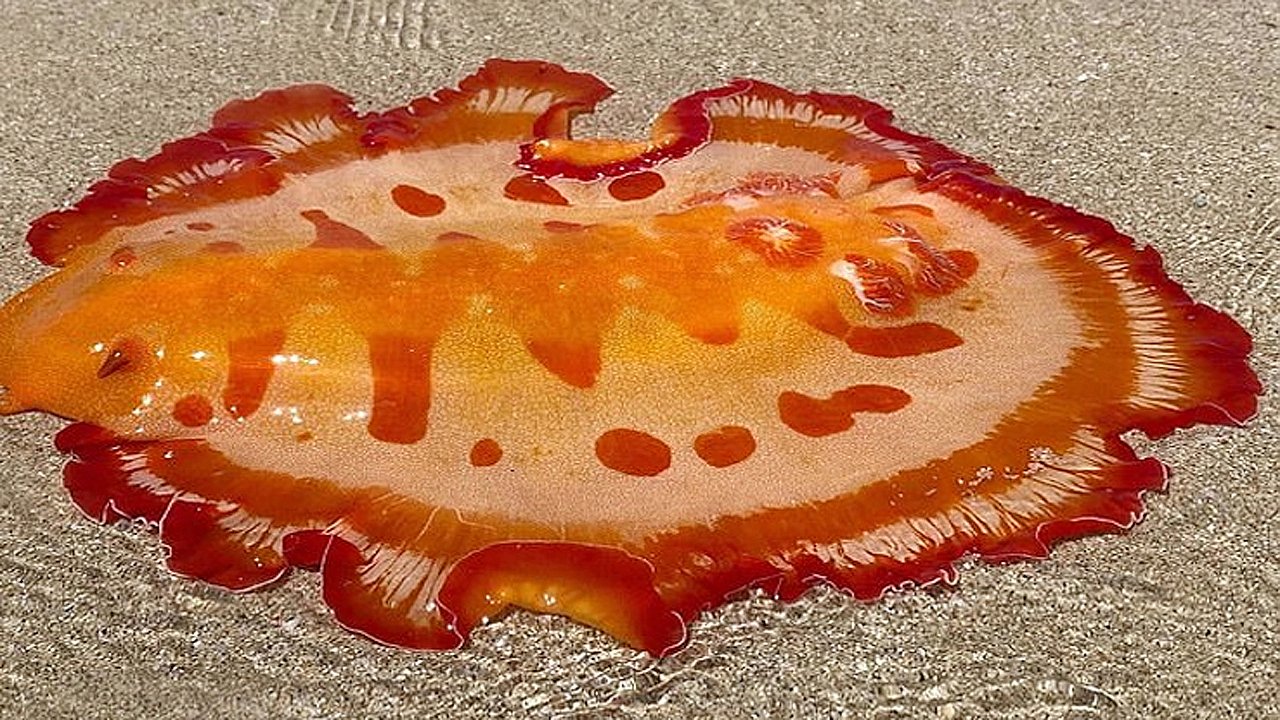
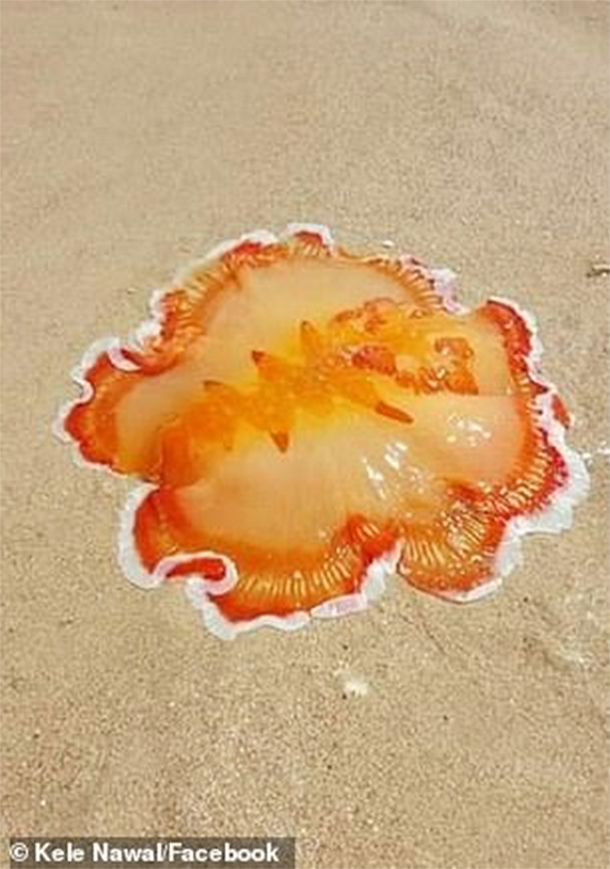
A striking marine creature known as the Spanish Dancer has captured attention off the coast of Western Australia. This vibrant sea slug, with its flamenco-like movements and dazzling hues, stunned beachgoers and sparked curiosity online. But what exactly is this flamboyant undersea marvel?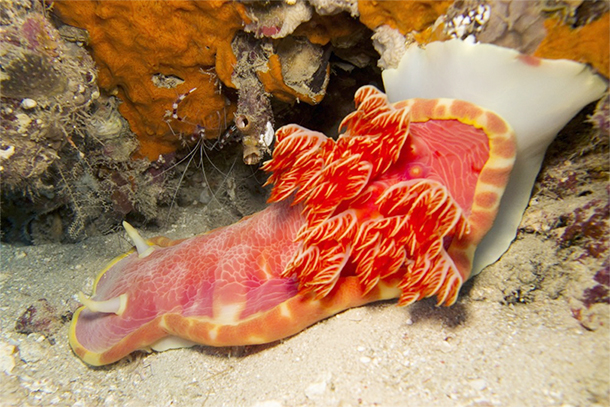 A spellbinding marine encounter unfolded in the waters of Coral Bay, Western Australia, when a brilliantly colored sea slug — commonly referred to as the ‘Spanish Dancer’ — was spotted drifting near shore. With flowing movements and an appearance that echoes the swirling skirts of a flamenco dancer, this mysterious creature isn’t a performer on stage but rather a nudibranch named Hexabranchus sanguineus.Captured by Instagram user Adigaz, the sea slug’s appearance quickly gained online traction. Adigaz shared a video of the vibrant animal gently floating in with the tide, leaving viewers in awe of its intense red and orange coloration and graceful, ribbon-like undulations.
 What Is the Spanish Dancer Sea Slug?
Despite its poetic name, the Spanish Dancer is a type of dorid nudibranch — a soft-bodied marine gastropod mollusc belonging to the family Hexabranchidae. It is among the largest nudibranch species in existence, typically reaching up to 25 cm in length, with some specimens in the Red Sea reportedly growing as large as 40 cm.Its body is flat and soft, adorned with striking red-orange tones speckled with white dots. In juveniles, the colors shift toward yellow or white with vibrant purple spots. When threatened, this nudibranch reveals its dazzling mantle and uses a graceful swimming motion to escape danger — the origin of its nickname. The rhythmic undulations during swimming strongly resemble the flowing movements of a Spanish flamenco dancer.Spanish Dancers possess several fascinating anatomical features. The anterior dorsal side has a pair of retractable rhinophores for detecting chemicals in the water, while the rear end holds six contractile gills that protrude independently. Oral tentacles help the creature navigate and feed, equipped with lobes sensitive to touch and taste. Their brilliant coloration isn’t just for visual appeal — it serves as a vivid warning. Spanish Dancers feed primarily on toxic sponges, particularly from the Halichondria genus, and store these toxins in their tissues. This chemical defense deters most predators, making them an unappetizing meal.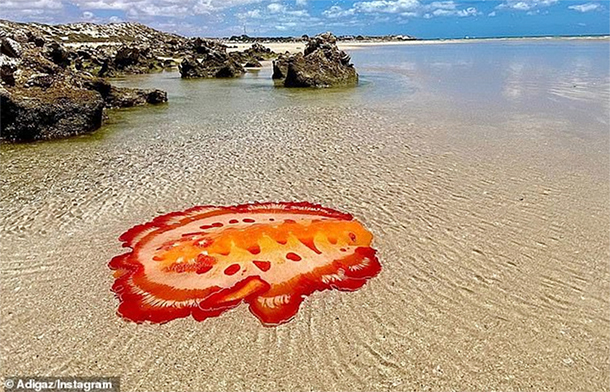 These nocturnal creatures prefer to remain hidden during the day, tucked into shady crevices or under reef shelves. They are best observed during night dives when they become active in search of food like sponges and tunicates. Divers exploring regions such as the Murex Manado House Reef in North Sulawesi are likely to encounter them due to the abundance of suitable prey and habitat.The species has a wide distribution range, from the Red Sea and the Indian Ocean to French Polynesia and the Western Pacific. Different regions exhibit slight variations in color, although these do not correlate with genetic or structural differences.A fascinating feature of the Spanish Dancer is its symbiotic relationship with the Emperor Shrimp (Periclimenes imperator). These shrimp often ride atop the nudibranch, feeding on parasites and dead tissue while gaining transport and protection. It’s a win-win partnership, with the shrimp acting as a mobile cleaning crew for its host. Spanish Dancers are simultaneous hermaphrodites — each individual possesses both male and female reproductive organs, though self-fertilization does not occur. Mating involves pairing up with another nudibranch. After fertilization, they lay spiral-shaped, rose-like egg ribbons, often found attached to reef surfaces. These egg masses are also laced with toxins, offering protection until hatching.
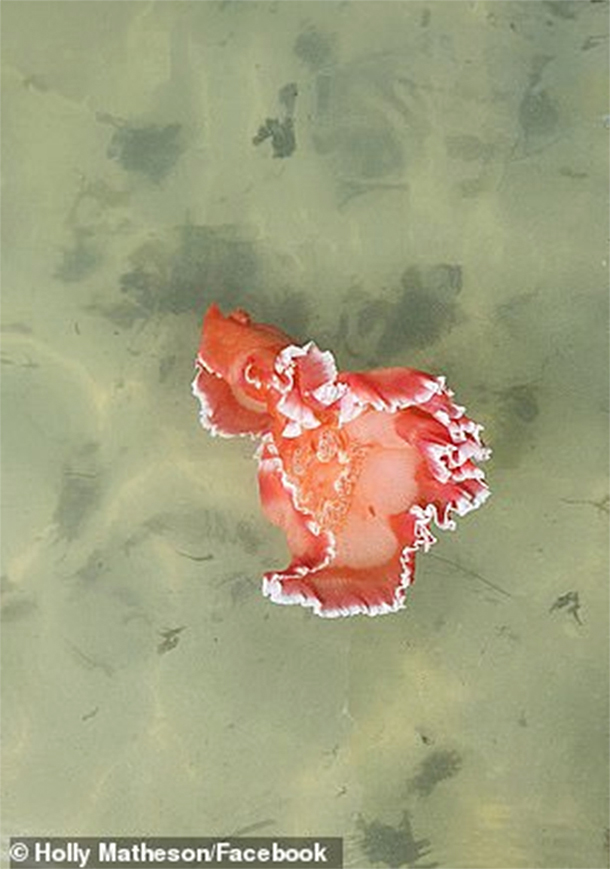 The recent sighting of the Spanish Dancer in Western Australia offers a rare glimpse at one of the ocean's most captivating invertebrates. With its striking colors, graceful swimming style, and fascinating biological features, it continues to mesmerize scientists and beachgoers alike. Whether hidden in a reef crevice or swirling through moonlit waters, the Spanish Dancer truly lives up to its enchanting name.
A spellbinding marine encounter unfolded in the waters of Coral Bay, Western Australia, when a brilliantly colored sea slug — commonly referred to as the ‘Spanish Dancer’ — was spotted drifting near shore. With flowing movements and an appearance that echoes the swirling skirts of a flamenco dancer, this mysterious creature isn’t a performer on stage but rather a nudibranch named Hexabranchus sanguineus.Captured by Instagram user Adigaz, the sea slug’s appearance quickly gained online traction. Adigaz shared a video of the vibrant animal gently floating in with the tide, leaving viewers in awe of its intense red and orange coloration and graceful, ribbon-like undulations.What Is the Spanish Dancer Sea Slug?Despite its poetic name, the Spanish Dancer is a type of dorid nudibranch — a soft-bodied marine gastropod mollusc belonging to the family Hexabranchidae. It is among the largest nudibranch species in existence, typically reaching up to 25 cm in length, with some specimens in the Red Sea reportedly growing as large as 40 cm.Its body is flat and soft, adorned with striking red-orange tones speckled with white dots. In juveniles, the colors shift toward yellow or white with vibrant purple spots. When threatened, this nudibranch reveals its dazzling mantle and uses a graceful swimming motion to escape danger — the origin of its nickname. The rhythmic undulations during swimming strongly resemble the flowing movements of a Spanish flamenco dancer.Spanish Dancers possess several fascinating anatomical features. The anterior dorsal side has a pair of retractable rhinophores for detecting chemicals in the water, while the rear end holds six contractile gills that protrude independently. Oral tentacles help the creature navigate and feed, equipped with lobes sensitive to touch and taste. Their brilliant coloration isn’t just for visual appeal — it serves as a vivid warning. Spanish Dancers feed primarily on toxic sponges, particularly from the Halichondria genus, and store these toxins in their tissues. This chemical defense deters most predators, making them an unappetizing meal.
These nocturnal creatures prefer to remain hidden during the day, tucked into shady crevices or under reef shelves. They are best observed during night dives when they become active in search of food like sponges and tunicates. Divers exploring regions such as the Murex Manado House Reef in North Sulawesi are likely to encounter them due to the abundance of suitable prey and habitat.The species has a wide distribution range, from the Red Sea and the Indian Ocean to French Polynesia and the Western Pacific. Different regions exhibit slight variations in color, although these do not correlate with genetic or structural differences.A fascinating feature of the Spanish Dancer is its symbiotic relationship with the Emperor Shrimp (Periclimenes imperator). These shrimp often ride atop the nudibranch, feeding on parasites and dead tissue while gaining transport and protection. It’s a win-win partnership, with the shrimp acting as a mobile cleaning crew for its host. Spanish Dancers are simultaneous hermaphrodites — each individual possesses both male and female reproductive organs, though self-fertilization does not occur. Mating involves pairing up with another nudibranch. After fertilization, they lay spiral-shaped, rose-like egg ribbons, often found attached to reef surfaces. These egg masses are also laced with toxins, offering protection until hatching.The recent sighting of the Spanish Dancer in Western Australia offers a rare glimpse at one of the ocean's most captivating invertebrates. With its striking colors, graceful swimming style, and fascinating biological features, it continues to mesmerize scientists and beachgoers alike. Whether hidden in a reef crevice or swirling through moonlit waters, the Spanish Dancer truly lives up to its enchanting name.