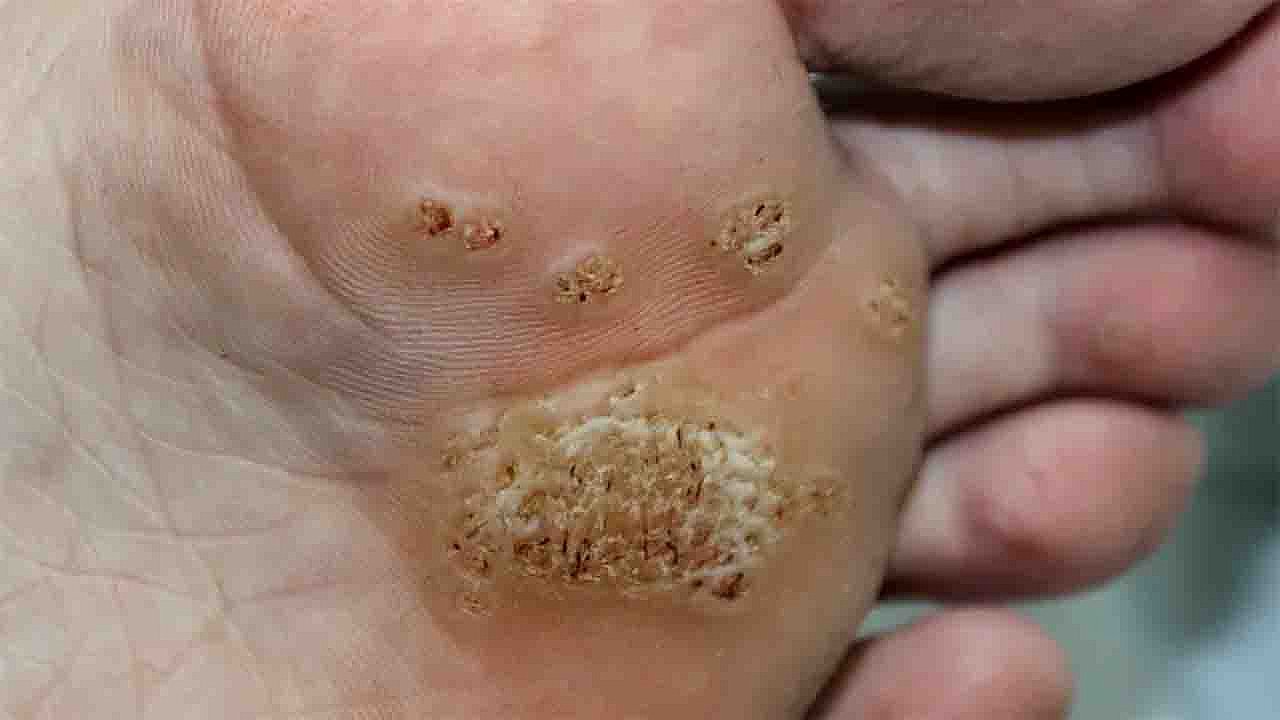
Warts are among the most common skin conditions, yet many people are unsure what they are or how to deal with them. A small rough bump on a finger or a painful spot on the bottom of the foot can raise concerns, especially if it seems to spread or refuses to disappear. Although warts are generally harmless, they are caused by the human papillomavirus (HPV), making them contagious and sometimes stubborn to treat.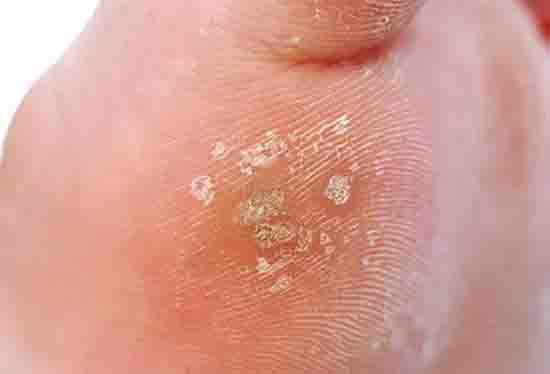 Different strains of HPV cause different kinds of warts, and each type has its own appearance, location, and treatment approach. Some can be managed with over-the-counter remedies, while others require professional medical care. Understanding the signs and symptoms can help you identify the problem early and choose the right treatment. In this guide, you'll discover the six main types of warts, effective home remedies, medical treatments, and situations where seeing a doctor is the best option.What are warts?Warts are noncancerous skin growths caused by infection with the human papillomavirus (HPV). More than 100 HPV strains exist, and different strains are responsible for different types of warts. The virus enters the skin through tiny cuts or scratches and stimulates excessive production of keratin, creating raised, rough bumps.Although warts are usually harmless, they are contagious. Touching a wart, picking at it, or sharing personal items such as towels or nail clippers can spread the virus. Warts may disappear naturally over time, but treatment can speed up recovery and prevent further spread.Common wartsCommon warts, also known as Verruca vulgaris, are the type most people recognize. They usually appear as rough, grainy bumps with a cauliflower-like texture and may contain tiny black dots, which are small clotted blood vessels. These warts are commonly found on fingers, hands, and around fingernails.Children and teenagers are particularly susceptible, although adults can develop them as well. Common warts are usually painless but may become tender if located in areas exposed to frequent friction.Treatment options include salicylic acid products, freezing kits, cryotherapy performed by a dermatologist, and laser therapy. Some people use duct tape or apple cider vinegar as home remedies, but scientific evidence supporting these methods remains limited.Plantar wartsPlantar warts develop on the soles of the feet and are often mistaken for calluses.Unlike other warts, they grow inward because of the pressure exerted while standing and walking. Small black dots are often visible on their surface, and many people describe the sensation as feeling like they are stepping on a pebble.Walking barefoot in public showers, swimming pools, and locker rooms increases the risk of infection. Plantar warts can become painful and interfere with daily activities.Over-the-counter salicylic acid patches are commonly used for treatment. Persistent cases may require cryotherapy, laser treatment, or minor surgical procedures performed by a healthcare professional.Flat wartsFlat warts, known medically as Verruca plana, are smaller and smoother than other wart types. These slightly raised bumps are usually flesh-colored, pink, or yellowish. They commonly appear on the face, neck, arms, and legs. Men often develop them in the beard area, while women may notice them on the legs after shaving.Flat warts tend to occur in clusters and are more common in children and young adults. They are usually painless but may occasionally cause mild irritation or itching.Because facial skin is sensitive, harsh home remedies should be avoided. Dermatologists may recommend prescription creams, cryotherapy, or other specialized treatments depending on their location and severity.Filiform wartsFiliform warts have a distinctive appearance characterized by thin, finger-like projections. They typically develop around the eyes, nose, mouth, and neck. Although they are usually painless, they can become irritating if they rub against clothing, jewelry, or eyeglasses.Due to their location on delicate areas of the face, self-treatment is not recommended. Attempting to remove them at home can lead to scarring or infection.Medical treatments such as cryotherapy, laser therapy, or minor surgical removal are considered the safest and most effective options.Periungual wartsPeriungual warts form around the fingernails and toenails. These rough, irregular growths can interfere with nail growth and sometimes cause the nail plate to become distorted. People who bite their nails or frequently pick at their cuticles have a higher risk of developing this type.Periungual warts can become painful, especially if they spread beneath the nail. They are often difficult to treat and may require several sessions with a dermatologist.Professional treatment is recommended to prevent permanent damage to the nail bed. Cryotherapy, laser procedures, and prescription medications are among the most commonly used treatments.Genital wartsGenital warts are sexually transmitted and are caused by specific strains of HPV. They appear as small flesh-colored, pink, or gray bumps that may be flat or raised. These growths can occur on the genital area, anus, and surrounding skin. Some people experience itching, discomfort, or bleeding during sexual activity, although many cases are painless.Unlike common skin warts, genital warts should always be evaluated by a healthcare professional. Treatment options include prescription creams, cryotherapy, laser therapy, and surgical removal.Vaccination against HPV is highly effective in preventing most cases of genital warts and reducing the risk of certain HPV-related cancers.Home remedies for wartsSeveral home remedies may help eliminate warts, especially common and plantar warts. Salicylic acid products are among the most effective and widely recommended treatments. Soaking the affected area in warm water before application can improve results. Covering the wart with duct tape is another popular approach, although scientific studies show mixed outcomes.Good hygiene practices are equally important. Avoid picking at warts, keep the affected area clean, and do not share towels, razors, or nail tools. Warts on the face, around the nails, or in the genital area should not be treated at home without medical advice.When to see a doctorMost warts are harmless, but some situations require professional evaluation. Seek medical attention if a wart becomes painful, changes in appearance, bleeds frequently, spreads rapidly, or fails to improve after several weeks of home treatment. Warts located on the face, around the nails, or in the genital region should always be examined by a healthcare provider.People with diabetes, poor circulation, or weakened immune systems should consult a doctor before attempting self-treatment. Early diagnosis and proper treatment can prevent complications and improve healing.Warts are common viral skin growths caused by HPV and can affect people of all ages. Common warts, plantar warts, flat warts, filiform warts, periungual warts, and genital warts each have unique characteristics and treatment approaches. While many warts respond well to home remedies and over-the-counter products, some require professional care. Recognizing the symptoms early and seeking appropriate treatment can help prevent discomfort and reduce the risk of spreading the virus to others.
Different strains of HPV cause different kinds of warts, and each type has its own appearance, location, and treatment approach. Some can be managed with over-the-counter remedies, while others require professional medical care. Understanding the signs and symptoms can help you identify the problem early and choose the right treatment. In this guide, you'll discover the six main types of warts, effective home remedies, medical treatments, and situations where seeing a doctor is the best option.What are warts?Warts are noncancerous skin growths caused by infection with the human papillomavirus (HPV). More than 100 HPV strains exist, and different strains are responsible for different types of warts. The virus enters the skin through tiny cuts or scratches and stimulates excessive production of keratin, creating raised, rough bumps.Although warts are usually harmless, they are contagious. Touching a wart, picking at it, or sharing personal items such as towels or nail clippers can spread the virus. Warts may disappear naturally over time, but treatment can speed up recovery and prevent further spread.Common wartsCommon warts, also known as Verruca vulgaris, are the type most people recognize. They usually appear as rough, grainy bumps with a cauliflower-like texture and may contain tiny black dots, which are small clotted blood vessels. These warts are commonly found on fingers, hands, and around fingernails.Children and teenagers are particularly susceptible, although adults can develop them as well. Common warts are usually painless but may become tender if located in areas exposed to frequent friction.Treatment options include salicylic acid products, freezing kits, cryotherapy performed by a dermatologist, and laser therapy. Some people use duct tape or apple cider vinegar as home remedies, but scientific evidence supporting these methods remains limited.Plantar wartsPlantar warts develop on the soles of the feet and are often mistaken for calluses.Unlike other warts, they grow inward because of the pressure exerted while standing and walking. Small black dots are often visible on their surface, and many people describe the sensation as feeling like they are stepping on a pebble.Walking barefoot in public showers, swimming pools, and locker rooms increases the risk of infection. Plantar warts can become painful and interfere with daily activities.Over-the-counter salicylic acid patches are commonly used for treatment. Persistent cases may require cryotherapy, laser treatment, or minor surgical procedures performed by a healthcare professional.Flat wartsFlat warts, known medically as Verruca plana, are smaller and smoother than other wart types. These slightly raised bumps are usually flesh-colored, pink, or yellowish. They commonly appear on the face, neck, arms, and legs. Men often develop them in the beard area, while women may notice them on the legs after shaving.Flat warts tend to occur in clusters and are more common in children and young adults. They are usually painless but may occasionally cause mild irritation or itching.Because facial skin is sensitive, harsh home remedies should be avoided. Dermatologists may recommend prescription creams, cryotherapy, or other specialized treatments depending on their location and severity.Filiform wartsFiliform warts have a distinctive appearance characterized by thin, finger-like projections. They typically develop around the eyes, nose, mouth, and neck. Although they are usually painless, they can become irritating if they rub against clothing, jewelry, or eyeglasses.Due to their location on delicate areas of the face, self-treatment is not recommended. Attempting to remove them at home can lead to scarring or infection.Medical treatments such as cryotherapy, laser therapy, or minor surgical removal are considered the safest and most effective options.Periungual wartsPeriungual warts form around the fingernails and toenails. These rough, irregular growths can interfere with nail growth and sometimes cause the nail plate to become distorted. People who bite their nails or frequently pick at their cuticles have a higher risk of developing this type.Periungual warts can become painful, especially if they spread beneath the nail. They are often difficult to treat and may require several sessions with a dermatologist.Professional treatment is recommended to prevent permanent damage to the nail bed. Cryotherapy, laser procedures, and prescription medications are among the most commonly used treatments.Genital wartsGenital warts are sexually transmitted and are caused by specific strains of HPV. They appear as small flesh-colored, pink, or gray bumps that may be flat or raised. These growths can occur on the genital area, anus, and surrounding skin. Some people experience itching, discomfort, or bleeding during sexual activity, although many cases are painless.Unlike common skin warts, genital warts should always be evaluated by a healthcare professional. Treatment options include prescription creams, cryotherapy, laser therapy, and surgical removal.Vaccination against HPV is highly effective in preventing most cases of genital warts and reducing the risk of certain HPV-related cancers.Home remedies for wartsSeveral home remedies may help eliminate warts, especially common and plantar warts. Salicylic acid products are among the most effective and widely recommended treatments. Soaking the affected area in warm water before application can improve results. Covering the wart with duct tape is another popular approach, although scientific studies show mixed outcomes.Good hygiene practices are equally important. Avoid picking at warts, keep the affected area clean, and do not share towels, razors, or nail tools. Warts on the face, around the nails, or in the genital area should not be treated at home without medical advice.When to see a doctorMost warts are harmless, but some situations require professional evaluation. Seek medical attention if a wart becomes painful, changes in appearance, bleeds frequently, spreads rapidly, or fails to improve after several weeks of home treatment. Warts located on the face, around the nails, or in the genital region should always be examined by a healthcare provider.People with diabetes, poor circulation, or weakened immune systems should consult a doctor before attempting self-treatment. Early diagnosis and proper treatment can prevent complications and improve healing.Warts are common viral skin growths caused by HPV and can affect people of all ages. Common warts, plantar warts, flat warts, filiform warts, periungual warts, and genital warts each have unique characteristics and treatment approaches. While many warts respond well to home remedies and over-the-counter products, some require professional care. Recognizing the symptoms early and seeking appropriate treatment can help prevent discomfort and reduce the risk of spreading the virus to others.