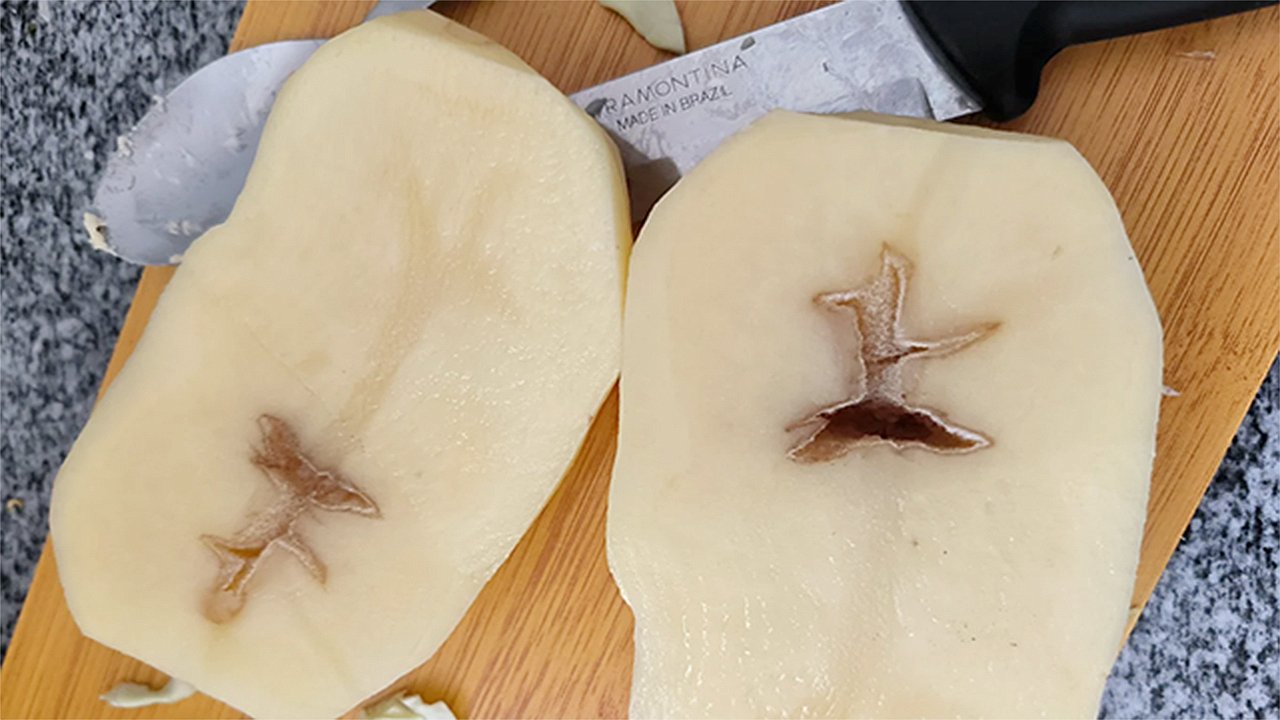
Potatoes are one of the most commonly used ingredients in kitchens around the world, valued for their versatility, long shelf life, and comforting flavor. Because they often look sturdy and reliable on the outside, it can be surprising to cut into one and discover a dark ring, black patch, or unusual discoloration hidden inside. For many people, this sudden change in appearance immediately raises concerns about spoilage, safety, or contamination.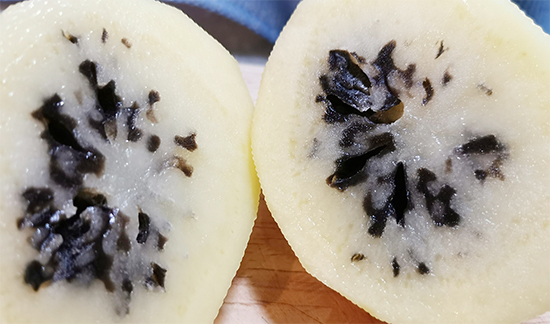 In reality, internal discoloration in potatoes is usually caused by natural or environmental factors rather than anything dangerous. Potatoes are living plant tissues, and they continue to react to stress, temperature, pressure, and storage conditions long after they are harvested. These reactions can create black rings, gray areas, or dark bruises beneath the skin even when the potato appears perfectly normal from the outside.Understanding why potatoes develop black spots inside can help reduce unnecessary food waste and prevent confusion during meal preparation. In many cases, the potato is still safe to use after trimming away the affected section. This article explains the most common causes of black rings in potatoes, how to recognize signs of spoilage, and the best ways to store potatoes to maintain freshness and quality.Why potatoes develop black rings inside
One of the main reasons potatoes develop black rings or dark patches is internal bruising. Although potatoes may feel firm and durable, their inner flesh is sensitive to pressure and impact. During harvesting, transportation, or storage, potatoes can experience bumps, drops, or compression that damage internal tissues without leaving visible marks on the skin.This hidden damage interrupts normal cell function inside the potato. As the injured tissue reacts to stress, it begins to darken over time, creating black, gray, or purplish rings beneath the surface. Because the skin often remains intact, the discoloration usually stays hidden until the potato is cut open.Internal black spots in potatoes are especially common in large batches that have been stacked, transported long distances, or stored under heavy pressure. Even minor impacts can trigger internal bruising that becomes visible days or weeks later.How storage conditions affect potato discoloration
Proper potato storage plays an important role in preventing internal darkening. Potatoes keep best in cool, dry, and ventilated spaces with stable temperatures. When stored incorrectly, chemical and physical changes inside the potato may lead to discoloration.Cold temperatures are a common issue. Storing potatoes in refrigerators or overly cold environments can affect their internal structure and moisture balance. In some cases, poor airflow and low oxygen circulation inside the potato contribute to dark rings or blackened centers.Excess humidity may also increase the risk of internal damage. Damp conditions encourage faster aging and can weaken potato tissue over time. Heat exposure creates additional stress, causing the potato to break down more quickly and increasing the likelihood of discoloration.Light exposure presents another problem. Potatoes exposed to sunlight or artificial light may begin turning green due to chlorophyll production. Green potatoes can contain higher levels of solanine, a natural compound that may cause bitterness and digestive discomfort when consumed in large amounts.When black spots in potatoes are harmless
Finding a dark ring inside a potato does not automatically mean the vegetable is spoiled. In many situations, the affected area is simply cosmetic and can be removed easily before cooking.A potato with internal discoloration is often still usable if it meets several conditions. The potato should remain firm to the touch, smell normal, and show no signs of slime, mold, or widespread decay. If the dark area is localized, trimming away the affected portion is usually enough to prepare the rest safely.Many cooks encounter internal bruising while preparing mashed potatoes, roasted potatoes, fries, or soups. After removing the discolored section, the remaining flesh often tastes completely normal and cooks as expected.Because potatoes naturally vary in color and texture, slight gray or purplish tones are not always signs of poor quality. Oxidation and natural aging can create harmless visual changes that do not significantly affect safety or flavor.Signs a potato should be discarded
Although some discoloration is harmless, certain warning signs indicate a potato should not be eaten. Texture is one of the most important indicators of freshness. A potato that feels soft, mushy, or excessively wrinkled has likely deteriorated beyond normal aging.Strong or unpleasant odors are another sign of spoilage. Fresh potatoes should have a mild earthy smell. Sour, rotten, or musty odors suggest internal decay or bacterial growth.Extensive discoloration throughout the potato can also indicate deeper quality problems. If black, brown, or gray areas spread widely across the flesh, the potato may no longer have good flavor or texture. Visible mold, leaking moisture, or slimy surfaces are additional reasons to discard it.Green coloring should also be taken seriously. While small green spots can sometimes be trimmed away, heavily green potatoes may contain elevated levels of solanine. These potatoes often taste bitter and are best avoided.How potatoes react to stress over time
Potatoes continue changing long after harvest because they remain biologically active. Temperature fluctuations, moisture loss, and physical stress all influence their internal condition. These natural responses explain why discoloration can develop even when potatoes appear normal at first.Oxidation is one example of this process. When potato cells become damaged, enzymes react with oxygen and create darker pigments inside the flesh. This reaction is similar to how apples brown after being sliced.Storage duration also matters. Older potatoes naturally lose moisture and experience gradual tissue breakdown. As the structure weakens, internal darkening becomes more likely, especially if the potatoes were exposed to poor handling or unstable conditions earlier. Understanding these natural changes helps explain why black rings inside potatoes are relatively common and usually not dangerous.How to store potatoes properly for longer freshness
Correct storage is the best way to reduce internal bruising and discoloration. Potatoes should be kept in a cool, dark, and dry location with good airflow. A pantry, cellar, or ventilated cabinet is usually ideal.Avoid storing potatoes in sealed plastic bags because trapped moisture encourages spoilage. Paper bags, mesh containers, or open baskets allow better air circulation and help maintain freshness.Potatoes should also be kept away from onions. Both vegetables release gases and moisture that can accelerate spoilage when stored together.Gentle handling is equally important. Dropping or stacking potatoes too heavily increases the risk of hidden bruising that later develops into black rings or dark spots. By maintaining proper storage conditions and checking potatoes regularly, it becomes much easier to preserve quality and reduce waste.Why appearance alone does not determine potato safety
The appearance of a potato can sometimes be misleading. A dark ring or black spot may look alarming at first, but visual changes alone do not always indicate spoilage or danger. Texture, smell, firmness, and overall condition provide a much more accurate picture of whether a potato is still usable.In most cases, black rings inside potatoes result from bruising, stress, or natural aging rather than contamination. Careful inspection usually reveals whether the potato remains suitable for cooking.Understanding the causes of potato discoloration helps people make informed decisions in the kitchen while avoiding unnecessary waste. With proper storage and simple inspection, many potatoes with minor internal Dark Spots can still be prepared and enjoyed safely.
In reality, internal discoloration in potatoes is usually caused by natural or environmental factors rather than anything dangerous. Potatoes are living plant tissues, and they continue to react to stress, temperature, pressure, and storage conditions long after they are harvested. These reactions can create black rings, gray areas, or dark bruises beneath the skin even when the potato appears perfectly normal from the outside.Understanding why potatoes develop black spots inside can help reduce unnecessary food waste and prevent confusion during meal preparation. In many cases, the potato is still safe to use after trimming away the affected section. This article explains the most common causes of black rings in potatoes, how to recognize signs of spoilage, and the best ways to store potatoes to maintain freshness and quality.Why potatoes develop black rings insideOne of the main reasons potatoes develop black rings or dark patches is internal bruising. Although potatoes may feel firm and durable, their inner flesh is sensitive to pressure and impact. During harvesting, transportation, or storage, potatoes can experience bumps, drops, or compression that damage internal tissues without leaving visible marks on the skin.This hidden damage interrupts normal cell function inside the potato. As the injured tissue reacts to stress, it begins to darken over time, creating black, gray, or purplish rings beneath the surface. Because the skin often remains intact, the discoloration usually stays hidden until the potato is cut open.Internal black spots in potatoes are especially common in large batches that have been stacked, transported long distances, or stored under heavy pressure. Even minor impacts can trigger internal bruising that becomes visible days or weeks later.How storage conditions affect potato discoloration
Proper potato storage plays an important role in preventing internal darkening. Potatoes keep best in cool, dry, and ventilated spaces with stable temperatures. When stored incorrectly, chemical and physical changes inside the potato may lead to discoloration.Cold temperatures are a common issue. Storing potatoes in refrigerators or overly cold environments can affect their internal structure and moisture balance. In some cases, poor airflow and low oxygen circulation inside the potato contribute to dark rings or blackened centers.Excess humidity may also increase the risk of internal damage. Damp conditions encourage faster aging and can weaken potato tissue over time. Heat exposure creates additional stress, causing the potato to break down more quickly and increasing the likelihood of discoloration.Light exposure presents another problem. Potatoes exposed to sunlight or artificial light may begin turning green due to chlorophyll production. Green potatoes can contain higher levels of solanine, a natural compound that may cause bitterness and digestive discomfort when consumed in large amounts.When black spots in potatoes are harmless
Finding a dark ring inside a potato does not automatically mean the vegetable is spoiled. In many situations, the affected area is simply cosmetic and can be removed easily before cooking.A potato with internal discoloration is often still usable if it meets several conditions. The potato should remain firm to the touch, smell normal, and show no signs of slime, mold, or widespread decay. If the dark area is localized, trimming away the affected portion is usually enough to prepare the rest safely.Many cooks encounter internal bruising while preparing mashed potatoes, roasted potatoes, fries, or soups. After removing the discolored section, the remaining flesh often tastes completely normal and cooks as expected.Because potatoes naturally vary in color and texture, slight gray or purplish tones are not always signs of poor quality. Oxidation and natural aging can create harmless visual changes that do not significantly affect safety or flavor.Signs a potato should be discarded
Although some discoloration is harmless, certain warning signs indicate a potato should not be eaten. Texture is one of the most important indicators of freshness. A potato that feels soft, mushy, or excessively wrinkled has likely deteriorated beyond normal aging.Strong or unpleasant odors are another sign of spoilage. Fresh potatoes should have a mild earthy smell. Sour, rotten, or musty odors suggest internal decay or bacterial growth.Extensive discoloration throughout the potato can also indicate deeper quality problems. If black, brown, or gray areas spread widely across the flesh, the potato may no longer have good flavor or texture. Visible mold, leaking moisture, or slimy surfaces are additional reasons to discard it.Green coloring should also be taken seriously. While small green spots can sometimes be trimmed away, heavily green potatoes may contain elevated levels of solanine. These potatoes often taste bitter and are best avoided.How potatoes react to stress over time
Potatoes continue changing long after harvest because they remain biologically active. Temperature fluctuations, moisture loss, and physical stress all influence their internal condition. These natural responses explain why discoloration can develop even when potatoes appear normal at first.Oxidation is one example of this process. When potato cells become damaged, enzymes react with oxygen and create darker pigments inside the flesh. This reaction is similar to how apples brown after being sliced.Storage duration also matters. Older potatoes naturally lose moisture and experience gradual tissue breakdown. As the structure weakens, internal darkening becomes more likely, especially if the potatoes were exposed to poor handling or unstable conditions earlier. Understanding these natural changes helps explain why black rings inside potatoes are relatively common and usually not dangerous.How to store potatoes properly for longer freshness
Correct storage is the best way to reduce internal bruising and discoloration. Potatoes should be kept in a cool, dark, and dry location with good airflow. A pantry, cellar, or ventilated cabinet is usually ideal.Avoid storing potatoes in sealed plastic bags because trapped moisture encourages spoilage. Paper bags, mesh containers, or open baskets allow better air circulation and help maintain freshness.Potatoes should also be kept away from onions. Both vegetables release gases and moisture that can accelerate spoilage when stored together.Gentle handling is equally important. Dropping or stacking potatoes too heavily increases the risk of hidden bruising that later develops into black rings or dark spots. By maintaining proper storage conditions and checking potatoes regularly, it becomes much easier to preserve quality and reduce waste.Why appearance alone does not determine potato safety
The appearance of a potato can sometimes be misleading. A dark ring or black spot may look alarming at first, but visual changes alone do not always indicate spoilage or danger. Texture, smell, firmness, and overall condition provide a much more accurate picture of whether a potato is still usable.In most cases, black rings inside potatoes result from bruising, stress, or natural aging rather than contamination. Careful inspection usually reveals whether the potato remains suitable for cooking.Understanding the causes of potato discoloration helps people make informed decisions in the kitchen while avoiding unnecessary waste. With proper storage and simple inspection, many potatoes with minor internal Dark Spots can still be prepared and enjoyed safely.