Attics are often filled with forgotten memories, old belongings, and objects that have not been touched for years. Because these spaces are usually dark, dusty, and cluttered, even ordinary items can appear unfamiliar or unsettling at first glance. A bent piece of metal, an old decoration covered in cobwebs, or a damaged household object can easily look mysterious when seen out of context. Many people experience surprise or confusion when exploring an attic, especially if they discover something they do not immediately recognize.However, Strange Attic finds are rarely as mysterious as they first seem. In most cases, time, aging, and storage conditions dramatically change the appearance of everyday objects. Dust buildup, moisture damage, fading colors, and warped materials can transform something simple into an object that feels unusual or even alarming. By slowing down and examining the item carefully, it becomes much easier to identify its original purpose.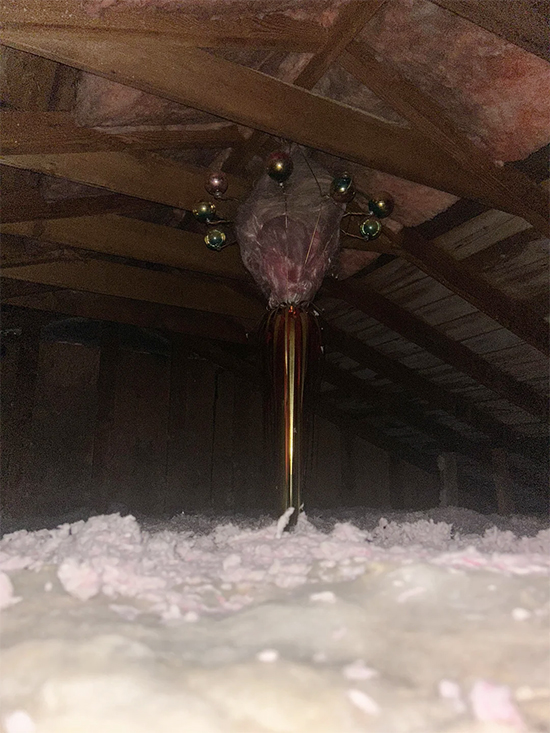 Understanding how to approach these discoveries calmly can help prevent unnecessary fear or misunderstanding. This guide explains how to identify unusual attic objects, why familiar things can seem strange over time, and what steps to take before making assumptions about what you have found.Why attic objects often look unfamiliar
Attics create an environment where ordinary items slowly lose their recognizable appearance. Limited lighting can distort shapes and shadows, while years of dust accumulation hide important details. Materials such as plastic, wood, rubber, and fabric also change over time, especially when exposed to heat and humidity.An object that once looked clean and functional may become cracked, faded, bent, or partially broken after decades in storage. These changes often remove the visual clues people rely on for quick identification. A damaged lamp part, old kitchen tool, or decorative ornament may no longer resemble its original form.The human brain naturally tries to fill in missing information when something appears unclear. This is why people sometimes imagine dramatic explanations for simple objects. In reality, most strange attic finds turn out to be forgotten household items, storage pieces, or broken equipment that simply aged in unusual ways.How to examine a strange attic find safely
Before touching an unknown object, it is important to approach the situation carefully. Old attics can contain dust, mold, sharp materials, or fragile items that may break easily. Wearing gloves and using proper lighting can help you inspect the object more safely and clearly.Start by looking at the item from several angles. Many objects appear confusing from one perspective but become easier to recognize when turned or repositioned. Pay close attention to details such as screws, handles, wires, fabric patterns, or labels. These small features often reveal the object's original function.It can also help to separate the item from surrounding clutter. Objects stored together for years may become tangled or partially hidden beneath other materials. Once isolated, the shape and structure usually become more recognizable.If the item still seems unfamiliar, compare it to common attic storage categories such as holiday decorations, old tools, appliance parts, toys, or furniture pieces. Most unidentified attic objects fall into one of these groups.Common attic items people often misidentify
Many household objects become surprisingly difficult to recognize after long periods in storage. One common example is old holiday decorations. Artificial plants, damaged ornaments, and faded seasonal displays can appear strange once their original colors and shapes deteriorate.Broken appliance components are another frequent source of confusion. Vacuum cleaner attachments, outdated electronics, and fan parts often lose their recognizable appearance when disconnected from the main device. Without context, these pieces may look unusual or unfamiliar.Old clothing accessories and fashion items can also become misleading over time. Vintage hats, shoe inserts, belts, or sewing tools sometimes appear mysterious because modern designs have changed significantly over the years.Furniture pieces are especially easy to misinterpret when partially damaged. Decorative wooden carvings, detached chair legs, or antique hardware may seem unusual until examined more carefully. In many cases, the object only appears strange because it is incomplete or worn down.Why time changes the appearance of stored objects
Time has a powerful effect on materials kept in attic environments. Heat causes plastics and rubber to warp or melt slightly, while moisture can weaken wood and fabric. Dust layers dull colors and soften visible details, making identification more difficult.Insects, rodents, and natural decay can further alter an object's appearance. Fabric may become torn, paper may yellow, and metal surfaces can rust or discolor. These gradual changes often transform ordinary objects into unfamiliar shapes that no longer resemble their original design.Lighting also plays a major role in perception. Dim attic conditions create shadows that exaggerate shapes and textures. Something harmless may appear dramatic simply because it is partially hidden or poorly illuminated.Understanding these environmental effects helps explain why so many attic discoveries seem mysterious at first. Once people recognize how storage conditions distort appearance, unusual finds become far easier to evaluate calmly.How curiosity helps avoid false assumptions
When people encounter unfamiliar objects, the first reaction is often emotional rather than logical. Surprise and uncertainty can quickly lead to exaggerated conclusions. However, approaching strange attic finds with curiosity instead of fear usually leads to a simple explanation.Taking photographs in better lighting, searching for identifying marks, or asking older family members about stored belongings can provide valuable context. Many forgotten objects become understandable once their history is explained.It is also helpful to remember that attics often contain items from different decades. Designs, materials, and household products from the past may look unusual compared to modern versions. What seems strange today may have once been a completely normal household object. Curiosity encourages observation and patience, both of which are important when identifying unfamiliar attic items accurately.What to do if an attic object still cannot be identified
Sometimes an object remains difficult to identify even after careful examination. In these situations, documenting the item clearly can help. Taking multiple photographs from different angles and noting its size, material, and condition can make research easier.Online communities focused on antiques, vintage tools, and household collectibles are often useful for identification. Many people specialize in recognizing forgotten items from earlier decades and can quickly explain an object's purpose.If the item appears potentially hazardous, such as an unknown chemical container or damaged electrical component, it is best to avoid handling it unnecessarily. Professional guidance may be appropriate for items involving safety concerns.Most importantly, avoid assuming the worst simply because something looks unusual. Strange attic finds are usually ordinary objects altered by age, dust, and time. Careful observation and patience almost always reveal a practical explanation.
Understanding how to approach these discoveries calmly can help prevent unnecessary fear or misunderstanding. This guide explains how to identify unusual attic objects, why familiar things can seem strange over time, and what steps to take before making assumptions about what you have found.Why attic objects often look unfamiliarAttics create an environment where ordinary items slowly lose their recognizable appearance. Limited lighting can distort shapes and shadows, while years of dust accumulation hide important details. Materials such as plastic, wood, rubber, and fabric also change over time, especially when exposed to heat and humidity.An object that once looked clean and functional may become cracked, faded, bent, or partially broken after decades in storage. These changes often remove the visual clues people rely on for quick identification. A damaged lamp part, old kitchen tool, or decorative ornament may no longer resemble its original form.The human brain naturally tries to fill in missing information when something appears unclear. This is why people sometimes imagine dramatic explanations for simple objects. In reality, most strange attic finds turn out to be forgotten household items, storage pieces, or broken equipment that simply aged in unusual ways.How to examine a strange attic find safely
Before touching an unknown object, it is important to approach the situation carefully. Old attics can contain dust, mold, sharp materials, or fragile items that may break easily. Wearing gloves and using proper lighting can help you inspect the object more safely and clearly.Start by looking at the item from several angles. Many objects appear confusing from one perspective but become easier to recognize when turned or repositioned. Pay close attention to details such as screws, handles, wires, fabric patterns, or labels. These small features often reveal the object's original function.It can also help to separate the item from surrounding clutter. Objects stored together for years may become tangled or partially hidden beneath other materials. Once isolated, the shape and structure usually become more recognizable.If the item still seems unfamiliar, compare it to common attic storage categories such as holiday decorations, old tools, appliance parts, toys, or furniture pieces. Most unidentified attic objects fall into one of these groups.Common attic items people often misidentify
Many household objects become surprisingly difficult to recognize after long periods in storage. One common example is old holiday decorations. Artificial plants, damaged ornaments, and faded seasonal displays can appear strange once their original colors and shapes deteriorate.Broken appliance components are another frequent source of confusion. Vacuum cleaner attachments, outdated electronics, and fan parts often lose their recognizable appearance when disconnected from the main device. Without context, these pieces may look unusual or unfamiliar.Old clothing accessories and fashion items can also become misleading over time. Vintage hats, shoe inserts, belts, or sewing tools sometimes appear mysterious because modern designs have changed significantly over the years.Furniture pieces are especially easy to misinterpret when partially damaged. Decorative wooden carvings, detached chair legs, or antique hardware may seem unusual until examined more carefully. In many cases, the object only appears strange because it is incomplete or worn down.Why time changes the appearance of stored objects
Time has a powerful effect on materials kept in attic environments. Heat causes plastics and rubber to warp or melt slightly, while moisture can weaken wood and fabric. Dust layers dull colors and soften visible details, making identification more difficult.Insects, rodents, and natural decay can further alter an object's appearance. Fabric may become torn, paper may yellow, and metal surfaces can rust or discolor. These gradual changes often transform ordinary objects into unfamiliar shapes that no longer resemble their original design.Lighting also plays a major role in perception. Dim attic conditions create shadows that exaggerate shapes and textures. Something harmless may appear dramatic simply because it is partially hidden or poorly illuminated.Understanding these environmental effects helps explain why so many attic discoveries seem mysterious at first. Once people recognize how storage conditions distort appearance, unusual finds become far easier to evaluate calmly.How curiosity helps avoid false assumptions
When people encounter unfamiliar objects, the first reaction is often emotional rather than logical. Surprise and uncertainty can quickly lead to exaggerated conclusions. However, approaching strange attic finds with curiosity instead of fear usually leads to a simple explanation.Taking photographs in better lighting, searching for identifying marks, or asking older family members about stored belongings can provide valuable context. Many forgotten objects become understandable once their history is explained.It is also helpful to remember that attics often contain items from different decades. Designs, materials, and household products from the past may look unusual compared to modern versions. What seems strange today may have once been a completely normal household object. Curiosity encourages observation and patience, both of which are important when identifying unfamiliar attic items accurately.What to do if an attic object still cannot be identified
Sometimes an object remains difficult to identify even after careful examination. In these situations, documenting the item clearly can help. Taking multiple photographs from different angles and noting its size, material, and condition can make research easier.Online communities focused on antiques, vintage tools, and household collectibles are often useful for identification. Many people specialize in recognizing forgotten items from earlier decades and can quickly explain an object's purpose.If the item appears potentially hazardous, such as an unknown chemical container or damaged electrical component, it is best to avoid handling it unnecessarily. Professional guidance may be appropriate for items involving safety concerns.Most importantly, avoid assuming the worst simply because something looks unusual. Strange attic finds are usually ordinary objects altered by age, dust, and time. Careful observation and patience almost always reveal a practical explanation.