Hidden Rainforest Discovered Beneath Antarctic Ice
This finding suggests that the frozen continent, now one of the coldest and driest places on Earth, was once covered by lush, temperate forests approximately 90 million years ago.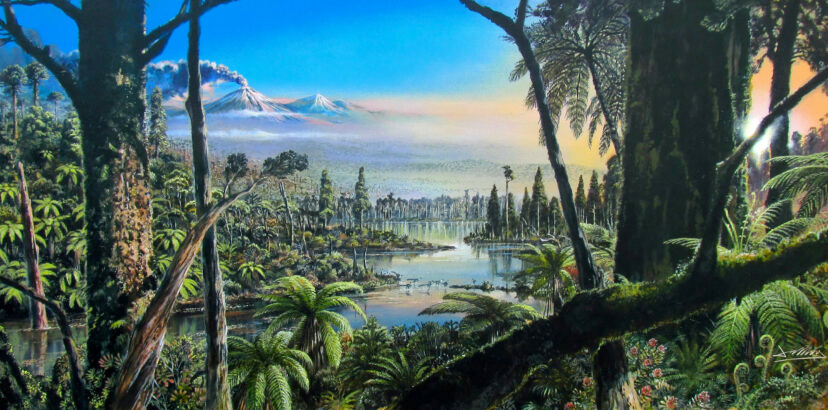 A Glimpse into the Mid-Cretaceous Period
The rainforest is believed to have thrived during the mid-Cretaceous period, a time that began roughly 145 million years ago and is recognized as the warmest era in the past 140 million years. During this period, global sea levels were an astonishing 170 meters higher than today.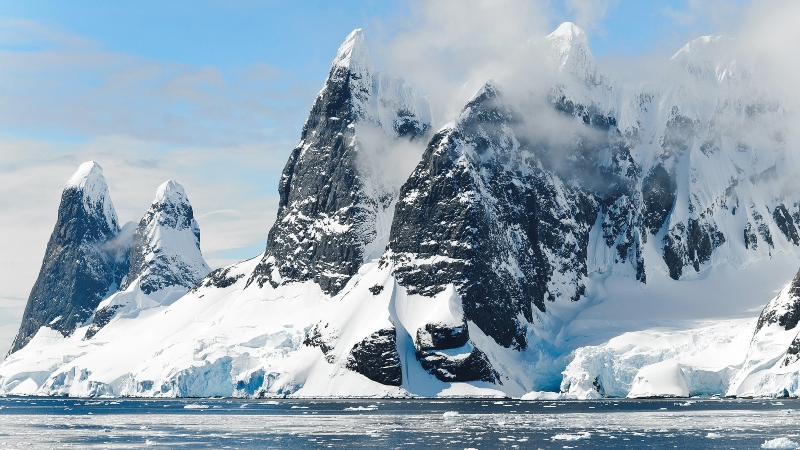 The revelation came from a sediment core extracted in 2017 from the seabed near Pine Island Glacier in West Antarctica. At the time, little was known about environmental conditions south of the Antarctic Polar Circle, making this discovery particularly significant.Evidence of a Dense Temperate Forest
Dr. Johann Klages, lead author of the study and a geologist at the Alfred Wegener Institute Helmholtz Centre for Polar and Marine Research in Germany, explained that the initial analysis of the sediment core quickly raised curiosity:"The unusual coloration of the sediment layer immediately caught our attention as it differed from layers above it. What was truly fascinating was the abundance of well-preserved fossil pollen and plant remains dating back around 90 million years near the South Pole. This suggests that West Antarctica’s coastline was once a dense, swampy rainforest similar to today’s New Zealand forests," Klages stated.Reconstructing Antarctica’s Prehistoric Climate
Through CT scanning, scientists discovered that ancient plant roots extended far deeper than expected. Using this evidence, researchers reconstructed the past environment, revealing that just 500 miles from the South Pole, Antarctica had a surprisingly mild climate with an average annual temperature of 12°C (54°F) and summer peaks of around 19°C (66°F).Modern Antarctica, by comparison, experiences frigid average temperatures between -10°C and -60°C (14°F to -76°F). The study also showed that precipitation levels 90 million years ago were comparable to present-day Wales, whereas the continent today has extremely low humidity and minimal cloud cover.Elevated CO2 Levels Shaped Ancient Climate
Professor Gerrit Lohmann, co-author and climate modeller at the Alfred Wegener Institute, explained that atmospheric carbon dioxide levels during this period were significantly higher than previously estimated."Before this study, scientists assumed that global CO2 concentrations during the Cretaceous were around 1000 ppm. However, our climate models indicate that it required levels between 1120 and 1680 ppm to sustain such mild Antarctic conditions," Lohmann said.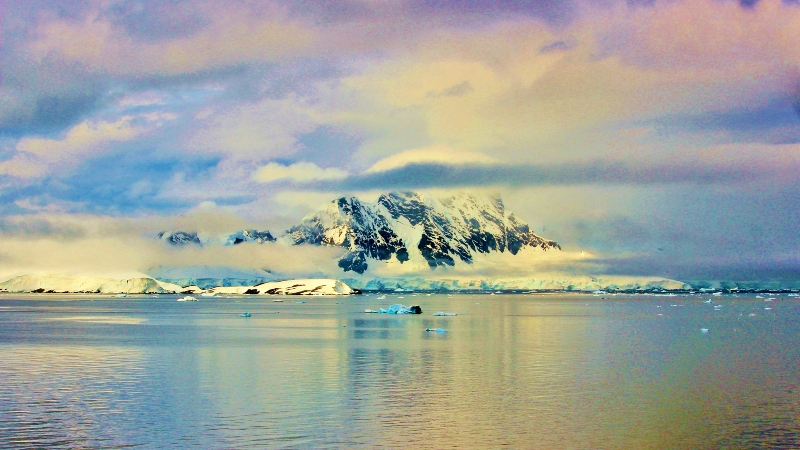 For comparison, readings from the Mauna Loa Observatory in Hawaii recorded 415.26 ppm in May of last year — the highest level since humans evolved, but still dramatically lower than ancient levels.Unlocking Antarctica’s Climate History
This remarkable discovery challenges long-standing assumptions about Earth’s climate history and highlights how drastically Antarctica’s environment has changed. Scientists now aim to better understand the processes that transformed the once-lush rainforest into the icy desert it is today, offering crucial insights into past and future climate change.
This finding suggests that the frozen continent, now one of the coldest and driest places on Earth, was once covered by lush, temperate forests approximately 90 million years ago.
A Glimpse into the Mid-Cretaceous PeriodThe rainforest is believed to have thrived during the mid-Cretaceous period, a time that began roughly 145 million years ago and is recognized as the warmest era in the past 140 million years. During this period, global sea levels were an astonishing 170 meters higher than today.
The revelation came from a sediment core extracted in 2017 from the seabed near Pine Island Glacier in West Antarctica. At the time, little was known about environmental conditions south of the Antarctic Polar Circle, making this discovery particularly significant.Evidence of a Dense Temperate ForestDr. Johann Klages, lead author of the study and a geologist at the Alfred Wegener Institute Helmholtz Centre for Polar and Marine Research in Germany, explained that the initial analysis of the sediment core quickly raised curiosity:"The unusual coloration of the sediment layer immediately caught our attention as it differed from layers above it. What was truly fascinating was the abundance of well-preserved fossil pollen and plant remains dating back around 90 million years near the South Pole. This suggests that West Antarctica’s coastline was once a dense, swampy rainforest similar to today’s New Zealand forests," Klages stated.Reconstructing Antarctica’s Prehistoric Climate
Through CT scanning, scientists discovered that ancient plant roots extended far deeper than expected. Using this evidence, researchers reconstructed the past environment, revealing that just 500 miles from the South Pole, Antarctica had a surprisingly mild climate with an average annual temperature of 12°C (54°F) and summer peaks of around 19°C (66°F).Modern Antarctica, by comparison, experiences frigid average temperatures between -10°C and -60°C (14°F to -76°F). The study also showed that precipitation levels 90 million years ago were comparable to present-day Wales, whereas the continent today has extremely low humidity and minimal cloud cover.Elevated CO2 Levels Shaped Ancient Climate
Professor Gerrit Lohmann, co-author and climate modeller at the Alfred Wegener Institute, explained that atmospheric carbon dioxide levels during this period were significantly higher than previously estimated."Before this study, scientists assumed that global CO2 concentrations during the Cretaceous were around 1000 ppm. However, our climate models indicate that it required levels between 1120 and 1680 ppm to sustain such mild Antarctic conditions," Lohmann said.
For comparison, readings from the Mauna Loa Observatory in Hawaii recorded 415.26 ppm in May of last year — the highest level since humans evolved, but still dramatically lower than ancient levels.Unlocking Antarctica’s Climate HistoryThis remarkable discovery challenges long-standing assumptions about Earth’s climate history and highlights how drastically Antarctica’s environment has changed. Scientists now aim to better understand the processes that transformed the once-lush rainforest into the icy desert it is today, offering crucial insights into past and future climate change.