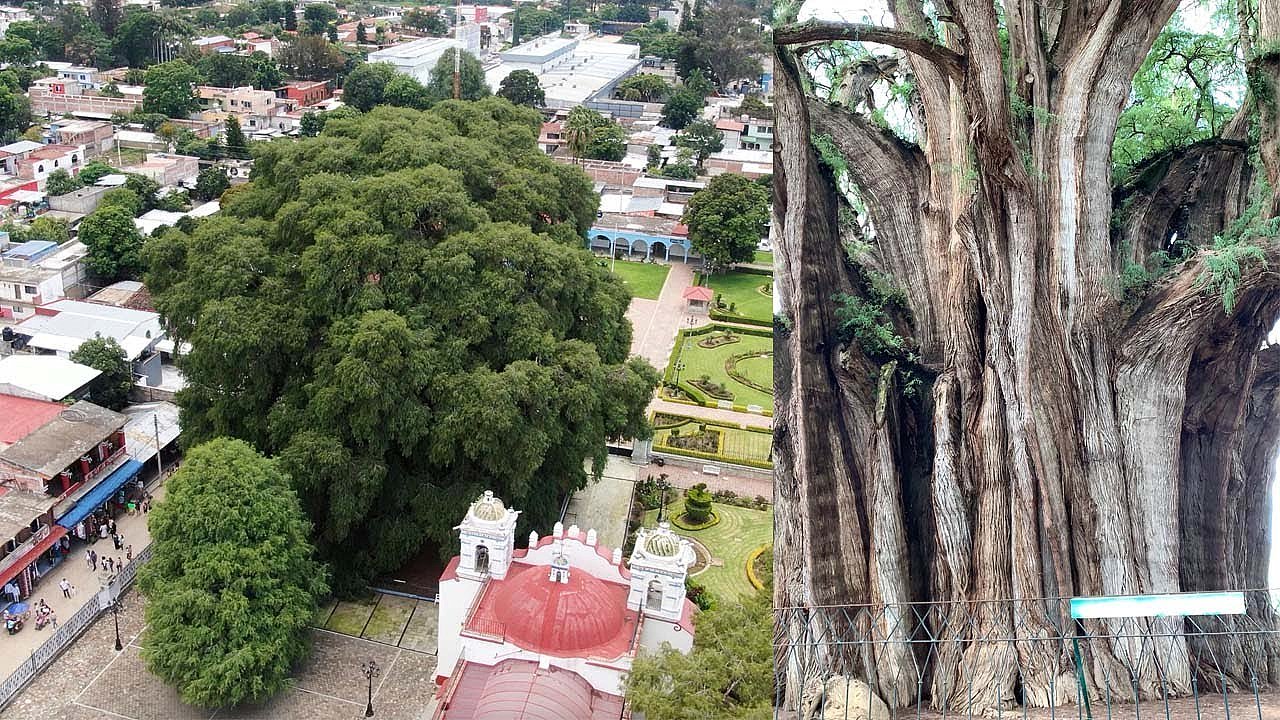
El Árbol del Tule, commonly known as the Tule Tree, is one of the most extraordinary natural wonders in the world. Located in the small town of Santa María del Tule near Oaxaca City, this ancient Montezuma cypress has captured global attention for having the thickest tree trunk ever recorded. Estimated to be around 2,000 years old, the tree is not only a biological marvel but also a cultural, historical, and economic cornerstone for the local community. Its sheer size challenges common ideas of what a tree can be, while its longevity connects the present day to civilizations that existed long before modern Mexico. Visitors are drawn by curiosity, awe, and a sense of humility when standing before a living organism that has witnessed centuries of human history. This article explores the Tule Tree’s remarkable dimensions, scientific significance, cultural value, and why it continues to grow and inspire.Origins and location of the Tule Tree
The Tule Tree stands in the church courtyard of Santa María del Tule, a quiet town located about ten kilometers east of Oaxaca City in southern Mexico. This region is known for its rich biodiversity and deep indigenous roots, making it a fitting home for such an ancient tree. The species, Taxodium mucronatum, is commonly called the Montezuma cypress and is native to Mexico and parts of Central America. According to local tradition, the tree was planted around the year 200 CE by a priest of the ancient Zapotec civilization. While this origin story cannot be proven with certainty, scientific estimates of the tree’s age support the idea that it has been growing for nearly two millennia. Its placement next to a church built centuries later highlights how human settlements have formed and evolved around this natural landmark rather than replacing it.Astonishing size and world record trunk
What truly sets the Tule Tree apart is its massive trunk. With a circumference of approximately 42 meters, it holds the world record for the thickest tree trunk. To put this into perspective, it takes around thirty adults holding hands with arms outstretched to encircle it fully. This astonishing girth has made the tree famous among botanists, travelers, and record keepers alike.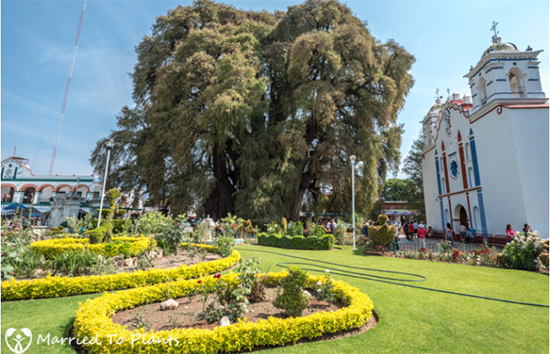 For many years, scientists believed the trunk might actually be the result of several trees that had grown together over time. However, modern DNA testing confirmed that El Árbol del Tule is a single tree with one genetic identity. Its trunk appears sculpted and uneven, with natural bulges and grooves that many visitors interpret as shapes resembling animals or faces, adding to its mystique and appeal.Height, growth, and biological resilience
In addition to its thickness, the Tule Tree is also impressively tall, reaching a height of over 35 meters. It towers above the nearby Church of Santa María del Tule, creating a striking contrast between human architecture and natural grandeur. Despite its advanced age, the tree is still alive and continuing to grow, a testament to the resilience of the Montezuma cypress species.The tree thrives thanks to underground water sources and careful conservation efforts. Its extensive root system allows it to access moisture even during dry seasons, which is crucial in a region that can experience periods of drought. Ongoing monitoring by environmental specialists ensures that soil compaction, pollution, and excessive tourism do not threaten its long-term health.Cultural and historical significance
El Árbol del Tule is more than a botanical curiosity; it is a symbol of identity for the people of Santa María del Tule. Often referred to as the “tree of life,” it plays a central role in local traditions, festivals, and storytelling. For generations, residents have grown up with the tree as a constant presence, marking the passage of time and community history.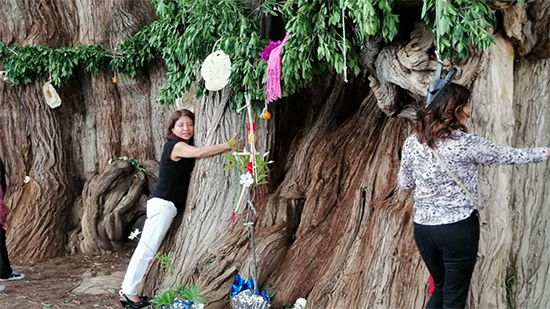 Its age places it among the oldest living trees in the world, meaning it was already ancient during the height of the Roman Empire. This connection to deep history gives the Tule Tree a near-mythical status and reinforces its importance as a living monument rather than a relic of the past.Tourism and economic importance
The Tule Tree is one of the most visited natural attractions in Oaxaca, drawing thousands of tourists each year. Visitors from around the world travel to see the world’s thickest tree trunk in person, often combining the trip with a visit to Oaxaca City’s markets, ruins, and cultural sites.Tourism related to the tree supports a significant portion of the local economy. It is estimated that up to three quarters of the town’s residents rely directly or indirectly on visitors, through entrance fees, guided tours, handicraft sales, and local food businesses. This economic dependence has encouraged strong community involvement in conservation and sustainable tourism practices.Conservation and future outlook
Protecting a 2,000-year-old tree is a complex task. Local authorities, environmental organizations, and residents work together to preserve El Árbol del Tule for future generations. Measures include limiting vehicle access nearby, managing foot traffic around the roots, and educating visitors about respectful behavior.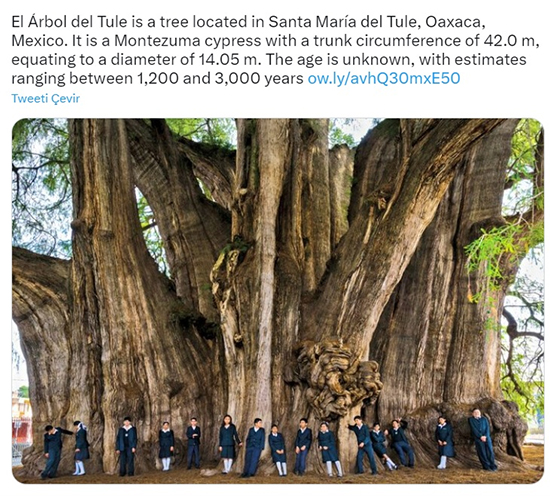 Climate change presents new challenges, such as altered rainfall patterns and rising temperatures. However, the Tule Tree has survived countless environmental changes over the centuries. With continued care and awareness, this ancient Montezuma cypress is expected to remain a living symbol of Mexico’s natural heritage, still growing and inspiring awe in all who stand beneath its vast canopy.
The Tule Tree stands in the church courtyard of Santa María del Tule, a quiet town located about ten kilometers east of Oaxaca City in southern Mexico. This region is known for its rich biodiversity and deep indigenous roots, making it a fitting home for such an ancient tree. The species, Taxodium mucronatum, is commonly called the Montezuma cypress and is native to Mexico and parts of Central America.
According to local tradition, the tree was planted around the year 200 CE by a priest of the ancient Zapotec civilization. While this origin story cannot be proven with certainty, scientific estimates of the tree’s age support the idea that it has been growing for nearly two millennia. Its placement next to a church built centuries later highlights how human settlements have formed and evolved around this natural landmark rather than replacing it.Astonishing size and world record trunkWhat truly sets the Tule Tree apart is its massive trunk. With a circumference of approximately 42 meters, it holds the world record for the thickest tree trunk. To put this into perspective, it takes around thirty adults holding hands with arms outstretched to encircle it fully. This astonishing girth has made the tree famous among botanists, travelers, and record keepers alike.
For many years, scientists believed the trunk might actually be the result of several trees that had grown together over time. However, modern DNA testing confirmed that El Árbol del Tule is a single tree with one genetic identity. Its trunk appears sculpted and uneven, with natural bulges and grooves that many visitors interpret as shapes resembling animals or faces, adding to its mystique and appeal.Height, growth, and biological resilienceIn addition to its thickness, the Tule Tree is also impressively tall, reaching a height of over 35 meters. It towers above the nearby Church of Santa María del Tule, creating a striking contrast between human architecture and natural grandeur. Despite its advanced age, the tree is still alive and continuing to grow, a testament to the resilience of the Montezuma cypress species.The tree thrives thanks to underground water sources and careful conservation efforts. Its extensive root system allows it to access moisture even during dry seasons, which is crucial in a region that can experience periods of drought. Ongoing monitoring by environmental specialists ensures that soil compaction, pollution, and excessive tourism do not threaten its long-term health.Cultural and historical significance
El Árbol del Tule is more than a botanical curiosity; it is a symbol of identity for the people of Santa María del Tule. Often referred to as the “tree of life,” it plays a central role in local traditions, festivals, and storytelling. For generations, residents have grown up with the tree as a constant presence, marking the passage of time and community history.
Its age places it among the oldest living trees in the world, meaning it was already ancient during the height of the Roman Empire. This connection to deep history gives the Tule Tree a near-mythical status and reinforces its importance as a living monument rather than a relic of the past.Tourism and economic importanceThe Tule Tree is one of the most visited natural attractions in Oaxaca, drawing thousands of tourists each year. Visitors from around the world travel to see the world’s thickest tree trunk in person, often combining the trip with a visit to Oaxaca City’s markets, ruins, and cultural sites.Tourism related to the tree supports a significant portion of the local economy. It is estimated that up to three quarters of the town’s residents rely directly or indirectly on visitors, through entrance fees, guided tours, handicraft sales, and local food businesses. This economic dependence has encouraged strong community involvement in conservation and sustainable tourism practices.Conservation and future outlook
Protecting a 2,000-year-old tree is a complex task. Local authorities, environmental organizations, and residents work together to preserve El Árbol del Tule for future generations. Measures include limiting vehicle access nearby, managing foot traffic around the roots, and educating visitors about respectful behavior.
Climate change presents new challenges, such as altered rainfall patterns and rising temperatures. However, the Tule Tree has survived countless environmental changes over the centuries. With continued care and awareness, this ancient Montezuma cypress is expected to remain a living symbol of Mexico’s natural heritage, still growing and inspiring awe in all who stand beneath its vast canopy.