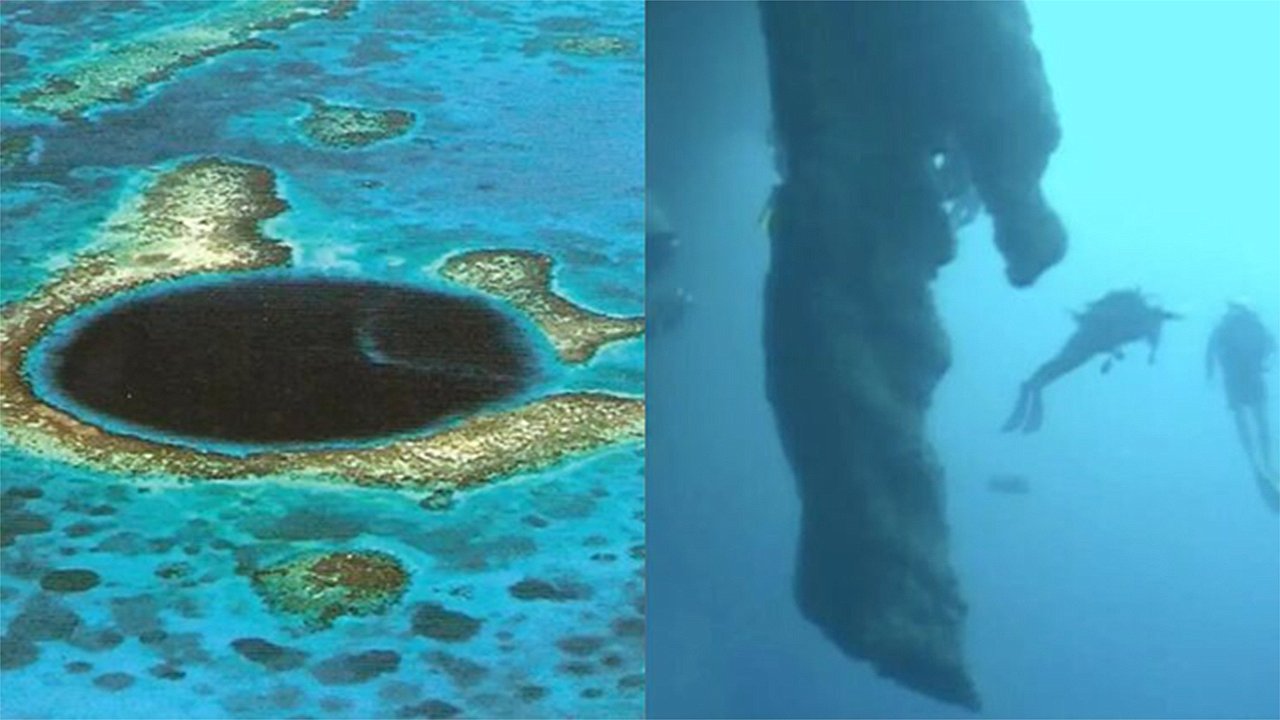
The Great Blue Hole off the coast of Belize has long been considered one of the most breathtaking and mysterious dive sites in the world. With its perfectly circular shape and deep indigo waters, it attracts divers, scientists, and adventure seekers eager to explore its hidden depths. Yet when a team of researchers finally reached the bottom of this massive underwater sinkhole, what they discovered was both fascinating and deeply unsettling. From toxic gas layers and plastic pollution to the remains of missing divers and ancient submerged caves, the findings revealed more than geological wonders. They exposed powerful evidence of environmental change and the lasting impact of human activity on even the most remote natural landmarks. As interest in extreme diving and ocean exploration grows, the story of the Great Blue Hole serves as both a scientific breakthrough and a sobering reminder of our planet’s fragility.The great blue hole: a natural wonder of Belize
Located approximately 60 miles off the coast of mainland Belize, the Great Blue Hole is part of the Belize Barrier Reef Reserve System, a UNESCO World Heritage Site. Measuring over 1,000 feet across and about 400 feet deep, it is one of the largest marine sinkholes on Earth.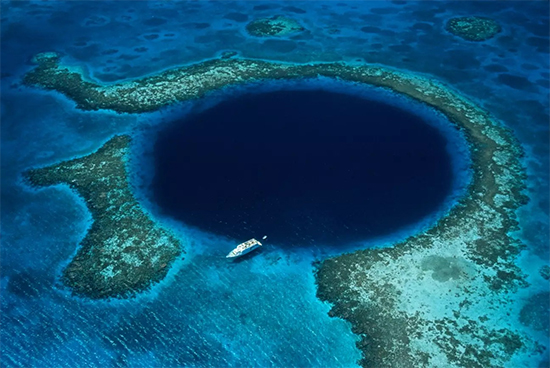 The formation began thousands of years ago during the last Ice Age, when sea levels were much lower. At that time, the area was dry land, and limestone caves formed through natural geological processes. As glaciers melted and sea levels rose, the caves flooded and eventually collapsed, creating the massive circular sinkhole we see today.The deep blue color, visible even from the air, comes from the depth of the water and the lack of light reflection compared to the surrounding shallow reef. This striking appearance has made the Great Blue Hole a bucket-list destination for scuba diving enthusiasts worldwide.The challenging descent to 400 feet
Reaching the bottom of the Great Blue Hole is no ordinary dive. At nearly 400 feet deep, it exceeds the safe limits of recreational scuba diving. Specialized equipment, technical diving skills, or submersibles are required to explore its deepest sections.In 2018, an ambitious expedition led by Fabien Cousteau and supported by entrepreneur Richard Branson used advanced submarines to descend into the depths. As they passed beyond 100 feet, sunlight began to fade. By 300 feet, they encountered a thick layer of hydrogen sulphide, a toxic gas created by decomposing organic material in oxygen-poor environments.This hydrogen sulphide layer forms a cloudy, almost milky barrier that separates oxygen-rich upper waters from the lifeless zone below. Beneath this layer, the environment becomes dark, silent, and largely devoid of marine life. The conditions are extreme and inhospitable, adding to the sense of mystery surrounding the underwater sinkhole.The disturbing discovery at the bottom
When the expedition finally reached the bottom of the Great Blue Hole, they encountered a scene that was both historically significant and emotionally heavy. Among the rocky seabed and sediment, they discovered the remains of two divers who had previously gone missing while exploring the site.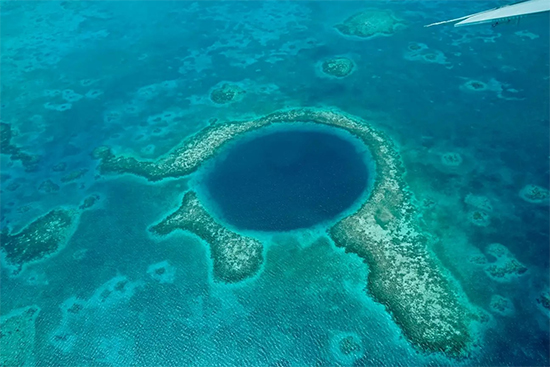 The presence of human remains at such depth highlights the real dangers of deep-sea diving and technical exploration. The team chose not to disturb the bodies, considering the location a final resting place. However, they documented the discovery and informed the Belize government to ensure proper acknowledgment and respect.In addition to the remains, the team also observed plastic debris and other waste materials scattered across the ocean floor. Even in this remote marine environment, evidence of global plastic pollution was impossible to ignore. The discovery reinforced growing concerns about the reach of human impact on ocean ecosystems.Submerged caves and ancient stalactites
Beyond the unsettling discoveries, the expedition uncovered extraordinary geological features. The submersibles revealed a network of underwater caves adorned with massive stalactites hanging from the ceilings.Stalactites typically form in dry caves as mineral-rich water drips from the ceiling, leaving behind deposits of calcium carbonate. Their presence inside the Great Blue Hole confirms that these caves once existed above sea level. This provides powerful evidence of dramatic shifts in sea levels over thousands of years.For climate scientists and geologists, these formations are more than beautiful structures. They are historical records, offering clues about past climate conditions and changes in global sea levels. The underwater caves serve as a reminder that Earth’s climate has shifted before, but today’s rapid warming trend is largely driven by human activity.What the great blue hole reveals about climate change
The Great Blue Hole is more than a popular diving destination. It is a natural archive of environmental history. The submerged cave systems and limestone formations demonstrate how rising sea levels transformed dry land into a marine sinkhole.As global temperatures rise and polar ice continues to melt, sea levels are increasing at an accelerated pace. Coastal communities around the world face growing risks from flooding and erosion. The Great Blue Hole stands as a visual representation of what long-term sea level rise can do to landscapes.Richard Branson described the site as a powerful symbol of climate change awareness. The expedition’s findings connect ocean exploration with environmental responsibility. The hidden depths of the Blue Hole reveal both natural beauty and urgent warning signs.The impact of human activity on remote ecosystems
One of the most troubling aspects of the expedition was the discovery of plastic waste at such depths. Marine pollution has become a global crisis, affecting coral reefs, marine animals, and even deep-sea environments.The Belize Barrier Reef is one of the most diverse marine ecosystems in the world. However, coral bleaching, warming waters, and pollution threaten its survival. The presence of debris inside the Great Blue Hole demonstrates that no part of the ocean is truly untouched.This discovery emphasizes the importance of sustainable tourism, responsible diving practices, and global efforts to reduce plastic waste. Protecting natural wonders like the Great Blue Hole requires coordinated conservation strategies and public awareness.Why the great blue hole continues to fascinate explorers
Despite its dangers and unsettling discoveries, the Great Blue Hole remains one of the most iconic dive sites on the planet. Its dramatic vertical walls, deep blue waters, and geological history continue to attract scientists and adventure seekers.Modern technology now allows researchers to explore extreme underwater environments more safely than ever before. Each expedition uncovers new information about marine geology, climate history, and ocean ecology.At the same time, the discoveries at the bottom of the Great Blue Hole remind us that exploration often reveals uncomfortable truths. Human remains, plastic pollution, and evidence of climate change all converge in this single, powerful location.The Great Blue Hole is not just a natural wonder of Belize. It is a symbol of Earth’s changing environment and humanity’s connection to it. As divers descend into its mysterious depths, they uncover not only geological marvels but also urgent lessons about conservation, responsibility, and the future of our oceans.
Located approximately 60 miles off the coast of mainland Belize, the Great Blue Hole is part of the Belize Barrier Reef Reserve System, a UNESCO World Heritage Site. Measuring over 1,000 feet across and about 400 feet deep, it is one of the largest marine sinkholes on Earth.
The formation began thousands of years ago during the last Ice Age, when sea levels were much lower. At that time, the area was dry land, and limestone caves formed through natural geological processes. As glaciers melted and sea levels rose, the caves flooded and eventually collapsed, creating the massive circular sinkhole we see today.The deep blue color, visible even from the air, comes from the depth of the water and the lack of light reflection compared to the surrounding shallow reef. This striking appearance has made the Great Blue Hole a bucket-list destination for scuba diving enthusiasts worldwide.The challenging descent to 400 feetReaching the bottom of the Great Blue Hole is no ordinary dive. At nearly 400 feet deep, it exceeds the safe limits of recreational scuba diving. Specialized equipment, technical diving skills, or submersibles are required to explore its deepest sections.In 2018, an ambitious expedition led by Fabien Cousteau and supported by entrepreneur Richard Branson used advanced submarines to descend into the depths. As they passed beyond 100 feet, sunlight began to fade. By 300 feet, they encountered a thick layer of hydrogen sulphide, a toxic gas created by decomposing organic material in oxygen-poor environments.This hydrogen sulphide layer forms a cloudy, almost milky barrier that separates oxygen-rich upper waters from the lifeless zone below. Beneath this layer, the environment becomes dark, silent, and largely devoid of marine life. The conditions are extreme and inhospitable, adding to the sense of mystery surrounding the underwater sinkhole.The disturbing discovery at the bottom
When the expedition finally reached the bottom of the Great Blue Hole, they encountered a scene that was both historically significant and emotionally heavy. Among the rocky seabed and sediment, they discovered the remains of two divers who had previously gone missing while exploring the site.
The presence of human remains at such depth highlights the real dangers of deep-sea diving and technical exploration. The team chose not to disturb the bodies, considering the location a final resting place. However, they documented the discovery and informed the Belize government to ensure proper acknowledgment and respect.In addition to the remains, the team also observed plastic debris and other waste materials scattered across the ocean floor. Even in this remote marine environment, evidence of global plastic pollution was impossible to ignore. The discovery reinforced growing concerns about the reach of human impact on ocean ecosystems.Submerged caves and ancient stalactitesBeyond the unsettling discoveries, the expedition uncovered extraordinary geological features. The submersibles revealed a network of underwater caves adorned with massive stalactites hanging from the ceilings.Stalactites typically form in dry caves as mineral-rich water drips from the ceiling, leaving behind deposits of calcium carbonate. Their presence inside the Great Blue Hole confirms that these caves once existed above sea level. This provides powerful evidence of dramatic shifts in sea levels over thousands of years.For climate scientists and geologists, these formations are more than beautiful structures. They are historical records, offering clues about past climate conditions and changes in global sea levels. The underwater caves serve as a reminder that Earth’s climate has shifted before, but today’s rapid warming trend is largely driven by human activity.What the great blue hole reveals about climate change
The Great Blue Hole is more than a popular diving destination. It is a natural archive of environmental history. The submerged cave systems and limestone formations demonstrate how rising sea levels transformed dry land into a marine sinkhole.As global temperatures rise and polar ice continues to melt, sea levels are increasing at an accelerated pace. Coastal communities around the world face growing risks from flooding and erosion. The Great Blue Hole stands as a visual representation of what long-term sea level rise can do to landscapes.Richard Branson described the site as a powerful symbol of climate change awareness. The expedition’s findings connect ocean exploration with environmental responsibility. The hidden depths of the Blue Hole reveal both natural beauty and urgent warning signs.The impact of human activity on remote ecosystems
One of the most troubling aspects of the expedition was the discovery of plastic waste at such depths. Marine pollution has become a global crisis, affecting coral reefs, marine animals, and even deep-sea environments.The Belize Barrier Reef is one of the most diverse marine ecosystems in the world. However, coral bleaching, warming waters, and pollution threaten its survival. The presence of debris inside the Great Blue Hole demonstrates that no part of the ocean is truly untouched.This discovery emphasizes the importance of sustainable tourism, responsible diving practices, and global efforts to reduce plastic waste. Protecting natural wonders like the Great Blue Hole requires coordinated conservation strategies and public awareness.Why the great blue hole continues to fascinate explorers
Despite its dangers and unsettling discoveries, the Great Blue Hole remains one of the most iconic dive sites on the planet. Its dramatic vertical walls, deep blue waters, and geological history continue to attract scientists and adventure seekers.Modern technology now allows researchers to explore extreme underwater environments more safely than ever before. Each expedition uncovers new information about marine geology, climate history, and ocean ecology.At the same time, the discoveries at the bottom of the Great Blue Hole remind us that exploration often reveals uncomfortable truths. Human remains, plastic pollution, and evidence of climate change all converge in this single, powerful location.The Great Blue Hole is not just a natural wonder of Belize. It is a symbol of Earth’s changing environment and humanity’s connection to it. As divers descend into its mysterious depths, they uncover not only geological marvels but also urgent lessons about conservation, responsibility, and the future of our oceans.