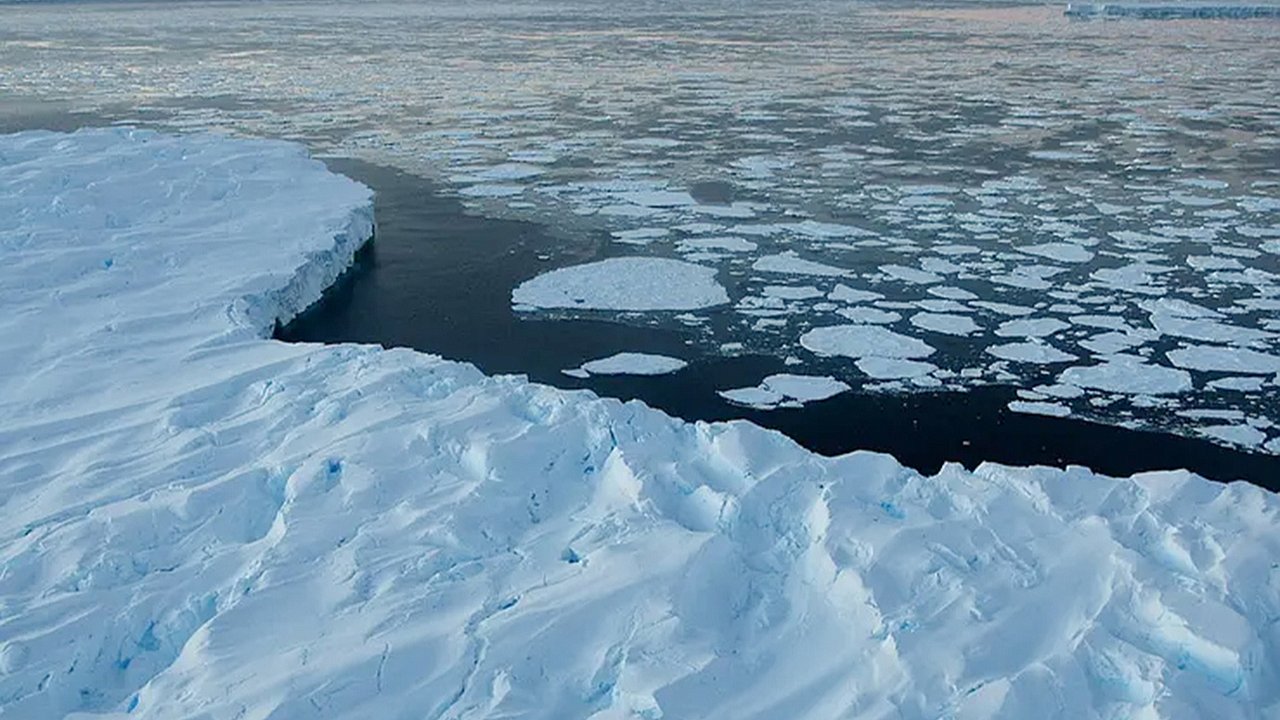
Antarctica's Ice Sheet Shows Rare Growth After Decades of Decline
In a rare and unexpected turn, Antarctica's colossal ice sheet has begun to grow again—marking the first such rebound in decades. After years of steadily contributing to rising global sea levels, the icy continent has seen a remarkable mass gain between 2021 and 2023, largely due to an increase in precipitation. A newly published study in Science China Earth Sciences reveals that this growth, while notable, is likely temporary and driven by unusual weather patterns rather than long-term climate trends. The most significant recovery occurred in East Antarctica, a region that had previously shown worrying signs of ice loss and destabilization.Satellite Data Confirms Ice Mass Rebound
The findings come from a team of researchers at Tongji University and collaborating institutions who analyzed satellite gravimetry data from NASA's GRACE and GRACE-FO missions. These satellites measure changes in Earth's gravity to detect shifts in ice mass.Between 2011 and 2020, the Antarctic Ice Sheet (AIS) was losing around 142 gigatons of ice each year. However, from 2021 to 2023, that trend reversed dramatically, with the AIS gaining about 108 gigatons annually—a striking turnaround.This gain was significant enough to temporarily reduce the rate of global sea level rise by approximately 0.3 millimeters per year, highlighting how sensitive Earth’s oceans are to polar ice dynamics.Key East Antarctic Glaciers Show Strongest Recovery
The most dramatic changes occurred in East Antarctica, specifically in Wilkes Land and Queen Mary Land. Glacier basins such as Totten, Denman, Moscow University, and Vincennes Bay—previously known for rapid ice loss—have shown substantial recovery.These glaciers had been major contributors to sea level rise due to surface melting and increased ice discharge into the ocean. The sudden reversal appears linked to anomalous precipitation events, which deposited more snow and ice over the region, increasing the overall mass of the ice sheet.A Temporary Relief in a Long-Term Crisis?
Despite the encouraging signs, scientists caution against viewing this rebound as a sign that climate change is reversing. The mass gain is attributed to unusual weather events rather than a systemic shift in the global climate. Without long-term changes in atmospheric and oceanic patterns, the ice sheet may return to its previous state of decline.The Antarctic Ice Sheet contains over half of the planet’s fresh water, and its stability is crucial for regulating global sea levels. Alongside Greenland's ice and warming oceans, Antarctica has been one of the primary drivers of sea level rise for decades.Looking Ahead: What This Means for Climate Predictions
This surprising development underscores the complexity and volatility of polar climate systems. If these anomalous weather patterns persist, they could affect short-term projections of sea level rise. However, most experts believe the mass gain is a brief anomaly unless broader climatic trends begin to shift.While the recent growth offers a rare piece of good news in the ongoing climate crisis, it also serves as a reminder of how quickly Earth’s systems can change—and how unpredictable their future remains.
In a rare and unexpected turn, Antarctica's colossal ice sheet has begun to grow again—marking the first such rebound in decades. After years of steadily contributing to rising global sea levels, the icy continent has seen a remarkable mass gain between 2021 and 2023, largely due to an increase in precipitation.
A newly published study in Science China Earth Sciences reveals that this growth, while notable, is likely temporary and driven by unusual weather patterns rather than long-term climate trends. The most significant recovery occurred in East Antarctica, a region that had previously shown worrying signs of ice loss and destabilization.Satellite Data Confirms Ice Mass ReboundThe findings come from a team of researchers at Tongji University and collaborating institutions who analyzed satellite gravimetry data from NASA's GRACE and GRACE-FO missions. These satellites measure changes in Earth's gravity to detect shifts in ice mass.Between 2011 and 2020, the Antarctic Ice Sheet (AIS) was losing around 142 gigatons of ice each year. However, from 2021 to 2023, that trend reversed dramatically, with the AIS gaining about 108 gigatons annually—a striking turnaround.This gain was significant enough to temporarily reduce the rate of global sea level rise by approximately 0.3 millimeters per year, highlighting how sensitive Earth’s oceans are to polar ice dynamics.Key East Antarctic Glaciers Show Strongest Recovery
The most dramatic changes occurred in East Antarctica, specifically in Wilkes Land and Queen Mary Land. Glacier basins such as Totten, Denman, Moscow University, and Vincennes Bay—previously known for rapid ice loss—have shown substantial recovery.These glaciers had been major contributors to sea level rise due to surface melting and increased ice discharge into the ocean. The sudden reversal appears linked to anomalous precipitation events, which deposited more snow and ice over the region, increasing the overall mass of the ice sheet.A Temporary Relief in a Long-Term Crisis?
Despite the encouraging signs, scientists caution against viewing this rebound as a sign that climate change is reversing. The mass gain is attributed to unusual weather events rather than a systemic shift in the global climate. Without long-term changes in atmospheric and oceanic patterns, the ice sheet may return to its previous state of decline.The Antarctic Ice Sheet contains over half of the planet’s fresh water, and its stability is crucial for regulating global sea levels. Alongside Greenland's ice and warming oceans, Antarctica has been one of the primary drivers of sea level rise for decades.Looking Ahead: What This Means for Climate Predictions
This surprising development underscores the complexity and volatility of polar climate systems. If these anomalous weather patterns persist, they could affect short-term projections of sea level rise. However, most experts believe the mass gain is a brief anomaly unless broader climatic trends begin to shift.While the recent growth offers a rare piece of good news in the ongoing climate crisis, it also serves as a reminder of how quickly Earth’s systems can change—and how unpredictable their future remains.