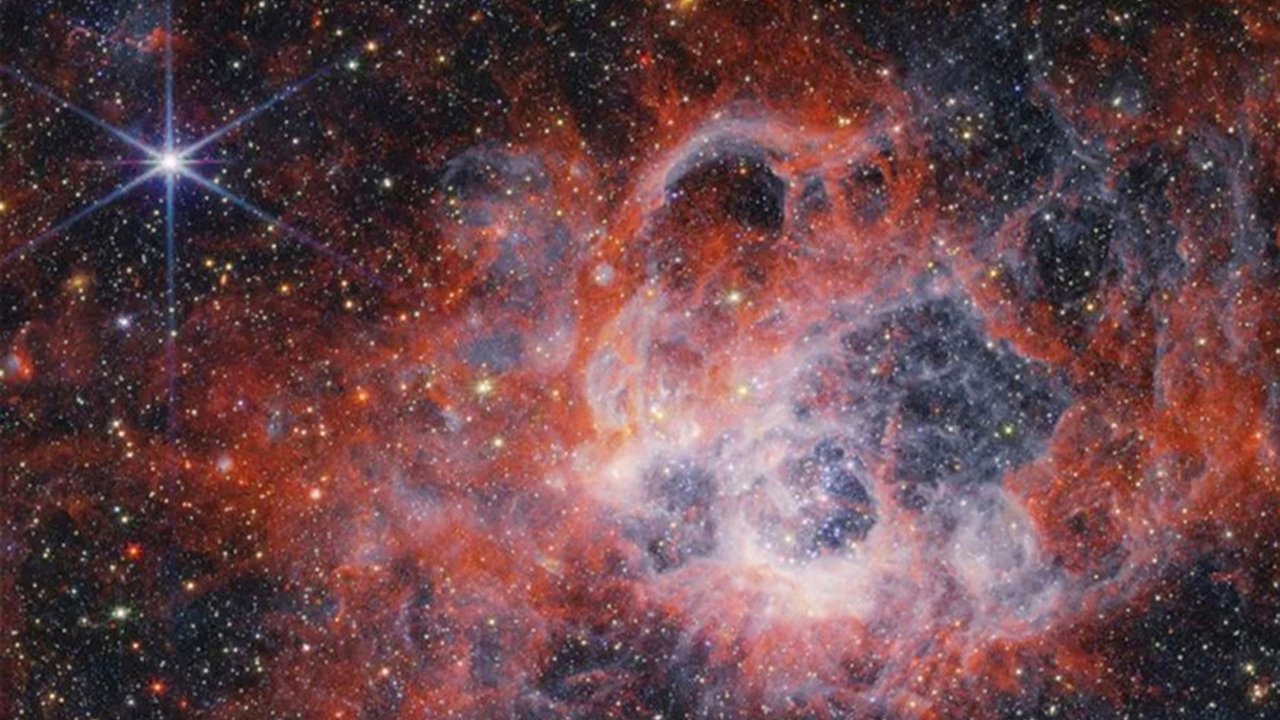
Dormant Galaxies in the Young UniverseAstronomers expected early galaxies to be stellar factories, rapidly churning out new stars in the aftermath of the Big Bang. Instead, new observations from the James Webb Space Telescope (JWST) have revealed a surprising twist: at least 14 galaxies entered a “sleep mode,” halting star formation just a few hundred million years after they first appeared.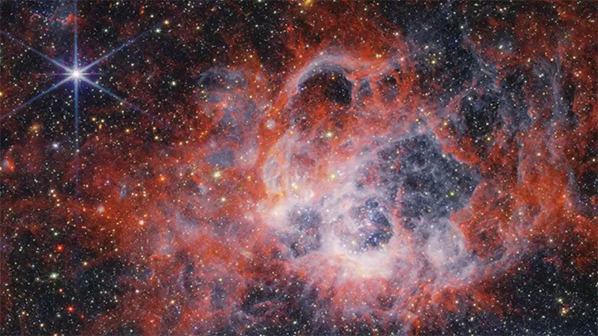 The Triangulum galaxy has areas of active star formation. (Image credit: NASA, ESA, CSA, STScI)These newly identified “Sleeping Beauty” galaxies range widely in mass, from just 40 million to 30 billion times the mass of our sun. The discovery offers a rare glimpse into a puzzling phase of galactic life that scientists previously thought was nearly nonexistent in the early universe.Why Galaxies Stop Making StarsGalaxies can fall dormant for several reasons. One factor is the influence of supermassive black holes, which unleash streams of energy that heat up or expel the cold gas needed for stars to form. Another possible cause is the effect of nearby massive galaxies, which can strip or heat this gas until the smaller galaxy is unable to continue creating new stars.In other cases, stellar feedback plays the leading role. When stars die in violent supernovas or release powerful winds and radiation, the gas in a galaxy may be pushed out or warmed to the point that star formation stalls. This pause usually isn’t permanent: after tens of millions of years, gas can cool and drift back in, reigniting stellar birth.JWST’s Breakthrough ObservationsUntil recently, dormant galaxies were considered extremely rare in the first billion years of cosmic history. Only four had been identified with earlier telescopes. But JWST’s advanced NIRSpec instrument, which captures light at infrared wavelengths and provides detailed spectra, allows astronomers to detect subtle signs of inactivity that the Hubble Space Telescope could not see.By analyzing data from the DAWN JWST Archive, an international research team studied around 1,600 galaxies. They searched for evidence of halted star formation and identified 14 dormant systems. Each of these galaxies had gone quiet between 10 and 25 million years before being observed.A Pattern of Start-and-Stop GrowthThe discovery suggests that these galaxies were not permanently dead but may instead follow a “bursty” pattern—periods of intense star formation followed by short lulls. Lead researcher Alba Covelo Paz of the University of Geneva explained that this stop-and-go cycle could be triggered by stellar feedback, temporarily shutting down star production before resuming again.Still, questions remain. If these galaxies stay inactive for longer than expected—say, 50 million years or more—the cause might be different, possibly hinting at permanent quenching. That would mean some of these young galaxies truly died long before astronomers thought possible.The Road Ahead: JWST’s “Sleeping Beauties” ProgramDormant galaxies are still rare, and much about them is shrouded in mystery. To dig deeper, astronomers are planning a JWST program aptly named Sleeping Beauties. This initiative will specifically target early galaxies in their quiet phases, helping scientists measure how long these pauses last and why they occur.Understanding these stop-start cycles is key to unraveling how galaxies evolve from chaotic starbursts in the young universe to the mature systems we see today. While many unknowns remain, the discovery of more than a dozen “Sleeping Beauty” galaxies marks a major step toward piecing together the complex story of cosmic growth.
The Triangulum galaxy has areas of active star formation. (Image credit: NASA, ESA, CSA, STScI)These newly identified “Sleeping Beauty” galaxies range widely in mass, from just 40 million to 30 billion times the mass of our sun. The discovery offers a rare glimpse into a puzzling phase of galactic life that scientists previously thought was nearly nonexistent in the early universe.Why Galaxies Stop Making StarsGalaxies can fall dormant for several reasons. One factor is the influence of supermassive black holes, which unleash streams of energy that heat up or expel the cold gas needed for stars to form. Another possible cause is the effect of nearby massive galaxies, which can strip or heat this gas until the smaller galaxy is unable to continue creating new stars.In other cases, stellar feedback plays the leading role. When stars die in violent supernovas or release powerful winds and radiation, the gas in a galaxy may be pushed out or warmed to the point that star formation stalls. This pause usually isn’t permanent: after tens of millions of years, gas can cool and drift back in, reigniting stellar birth.JWST’s Breakthrough ObservationsUntil recently, dormant galaxies were considered extremely rare in the first billion years of cosmic history. Only four had been identified with earlier telescopes. But JWST’s advanced NIRSpec instrument, which captures light at infrared wavelengths and provides detailed spectra, allows astronomers to detect subtle signs of inactivity that the Hubble Space Telescope could not see.By analyzing data from the DAWN JWST Archive, an international research team studied around 1,600 galaxies. They searched for evidence of halted star formation and identified 14 dormant systems. Each of these galaxies had gone quiet between 10 and 25 million years before being observed.A Pattern of Start-and-Stop GrowthThe discovery suggests that these galaxies were not permanently dead but may instead follow a “bursty” pattern—periods of intense star formation followed by short lulls. Lead researcher Alba Covelo Paz of the University of Geneva explained that this stop-and-go cycle could be triggered by stellar feedback, temporarily shutting down star production before resuming again.Still, questions remain. If these galaxies stay inactive for longer than expected—say, 50 million years or more—the cause might be different, possibly hinting at permanent quenching. That would mean some of these young galaxies truly died long before astronomers thought possible.The Road Ahead: JWST’s “Sleeping Beauties” ProgramDormant galaxies are still rare, and much about them is shrouded in mystery. To dig deeper, astronomers are planning a JWST program aptly named Sleeping Beauties. This initiative will specifically target early galaxies in their quiet phases, helping scientists measure how long these pauses last and why they occur.Understanding these stop-start cycles is key to unraveling how galaxies evolve from chaotic starbursts in the young universe to the mature systems we see today. While many unknowns remain, the discovery of more than a dozen “Sleeping Beauty” galaxies marks a major step toward piecing together the complex story of cosmic growth.