Namibia’s Skeleton Coast: A Haunting Land of Lions, Diamonds, and Shipwrecks
A Coast with a Dark Reputation
Along the Atlantic coast of northern Namibia lies one of the most desolate and surreal landscapes on Earth: the Skeleton Coast. This stretch between the Kunene and Swakop rivers has earned ominous names throughout history. Indigenous San people once called it “the land God made in anger,” while Portuguese explorers in 1486 dubbed it “the Gates of Hell.” Today, it bears a fitting title: the Skeleton Coast.Graveyard of Bones and Wrecks
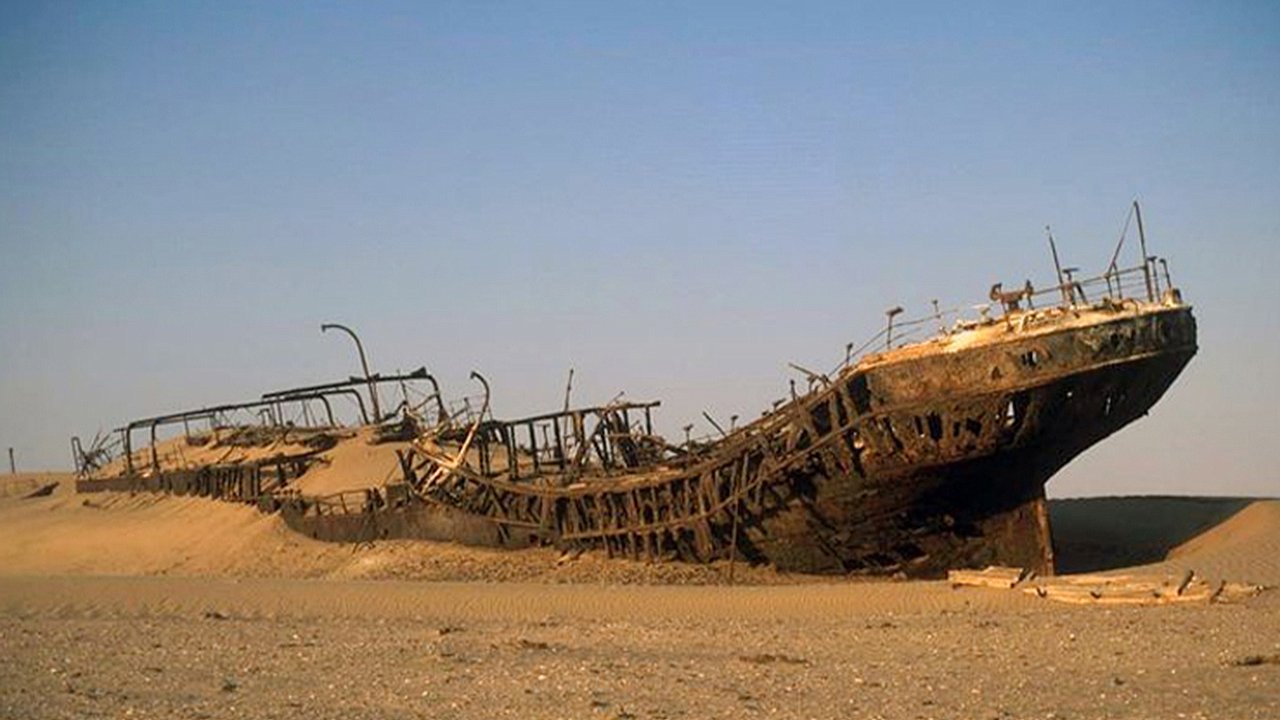
The name isn’t just poetic — it’s literal. This shoreline is strewn with the skeletal remains of animals and ships alike. CNN travel journalist Karen Bowerman once described it as “a huge animal graveyard,” where seal skulls lie beside turtle rib cages and the massive vertebrae of whales bleach under the sun.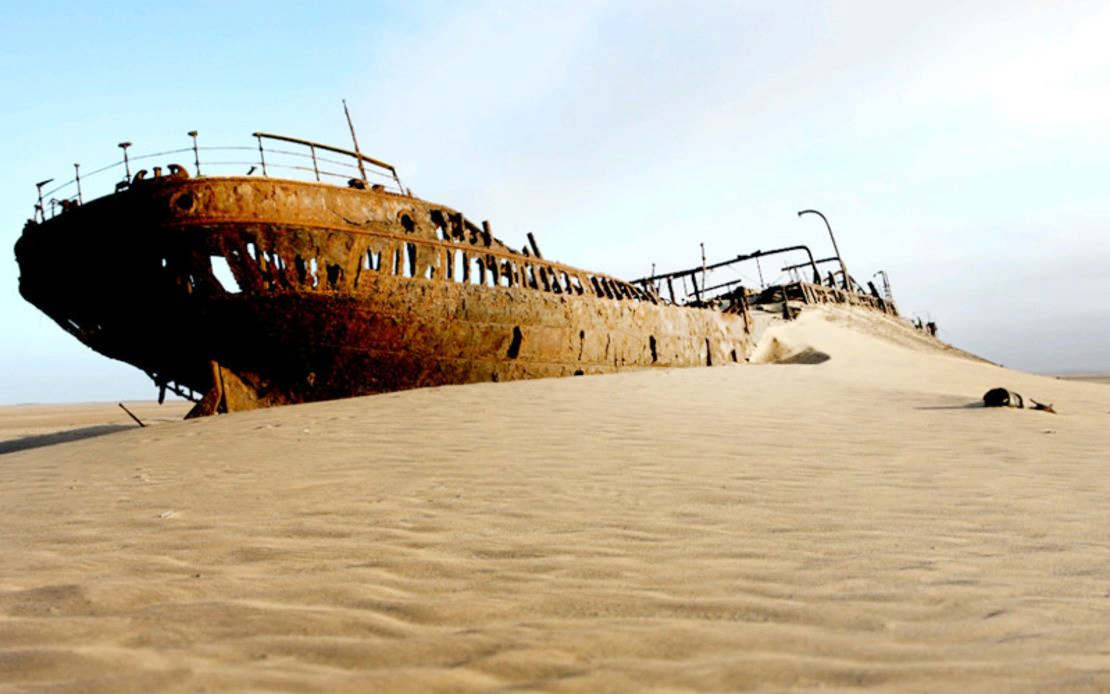 While scavengers like hyenas and lions do roam these sands, most bones owe their presence to human activity, especially the brutal whaling industry of the past. But the coast has not let these intrusions go unpunished. Over 500 kilometers (311 miles) of beach are dotted with the remains of nearly 1,000 shipwrecks, many swallowed by the desert over time.Jan Friede, a former ranger at Skeleton Coast National Park, once documented 112 of these wrecks. “Some are found behind dunes, far inland,” he said. “Even if you survived the wreck, you were probably doomed. You landed in a desert where survival was nearly impossible.”The Tragic Tale of the Dunedin Star
Among the hundreds of shipwrecks, few are as infamous as the 1942 disaster of the Dunedin Star. This British cargo liner had survived multiple attacks during World War II, but the Skeleton Coast proved too much.Carrying munitions to Egypt, the ship struck a reef near today’s Angola border. As 63 passengers were evacuated to the beach, a complex rescue operation was launched. But it only added to the chaos: one of the rescue ships ran aground, and a plane crash-landed in a salt pan.Though air-dropped supplies saved nearly everyone, many wrecks weren’t as fortunate. A mysterious case from 1860 remains unsolved: a vessel washed ashore, and years later, 12 headless skeletons were found with a slate reading, “I am proceeding to a river 60 miles north… God will help him.” No trace of the writer was ever found.Desert Wildlife in an Unexpected Paradise
Despite the harsh conditions, the Skeleton Coast teems with life. Among its strangest sights are desert lions — lean, agile, and GPS-collared predators uniquely adapted to the Namib. These lions occasionally stalk the shoreline, feeding on seals and scavenging the dunes.“Seeing them is rare but unforgettable,” said Wessel Landman of the Hoanib Skeleton Coast Camp. “They’ve even been spotted lounging on our walkways.”Other desert-dwelling creatures include springbok, ostrich, and even elephants, all evolved to survive with minimal water in the arid Namib.Surfing, Seals, and the Return of the Whales
The Skeleton Coast’s rough seas are no less alive than the land. Once hunted to near extinction, whales are returning in growing numbers, and the Cape Cross Seal Reserve now boasts over 200,000 boisterous (and odorous) fur seals.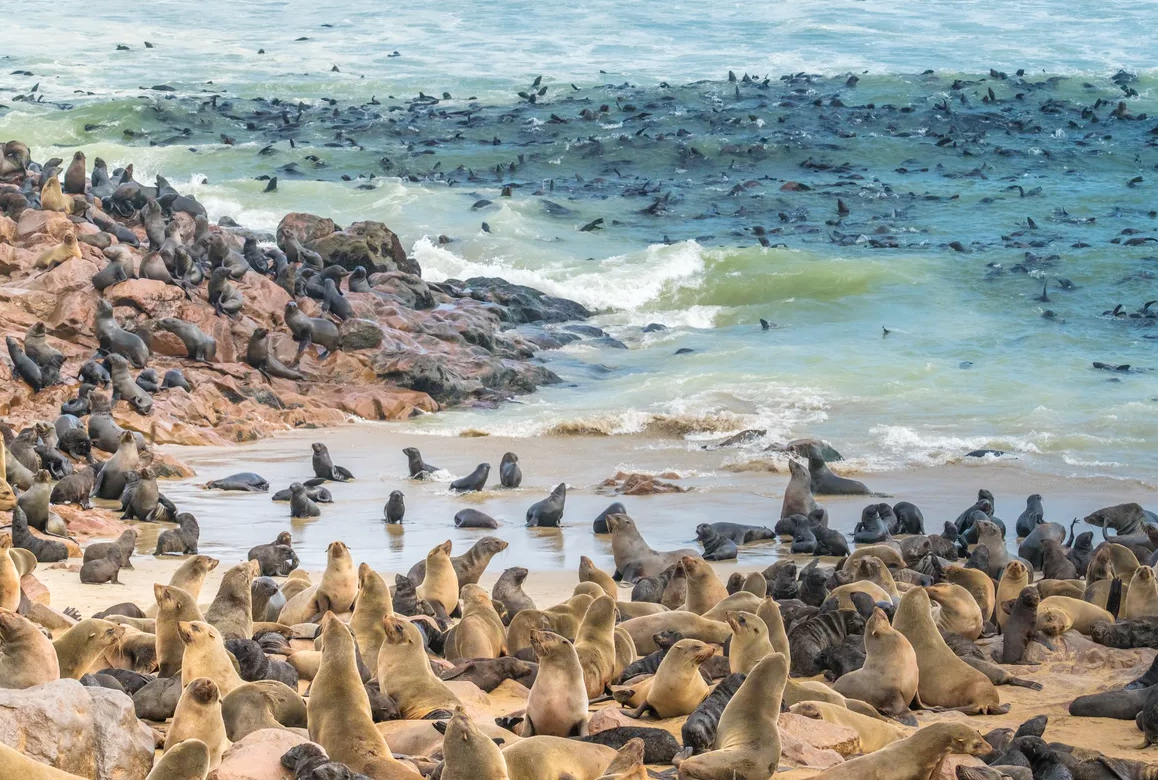 Surprisingly, the area is also beloved by surfers. “It’s kind of a surfer’s dream,” pro surfer Max Elkington said in 2023. “The wave is just so long, and the surroundings are surreal — desert, dunes, jackals. You’re in the middle of nowhere, and it’s wild.”Diamond Dreams and Ghost Towns
The coast's eerie beauty conceals a glittering secret: diamonds. In fact, they’ve washed ashore here for centuries. A century ago, boomtowns like Kolmanskop sprang up to mine these precious stones. The town once boasted homes, restaurants, and even a casino — all now decaying ruins reclaimed by the desert.As journalist Tahir Shah noted, Namibia is “a land of diamonds like no other.” Diamonds in the region were first brought to the surface by volcanic Kimberlite pipes, then carried by the Orange River to the sea, where tides slowly pushed them back to land.Today, the Skeleton Coast is no longer a diamond hotspot. That title belongs to the Sperrgebiet — the “Forbidden Area” — about 750 kilometers (466 miles) southeast. Guarded by the De Beers Diamond Consortium, this restricted zone is closed to all but authorized personnel.Stargazing Under the Skeleton Coast Sky
Even without precious stones, the Skeleton Coast holds one celestial treasure: its night sky. Free from light pollution, the area offers pristine views of the cosmos.“The Milky Way shines brilliantly here,” noted a 2016 CNN article. “You can even spot the Tarantula Nebula — one of our galaxy’s largest star factories — through a good telescope.”For those who venture to this isolated land, it’s not just about what lies buried in the sand. It’s also about what shines above.
A Coast with a Dark Reputation
Along the Atlantic coast of northern Namibia lies one of the most desolate and surreal landscapes on Earth: the Skeleton Coast. This stretch between the Kunene and Swakop rivers has earned ominous names throughout history. Indigenous San people once called it “the land God made in anger,” while Portuguese explorers in 1486 dubbed it “the Gates of Hell.” Today, it bears a fitting title: the Skeleton Coast.Graveyard of Bones and Wrecks
The name isn’t just poetic — it’s literal. This shoreline is strewn with the skeletal remains of animals and ships alike. CNN travel journalist Karen Bowerman once described it as “a huge animal graveyard,” where seal skulls lie beside turtle rib cages and the massive vertebrae of whales bleach under the sun.
While scavengers like hyenas and lions do roam these sands, most bones owe their presence to human activity, especially the brutal whaling industry of the past. But the coast has not let these intrusions go unpunished. Over 500 kilometers (311 miles) of beach are dotted with the remains of nearly 1,000 shipwrecks, many swallowed by the desert over time.Jan Friede, a former ranger at Skeleton Coast National Park, once documented 112 of these wrecks. “Some are found behind dunes, far inland,” he said. “Even if you survived the wreck, you were probably doomed. You landed in a desert where survival was nearly impossible.”The Tragic Tale of the Dunedin StarAmong the hundreds of shipwrecks, few are as infamous as the 1942 disaster of the Dunedin Star. This British cargo liner had survived multiple attacks during World War II, but the Skeleton Coast proved too much.Carrying munitions to Egypt, the ship struck a reef near today’s Angola border. As 63 passengers were evacuated to the beach, a complex rescue operation was launched. But it only added to the chaos: one of the rescue ships ran aground, and a plane crash-landed in a salt pan.Though air-dropped supplies saved nearly everyone, many wrecks weren’t as fortunate. A mysterious case from 1860 remains unsolved: a vessel washed ashore, and years later, 12 headless skeletons were found with a slate reading, “I am proceeding to a river 60 miles north… God will help him.” No trace of the writer was ever found.Desert Wildlife in an Unexpected Paradise
Despite the harsh conditions, the Skeleton Coast teems with life. Among its strangest sights are desert lions — lean, agile, and GPS-collared predators uniquely adapted to the Namib. These lions occasionally stalk the shoreline, feeding on seals and scavenging the dunes.“Seeing them is rare but unforgettable,” said Wessel Landman of the Hoanib Skeleton Coast Camp. “They’ve even been spotted lounging on our walkways.”Other desert-dwelling creatures include springbok, ostrich, and even elephants, all evolved to survive with minimal water in the arid Namib.Surfing, Seals, and the Return of the Whales
The Skeleton Coast’s rough seas are no less alive than the land. Once hunted to near extinction, whales are returning in growing numbers, and the Cape Cross Seal Reserve now boasts over 200,000 boisterous (and odorous) fur seals.
Surprisingly, the area is also beloved by surfers. “It’s kind of a surfer’s dream,” pro surfer Max Elkington said in 2023. “The wave is just so long, and the surroundings are surreal — desert, dunes, jackals. You’re in the middle of nowhere, and it’s wild.”Diamond Dreams and Ghost TownsThe coast's eerie beauty conceals a glittering secret: diamonds. In fact, they’ve washed ashore here for centuries. A century ago, boomtowns like Kolmanskop sprang up to mine these precious stones. The town once boasted homes, restaurants, and even a casino — all now decaying ruins reclaimed by the desert.As journalist Tahir Shah noted, Namibia is “a land of diamonds like no other.” Diamonds in the region were first brought to the surface by volcanic Kimberlite pipes, then carried by the Orange River to the sea, where tides slowly pushed them back to land.Today, the Skeleton Coast is no longer a diamond hotspot. That title belongs to the Sperrgebiet — the “Forbidden Area” — about 750 kilometers (466 miles) southeast. Guarded by the De Beers Diamond Consortium, this restricted zone is closed to all but authorized personnel.Stargazing Under the Skeleton Coast Sky
Even without precious stones, the Skeleton Coast holds one celestial treasure: its night sky. Free from light pollution, the area offers pristine views of the cosmos.“The Milky Way shines brilliantly here,” noted a 2016 CNN article. “You can even spot the Tarantula Nebula — one of our galaxy’s largest star factories — through a good telescope.”For those who venture to this isolated land, it’s not just about what lies buried in the sand. It’s also about what shines above.