Debunking the Viral Claim: No Global Darkness on August 2
A widely circulated online rumor has sparked confusion and concern by claiming that the entire world will go dark for six minutes on August 2. The post hints at a rare cosmic event that supposedly won’t happen again for a century. However, the reality is far less dramatic — and far more scientifically fascinating.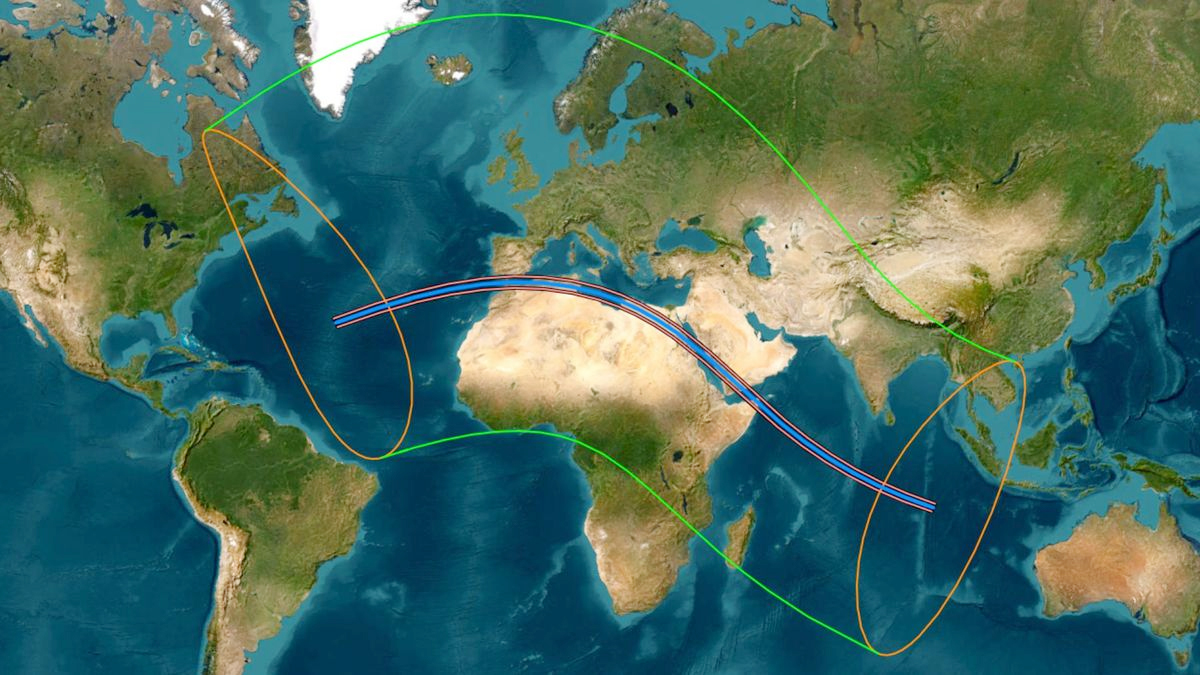 There will be no worldwide blackout this August. In fact, there won’t even be a solar eclipse this month. But the source of the confusion likely stems from a real and extraordinary astronomical event set to take place in 2027 — and it will bring several minutes of darkness, just not for the whole planet.The Truth About the 2027 Total Solar Eclipse
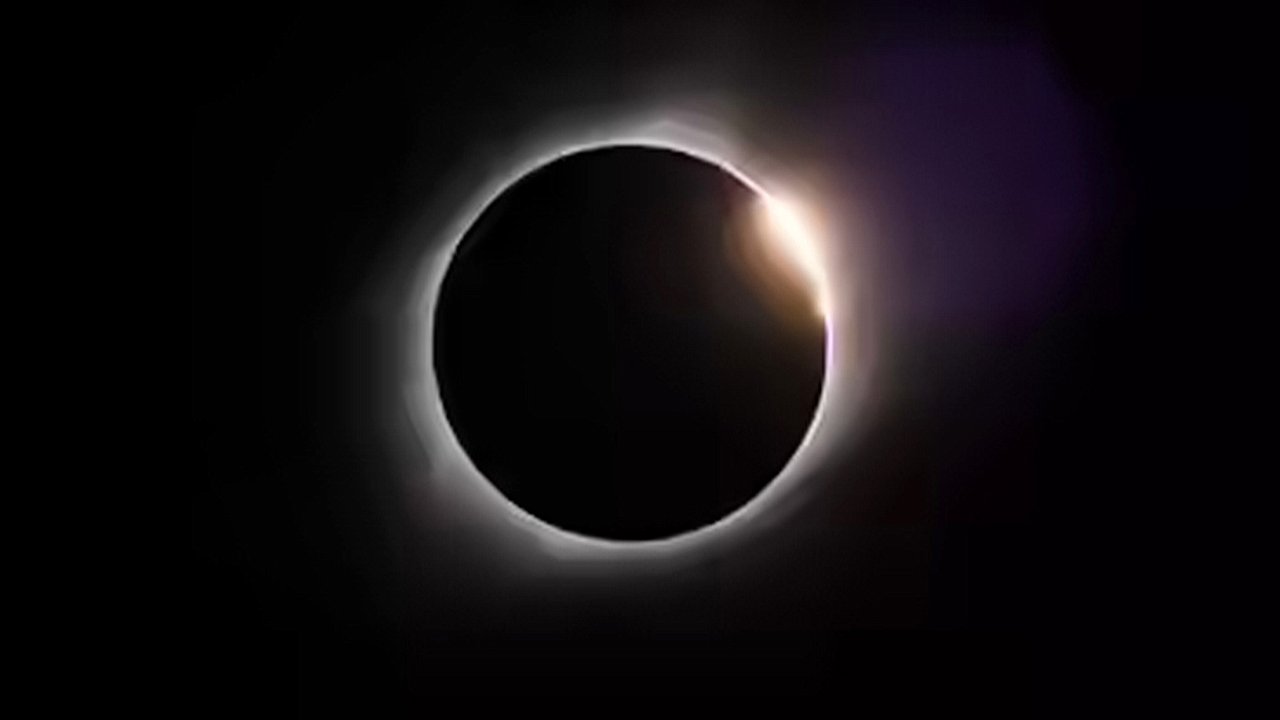
On August 2, 2027, the moon will pass directly between the Earth and the sun, casting a shadow that will cause a total solar eclipse — and a particularly spectacular one at that. During this event, totality (when the sun is completely covered) will last up to 6 minutes and 22 seconds, making it the longest such occurrence on land in the entire 21st century.To put that into perspective, the total eclipse that crossed North America on April 8, 2024, was considered lengthy at 4 minutes and 28 seconds — yet 2027 will exceed that by nearly two full minutes.Although the claim that this won’t happen again for 100 years is an exaggeration, it’s not completely baseless. After 2027, there won’t be another total solar eclipse lasting as long until July 16, 2114 — about 87 years later.Where and How to See the 2027 Eclipse
The path of totality — the narrow region where the full eclipse will be visible — will be unusually wide, thanks to the moon being at its closest point to Earth. It will stretch 160 miles (258 kilometers) wide and span 9,462 miles (15,227 kilometers) across the Earth's surface. That’s about 1.5 million square miles — impressive, though still a tiny slice of the planet.This eclipse will pass over 11 countries, including:
To be clear: there is no solar eclipse occurring in August 2025. The next eclipse on the calendar is a partial solar eclipse on September 21, visible from parts of the Pacific Ocean, including Fiji, Tahiti, New Zealand, and even Antarctica, where up to 80% of the sun will be obscured.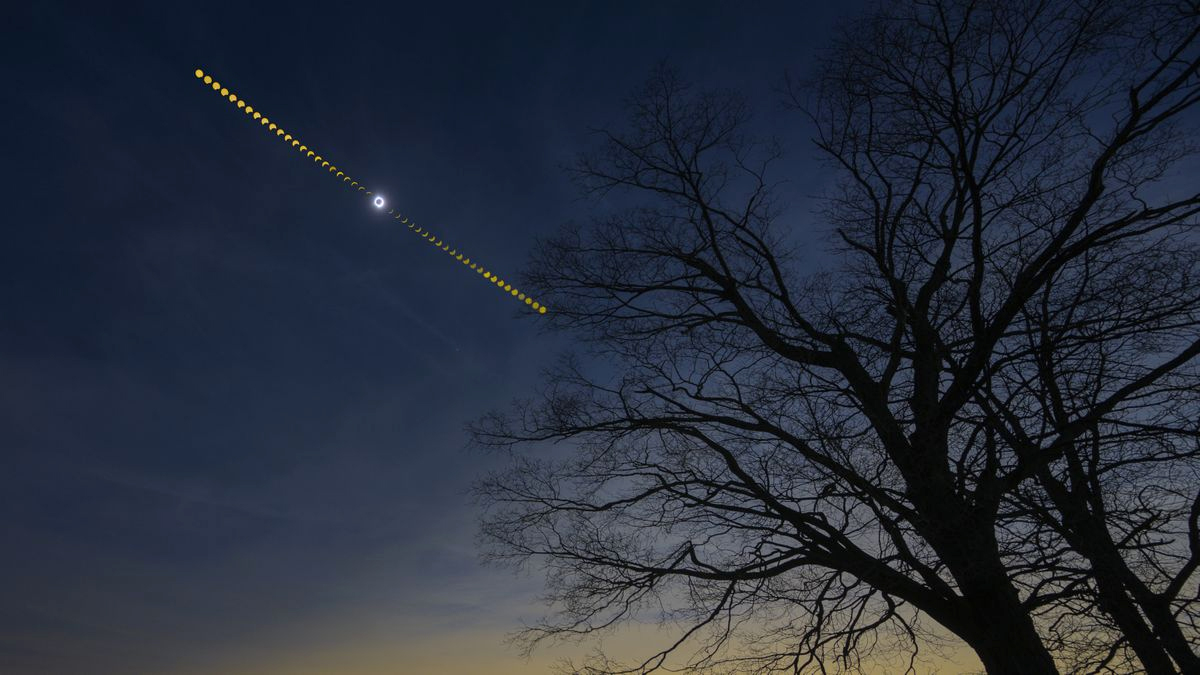 So while the viral warning of a worldwide blackout this August is pure fiction, the real story — a once-in-a-century solar eclipse coming in 2027 — is worth planning for. If you’ve ever dreamed of standing in the path of totality, now is the time to mark your calendar and consider booking a trip. After all, events like this don’t come around often — and they never cover the whole Earth.
A widely circulated online rumor has sparked confusion and concern by claiming that the entire world will go dark for six minutes on August 2. The post hints at a rare cosmic event that supposedly won’t happen again for a century. However, the reality is far less dramatic — and far more scientifically fascinating.
There will be no worldwide blackout this August. In fact, there won’t even be a solar eclipse this month. But the source of the confusion likely stems from a real and extraordinary astronomical event set to take place in 2027 — and it will bring several minutes of darkness, just not for the whole planet.The Truth About the 2027 Total Solar EclipseOn August 2, 2027, the moon will pass directly between the Earth and the sun, casting a shadow that will cause a total solar eclipse — and a particularly spectacular one at that. During this event, totality (when the sun is completely covered) will last up to 6 minutes and 22 seconds, making it the longest such occurrence on land in the entire 21st century.To put that into perspective, the total eclipse that crossed North America on April 8, 2024, was considered lengthy at 4 minutes and 28 seconds — yet 2027 will exceed that by nearly two full minutes.Although the claim that this won’t happen again for 100 years is an exaggeration, it’s not completely baseless. After 2027, there won’t be another total solar eclipse lasting as long until July 16, 2114 — about 87 years later.Where and How to See the 2027 Eclipse
The path of totality — the narrow region where the full eclipse will be visible — will be unusually wide, thanks to the moon being at its closest point to Earth. It will stretch 160 miles (258 kilometers) wide and span 9,462 miles (15,227 kilometers) across the Earth's surface. That’s about 1.5 million square miles — impressive, though still a tiny slice of the planet.This eclipse will pass over 11 countries, including:
- Spain
- Gibraltar
- Morocco
- Algeria
- Tunisia
- Libya
- Egypt
- Sudan
- Saudi Arabia
- Yemen
- Somalia
To be clear: there is no solar eclipse occurring in August 2025. The next eclipse on the calendar is a partial solar eclipse on September 21, visible from parts of the Pacific Ocean, including Fiji, Tahiti, New Zealand, and even Antarctica, where up to 80% of the sun will be obscured.
So while the viral warning of a worldwide blackout this August is pure fiction, the real story — a once-in-a-century solar eclipse coming in 2027 — is worth planning for. If you’ve ever dreamed of standing in the path of totality, now is the time to mark your calendar and consider booking a trip. After all, events like this don’t come around often — and they never cover the whole Earth.