A surprising winter forecast from The Old Farmer’s AlmanacWhile many regions can expect near-normal temperatures, others—especially in the Southeast and Florida—should brace for a chillier season than in recent years.The Almanac, a trusted source for long-range weather predictions since 1792, suggests that although most homeowners won’t face extreme winter conditions, it’s still wise to prepare. Editor Carol Connare advises residents not to put away their snow shovels and umbrellas just yet. “Most areas will experience near-normal to slightly milder temperatures, but from the Appalachians south through the Southeast and Florida, and westward across the Ohio Valley, we’re predicting a colder-than-normal winter,” she explained.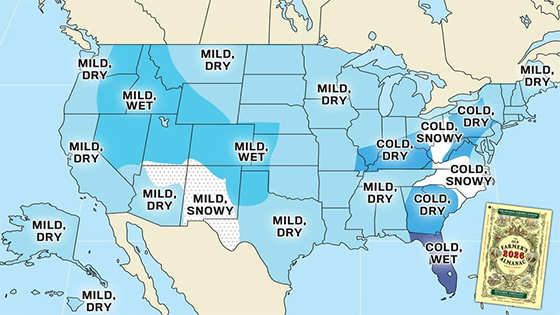 With winter still a couple of months away, there’s plenty of time to ready your home for what’s ahead. Here’s a breakdown of what The Old Farmer’s Almanac predicts for each region—and how to make sure your home stays warm, safe, and energy-efficient through the cold season.What to expect across the country this winterThe Old Farmer’s Almanac divides the United States into 18 weather regions, offering detailed forecasts for temperature, precipitation, and snowfall. This year’s predictions highlight sharp contrasts from coast to coast.Homeowners in the Northeast and Atlantic Corridor are in for a relatively mild and dry winter. While that means fewer snowstorms and easier commutes, it could spell trouble for gardeners and winter sports enthusiasts. With above-normal temperatures and below-average snowfall expected, early thaws may disrupt soil cycles and plant dormancy. The snowiest periods are forecast for the holidays and late winter, so residents from Albany to Washington, D.C. should keep shovels handy but not expect many snow days.Moving inland, the Appalachians, Southeast, and Ohio Valley are preparing for a colder-than-usual winter. The chill will be most intense from mid-December through early February. Homeowners should make sure heating systems are serviced early and pipes are insulated to prevent freezing. The Southeast could even experience rare snowfall east of the Appalachians, while the eastern Ohio Valley braces for heavier snow than usual.The Midwest, Deep South, and Texas will experience a warmer and drier winter overall. However, sudden cold snaps are expected in January, bringing brief but biting freezes. Homeowners from Nashville to Dallas should protect delicate plants, wrap outdoor pipes, and prepare for unpredictable bursts of cold. Though snowfall will stay below normal, isolated snow flurries could appear in late January.Further north, the High Plains and Upper Midwest will enjoy a mild season, with reduced snowfall overall. Still, lake-effect snow and short-lived cold waves could create travel disruptions in December and March.Out West, the forecast is a mixed bag. The Pacific Northwest and Southwest are expected to trend warmer and drier, potentially reducing snowpack levels in mountain areas and raising concerns about water reserves later in the year. Meanwhile, the Intermountain West and Desert Southwest could see fluctuating precipitation patterns, with occasional snow surges in elevated areas.Finally, Alaska is predicted to experience a milder, less snowy winter than usual, while Hawaii should brace for periods of heavy rainfall in early November and December.How to prepare your home for the colder monthsRegardless of where you live, preparing your home before winter arrives can save time, money, and stress. Simple preventive measures can help protect against cold damage, leaks, and fire hazards.First, make sure your gutters are clear once the trees are bare. Clogged gutters can lead to water buildup and ice dams, which may cause roof leaks and structural damage. “Avoid moisture building up against your house—and ice dams,” advises Derek Christian, owner of Handyman Connection in Blue Ash, Ohio.Next, inspect your attic to ensure it’s properly insulated. This step helps retain heat, lower energy costs, and prevent wildlife from moving in as the temperatures drop. “Make sure any gaps and holes into your attic are sealed tight,” Christian says. “As winter approaches, critters will be looking for somewhere to spend it.”Finally, check all heating sources—whether it’s a fireplace, furnace, or space heater—to ensure they’re safe and functioning efficiently. Replace old filters and install carbon monoxide detectors if you haven’t already. “With all these heat sources in use, homeowners must take precautions to protect themselves from house fires and carbon monoxide poisoning,” warns home improvement expert Sophie Kaemmerle of NeighborWho.Taking these simple steps now can help homeowners stay comfortable and safe throughout the coming winter—no matter what The Old Farmer’s Almanac has in store.
With winter still a couple of months away, there’s plenty of time to ready your home for what’s ahead. Here’s a breakdown of what The Old Farmer’s Almanac predicts for each region—and how to make sure your home stays warm, safe, and energy-efficient through the cold season.What to expect across the country this winterThe Old Farmer’s Almanac divides the United States into 18 weather regions, offering detailed forecasts for temperature, precipitation, and snowfall. This year’s predictions highlight sharp contrasts from coast to coast.Homeowners in the Northeast and Atlantic Corridor are in for a relatively mild and dry winter. While that means fewer snowstorms and easier commutes, it could spell trouble for gardeners and winter sports enthusiasts. With above-normal temperatures and below-average snowfall expected, early thaws may disrupt soil cycles and plant dormancy. The snowiest periods are forecast for the holidays and late winter, so residents from Albany to Washington, D.C. should keep shovels handy but not expect many snow days.Moving inland, the Appalachians, Southeast, and Ohio Valley are preparing for a colder-than-usual winter. The chill will be most intense from mid-December through early February. Homeowners should make sure heating systems are serviced early and pipes are insulated to prevent freezing. The Southeast could even experience rare snowfall east of the Appalachians, while the eastern Ohio Valley braces for heavier snow than usual.The Midwest, Deep South, and Texas will experience a warmer and drier winter overall. However, sudden cold snaps are expected in January, bringing brief but biting freezes. Homeowners from Nashville to Dallas should protect delicate plants, wrap outdoor pipes, and prepare for unpredictable bursts of cold. Though snowfall will stay below normal, isolated snow flurries could appear in late January.Further north, the High Plains and Upper Midwest will enjoy a mild season, with reduced snowfall overall. Still, lake-effect snow and short-lived cold waves could create travel disruptions in December and March.Out West, the forecast is a mixed bag. The Pacific Northwest and Southwest are expected to trend warmer and drier, potentially reducing snowpack levels in mountain areas and raising concerns about water reserves later in the year. Meanwhile, the Intermountain West and Desert Southwest could see fluctuating precipitation patterns, with occasional snow surges in elevated areas.Finally, Alaska is predicted to experience a milder, less snowy winter than usual, while Hawaii should brace for periods of heavy rainfall in early November and December.How to prepare your home for the colder monthsRegardless of where you live, preparing your home before winter arrives can save time, money, and stress. Simple preventive measures can help protect against cold damage, leaks, and fire hazards.First, make sure your gutters are clear once the trees are bare. Clogged gutters can lead to water buildup and ice dams, which may cause roof leaks and structural damage. “Avoid moisture building up against your house—and ice dams,” advises Derek Christian, owner of Handyman Connection in Blue Ash, Ohio.Next, inspect your attic to ensure it’s properly insulated. This step helps retain heat, lower energy costs, and prevent wildlife from moving in as the temperatures drop. “Make sure any gaps and holes into your attic are sealed tight,” Christian says. “As winter approaches, critters will be looking for somewhere to spend it.”Finally, check all heating sources—whether it’s a fireplace, furnace, or space heater—to ensure they’re safe and functioning efficiently. Replace old filters and install carbon monoxide detectors if you haven’t already. “With all these heat sources in use, homeowners must take precautions to protect themselves from house fires and carbon monoxide poisoning,” warns home improvement expert Sophie Kaemmerle of NeighborWho.Taking these simple steps now can help homeowners stay comfortable and safe throughout the coming winter—no matter what The Old Farmer’s Almanac has in store.