Unveiling the Truth About Earth’s Oxygen Sources
For decades, the Amazon Rainforest has been romanticized as the planet’s primary oxygen generator. With its lush greenery and staggering biodiversity, it’s no wonder it earned the nickname “lungs of the Earth.” But this widely accepted belief — that the Amazon produces 20% of the world’s oxygen — doesn’t hold up under scientific scrutiny.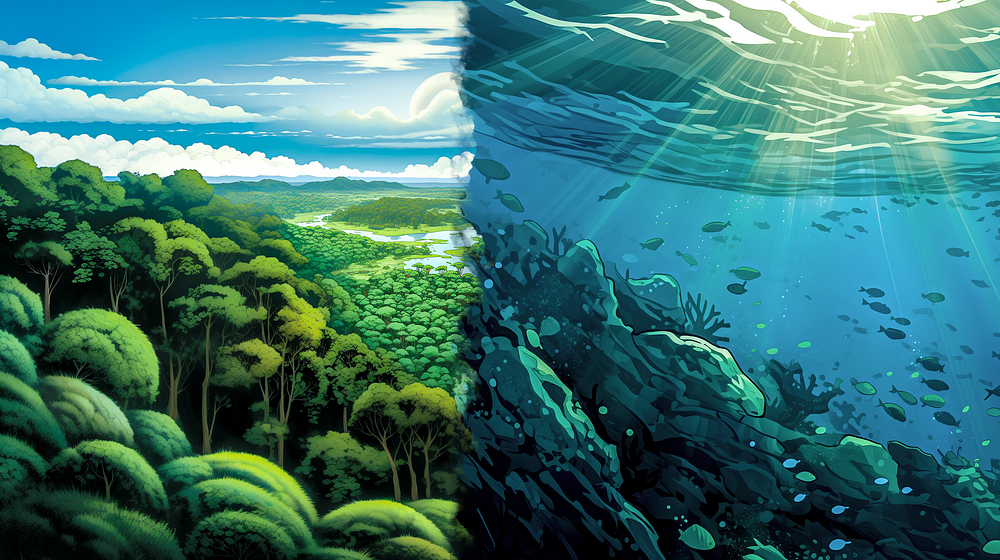 In reality, the majority of our oxygen comes not from tropical forests but from the vast, blue expanses of our oceans. Specifically, from tiny, invisible-to-the-eye organisms called phytoplankton. This article dives into the science behind oxygen production on Earth, compares the roles of terrestrial and marine ecosystems, and debunks one of the most persistent environmental myths.Understanding Oxygen Production: The Basics
Oxygen is produced through photosynthesis, the process by which plants, algae, and some bacteria use sunlight, carbon dioxide, and water to create glucose — releasing oxygen as a byproduct. This natural process occurs both on land and in water, but the net oxygen contribution varies dramatically between these two environments.Forests and Oxygen: A Complex Relationship
Land-based ecosystems, such as forests, do contribute a sizable portion of the oxygen created through photosynthesis. However, they also consume most of it. Plants, trees, animals, and microbes use oxygen for cellular respiration — the biological process that converts organic matter into energy. This means the oxygen forests produce is largely offset by the oxygen they consume, resulting in a negligible net contribution to atmospheric oxygen.Oceanic Photosynthesis: The Unsung Powerhouse
The oceans, however, tell a different story. Marine photosynthesis, primarily driven by microscopic organisms known as phytoplankton, accounts for more than 70% of Earth’s oxygen output. These aquatic plants reside in the sunlit upper layers of oceans and use the same photosynthetic process to generate oxygen. But unlike forests, marine ecosystems consume far less of what they produce, making them vital to sustaining atmospheric oxygen levels. Busting the Amazon Rainforest Myth
The claim that the Amazon Rainforest produces 20% of the planet’s oxygen is a persistent but inaccurate statistic. This number stems from the fact that the Amazon contributes about 20% of the oxygen generated by land-based photosynthesis — not the total global supply. Once you account for the oxygen consumed by the rainforest itself through respiration and decay, its net oxygen contribution drops to almost zero.Why the Amazon Still Matters
Despite its limited role in net oxygen production, the Amazon is far from irrelevant. It plays a vital role in regulating climate, maintaining regional rainfall cycles, sequestering carbon dioxide, and supporting a stunning array of wildlife. The rainforest also serves as a major carbon sink, helping to mitigate the effects of climate change by absorbing more carbon than it releases — at least under undisturbed conditions.Measuring the Amazon’s Actual Oxygen Output
Researchers, such as Oxford ecologist Yadvinder Malhi, have estimated that the Amazon produces roughly 16% of the oxygen created by land-based photosynthesis. When marine sources are included, this number drops to approximately 9% of global oxygen production. However, once the respiration of plants, animals, and microbes is factored in, the Amazon’s net oxygen output becomes negligible.The Real MVP: Phytoplankton
The bulk of Earth’s oxygen is produced by phytoplankton — tiny, floating organisms that thrive in sunlit ocean waters. Among them, Prochlorococcus is one of the most prolific oxygen producers. According to Dr. Sylvia A. Earle, a renowned marine biologist, this minuscule organism provides the oxygen for one in every five breaths we take.Ocean Health and Its Role in Oxygen Balance
The ability of oceans to sustain oxygen production hinges on the health of marine ecosystems. Clean, nutrient-rich waters support large phytoplankton populations, which in turn keep oxygen flowing into the atmosphere. Pollution, climate change, and acidification can all disrupt this delicate balance and endanger one of the most essential life-support systems on the planet. Comparing Oxygen Output: Land vs. Sea
While terrestrial forests like the Amazon play a role in the oxygen cycle, oceans are far more impactful in terms of net oxygen production. The rainforest’s consumption of oxygen through decay and respiration nearly equals its output, effectively canceling out its contribution. Meanwhile, oceans continue to be a net source of atmospheric oxygen, thanks largely to the ongoing work of phytoplankton.Why Both Ecosystems Still Deserve Protection
Understanding who contributes more to Earth’s oxygen supply is only part of the story. Both oceans and rainforests are critical to life on Earth — not just for the air we breathe, but for climate regulation, water cycles, carbon storage, and biodiversity. Each ecosystem supports the other in subtle and significant ways, and damage to one can trigger cascading effects on the other.The Bigger Picture
The myth of the Amazon Rainforest as the Earth's oxygen engine might be misleading, but it highlights something important: a need to understand and protect our planet's life-supporting systems. From the deep seas filled with phytoplankton to the towering canopies of tropical forests, every ecosystem plays a crucial role in maintaining Earth’s delicate balance.
For decades, the Amazon Rainforest has been romanticized as the planet’s primary oxygen generator. With its lush greenery and staggering biodiversity, it’s no wonder it earned the nickname “lungs of the Earth.” But this widely accepted belief — that the Amazon produces 20% of the world’s oxygen — doesn’t hold up under scientific scrutiny.
In reality, the majority of our oxygen comes not from tropical forests but from the vast, blue expanses of our oceans. Specifically, from tiny, invisible-to-the-eye organisms called phytoplankton. This article dives into the science behind oxygen production on Earth, compares the roles of terrestrial and marine ecosystems, and debunks one of the most persistent environmental myths.Understanding Oxygen Production: The BasicsOxygen is produced through photosynthesis, the process by which plants, algae, and some bacteria use sunlight, carbon dioxide, and water to create glucose — releasing oxygen as a byproduct. This natural process occurs both on land and in water, but the net oxygen contribution varies dramatically between these two environments.Forests and Oxygen: A Complex Relationship
Land-based ecosystems, such as forests, do contribute a sizable portion of the oxygen created through photosynthesis. However, they also consume most of it. Plants, trees, animals, and microbes use oxygen for cellular respiration — the biological process that converts organic matter into energy. This means the oxygen forests produce is largely offset by the oxygen they consume, resulting in a negligible net contribution to atmospheric oxygen.Oceanic Photosynthesis: The Unsung Powerhouse
The oceans, however, tell a different story. Marine photosynthesis, primarily driven by microscopic organisms known as phytoplankton, accounts for more than 70% of Earth’s oxygen output. These aquatic plants reside in the sunlit upper layers of oceans and use the same photosynthetic process to generate oxygen. But unlike forests, marine ecosystems consume far less of what they produce, making them vital to sustaining atmospheric oxygen levels.
Busting the Amazon Rainforest MythThe claim that the Amazon Rainforest produces 20% of the planet’s oxygen is a persistent but inaccurate statistic. This number stems from the fact that the Amazon contributes about 20% of the oxygen generated by land-based photosynthesis — not the total global supply. Once you account for the oxygen consumed by the rainforest itself through respiration and decay, its net oxygen contribution drops to almost zero.Why the Amazon Still Matters
Despite its limited role in net oxygen production, the Amazon is far from irrelevant. It plays a vital role in regulating climate, maintaining regional rainfall cycles, sequestering carbon dioxide, and supporting a stunning array of wildlife. The rainforest also serves as a major carbon sink, helping to mitigate the effects of climate change by absorbing more carbon than it releases — at least under undisturbed conditions.Measuring the Amazon’s Actual Oxygen Output
Researchers, such as Oxford ecologist Yadvinder Malhi, have estimated that the Amazon produces roughly 16% of the oxygen created by land-based photosynthesis. When marine sources are included, this number drops to approximately 9% of global oxygen production. However, once the respiration of plants, animals, and microbes is factored in, the Amazon’s net oxygen output becomes negligible.The Real MVP: Phytoplankton
The bulk of Earth’s oxygen is produced by phytoplankton — tiny, floating organisms that thrive in sunlit ocean waters. Among them, Prochlorococcus is one of the most prolific oxygen producers. According to Dr. Sylvia A. Earle, a renowned marine biologist, this minuscule organism provides the oxygen for one in every five breaths we take.Ocean Health and Its Role in Oxygen Balance
The ability of oceans to sustain oxygen production hinges on the health of marine ecosystems. Clean, nutrient-rich waters support large phytoplankton populations, which in turn keep oxygen flowing into the atmosphere. Pollution, climate change, and acidification can all disrupt this delicate balance and endanger one of the most essential life-support systems on the planet.
Comparing Oxygen Output: Land vs. SeaWhile terrestrial forests like the Amazon play a role in the oxygen cycle, oceans are far more impactful in terms of net oxygen production. The rainforest’s consumption of oxygen through decay and respiration nearly equals its output, effectively canceling out its contribution. Meanwhile, oceans continue to be a net source of atmospheric oxygen, thanks largely to the ongoing work of phytoplankton.Why Both Ecosystems Still Deserve Protection
Understanding who contributes more to Earth’s oxygen supply is only part of the story. Both oceans and rainforests are critical to life on Earth — not just for the air we breathe, but for climate regulation, water cycles, carbon storage, and biodiversity. Each ecosystem supports the other in subtle and significant ways, and damage to one can trigger cascading effects on the other.The Bigger Picture
The myth of the Amazon Rainforest as the Earth's oxygen engine might be misleading, but it highlights something important: a need to understand and protect our planet's life-supporting systems. From the deep seas filled with phytoplankton to the towering canopies of tropical forests, every ecosystem plays a crucial role in maintaining Earth’s delicate balance.