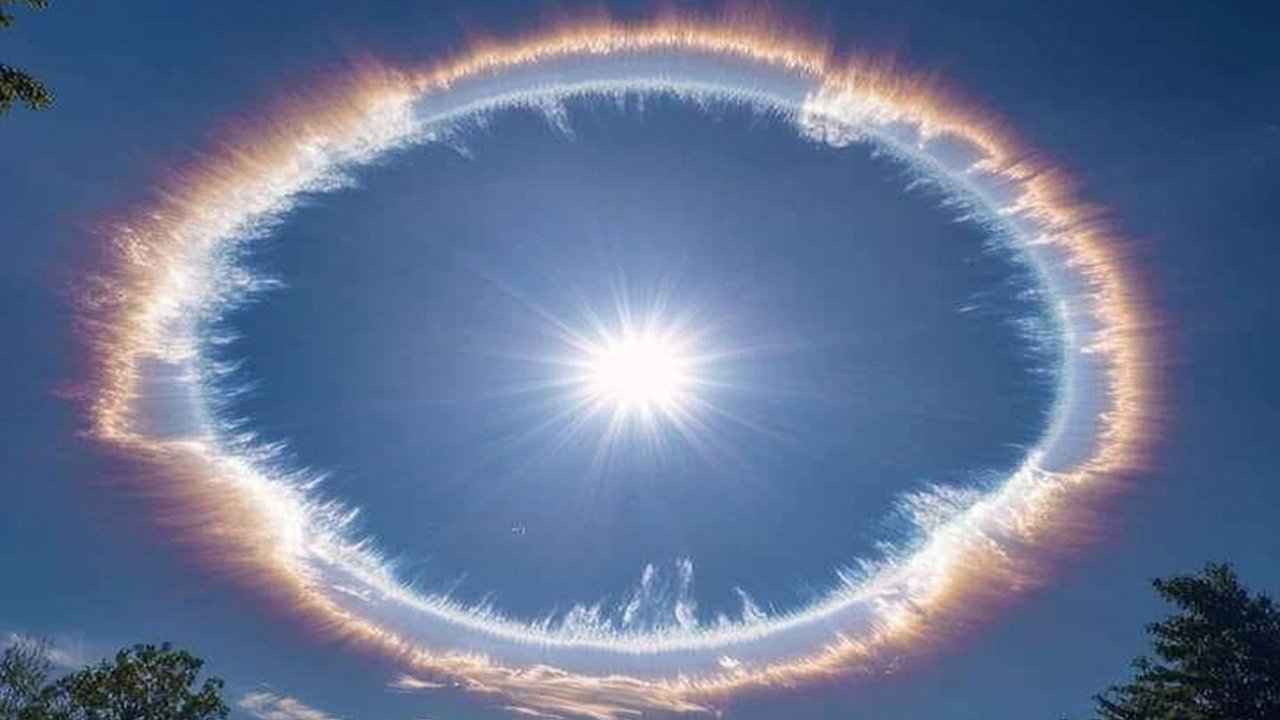
In this article, we delve into the significance of the supermoon, the fascinating science behind moon halos, and essential tips for experiencing these celestial marvels.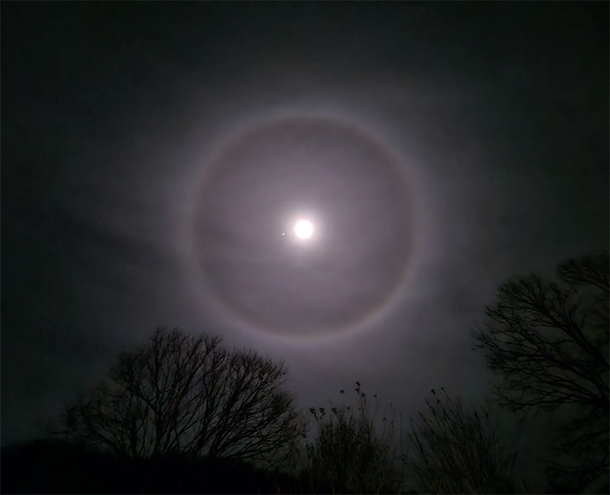 Understanding the Supermoon PhenomenonA supermoon occurs when the full moon reaches its closest point to Earth in its elliptical orbit, a position known as perigee. This proximity makes the moon appear noticeably larger and brighter than a typical full moon. The Aries Supermoon specifically refers to a full moon occurring within the astrological sign of Aries. Beyond its visual grandeur, this event symbolizes bold energy, fresh starts, and assertiveness—qualities often associated with Aries.The Science Behind Moon HalosThe ethereal ice halo that accompanied the Aries Supermoon is a striking atmospheric phenomenon. Moon halos form when moonlight refracts through tiny ice crystals in the upper atmosphere, often within cirrus or cirrostratus clouds. This interaction creates luminous rings or arcs encircling the moon, sometimes displaying a spectrum of colors akin to a rainbow.During the Aries Supermoon, the ice halo added an enchanting glow to the night sky, leaving onlookers spellbound. For photographers, it presented an extraordinary opportunity to capture the celestial dance between light and ice.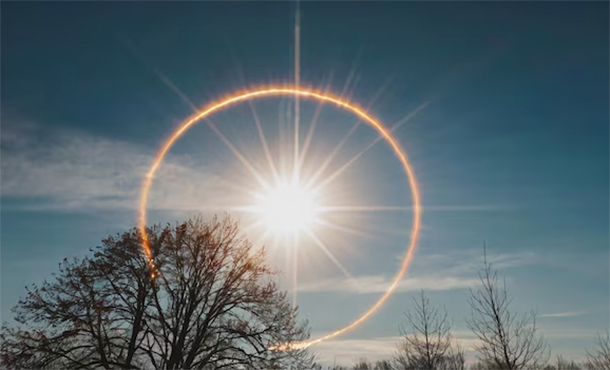
Tips for Observing Future Celestial EventsIf you missed this breathtaking event, don’t worry! Here are some expert tips to enhance your stargazing experience for future lunar events:
1. Find the Perfect Viewing SpotSeek out a dark location far from city lights to get the clearest view. Parks, mountain tops, and open fields provide ideal vantage points.
2. Monitor Weather ConditionsClear skies are crucial for viewing lunar phenomena. Utilize weather apps or astronomy websites to track visibility and cloud cover before heading out.
3. Bring the Right EquipmentEnhance your experience with a camera, binoculars, or a telescope. A tripod is recommended to capture crisp, detailed photographs of the moon and its halo.
4. Plan Around Moonrise and MoonsetThe best celestial visuals often occur during moonrise or moonset when the moon’s glow interacts with atmospheric elements, creating breathtaking hues in the sky.ConclusionThe Aries Supermoon on October 19, 2024, paired with a striking ice halo, was a testament to the universe’s extraordinary beauty. These rare celestial events inspire wonder and remind us of our deep connection to the cosmos.
As we anticipate future lunar spectacles, let’s continue to embrace the magic of the night sky, always looking up in awe at the grandeur of the universe.
Understanding the Supermoon PhenomenonA supermoon occurs when the full moon reaches its closest point to Earth in its elliptical orbit, a position known as perigee. This proximity makes the moon appear noticeably larger and brighter than a typical full moon. The Aries Supermoon specifically refers to a full moon occurring within the astrological sign of Aries. Beyond its visual grandeur, this event symbolizes bold energy, fresh starts, and assertiveness—qualities often associated with Aries.The Science Behind Moon HalosThe ethereal ice halo that accompanied the Aries Supermoon is a striking atmospheric phenomenon. Moon halos form when moonlight refracts through tiny ice crystals in the upper atmosphere, often within cirrus or cirrostratus clouds. This interaction creates luminous rings or arcs encircling the moon, sometimes displaying a spectrum of colors akin to a rainbow.During the Aries Supermoon, the ice halo added an enchanting glow to the night sky, leaving onlookers spellbound. For photographers, it presented an extraordinary opportunity to capture the celestial dance between light and ice.Tips for Observing Future Celestial EventsIf you missed this breathtaking event, don’t worry! Here are some expert tips to enhance your stargazing experience for future lunar events:
1. Find the Perfect Viewing SpotSeek out a dark location far from city lights to get the clearest view. Parks, mountain tops, and open fields provide ideal vantage points.
2. Monitor Weather ConditionsClear skies are crucial for viewing lunar phenomena. Utilize weather apps or astronomy websites to track visibility and cloud cover before heading out.
3. Bring the Right EquipmentEnhance your experience with a camera, binoculars, or a telescope. A tripod is recommended to capture crisp, detailed photographs of the moon and its halo.
4. Plan Around Moonrise and MoonsetThe best celestial visuals often occur during moonrise or moonset when the moon’s glow interacts with atmospheric elements, creating breathtaking hues in the sky.ConclusionThe Aries Supermoon on October 19, 2024, paired with a striking ice halo, was a testament to the universe’s extraordinary beauty. These rare celestial events inspire wonder and remind us of our deep connection to the cosmos.
As we anticipate future lunar spectacles, let’s continue to embrace the magic of the night sky, always looking up in awe at the grandeur of the universe.