Swiss Village Devastated After Glacier Collapse Sparks Enormous Mudslide
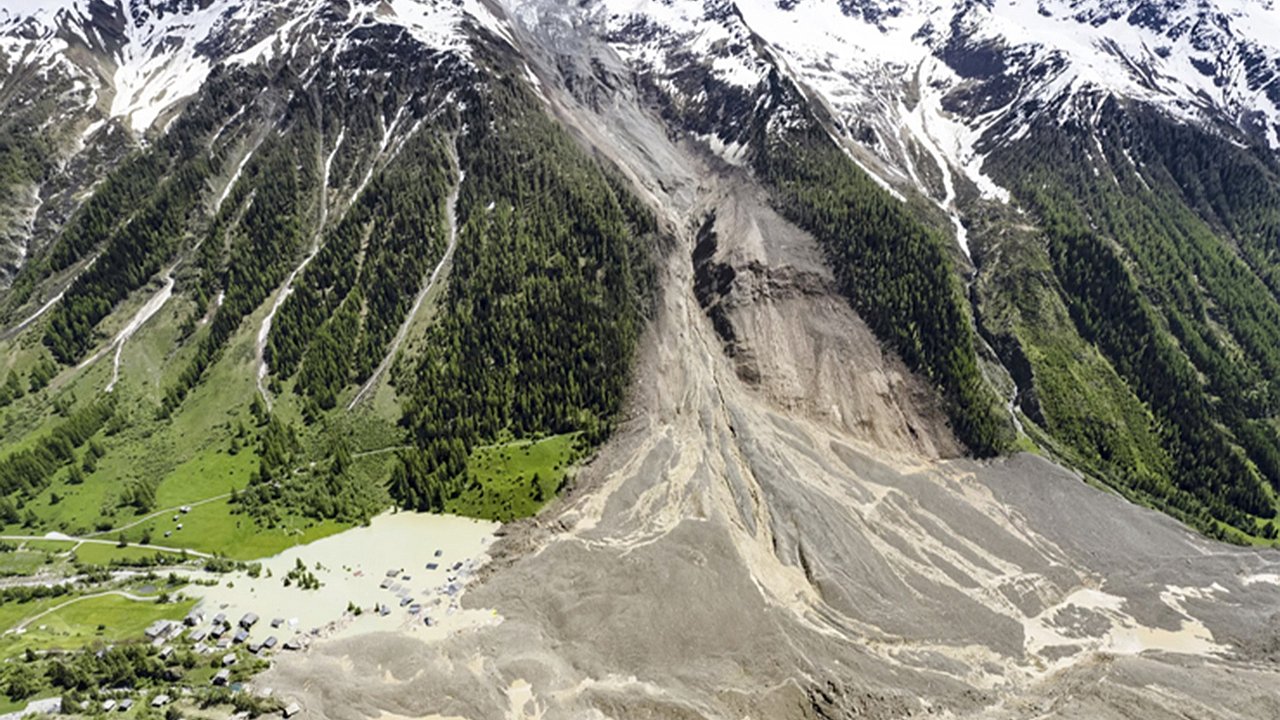
The incident, which occurred on May 28, 2025, resulted in widespread destruction, with 90% of the village buried beneath a sea of debris. Authorities had fortunately evacuated the village earlier in the month due to warnings of a potential collapse.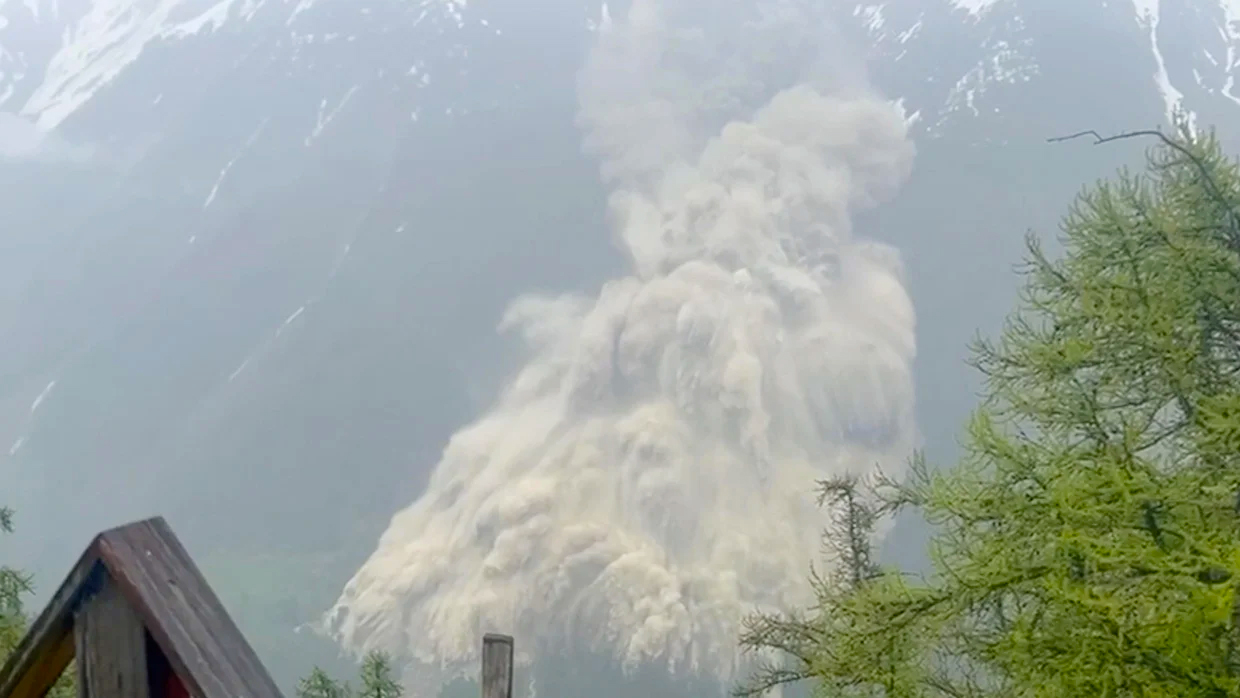 A 64-year-old man who went missing during the disaster remains unaccounted for, but search and rescue efforts were suspended Thursday due to the unstable and dangerous conditions. “We’ve lost our village,” said Blatten Mayor Matthias Bellwald during a press briefing, according to Reuters. “The village is under rubble. We will rebuild.”Glacier Collapse Buries Homes and Riverbed
The landslide was triggered by a massive break from the Birch Glacier, located above the village. The detachment sent an overwhelming mass of ice and rock hurtling down the mountainside, engulfing buildings and burying the Lonza River bed. The avalanche of debris raised fears of a blocked waterway that could result in flooding downstream.“There is a serious risk of an ice jam that could flood the valley below,” said Antoine Jacquod, a military security official, speaking to Keystone-ATS. Efforts to assess the volume and structure of the debris and potential water accumulation were underway.Evacuations and Military Support
Sixteen residents from two villages downstream were evacuated Wednesday night as a precaution. In total, around 300 people, along with livestock, had already been relocated from Blatten prior to the disaster due to growing concerns over the glacier’s stability. Authorities cited the glacier’s estimated 52 million cubic feet of ice as a major hazard.The regional government confirmed that the deposit created by the collapse remains extremely unstable, with a high likelihood of further debris flow. “The deposit is not very stable, and debris flow is possible within the deposit itself,” said the Valais cantonal government, emphasizing the ongoing danger and the difficulty of any recovery operation.The Swiss army has been called in to assist, providing heavy equipment and pumps to help stabilize the region and mitigate the threat of flooding.Climate Change and Rapid Glacier Retreat
Swiss scientists have long warned of the increasing danger posed by melting glaciers. Experts attribute the accelerated thawing primarily to global warming. In 2023 alone, Switzerland lost 4% of its glacier volume, the second-highest annual reduction after a record 6% loss in 2022. The country, home to the largest number of glaciers in Europe, has seen significant environmental shifts in recent years due to rising temperatures.The recent disaster follows another tragic event in the Swiss Alps—just days earlier, the bodies of five skiers were recovered from a glacier near the resort town of Zermatt.As the village of Blatten begins to grapple with the scale of its destruction, officials remain focused on stabilizing the area and preventing further catastrophe. “An unbelievable amount of material thundered down into the valley,” local spokesperson Matthias Ebener told Reuters. For now, the region remains on high alert as nature continues to reshape the Alpine landscape.
The incident, which occurred on May 28, 2025, resulted in widespread destruction, with 90% of the village buried beneath a sea of debris. Authorities had fortunately evacuated the village earlier in the month due to warnings of a potential collapse.
A 64-year-old man who went missing during the disaster remains unaccounted for, but search and rescue efforts were suspended Thursday due to the unstable and dangerous conditions. “We’ve lost our village,” said Blatten Mayor Matthias Bellwald during a press briefing, according to Reuters. “The village is under rubble. We will rebuild.”Glacier Collapse Buries Homes and RiverbedThe landslide was triggered by a massive break from the Birch Glacier, located above the village. The detachment sent an overwhelming mass of ice and rock hurtling down the mountainside, engulfing buildings and burying the Lonza River bed. The avalanche of debris raised fears of a blocked waterway that could result in flooding downstream.“There is a serious risk of an ice jam that could flood the valley below,” said Antoine Jacquod, a military security official, speaking to Keystone-ATS. Efforts to assess the volume and structure of the debris and potential water accumulation were underway.Evacuations and Military Support
Sixteen residents from two villages downstream were evacuated Wednesday night as a precaution. In total, around 300 people, along with livestock, had already been relocated from Blatten prior to the disaster due to growing concerns over the glacier’s stability. Authorities cited the glacier’s estimated 52 million cubic feet of ice as a major hazard.The regional government confirmed that the deposit created by the collapse remains extremely unstable, with a high likelihood of further debris flow. “The deposit is not very stable, and debris flow is possible within the deposit itself,” said the Valais cantonal government, emphasizing the ongoing danger and the difficulty of any recovery operation.The Swiss army has been called in to assist, providing heavy equipment and pumps to help stabilize the region and mitigate the threat of flooding.Climate Change and Rapid Glacier Retreat
Swiss scientists have long warned of the increasing danger posed by melting glaciers. Experts attribute the accelerated thawing primarily to global warming. In 2023 alone, Switzerland lost 4% of its glacier volume, the second-highest annual reduction after a record 6% loss in 2022. The country, home to the largest number of glaciers in Europe, has seen significant environmental shifts in recent years due to rising temperatures.The recent disaster follows another tragic event in the Swiss Alps—just days earlier, the bodies of five skiers were recovered from a glacier near the resort town of Zermatt.As the village of Blatten begins to grapple with the scale of its destruction, officials remain focused on stabilizing the area and preventing further catastrophe. “An unbelievable amount of material thundered down into the valley,” local spokesperson Matthias Ebener told Reuters. For now, the region remains on high alert as nature continues to reshape the Alpine landscape.