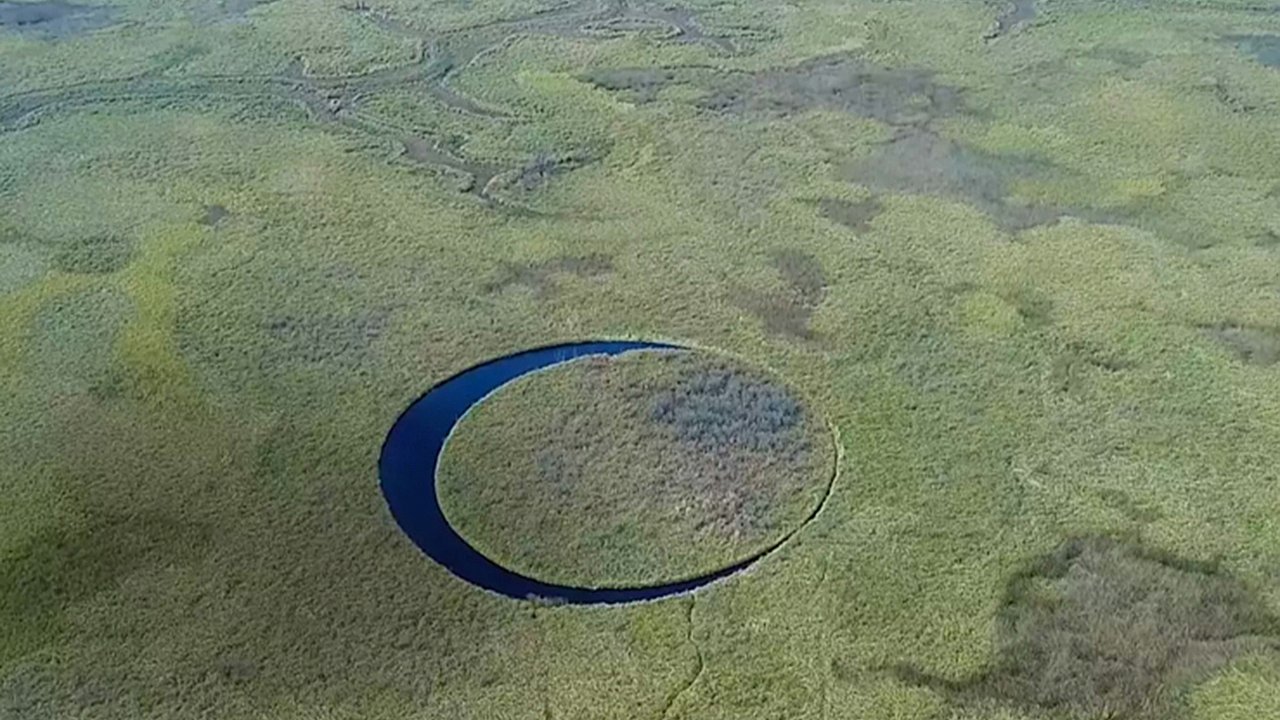
Nestled within the Paraná River Delta, a perfectly circular islet defies logic with its remarkable ability to float and rotate continuously. Known as "El Ojo" or "The Eye," this mysterious landmass sits precisely between Buenos Aires and Campana, Argentina. Unlike other floating islands found worldwide, The Eye stands out due to its distinct shape and unceasing movement, making it a unique natural wonder.
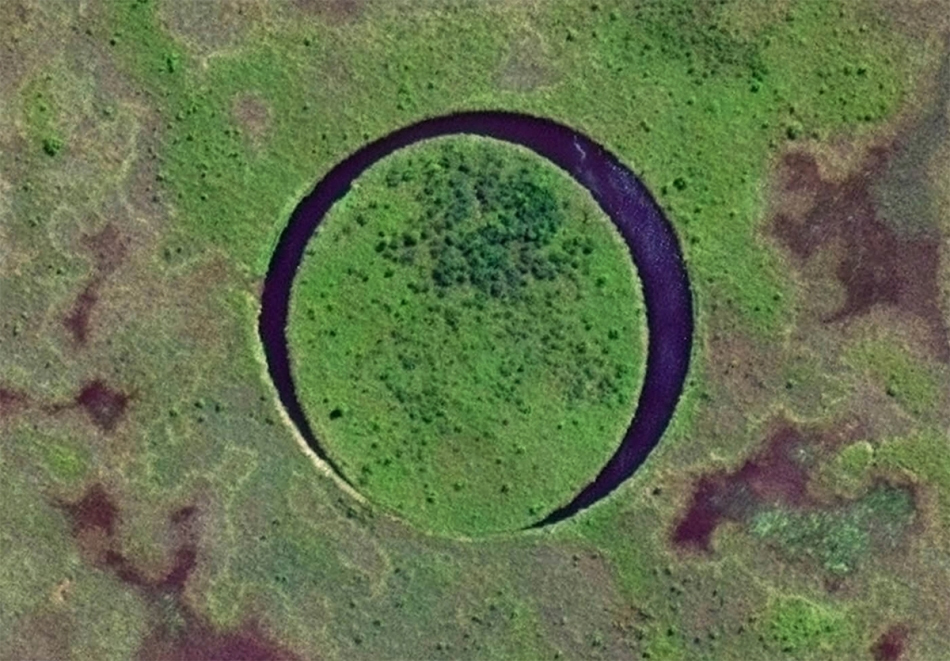 The Paraná River, stretching 4,880 kilometers through Brazil, Paraguay, and Argentina, is South America's second-longest river and home to numerous natural marvels. Among these, The Eye is particularly fascinating. Measuring approximately 120 meters in diameter, the island appears to rotate on its own axis, surrounded by strikingly clear and frigid waters. Floating islands are not uncommon; they have been documented in locations such as Finland, Turkey, Italy, Serbia, the Danube Delta, Lake Titicaca, and Lake Loktak in India. However, none exhibit the consistent rotational motion that defines The Eye.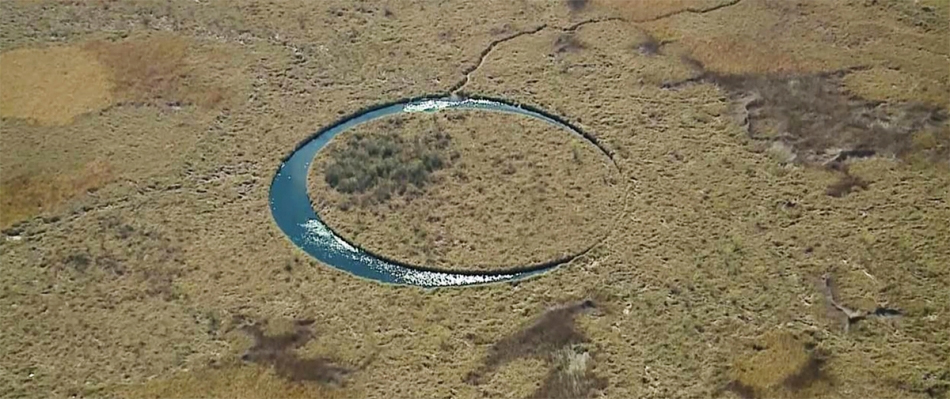
Floating islands typically form when plant roots and aquatic vegetation intertwine, creating a buoyant mass that can drift across a body of water. Often, these islands break apart due to strong winds or storms, eventually settling near the shoreline. However, The Eye remains intact and in constant motion, likely due to special water currents in the Paraná Delta. These currents prevent the island from becoming static by continuously dislodging sediment that accumulates around its edges, ensuring its perpetual movement. The island first gained attention in 2003 but was rediscovered by Argentine filmmaker Sergio Neuspiller in 2016. While scouting locations for a paranormal film, Neuspiller stumbled upon The Eye and later realized it had shifted position upon returning to the site. Upon further investigation, satellite images confirmed that the island had been rotating for nearly two decades.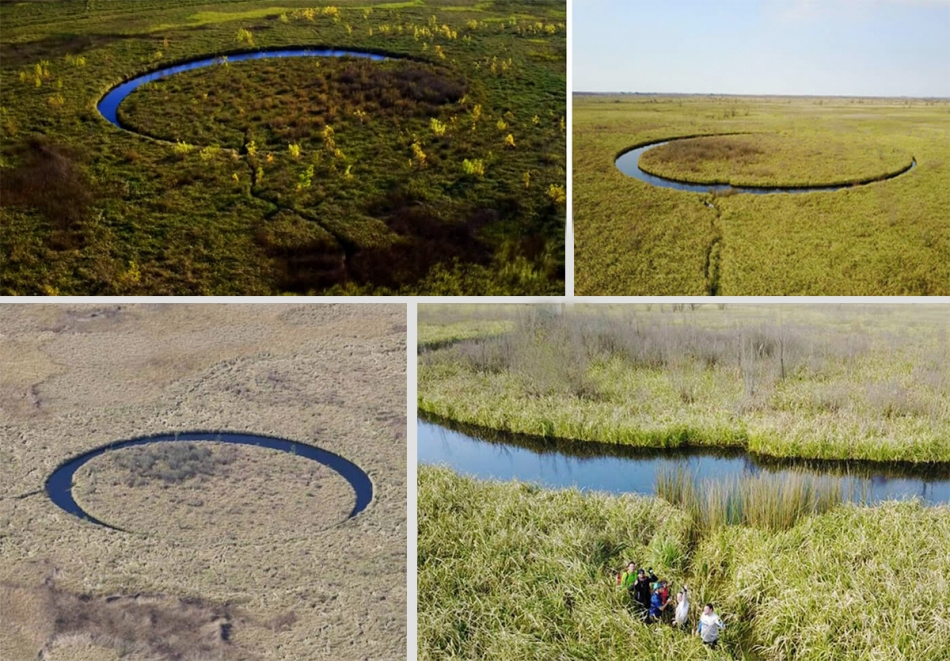
Intrigued by the phenomenon, Neuspiller teamed up with a New York-based engineer to launch an investigative project aiming to uncover the island's secrets. Their goal was to raise $50,000 for research, exploring both scientific and supernatural explanations. Unfortunately, the campaign fell short, raising less than a fifth of the target amount, leaving the mystery of The Eye unsolved.
Despite the lack of formal research, The Eye continues to capture global interest. Its perfect circular shape, seemingly intelligent rotation, and eerie presence fuel speculation about natural forces or even otherworldly influences at play. Whether a product of unique hydrodynamic conditions or an unexplained anomaly, The Eye remains one of the most intriguing mysteries in South America.
The Paraná River, stretching 4,880 kilometers through Brazil, Paraguay, and Argentina, is South America's second-longest river and home to numerous natural marvels. Among these, The Eye is particularly fascinating. Measuring approximately 120 meters in diameter, the island appears to rotate on its own axis, surrounded by strikingly clear and frigid waters. Floating islands are not uncommon; they have been documented in locations such as Finland, Turkey, Italy, Serbia, the Danube Delta, Lake Titicaca, and Lake Loktak in India. However, none exhibit the consistent rotational motion that defines The Eye.Floating islands typically form when plant roots and aquatic vegetation intertwine, creating a buoyant mass that can drift across a body of water. Often, these islands break apart due to strong winds or storms, eventually settling near the shoreline. However, The Eye remains intact and in constant motion, likely due to special water currents in the Paraná Delta. These currents prevent the island from becoming static by continuously dislodging sediment that accumulates around its edges, ensuring its perpetual movement. The island first gained attention in 2003 but was rediscovered by Argentine filmmaker Sergio Neuspiller in 2016. While scouting locations for a paranormal film, Neuspiller stumbled upon The Eye and later realized it had shifted position upon returning to the site. Upon further investigation, satellite images confirmed that the island had been rotating for nearly two decades.
Intrigued by the phenomenon, Neuspiller teamed up with a New York-based engineer to launch an investigative project aiming to uncover the island's secrets. Their goal was to raise $50,000 for research, exploring both scientific and supernatural explanations. Unfortunately, the campaign fell short, raising less than a fifth of the target amount, leaving the mystery of The Eye unsolved.
Despite the lack of formal research, The Eye continues to capture global interest. Its perfect circular shape, seemingly intelligent rotation, and eerie presence fuel speculation about natural forces or even otherworldly influences at play. Whether a product of unique hydrodynamic conditions or an unexplained anomaly, The Eye remains one of the most intriguing mysteries in South America.