The Myth of Walking Trees
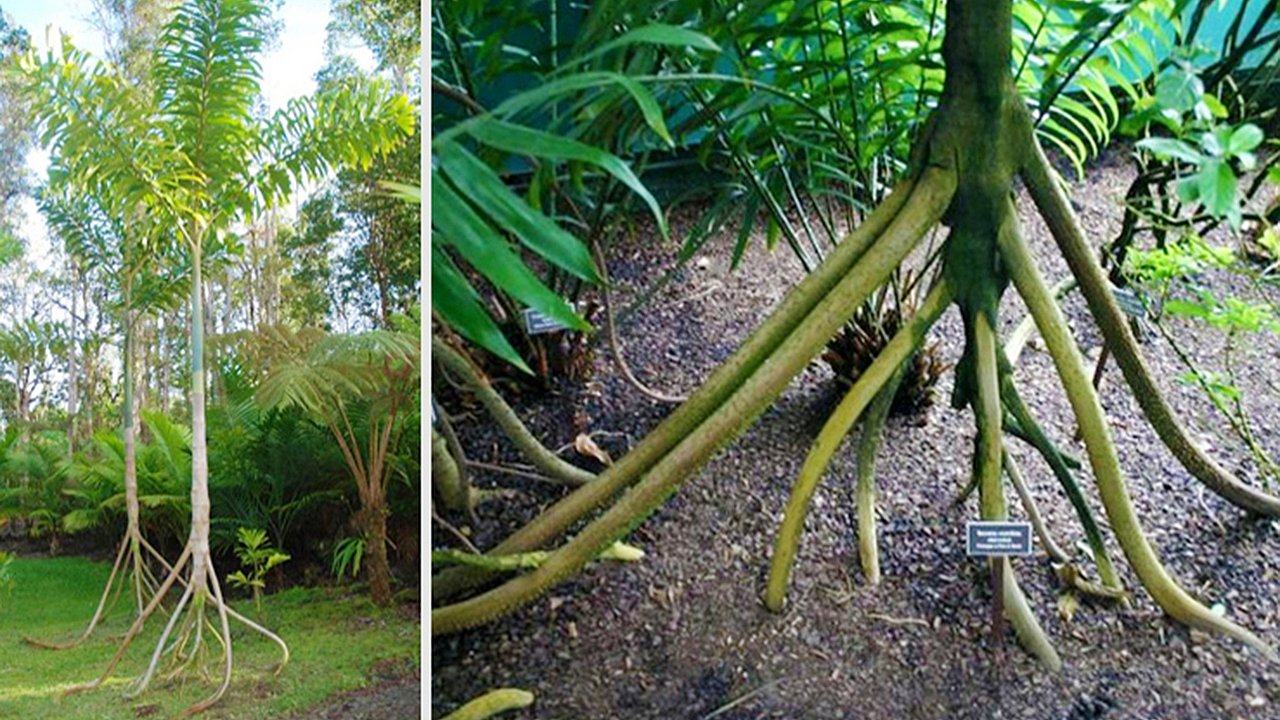
Socratea exorrhiza, often referred to as the “walking palm,” has captivated the imaginations of tourists and locals alike. Much like the towering Ents from The Lord of the Rings, these trees appear to possess an almost magical ability to walk through the forest. The belief stems from their unusual stilt-like root system, which grows above the ground. As older roots die and new ones emerge, it creates the illusion that the tree is shifting locations over time.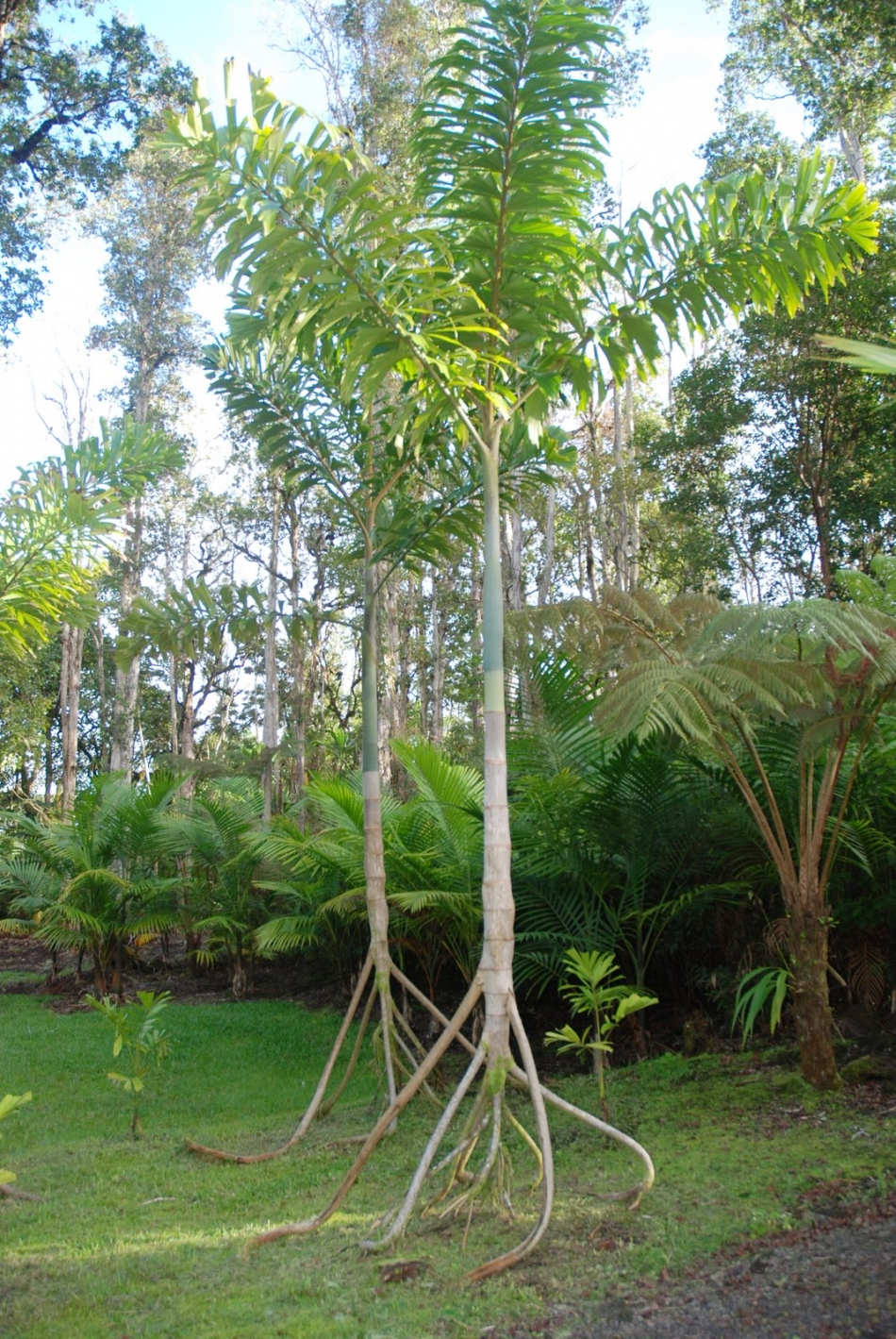
For years, Ecuadorian rainforest guides have shared stories of these mysterious trees moving gradually toward sunlight. Some scientists have suggested that as the soil erodes, the tree develops fresh roots in more stable areas, allowing it to ‘relocate’ over a period of years. Paleobiologist Peter Vrsansky from the Slovak Academy of Sciences, who has conducted research in the Unesco Sumaco Biosphere Reserve, explains that the tree’s adaptation helps it survive in unstable terrain. As the new roots take hold, the trunk adjusts slightly, and the old roots eventually decay, creating an impression of movement.Scientific Skepticism
Despite these fascinating narratives, many experts argue that the walking tree is nothing more than a myth. In a 2005 study, biologist Gerardo Avalos, director of the Center for Sustainable Development Studies in Costa Rica, concluded that while these palms do sprout new roots, they remain firmly in place. He emphasized that there is no scientific evidence proving that these trees can migrate across the forest floor in response to light or soil changes.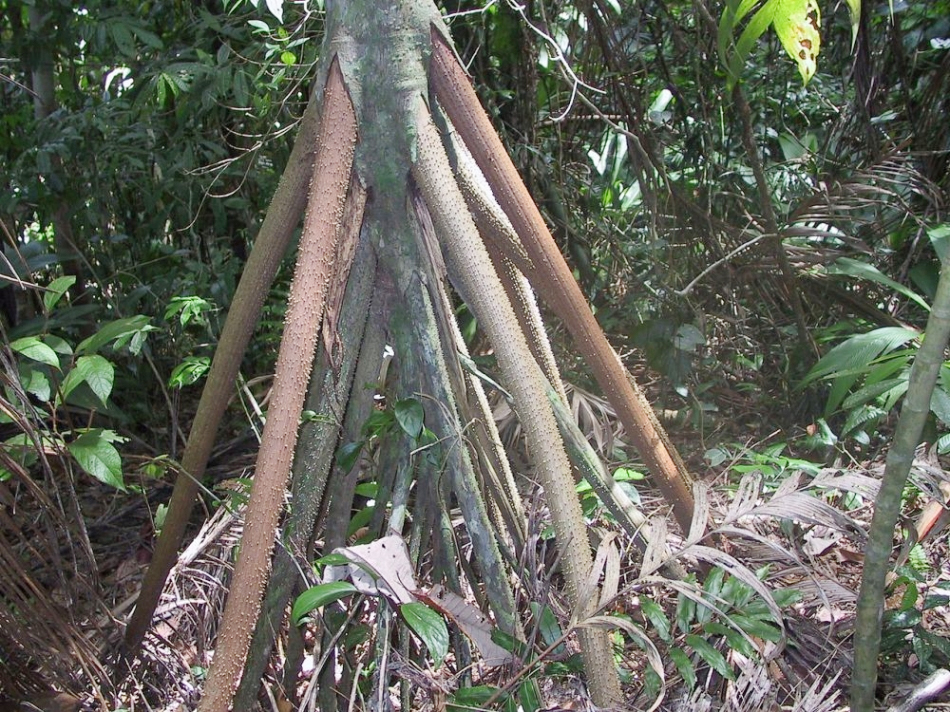
Avalos's study dispelled the long-standing belief by pointing out the lack of time-lapse footage or direct observation of tree movement. Although the unique root system of the Socratea exorrhiza may create the appearance of locomotion, the tree itself remains stationary throughout its life.A Natural Optical Illusion
The walking palm’s distinctive structure continues to fuel speculation, making it a popular topic among nature enthusiasts. Its stilt-like roots extend outward from the trunk, resembling the legs of an enormous creature striding through the rainforest. Over time, as some roots wither and others emerge, the tree’s base subtly alters, reinforcing the illusion that it is inching forward. However, this phenomenon is more of an adaptation for survival rather than an actual movement mechanism.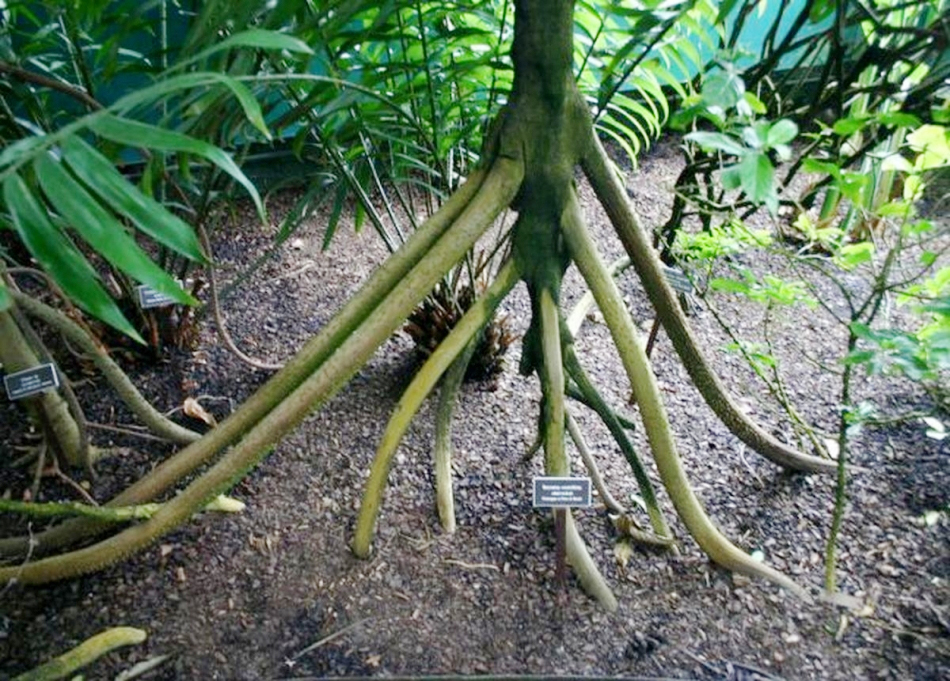
Although the walking tree may not be as mobile as the folklore suggests, nature does feature plants capable of movement. For instance, the Creeping Devil cactus of Mexico actively shifts across the desert landscape by sprouting new growth in one direction while its older sections decay.While the Socratea exorrhiza’s unusual root system certainly makes it one of the most fascinating trees in the world, there is no definitive proof that it truly walks. The stories surrounding it add an element of wonder to Ecuador’s rainforests, enticing visitors to explore the rich biodiversity of this region. Until verifiable evidence emerges, the walking palm will remain one of nature’s most captivating illusions.
Socratea exorrhiza, often referred to as the “walking palm,” has captivated the imaginations of tourists and locals alike. Much like the towering Ents from The Lord of the Rings, these trees appear to possess an almost magical ability to walk through the forest. The belief stems from their unusual stilt-like root system, which grows above the ground. As older roots die and new ones emerge, it creates the illusion that the tree is shifting locations over time.
For years, Ecuadorian rainforest guides have shared stories of these mysterious trees moving gradually toward sunlight. Some scientists have suggested that as the soil erodes, the tree develops fresh roots in more stable areas, allowing it to ‘relocate’ over a period of years. Paleobiologist Peter Vrsansky from the Slovak Academy of Sciences, who has conducted research in the Unesco Sumaco Biosphere Reserve, explains that the tree’s adaptation helps it survive in unstable terrain. As the new roots take hold, the trunk adjusts slightly, and the old roots eventually decay, creating an impression of movement.Scientific Skepticism
Despite these fascinating narratives, many experts argue that the walking tree is nothing more than a myth. In a 2005 study, biologist Gerardo Avalos, director of the Center for Sustainable Development Studies in Costa Rica, concluded that while these palms do sprout new roots, they remain firmly in place. He emphasized that there is no scientific evidence proving that these trees can migrate across the forest floor in response to light or soil changes.
Avalos's study dispelled the long-standing belief by pointing out the lack of time-lapse footage or direct observation of tree movement. Although the unique root system of the Socratea exorrhiza may create the appearance of locomotion, the tree itself remains stationary throughout its life.A Natural Optical Illusion
The walking palm’s distinctive structure continues to fuel speculation, making it a popular topic among nature enthusiasts. Its stilt-like roots extend outward from the trunk, resembling the legs of an enormous creature striding through the rainforest. Over time, as some roots wither and others emerge, the tree’s base subtly alters, reinforcing the illusion that it is inching forward. However, this phenomenon is more of an adaptation for survival rather than an actual movement mechanism.
Although the walking tree may not be as mobile as the folklore suggests, nature does feature plants capable of movement. For instance, the Creeping Devil cactus of Mexico actively shifts across the desert landscape by sprouting new growth in one direction while its older sections decay.While the Socratea exorrhiza’s unusual root system certainly makes it one of the most fascinating trees in the world, there is no definitive proof that it truly walks. The stories surrounding it add an element of wonder to Ecuador’s rainforests, enticing visitors to explore the rich biodiversity of this region. Until verifiable evidence emerges, the walking palm will remain one of nature’s most captivating illusions.