Why You Should Boil Whole Walnuts: A Timeless Culinary Trick
Traditional cooking methods hold many hidden gems, and boiling whole walnuts is one such treasured practice that has stood the test of time. As fast food consumption rises, rediscovering natural, health-enhancing techniques becomes more crucial. Walnuts, revered for their nutritional benefits, can be further improved by utilizing their shells wisely.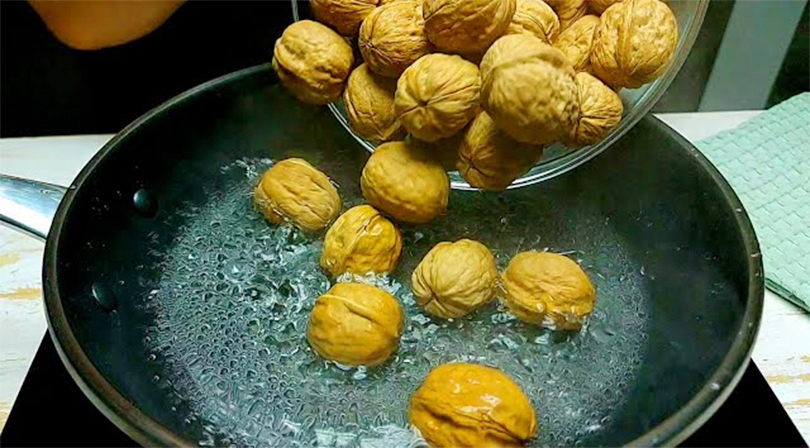
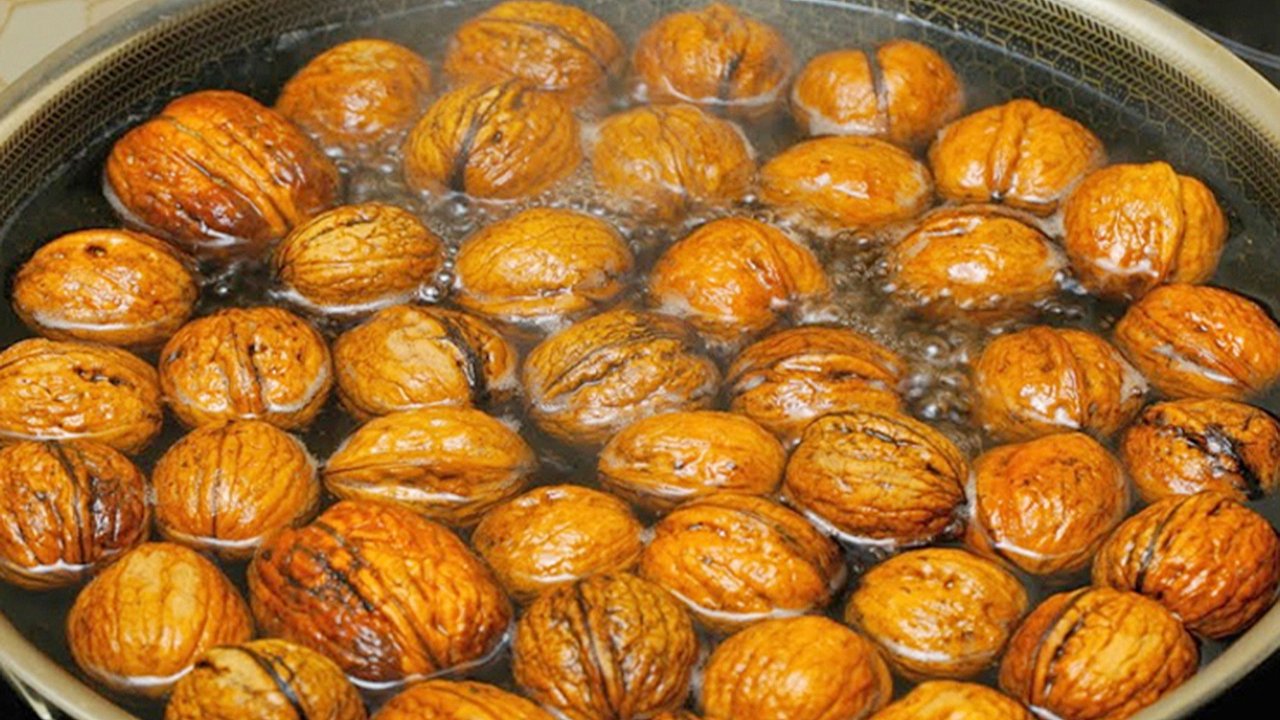
Instead of discarding walnut shells after consumption, consider this age-old technique—boiling whole walnuts. This method, practiced across different cultures, helps to enhance the flavor of walnuts, reduce bitterness, and make them easier to digest.If you ever noticed your grandparents boiling walnuts but never questioned why, there’s a good reason behind it. Whole walnuts contain tannins, compounds responsible for their slightly bitter taste. Boiling them reduces these tannins, making the walnuts taste milder and more enjoyable. Additionally, boiling softens the shell, making it easier to crack open and extract the nutmeat.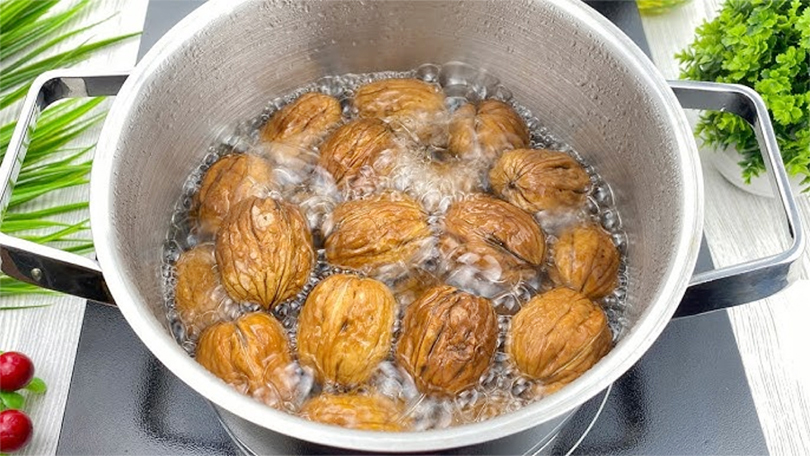
This practice is deeply rooted in Chinese, Persian, and Indian cuisines, where walnuts are often boiled with salt or vinegar to improve their taste and texture. The softened shells also aid in better digestion, allowing the body to absorb the nutrients more efficiently.How to Boil Whole Walnuts: Step-by-Step Guide
Boiling whole walnuts is a straightforward process that requires minimal effort. Follow these simple steps:Rinse the Walnuts: Wash the whole walnuts thoroughly to remove dirt and debris.1. Prepare the Boiling Water: Fill a pot with water and bring it to a rolling boil.2. Add Salt (Optional): A teaspoon of salt can be added to enhance flavor.3. Boil the Walnuts: Submerge the walnuts in the boiling water and let them simmer for 30 minutes.4. Drain and Rinse: Remove the walnuts from the pot, drain the water, and rinse them with cold water.5. Pat Dry and Cool: Use a clean towel to dry the walnuts before handling them.6. Crack Open Easily: The softened shells will now be much easier to crack open, making it simple to extract the nutmeat.Once boiled, these walnuts can be eaten as a snack or incorporated into various dishes, such as salads, stir-fries, baked goods, and desserts.Health Benefits of Boiled Walnuts
Walnuts are a powerhouse of essential nutrients that offer numerous health benefits. Here’s why you should consider adding them to your diet:
Boiling whole walnuts for as little as five minutes significantly improves their taste and texture. Here’s how:1. Start with Whole Walnuts: Ensure they are fresh and still encased in their shells.
2. Bring Water to a Boil: Fill a pot with water and heat it until it reaches a rolling boil.
3. Boil for Five Minutes: Drop the walnuts into the pot and let them boil for a short five-minute duration.
4. Remove and Cool: Drain the water and let the walnuts cool until they are easy to handle.
5. Crack with Ease: Thanks to the brief boiling, the shells will now be significantly softer, making it effortless to extract the kernels.The extracted nutmeat can be enjoyed on its own or used in various dishes, such as salads, baked goods, and desserts.Boiling whole walnuts is a simple yet powerful technique that enhances their flavor, reduces bitterness, and makes them easier to digest. This time-tested method, once a common practice in many traditional kitchens, is making a comeback for good reason.
Next time you have whole walnuts, try boiling them before cracking them open—you’ll be amazed at the difference it makes!
Traditional cooking methods hold many hidden gems, and boiling whole walnuts is one such treasured practice that has stood the test of time. As fast food consumption rises, rediscovering natural, health-enhancing techniques becomes more crucial. Walnuts, revered for their nutritional benefits, can be further improved by utilizing their shells wisely.
Instead of discarding walnut shells after consumption, consider this age-old technique—boiling whole walnuts. This method, practiced across different cultures, helps to enhance the flavor of walnuts, reduce bitterness, and make them easier to digest.If you ever noticed your grandparents boiling walnuts but never questioned why, there’s a good reason behind it. Whole walnuts contain tannins, compounds responsible for their slightly bitter taste. Boiling them reduces these tannins, making the walnuts taste milder and more enjoyable. Additionally, boiling softens the shell, making it easier to crack open and extract the nutmeat.
This practice is deeply rooted in Chinese, Persian, and Indian cuisines, where walnuts are often boiled with salt or vinegar to improve their taste and texture. The softened shells also aid in better digestion, allowing the body to absorb the nutrients more efficiently.How to Boil Whole Walnuts: Step-by-Step Guide
Boiling whole walnuts is a straightforward process that requires minimal effort. Follow these simple steps:Rinse the Walnuts: Wash the whole walnuts thoroughly to remove dirt and debris.1. Prepare the Boiling Water: Fill a pot with water and bring it to a rolling boil.2. Add Salt (Optional): A teaspoon of salt can be added to enhance flavor.3. Boil the Walnuts: Submerge the walnuts in the boiling water and let them simmer for 30 minutes.4. Drain and Rinse: Remove the walnuts from the pot, drain the water, and rinse them with cold water.5. Pat Dry and Cool: Use a clean towel to dry the walnuts before handling them.6. Crack Open Easily: The softened shells will now be much easier to crack open, making it simple to extract the nutmeat.Once boiled, these walnuts can be eaten as a snack or incorporated into various dishes, such as salads, stir-fries, baked goods, and desserts.Health Benefits of Boiled Walnuts
Walnuts are a powerhouse of essential nutrients that offer numerous health benefits. Here’s why you should consider adding them to your diet:
- Rich in Omega-3 Fatty Acids: Helps reduce inflammation and supports heart health.
- Packed with Antioxidants: Protects against oxidative stress and chronic diseases.
- Boosts Brain Function: Enhances memory and cognitive function.
- Aids in Blood Sugar Control: Beneficial for individuals managing diabetes.
- Supports Heart Health: Helps lower cholesterol and reduces the risk of cardiovascular diseases.
- Anti-Cancer Properties: Studies suggest that walnuts may help reduce the risk of certain cancers.
- Weight Management: Despite being calorie-dense, walnuts promote satiety, preventing overeating.
Boiling whole walnuts for as little as five minutes significantly improves their taste and texture. Here’s how:1. Start with Whole Walnuts: Ensure they are fresh and still encased in their shells.
2. Bring Water to a Boil: Fill a pot with water and heat it until it reaches a rolling boil.
3. Boil for Five Minutes: Drop the walnuts into the pot and let them boil for a short five-minute duration.
4. Remove and Cool: Drain the water and let the walnuts cool until they are easy to handle.
5. Crack with Ease: Thanks to the brief boiling, the shells will now be significantly softer, making it effortless to extract the kernels.The extracted nutmeat can be enjoyed on its own or used in various dishes, such as salads, baked goods, and desserts.Boiling whole walnuts is a simple yet powerful technique that enhances their flavor, reduces bitterness, and makes them easier to digest. This time-tested method, once a common practice in many traditional kitchens, is making a comeback for good reason.
Next time you have whole walnuts, try boiling them before cracking them open—you’ll be amazed at the difference it makes!