The secret power of walnuts
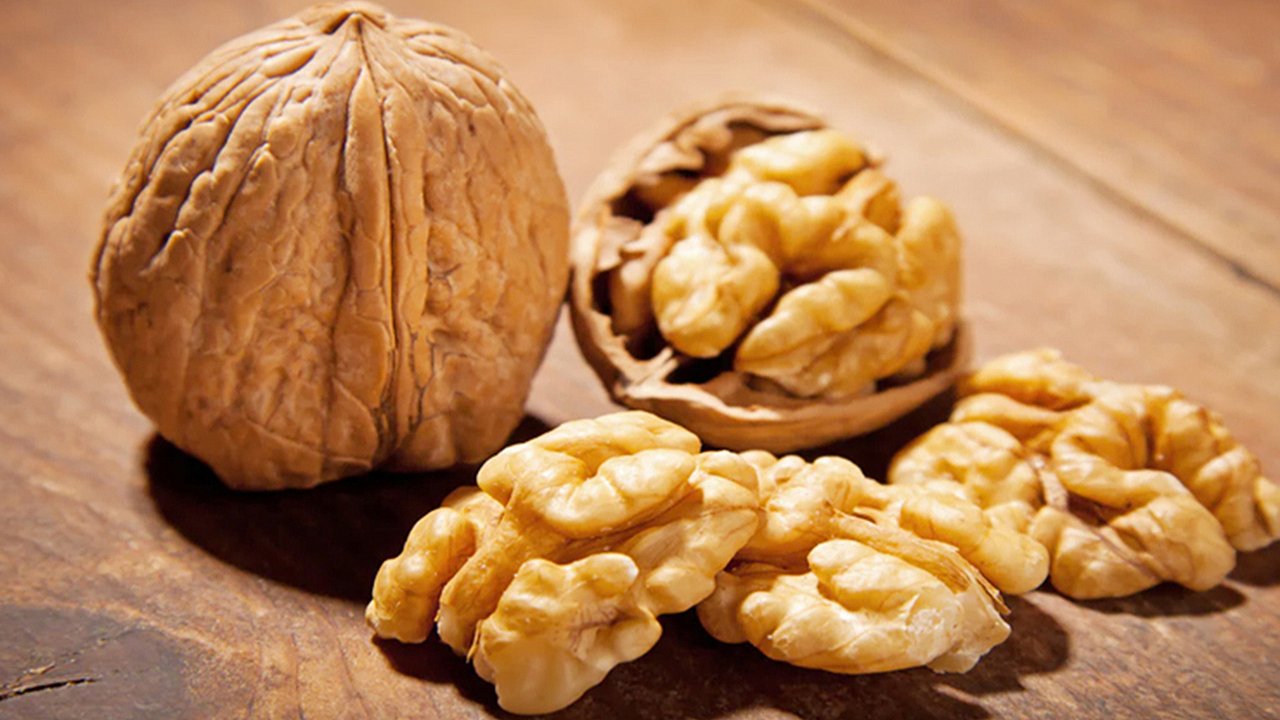
These flavorful, brain-shaped nuts provide an impressive combination of essential fats, vitamins, antioxidants, fiber, and plant compounds that support nearly every major system in the body. Doctors often recommend walnuts as part of a balanced diet because they deliver powerful health benefits in small servings, making them an easy addition to meals or snacks.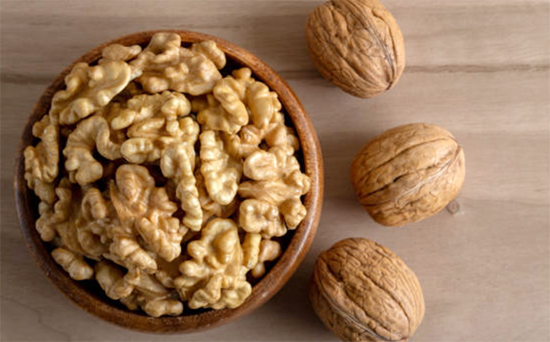 Whether you want to protect your heart, improve your mental clarity, manage your weight, or simply feel more energized, walnuts offer a natural solution backed by modern research. Their unique blend of omega-3 fatty acids, polyphenols, and fiber works synergistically to reduce inflammation, maintain metabolic balance, and support long-term wellness. Below, you’ll discover the specific ways walnuts can enhance your health and why eating them daily may be one of the best habits you can develop.A heart-healthy powerhouse
Walnuts are widely known for promoting cardiovascular health, and much of their power comes from their high concentration of omega-3 fatty acids, particularly alpha-linolenic acid (ALA). This essential nutrient plays a key role in reducing inflammation throughout the body, which is crucial for preventing plaque buildup in arteries. Studies show that people who include walnuts in their diet often experience lower LDL cholesterol levels and improved blood vessel elasticity, two factors strongly associated with a reduced risk of heart attack and stroke.Doctors frequently recommend walnuts to individuals looking to improve their heart health naturally. Just a small handful contributes to healthier blood pressure, better circulation, and overall cardiovascular resilience. Adding walnuts to meals like salads, yogurt bowls, and oatmeal is an easy way to support long-term heart wellness.Packed with antioxidants
One of the most impressive features of walnuts is their exceptionally high antioxidant content. They contain powerful compounds such as polyphenols, vitamin E, and melatonin, all of which work to combat oxidative stress. Oxidative stress is a major contributor to cellular damage and chronic inflammation, both of which are linked to conditions like cancer, diabetes, and premature aging.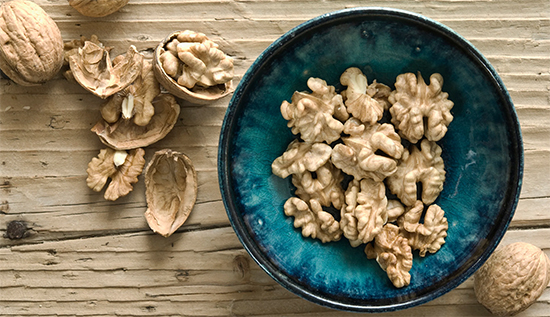 Eating walnuts daily helps neutralize harmful free radicals, protecting cells and supporting healthier aging. Their antioxidant strength also enhances immune function and increases the body’s resilience against environmental stressors. This makes walnuts an excellent choice for those seeking to boost their overall health naturally through nutrition.Boosts brain function and memory
Walnuts are often referred to as “brain food,” and the nickname is well-deserved. Their nutritious profile supports cognitive performance, mood stability, and long-term brain health. Studies suggest that Eating walnuts regularly may improve memory, focus, and processing speed, especially in older adults.The combination of polyunsaturated fats, polyphenols, and vitamin E helps protect brain cells from inflammation and oxidative damage. These nutrients also support neurotransmitter function, which contributes to better mental clarity and emotional balance. For students, professionals, and seniors alike, adding walnuts to the diet is an easy way to support sharper thinking and improved concentration.Improves gut health naturally
A healthy gut is essential for digestion, immunity, and even mood regulation, and walnuts play a valuable role in strengthening the microbiome. They act as a natural prebiotic by feeding beneficial gut bacteria, helping these microbes thrive and maintain balance. Research shows that a single daily serving of walnuts can increase the diversity of good bacteria in the intestines.A balanced gut reduces inflammation, supports smoother digestion, and enhances nutrient absorption. This makes walnuts an excellent choice for individuals looking to improve their digestive health without taking supplements. Adding them to meals or snacks can make a noticeable difference in overall digestive comfort and immune support.Helps manage weight
Although walnuts are calorie-dense, they are surprisingly helpful for weight management. Their combination of fiber, protein, and healthy fats promotes fullness and reduces cravings, making them ideal for anyone trying to control their appetite. Studies have found that people who include nuts in their diet tend to have healthier body weights and are less likely to overeat.Walnuts also help stabilize blood sugar and reduce spikes in hunger, which can contribute to better eating habits throughout the day. When enjoyed in moderation, they can be a satisfying and nutritious snack that supports long-term weight control.Supports blood sugar and diabetes control
For individuals managing diabetes or seeking to prevent it, walnuts are a smart dietary choice. They are low in carbohydrates but rich in healthy fats, antioxidants, and fiber, which work together to improve insulin sensitivity and stabilize blood sugar levels. Research suggests that regular walnut consumption may reduce the risk of developing type 2 diabetes.Incorporating walnuts into meals can help slow digestion and prevent glucose spikes, making them particularly beneficial for individuals monitoring their carbohydrate intake. They pair well with high-protein foods and complex carbohydrates, creating balanced meals that support metabolic health.
These flavorful, brain-shaped nuts provide an impressive combination of essential fats, vitamins, antioxidants, fiber, and plant compounds that support nearly every major system in the body. Doctors often recommend walnuts as part of a balanced diet because they deliver powerful health benefits in small servings, making them an easy addition to meals or snacks.
Whether you want to protect your heart, improve your mental clarity, manage your weight, or simply feel more energized, walnuts offer a natural solution backed by modern research. Their unique blend of omega-3 fatty acids, polyphenols, and fiber works synergistically to reduce inflammation, maintain metabolic balance, and support long-term wellness. Below, you’ll discover the specific ways walnuts can enhance your health and why eating them daily may be one of the best habits you can develop.A heart-healthy powerhouseWalnuts are widely known for promoting cardiovascular health, and much of their power comes from their high concentration of omega-3 fatty acids, particularly alpha-linolenic acid (ALA). This essential nutrient plays a key role in reducing inflammation throughout the body, which is crucial for preventing plaque buildup in arteries. Studies show that people who include walnuts in their diet often experience lower LDL cholesterol levels and improved blood vessel elasticity, two factors strongly associated with a reduced risk of heart attack and stroke.Doctors frequently recommend walnuts to individuals looking to improve their heart health naturally. Just a small handful contributes to healthier blood pressure, better circulation, and overall cardiovascular resilience. Adding walnuts to meals like salads, yogurt bowls, and oatmeal is an easy way to support long-term heart wellness.Packed with antioxidants
One of the most impressive features of walnuts is their exceptionally high antioxidant content. They contain powerful compounds such as polyphenols, vitamin E, and melatonin, all of which work to combat oxidative stress. Oxidative stress is a major contributor to cellular damage and chronic inflammation, both of which are linked to conditions like cancer, diabetes, and premature aging.
Eating walnuts daily helps neutralize harmful free radicals, protecting cells and supporting healthier aging. Their antioxidant strength also enhances immune function and increases the body’s resilience against environmental stressors. This makes walnuts an excellent choice for those seeking to boost their overall health naturally through nutrition.Boosts brain function and memoryWalnuts are often referred to as “brain food,” and the nickname is well-deserved. Their nutritious profile supports cognitive performance, mood stability, and long-term brain health. Studies suggest that Eating walnuts regularly may improve memory, focus, and processing speed, especially in older adults.The combination of polyunsaturated fats, polyphenols, and vitamin E helps protect brain cells from inflammation and oxidative damage. These nutrients also support neurotransmitter function, which contributes to better mental clarity and emotional balance. For students, professionals, and seniors alike, adding walnuts to the diet is an easy way to support sharper thinking and improved concentration.Improves gut health naturally
A healthy gut is essential for digestion, immunity, and even mood regulation, and walnuts play a valuable role in strengthening the microbiome. They act as a natural prebiotic by feeding beneficial gut bacteria, helping these microbes thrive and maintain balance. Research shows that a single daily serving of walnuts can increase the diversity of good bacteria in the intestines.A balanced gut reduces inflammation, supports smoother digestion, and enhances nutrient absorption. This makes walnuts an excellent choice for individuals looking to improve their digestive health without taking supplements. Adding them to meals or snacks can make a noticeable difference in overall digestive comfort and immune support.Helps manage weight
Although walnuts are calorie-dense, they are surprisingly helpful for weight management. Their combination of fiber, protein, and healthy fats promotes fullness and reduces cravings, making them ideal for anyone trying to control their appetite. Studies have found that people who include nuts in their diet tend to have healthier body weights and are less likely to overeat.Walnuts also help stabilize blood sugar and reduce spikes in hunger, which can contribute to better eating habits throughout the day. When enjoyed in moderation, they can be a satisfying and nutritious snack that supports long-term weight control.Supports blood sugar and diabetes control
For individuals managing diabetes or seeking to prevent it, walnuts are a smart dietary choice. They are low in carbohydrates but rich in healthy fats, antioxidants, and fiber, which work together to improve insulin sensitivity and stabilize blood sugar levels. Research suggests that regular walnut consumption may reduce the risk of developing type 2 diabetes.Incorporating walnuts into meals can help slow digestion and prevent glucose spikes, making them particularly beneficial for individuals monitoring their carbohydrate intake. They pair well with high-protein foods and complex carbohydrates, creating balanced meals that support metabolic health.