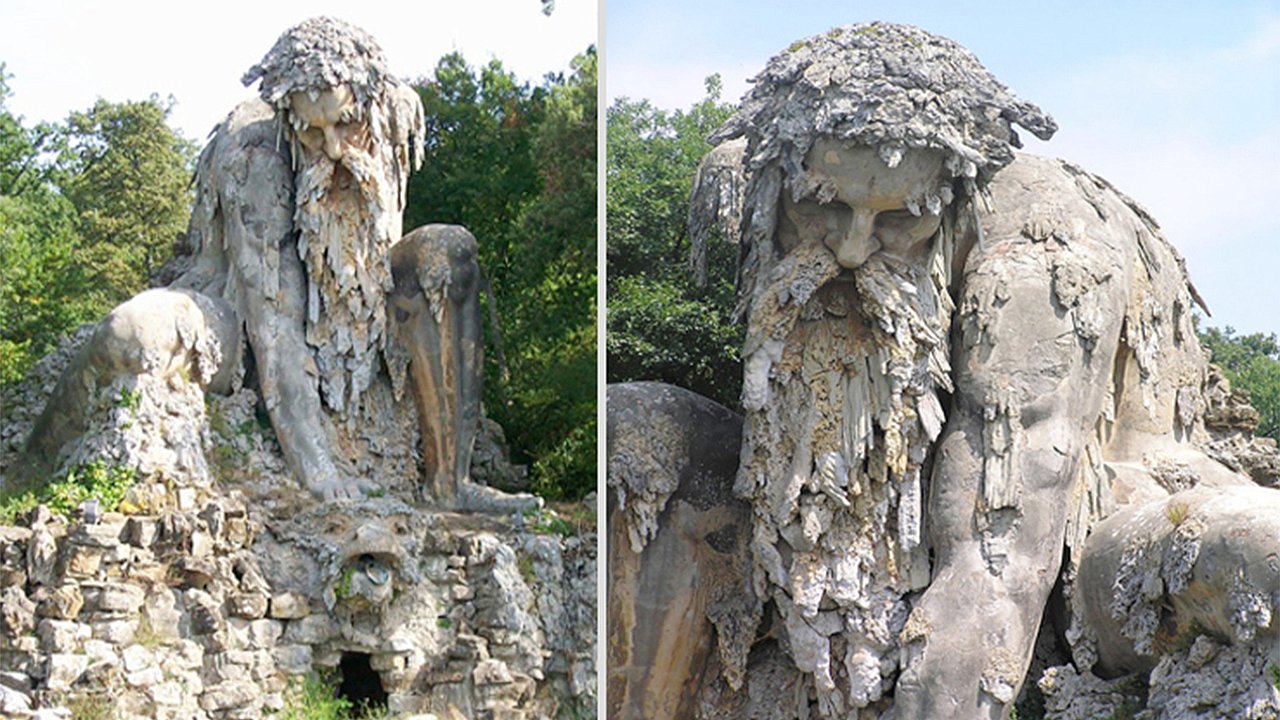
Italy is a country renowned for its breathtaking architecture and profound historical significance. While the Colosseum and Venice often dominate conversations, a lesser-known but equally magnificent landmark stands in Tuscany. The Colossus of the Apennines, an enormous 16th-century sculpture, has silently watched over the landscape for over 400 years, guarding a rich and mysterious history within its hidden chambers.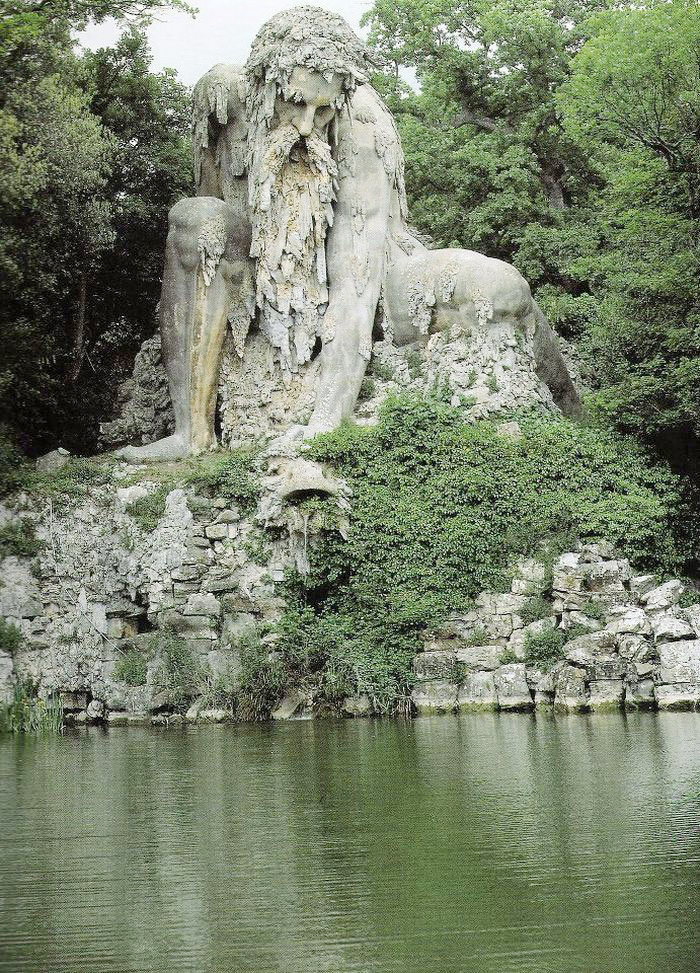 The Grand Duke’s Vision: A Palace for Love
In 1568, Grand Duke Francesco I de Medici purchased an estate in the rolling hills north of Florence. He named it Medicean Paggeria of Pratolino and gifted it to his beloved mistress, Bianca Cappello. The Duke sought to transform the estate into an enchanting retreat and enlisted a celebrated architect to bring his vision to life.
A magnificent villa emerged, surrounded by an exquisite park adorned with lush gardens, grand fountains, and elaborate bronze sculptures. Among these artistic marvels stood the most imposing figure of all—the Colossus of the Apennines, sculpted by the masterful hands of Giambologna.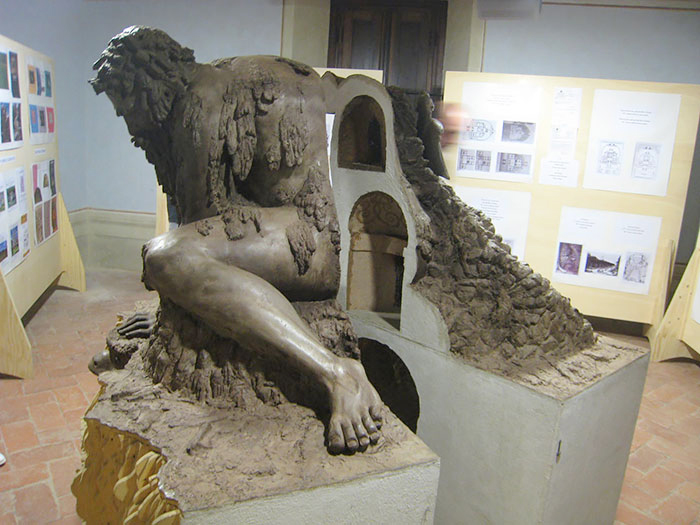 The Colossus of the Apennines: A Timeless Guardian
This massive brick and stone sculpture, depicting a watchful guardian seated atop his rocky throne, is the only surviving relic from the estate’s golden era. The villa and much of the park fell into ruin following the deaths of Francesco and Bianca, leaving the Colossus as the last testament to its former splendor. Within the giant’s hollow structure, secret rooms and passageways lie concealed, hinting at the ingenuity of Renaissance architecture. The Colossus stands not merely as an artistic masterpiece but as a monument to the passage of time, its weathered form still exuding a powerful presence centuries later.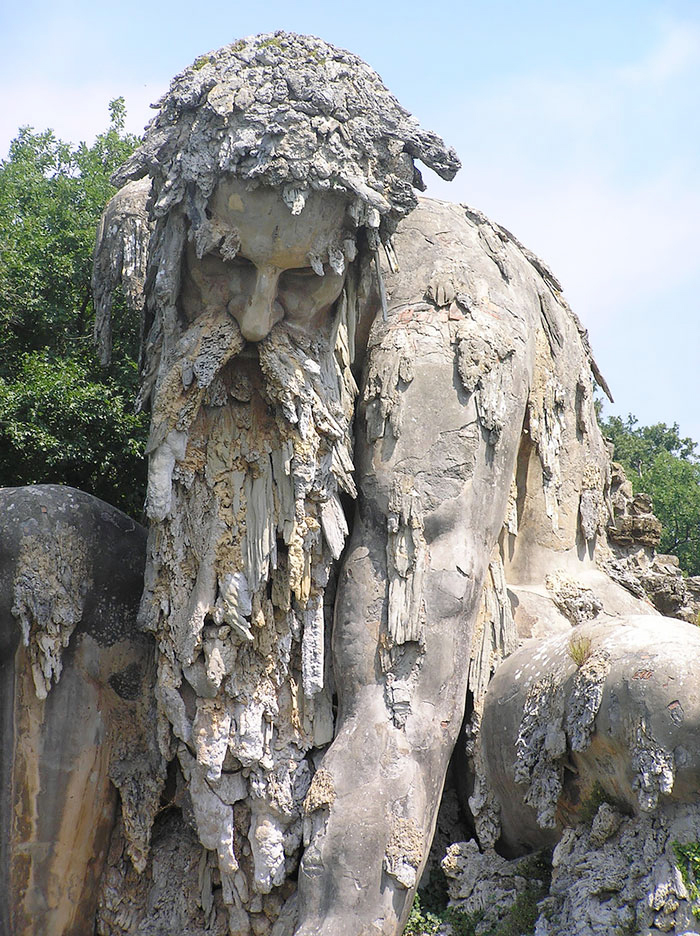 Restoration and Preservation: A New Era for the Estate
In 1872, Russian prince Paolo II Demidoff acquired the estate and set out to restore its former glory. He revitalized the abandoned park and renamed the estate Villa Demidoff. His efforts ensured that the Colossus and the surrounding landscape remained preserved for future generations. A century later, the Florence Province Council took ownership of the property, transforming it into a public park. Today, the Park of Pratolino welcomes visitors who wish to marvel at its historic beauty.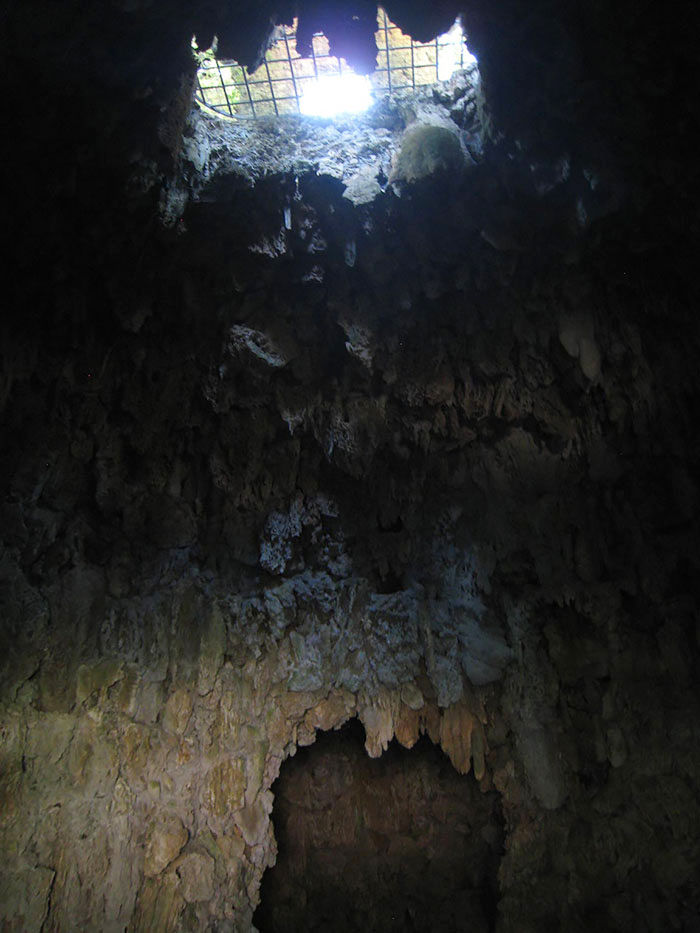 The Park of Pratolino is open to the public on weekends and holidays. Weekday visits require prior booking. Walking among its scenic landscapes, visitors can admire the towering Colossus, whose imposing presence continues to captivate onlookers just as it did in centuries past. For those who seek a blend of history, art, and nature, this hidden gem in Tuscany offers an unforgettable experience.
The Grand Duke’s Vision: A Palace for LoveIn 1568, Grand Duke Francesco I de Medici purchased an estate in the rolling hills north of Florence. He named it Medicean Paggeria of Pratolino and gifted it to his beloved mistress, Bianca Cappello. The Duke sought to transform the estate into an enchanting retreat and enlisted a celebrated architect to bring his vision to life.
A magnificent villa emerged, surrounded by an exquisite park adorned with lush gardens, grand fountains, and elaborate bronze sculptures. Among these artistic marvels stood the most imposing figure of all—the Colossus of the Apennines, sculpted by the masterful hands of Giambologna.
The Colossus of the Apennines: A Timeless GuardianThis massive brick and stone sculpture, depicting a watchful guardian seated atop his rocky throne, is the only surviving relic from the estate’s golden era. The villa and much of the park fell into ruin following the deaths of Francesco and Bianca, leaving the Colossus as the last testament to its former splendor. Within the giant’s hollow structure, secret rooms and passageways lie concealed, hinting at the ingenuity of Renaissance architecture. The Colossus stands not merely as an artistic masterpiece but as a monument to the passage of time, its weathered form still exuding a powerful presence centuries later.
Restoration and Preservation: A New Era for the EstateIn 1872, Russian prince Paolo II Demidoff acquired the estate and set out to restore its former glory. He revitalized the abandoned park and renamed the estate Villa Demidoff. His efforts ensured that the Colossus and the surrounding landscape remained preserved for future generations. A century later, the Florence Province Council took ownership of the property, transforming it into a public park. Today, the Park of Pratolino welcomes visitors who wish to marvel at its historic beauty.
The Park of Pratolino is open to the public on weekends and holidays. Weekday visits require prior booking. Walking among its scenic landscapes, visitors can admire the towering Colossus, whose imposing presence continues to captivate onlookers just as it did in centuries past. For those who seek a blend of history, art, and nature, this hidden gem in Tuscany offers an unforgettable experience.