1. The Bermuda Triangle, Atlantic Ocean
Known as the Devil’s Triangle, this mysterious region in the Atlantic Ocean—stretching between Florida, Puerto Rico, and Bermuda—has long been associated with unexplained disappearances of ships, aircraft, and even entire crews. Tales of compass malfunctions, violent storms, and magnetic anomalies have fueled speculation for decades. First coined by writer Vincent Gaddis in a 1964 article, the Bermuda Triangle spans over 1.5 million square miles. Despite its ominous reputation, many now explore its sun-drenched islands like Turks and Caicos or the mystical caves of Bermuda. Whether it's natural phenomena or human error, the enigma remains unsolved.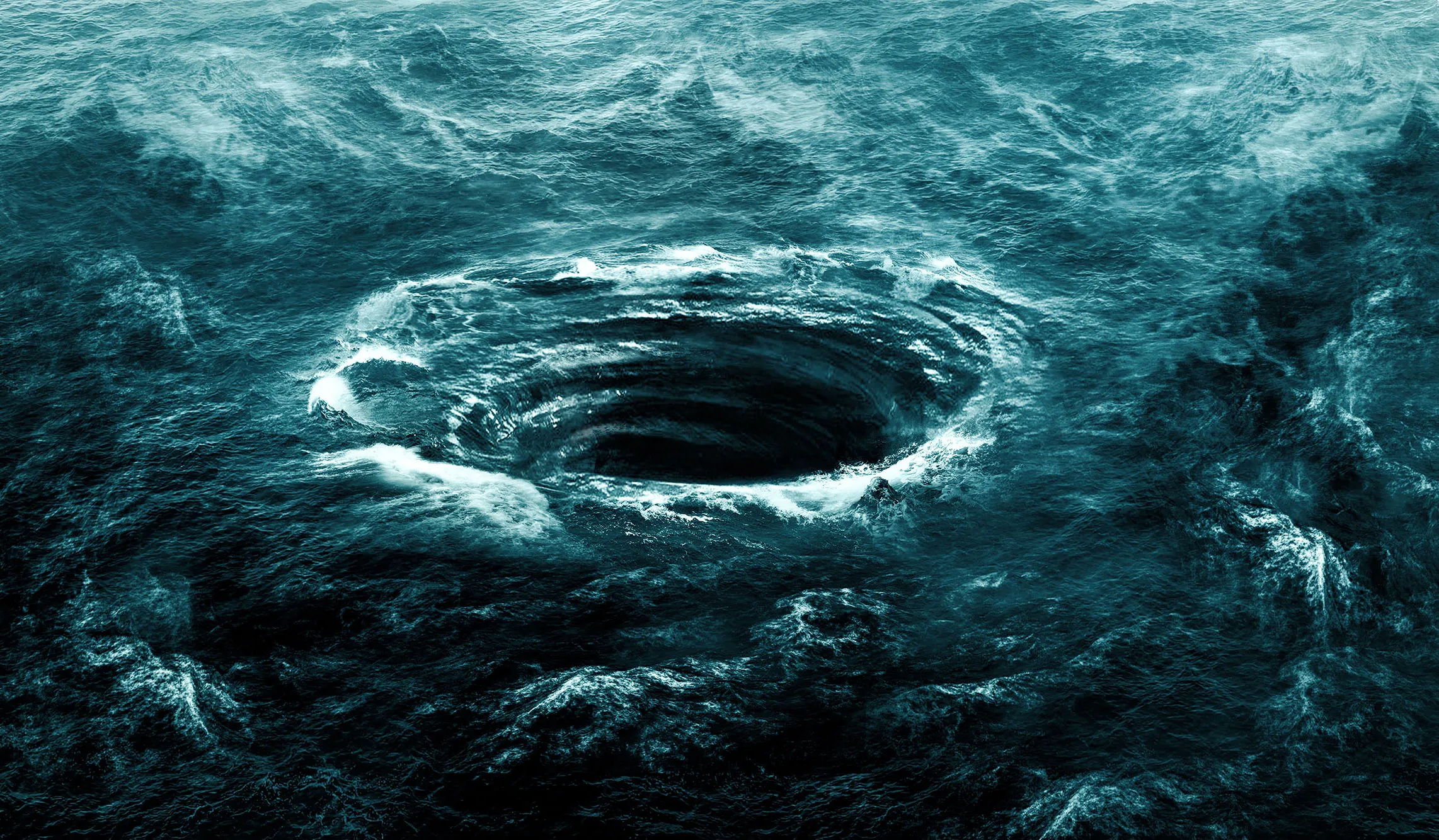 2. Aokigahara: Japan’s Haunted Forest
Nestled at the base of Mount Fuji, Aokigahara—also called the Sea of Trees—is infamous for its dense vegetation and tragic history. Known as Japan's Suicide Forest, it covers 30 square kilometers and is eerily silent due to the sound-absorbing volcanic rock. Folklore tells of souls left behind during times of famine, leading to the belief that vengeful spirits haunt the forest. Authorities conduct annual searches, but the actual number of suicides remains undisclosed. Despite its dark reputation, the forest is also a place of haunting natural beauty, with moss-covered trees and glistening streams.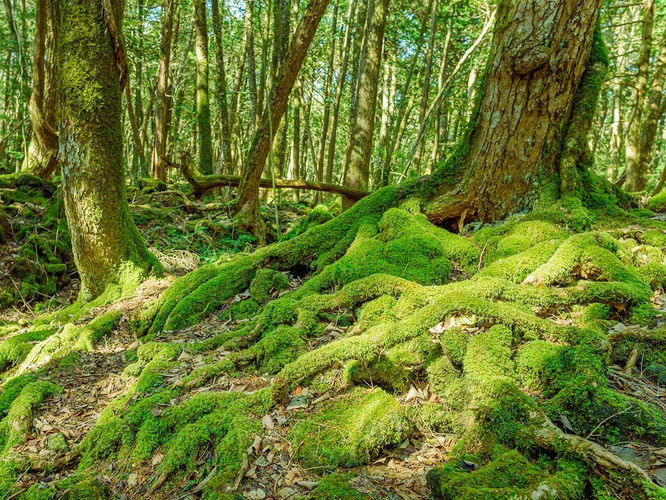 3. Island of the Dolls, Mexico
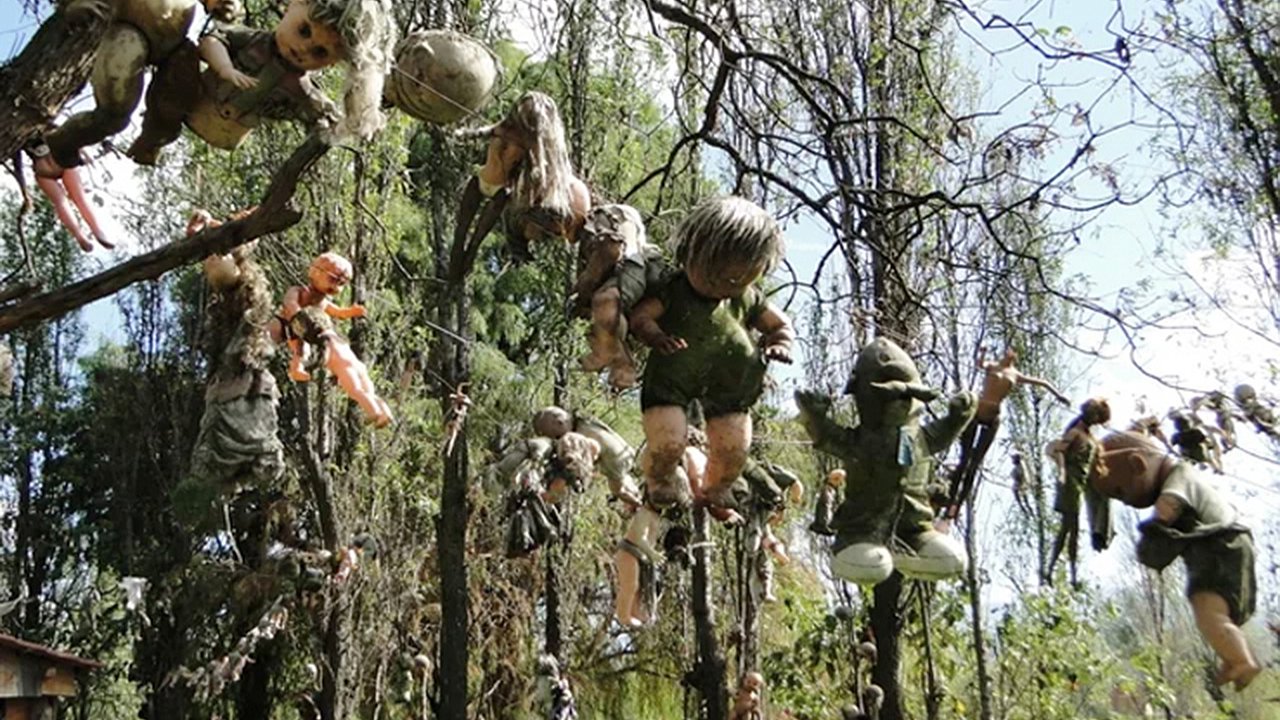
Deep within Mexico City’s Xochimilco canals lies La Isla de las Muñecas—the Island of the Dolls. Hundreds of decaying dolls hang from trees, creating a spine-chilling atmosphere. Don Julian Santana Barrera, the island’s caretaker, began placing dolls to appease the spirit of a drowned girl he believed haunted the island. Over time, the island transformed into a ghostly shrine. Even after Julian's mysterious death, the dolls remain, their vacant stares continuing to unsettle visitors. Whether urban legend or genuine paranormal hotspot, this island is one of the eeriest destinations in Mexico.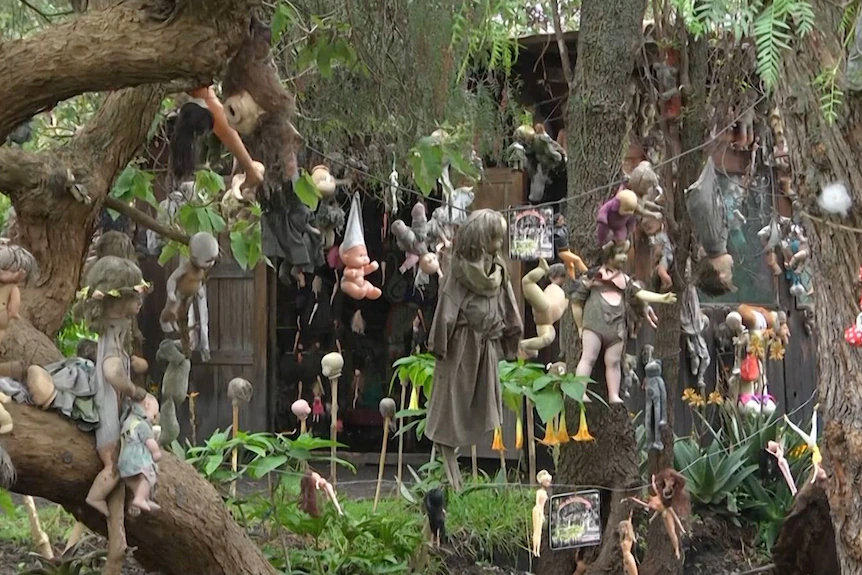 4. The Door to Hell, Turkmenistan
In the middle of the Karakum Desert lies the Darvaza Gas Crater, more commonly known as the Door to Hell. This fiery pit has been ablaze since 1971 when a Soviet drilling operation accidentally collapsed into a cavern filled with natural gas. To prevent toxic fumes, scientists ignited it, expecting it to burn out in a few weeks—yet it still burns over 50 years later. Despite its infernal appearance, the site has become a major tourist attraction, especially for those intrigued by nature's unpredictability and raw power.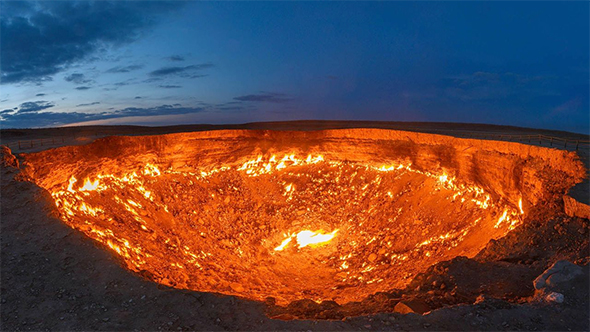 5. Danakil Depression, Ethiopia
Often dubbed the Hottest Place on Earth, the Danakil Depression sits along Ethiopia’s border with Eritrea. With temperatures soaring above 35°C (95°F) year-round, this geologically active zone features lava lakes, acid pools, and geysers spewing toxic fumes. This surreal landscape, formed by the divergence of three tectonic plates, resembles an alien planet more than Earth. Locals call it the Gateway to Hell, where fire springs from the ground and survival is nearly impossible. Despite the harshness, it’s a magnet for adventure seekers and scientists studying extreme environments.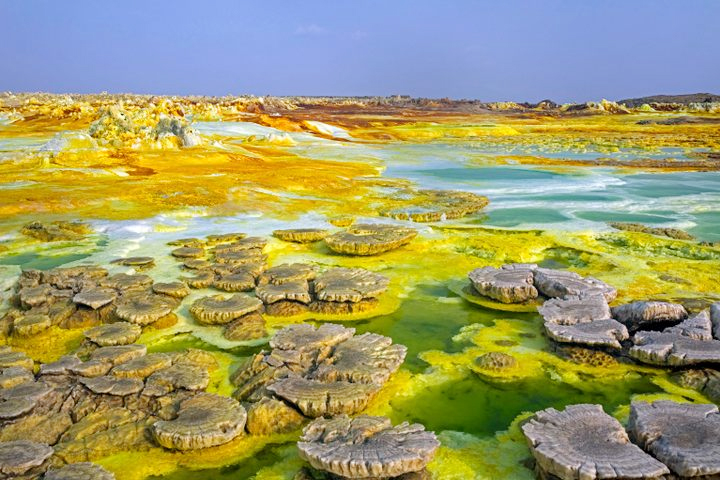 6. The Eye of the Sahara, Mauritania
Visible from space, the Richat Structure—or Eye of the Sahara—is a vast, circular geological formation in the Sahara Desert of Mauritania. Spanning nearly 50 kilometers in diameter, its bull’s-eye pattern has puzzled geologists and conspiracy theorists alike. Once thought to be an impact crater, it is now believed to have formed through erosion. Some believe it may even be the location of the lost city of Atlantis. Whatever its origin, the structure’s mesmerizing symmetry makes it one of the most unique and little-understood natural landmarks on Earth.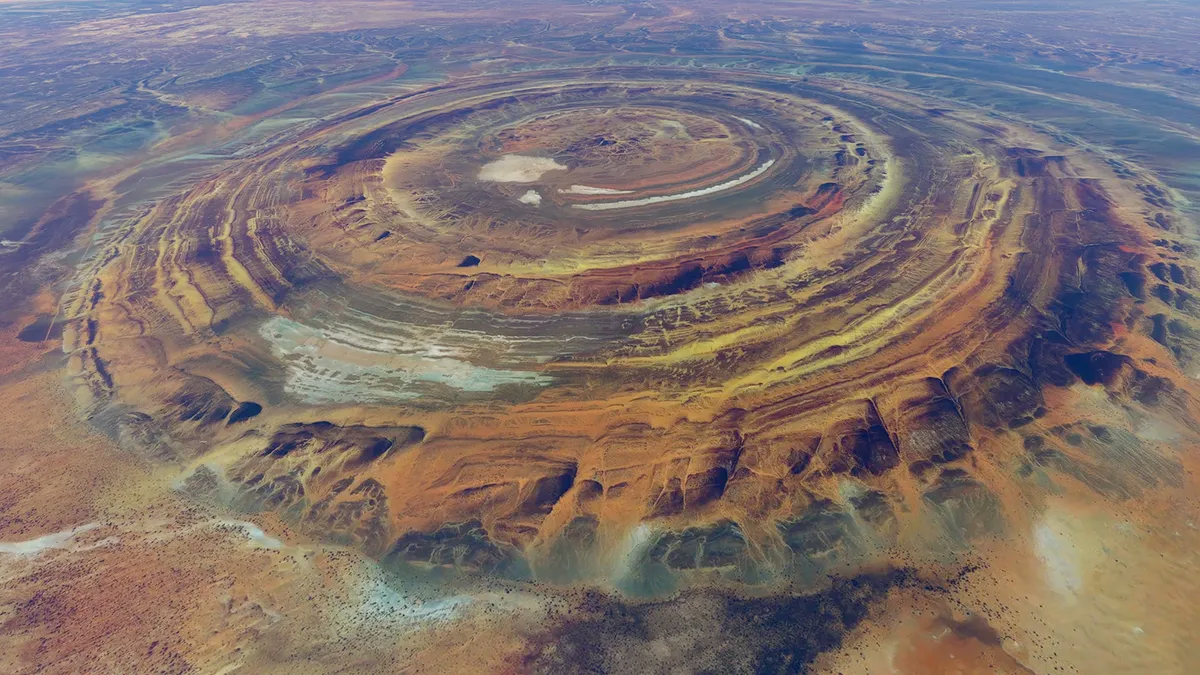 7. Blood Falls, Antarctica
In the frozen wilderness of Antarctica, Blood Falls spills a crimson stream down the icy face of Taylor Glacier. Discovered in 1911, this five-story waterfall perplexed scientists for decades until they discovered it was caused by iron-rich, oxygen-deprived water oxidizing upon contact with air. The blood-red color evokes images of a horror movie set in the most remote part of the planet. While the mystery of its color is solved, how this subglacial reservoir has remained liquid and isolated for over a million years continues to intrigue researchers.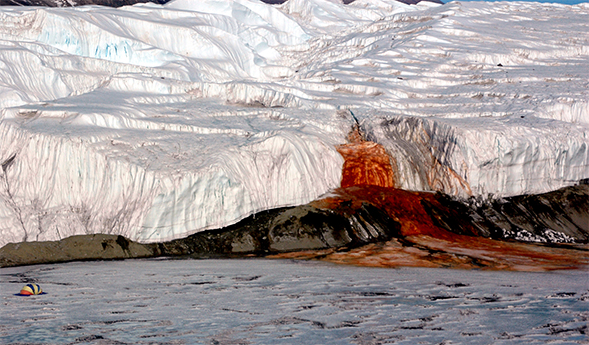 8. Skaftafell Ice Caves, Iceland
Part of Vatnajökull National Park, Skaftafell is renowned for its otherworldly ice caves, formed by retreating glacier rivers during winter. These temporary caverns shine in translucent shades of blue, giving visitors the feeling of walking through frozen time. The reserve boasts contrasting landscapes: black sand deserts, verdant flora, waterfalls, and glacier lagoons. Skaftafell was once a national park on its own due to its exceptional natural diversity. Today, it remains a highlight of Iceland’s stunning scenery, offering surreal experiences for adventurers and nature lovers alike.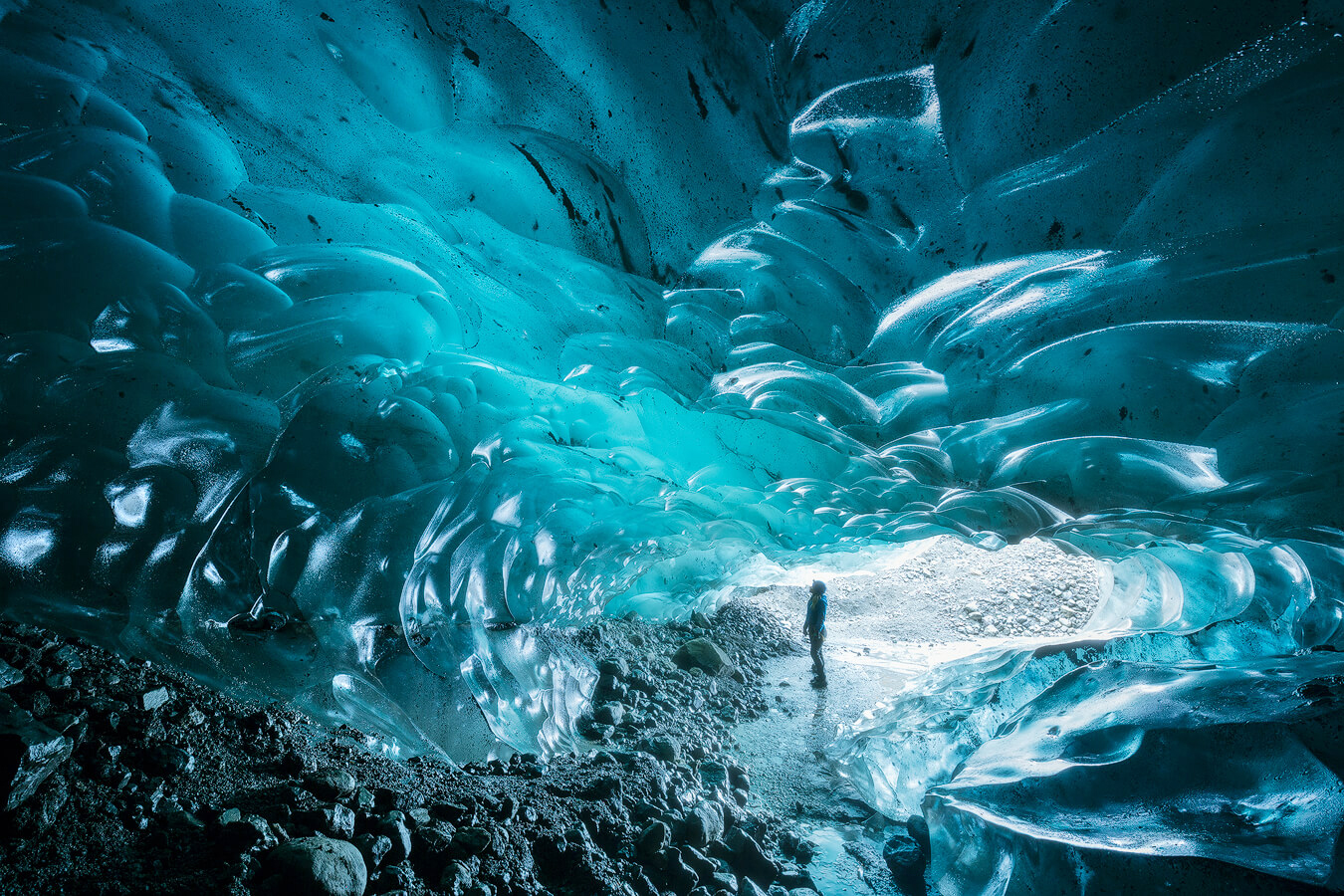 9. Bhangarh Fort, India
Located in Rajasthan, Bhangarh Fort is widely regarded as India’s most haunted location. Built in the 17th century by ruler Madho Singh, the fort is now a desolate ruin, with signboards from the Archaeological Survey of India warning visitors not to enter after sunset. Legend has it that a tantric priest cursed the town after being rejected by a local princess. Paranormal investigators and tourists alike report eerie noises, shadows, and sudden temperature drops. Though steeped in mystery and myth, Bhangarh remains a magnet for thrill-seekers and spiritual explorers.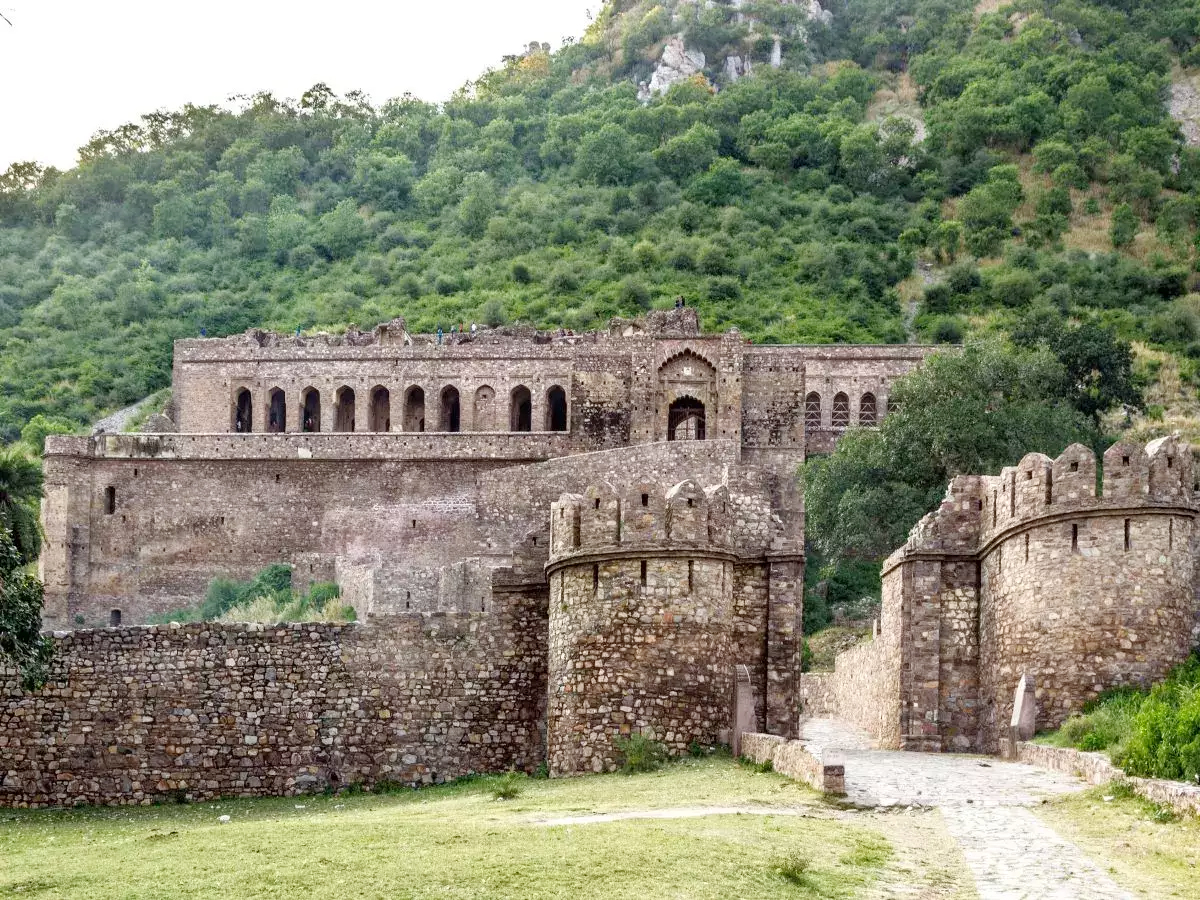 10. Fingal’s Cave, Scotland
On the remote island of Staffa, Fingal’s Cave mesmerizes visitors with its naturally formed basalt columns. Formed by volcanic activity 60 million years ago, the cave is famed for its acoustics and geometric beauty. The rhythmic crashing of waves inside the cave creates haunting echoes, inspiring legends and works of art, including Mendelssohn's "Hebrides Overture." With its perfect natural symmetry and sea-bound solitude, Fingal’s Cave is one of the world’s most visually and sonically enchanting mysteries.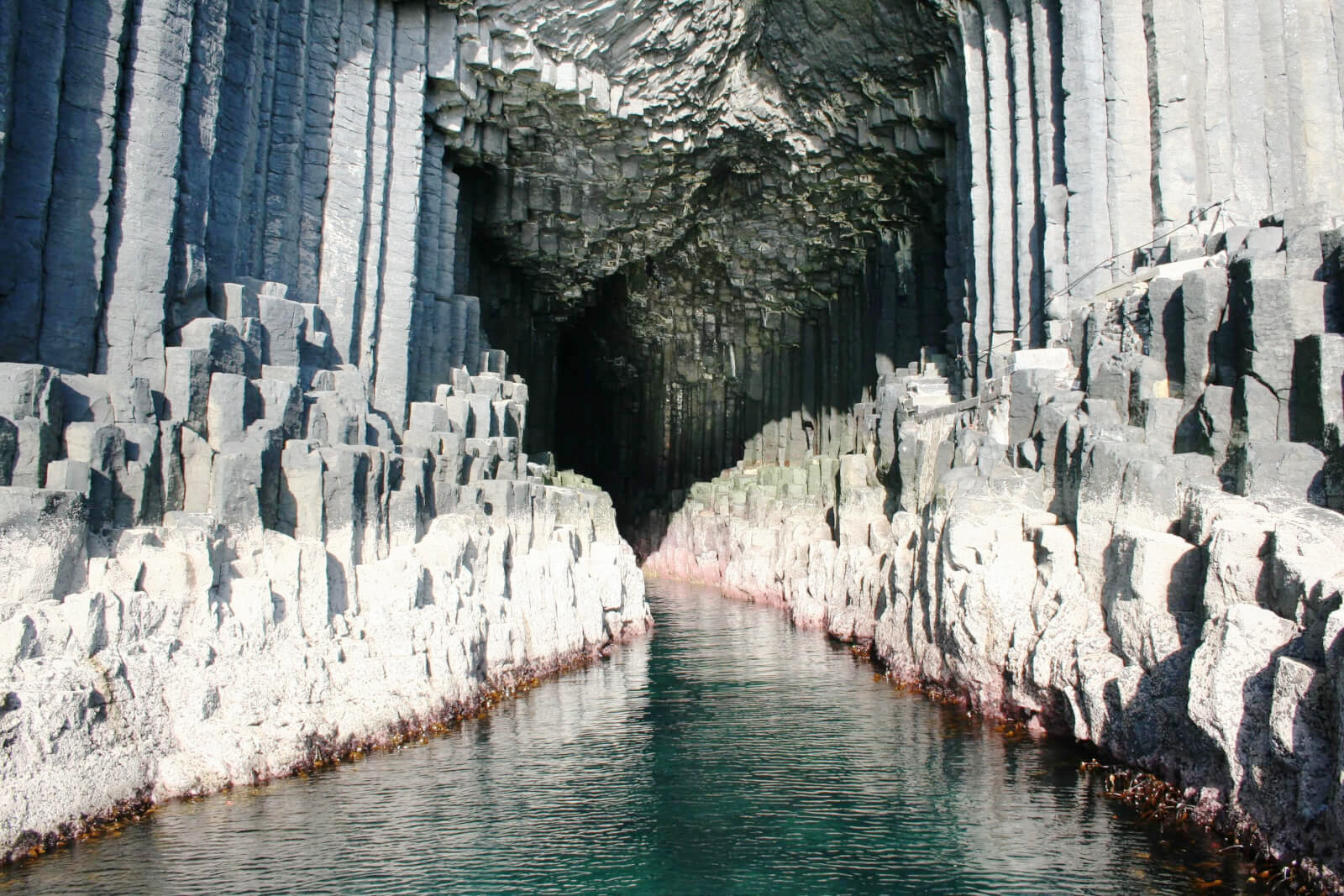 11. The Crooked Forest, Poland
Near the village of Nowe Czarnowo in Poland lies the Crooked Forest, home to about 400 pine trees that bend sharply at their bases, forming a striking J shape before growing straight upward. Planted around the 1930s, the cause of this anomaly is still debated. Some say humans altered the trees for shipbuilding, while others believe heavy snowfall distorted their growth. Despite scientific investigation, no definitive explanation has emerged. Local legends say walking between these trees can bring good fortune. Whatever the truth, it remains an enduring mystery.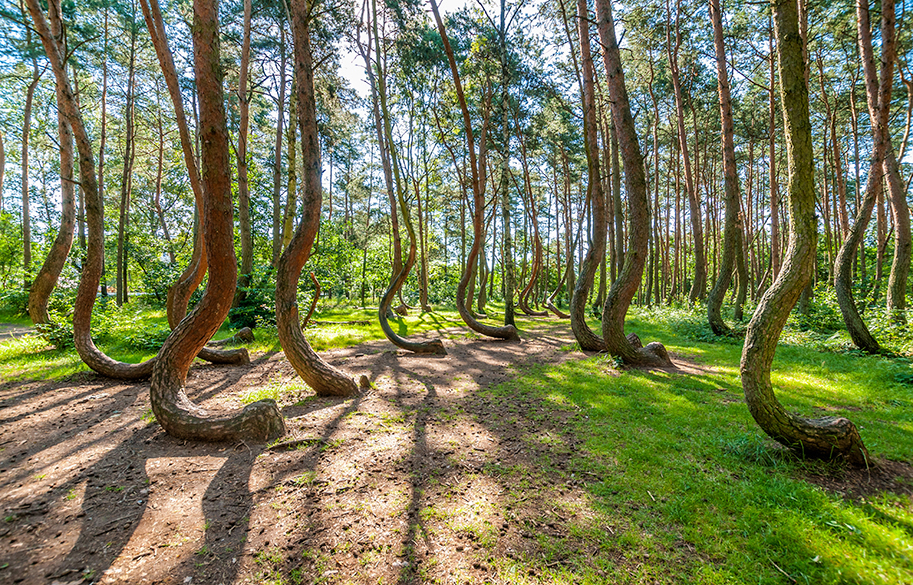 12. Devil’s Bridge, Germany
Hidden in the forests of Saxony’s Kromlau Park lies the stunning Rakotzbrücke, or Devil’s Bridge. Built in the 19th century, its perfect semicircular arc forms an unbroken circle when reflected in the still waters below. Legends claim the devil himself helped construct it, demanding a soul in return.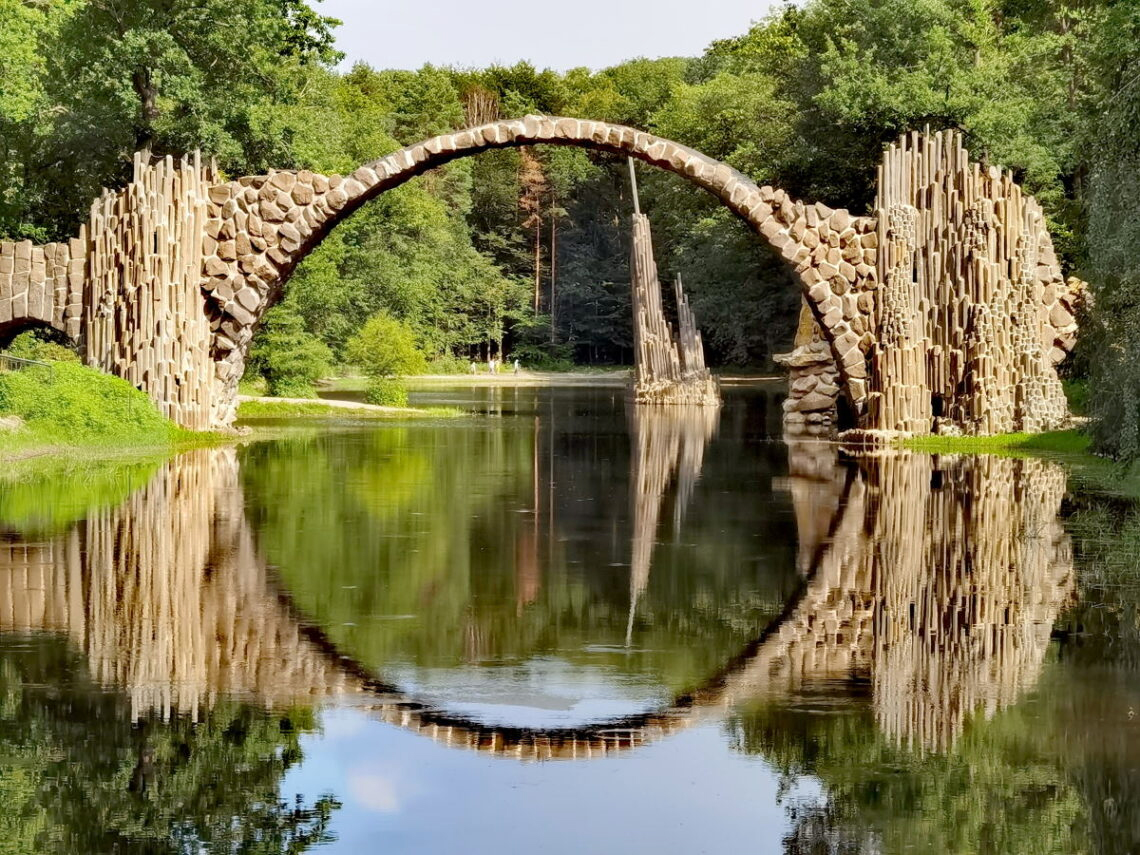 Today, visitors from around the world come to admire its mystical symmetry and ethereal beauty. The bridge is no longer accessible on foot to preserve it, but its allure as one of Europe’s most magical sites remains strong.
Known as the Devil’s Triangle, this mysterious region in the Atlantic Ocean—stretching between Florida, Puerto Rico, and Bermuda—has long been associated with unexplained disappearances of ships, aircraft, and even entire crews. Tales of compass malfunctions, violent storms, and magnetic anomalies have fueled speculation for decades. First coined by writer Vincent Gaddis in a 1964 article, the Bermuda Triangle spans over 1.5 million square miles. Despite its ominous reputation, many now explore its sun-drenched islands like Turks and Caicos or the mystical caves of Bermuda. Whether it's natural phenomena or human error, the enigma remains unsolved.
2. Aokigahara: Japan’s Haunted ForestNestled at the base of Mount Fuji, Aokigahara—also called the Sea of Trees—is infamous for its dense vegetation and tragic history. Known as Japan's Suicide Forest, it covers 30 square kilometers and is eerily silent due to the sound-absorbing volcanic rock. Folklore tells of souls left behind during times of famine, leading to the belief that vengeful spirits haunt the forest. Authorities conduct annual searches, but the actual number of suicides remains undisclosed. Despite its dark reputation, the forest is also a place of haunting natural beauty, with moss-covered trees and glistening streams.
3. Island of the Dolls, MexicoDeep within Mexico City’s Xochimilco canals lies La Isla de las Muñecas—the Island of the Dolls. Hundreds of decaying dolls hang from trees, creating a spine-chilling atmosphere. Don Julian Santana Barrera, the island’s caretaker, began placing dolls to appease the spirit of a drowned girl he believed haunted the island. Over time, the island transformed into a ghostly shrine. Even after Julian's mysterious death, the dolls remain, their vacant stares continuing to unsettle visitors. Whether urban legend or genuine paranormal hotspot, this island is one of the eeriest destinations in Mexico.
4. The Door to Hell, TurkmenistanIn the middle of the Karakum Desert lies the Darvaza Gas Crater, more commonly known as the Door to Hell. This fiery pit has been ablaze since 1971 when a Soviet drilling operation accidentally collapsed into a cavern filled with natural gas. To prevent toxic fumes, scientists ignited it, expecting it to burn out in a few weeks—yet it still burns over 50 years later. Despite its infernal appearance, the site has become a major tourist attraction, especially for those intrigued by nature's unpredictability and raw power.
5. Danakil Depression, EthiopiaOften dubbed the Hottest Place on Earth, the Danakil Depression sits along Ethiopia’s border with Eritrea. With temperatures soaring above 35°C (95°F) year-round, this geologically active zone features lava lakes, acid pools, and geysers spewing toxic fumes. This surreal landscape, formed by the divergence of three tectonic plates, resembles an alien planet more than Earth. Locals call it the Gateway to Hell, where fire springs from the ground and survival is nearly impossible. Despite the harshness, it’s a magnet for adventure seekers and scientists studying extreme environments.
6. The Eye of the Sahara, MauritaniaVisible from space, the Richat Structure—or Eye of the Sahara—is a vast, circular geological formation in the Sahara Desert of Mauritania. Spanning nearly 50 kilometers in diameter, its bull’s-eye pattern has puzzled geologists and conspiracy theorists alike. Once thought to be an impact crater, it is now believed to have formed through erosion. Some believe it may even be the location of the lost city of Atlantis. Whatever its origin, the structure’s mesmerizing symmetry makes it one of the most unique and little-understood natural landmarks on Earth.
7. Blood Falls, AntarcticaIn the frozen wilderness of Antarctica, Blood Falls spills a crimson stream down the icy face of Taylor Glacier. Discovered in 1911, this five-story waterfall perplexed scientists for decades until they discovered it was caused by iron-rich, oxygen-deprived water oxidizing upon contact with air. The blood-red color evokes images of a horror movie set in the most remote part of the planet. While the mystery of its color is solved, how this subglacial reservoir has remained liquid and isolated for over a million years continues to intrigue researchers.
8. Skaftafell Ice Caves, IcelandPart of Vatnajökull National Park, Skaftafell is renowned for its otherworldly ice caves, formed by retreating glacier rivers during winter. These temporary caverns shine in translucent shades of blue, giving visitors the feeling of walking through frozen time. The reserve boasts contrasting landscapes: black sand deserts, verdant flora, waterfalls, and glacier lagoons. Skaftafell was once a national park on its own due to its exceptional natural diversity. Today, it remains a highlight of Iceland’s stunning scenery, offering surreal experiences for adventurers and nature lovers alike.
9. Bhangarh Fort, IndiaLocated in Rajasthan, Bhangarh Fort is widely regarded as India’s most haunted location. Built in the 17th century by ruler Madho Singh, the fort is now a desolate ruin, with signboards from the Archaeological Survey of India warning visitors not to enter after sunset. Legend has it that a tantric priest cursed the town after being rejected by a local princess. Paranormal investigators and tourists alike report eerie noises, shadows, and sudden temperature drops. Though steeped in mystery and myth, Bhangarh remains a magnet for thrill-seekers and spiritual explorers.
10. Fingal’s Cave, ScotlandOn the remote island of Staffa, Fingal’s Cave mesmerizes visitors with its naturally formed basalt columns. Formed by volcanic activity 60 million years ago, the cave is famed for its acoustics and geometric beauty. The rhythmic crashing of waves inside the cave creates haunting echoes, inspiring legends and works of art, including Mendelssohn's "Hebrides Overture." With its perfect natural symmetry and sea-bound solitude, Fingal’s Cave is one of the world’s most visually and sonically enchanting mysteries.
11. The Crooked Forest, PolandNear the village of Nowe Czarnowo in Poland lies the Crooked Forest, home to about 400 pine trees that bend sharply at their bases, forming a striking J shape before growing straight upward. Planted around the 1930s, the cause of this anomaly is still debated. Some say humans altered the trees for shipbuilding, while others believe heavy snowfall distorted their growth. Despite scientific investigation, no definitive explanation has emerged. Local legends say walking between these trees can bring good fortune. Whatever the truth, it remains an enduring mystery.
12. Devil’s Bridge, GermanyHidden in the forests of Saxony’s Kromlau Park lies the stunning Rakotzbrücke, or Devil’s Bridge. Built in the 19th century, its perfect semicircular arc forms an unbroken circle when reflected in the still waters below. Legends claim the devil himself helped construct it, demanding a soul in return.
Today, visitors from around the world come to admire its mystical symmetry and ethereal beauty. The bridge is no longer accessible on foot to preserve it, but its allure as one of Europe’s most magical sites remains strong.Tahmini okuma suresi: 6 dakika.