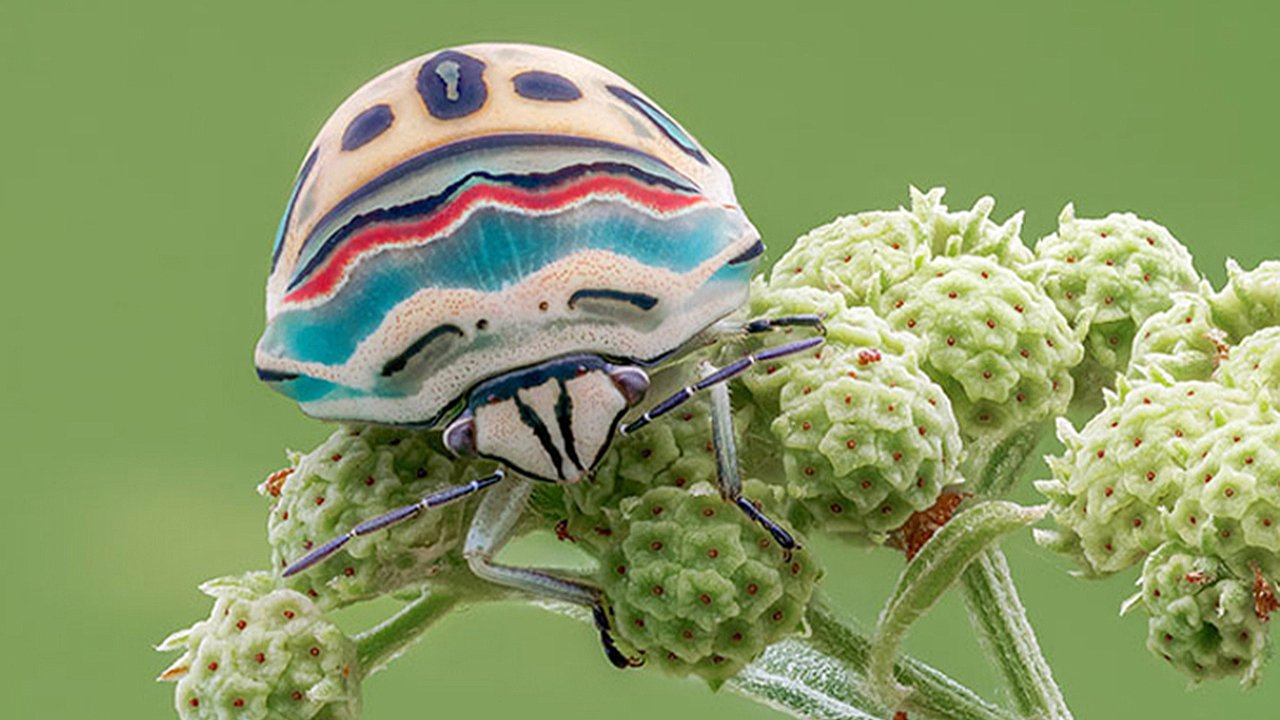
It’s not every day you see a bug and feel like you’re admiring a piece of fine art. But then again, it’s not every day you encounter a creature literally named after one of the world’s most famous painters. Meet Sphaerocoris annulus, more charmingly known as the Picasso bug, or alternatively, the Zulu Hud Bug. This dazzling insect captivated early biologists so much that they likened its intricate patterns to the surrealistic style of Pablo Picasso himself.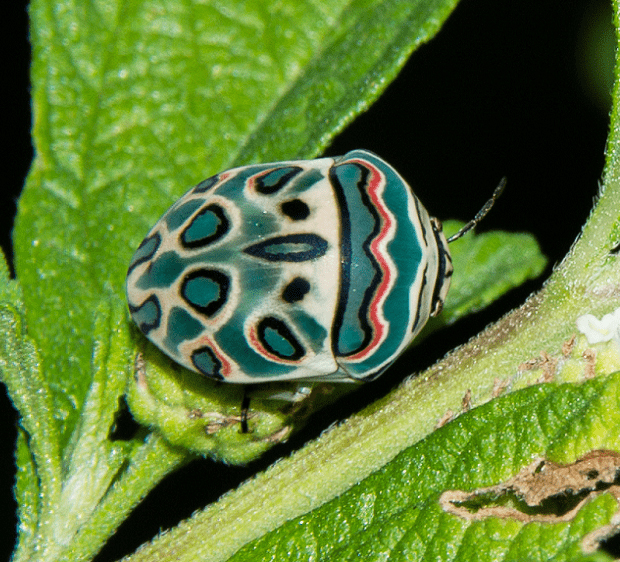 A Bug Worthy of an Artist’s Name
The name “Picasso bug” is more than just a nickname—it’s a fitting tribute to the insect’s striking design. Its vibrant appearance is not only eye-catching but genuinely artistic, with spots and colors that seem too precise to be anything but hand-painted. Alongside its more poetic names, scientists use its formal designation: Sphaerocoris annulus, a title that might not roll off the tongue but hints at the insect's scientific importance and distinctiveness.Not a Beetle, But a True Bug
Though often mistaken for a beetle due to its rounded shape and vivid coloration, the Picasso bug belongs to a different order altogether. It’s part of a group known as shield-backed bugs, a subgroup of true bugs with around 450 known species. The Picasso bug is instantly recognizable thanks to its shield-like thorax that extends over its back, protecting its wings and abdomen. This physical characteristic is a key differentiator from beetles.Small in Size, Big on Beauty
Despite its intricate look, the Picasso bug is surprisingly tiny, averaging only about 0.25 inches (6.3 mm) in length. Its small stature makes it easy to overlook in the wild, but those who do spot it are treated to a natural marvel. It serves as a vivid reminder that true beauty often lies in the details—no matter how minuscule.Interestingly, unlike many insects, Picasso bugs do not exhibit sexual dimorphism. Males and females look virtually identical, making this species one of the more egalitarian representatives of the insect world in terms of appearance.Eleven Spots and a Shield-Like Back
What makes this insect so uniquely eye-catching is its symmetrical arrangement of eleven black spots on a bright green body, though other color variants do exist. The placement and size of the spots may vary from one bug to another, but the total always remains eleven. This consistency, paired with its oval shape and shielded back, gives it a design aesthetic reminiscent of abstract art.Where Picasso Bugs Call Home
Native to the African continent, Picasso bugs inhabit a relatively broad geographic range. They’ve been spotted in countries like South Africa, Ethiopia, and Cameroon, among others. Despite their visually lush appearance, these insects are most commonly found in dry, arid climates such as those across the sub-Saharan regions. Their ability to thrive in such challenging environments is part of what makes them so fascinating.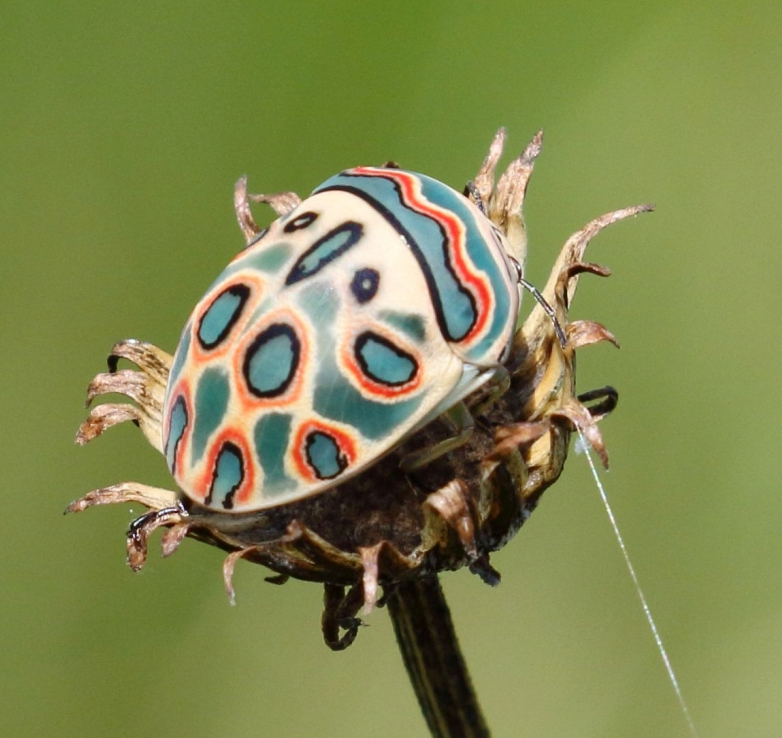 A Beautiful Bug With a Stinky Defense
Though admired for their looks, Picasso bugs come with an unexpected twist—they’re close relatives of the infamous stink bugs. When threatened or disturbed, they release a noxious odor as a defensive tactic. Fortunately, the smell is harmless to humans and other animals, though certainly unpleasant. It’s a startling contrast to their otherwise refined presentation.Feeding Habits of the Artistic Insect
Picasso bugs are herbivorous, feeding primarily on the sap of various plants. Their diet includes the juices of several types of vegetation, including some cultivated crops. While not considered major agricultural pests, their presence can cause localized crop damage, especially when populations are dense.Picasso’s Legacy in Nature
Ultimately, what makes the Picasso bug so memorable is its stunning appearance—an insect that genuinely looks like a miniature piece of modern art. The elegance of its form, combined with its vivid colors and precise markings, has earned it a lasting place in both scientific records and the imaginations of those lucky enough to see it. Named in honor of a master of modern art, this bug proves that sometimes, nature really does imitate art.
A Bug Worthy of an Artist’s NameThe name “Picasso bug” is more than just a nickname—it’s a fitting tribute to the insect’s striking design. Its vibrant appearance is not only eye-catching but genuinely artistic, with spots and colors that seem too precise to be anything but hand-painted. Alongside its more poetic names, scientists use its formal designation: Sphaerocoris annulus, a title that might not roll off the tongue but hints at the insect's scientific importance and distinctiveness.Not a Beetle, But a True Bug
Though often mistaken for a beetle due to its rounded shape and vivid coloration, the Picasso bug belongs to a different order altogether. It’s part of a group known as shield-backed bugs, a subgroup of true bugs with around 450 known species. The Picasso bug is instantly recognizable thanks to its shield-like thorax that extends over its back, protecting its wings and abdomen. This physical characteristic is a key differentiator from beetles.Small in Size, Big on Beauty
Despite its intricate look, the Picasso bug is surprisingly tiny, averaging only about 0.25 inches (6.3 mm) in length. Its small stature makes it easy to overlook in the wild, but those who do spot it are treated to a natural marvel. It serves as a vivid reminder that true beauty often lies in the details—no matter how minuscule.Interestingly, unlike many insects, Picasso bugs do not exhibit sexual dimorphism. Males and females look virtually identical, making this species one of the more egalitarian representatives of the insect world in terms of appearance.Eleven Spots and a Shield-Like Back
What makes this insect so uniquely eye-catching is its symmetrical arrangement of eleven black spots on a bright green body, though other color variants do exist. The placement and size of the spots may vary from one bug to another, but the total always remains eleven. This consistency, paired with its oval shape and shielded back, gives it a design aesthetic reminiscent of abstract art.Where Picasso Bugs Call Home
Native to the African continent, Picasso bugs inhabit a relatively broad geographic range. They’ve been spotted in countries like South Africa, Ethiopia, and Cameroon, among others. Despite their visually lush appearance, these insects are most commonly found in dry, arid climates such as those across the sub-Saharan regions. Their ability to thrive in such challenging environments is part of what makes them so fascinating.
A Beautiful Bug With a Stinky DefenseThough admired for their looks, Picasso bugs come with an unexpected twist—they’re close relatives of the infamous stink bugs. When threatened or disturbed, they release a noxious odor as a defensive tactic. Fortunately, the smell is harmless to humans and other animals, though certainly unpleasant. It’s a startling contrast to their otherwise refined presentation.Feeding Habits of the Artistic Insect
Picasso bugs are herbivorous, feeding primarily on the sap of various plants. Their diet includes the juices of several types of vegetation, including some cultivated crops. While not considered major agricultural pests, their presence can cause localized crop damage, especially when populations are dense.Picasso’s Legacy in Nature
Ultimately, what makes the Picasso bug so memorable is its stunning appearance—an insect that genuinely looks like a miniature piece of modern art. The elegance of its form, combined with its vivid colors and precise markings, has earned it a lasting place in both scientific records and the imaginations of those lucky enough to see it. Named in honor of a master of modern art, this bug proves that sometimes, nature really does imitate art.