But beyond the grocery store shelves and recipe pages, this familiar vegetable hides a fascinating secret: Broccoli is not just food — it’s the unopened flower of the plant. If left untouched, that firm green head transforms into a cluster of delicate yellow blossoms that can brighten both your garden and your plate.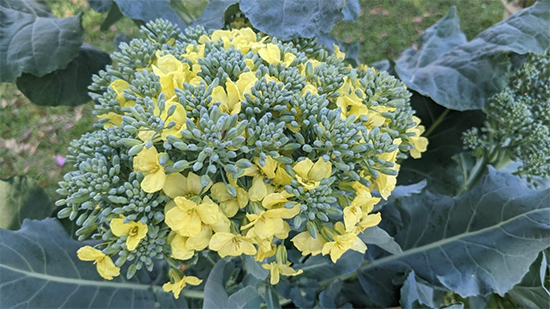 Many people have never seen broccoli bloom, yet its flowering stage reveals an entirely different side of this popular vegetable. Understanding how broccoli behaves when allowed to mature naturally doesn’t just satisfy curiosity; it helps gardeners grow healthier plants, supports pollinators, and inspires home cooks to experiment with new flavors. From its vibrant appearance to its ecological benefits, blooming broccoli is far more interesting than most people realize.What bolting is and why broccoli flowers
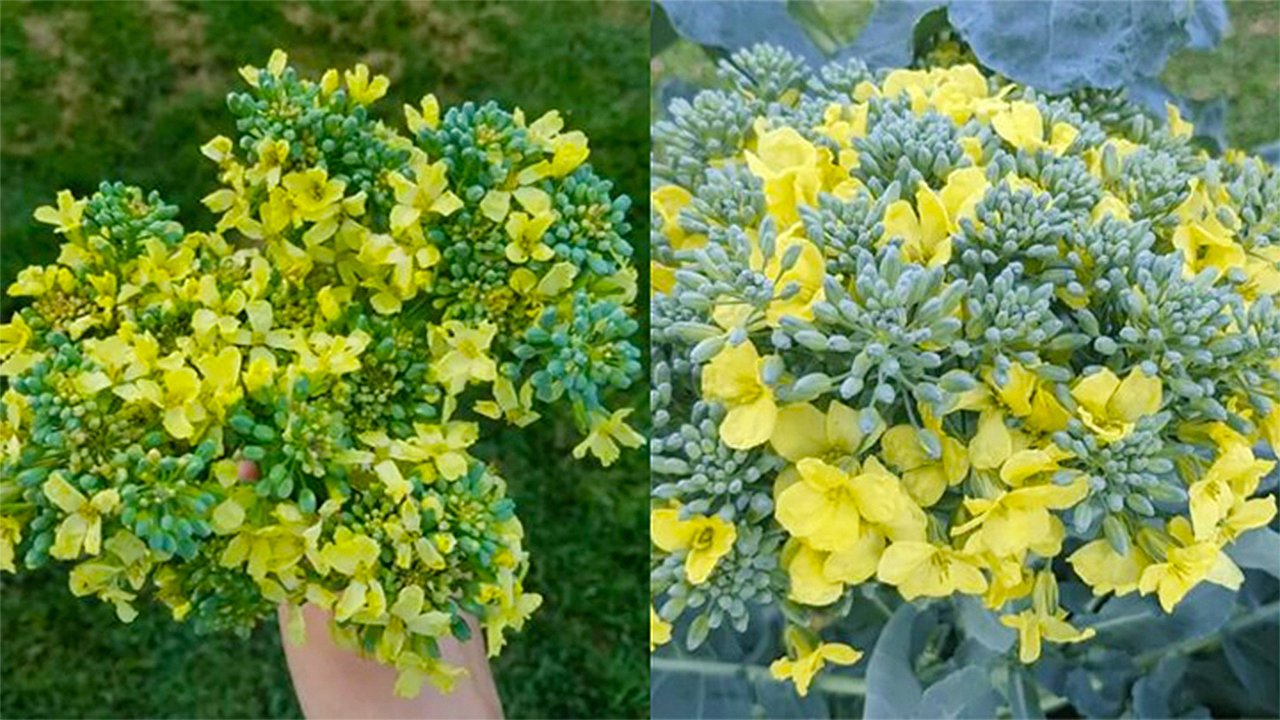
When broccoli “bolts,” it enters its natural reproductive stage. Bolting occurs when the plant senses that it’s time to produce seeds, often triggered by warm temperatures or longer daylight hours. Instead of staying compact and harvest-ready, the central head elongates and begins to open.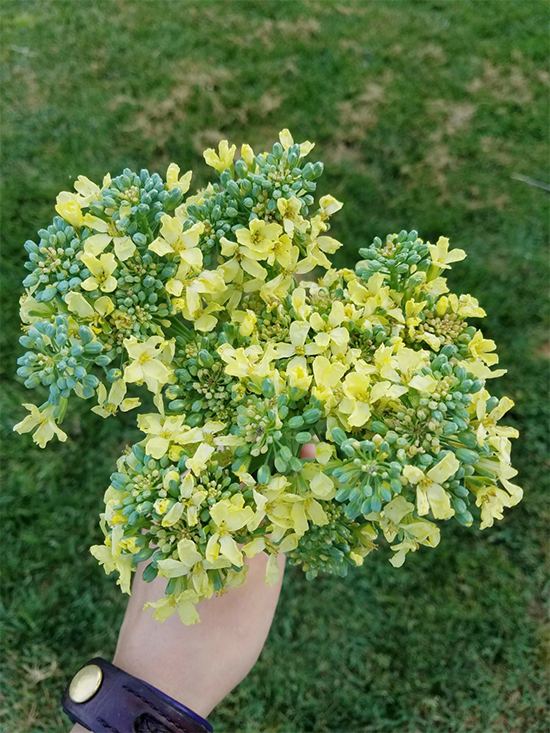 Soon, slender stalks push upward, topped with clusters of small yellow flowers. Bolting is perfectly normal, but it does change the texture and flavor of the vegetable. The florets loosen, the stems may toughen, and the taste becomes slightly more bitter. Still, this transformation reveals the plant’s true nature and offers a chance to observe broccoli as it exists outside the supermarket-perfect form we’re accustomed to.Why broccoli flowers matter in the garden
Blooming broccoli provides far more benefits than many gardeners expect. One of the most valuable advantages is its ability to attract pollinators. Bees, butterflies, and hoverflies are drawn to the bright yellow flowers, turning your vegetable patch into a small but thriving ecosystem.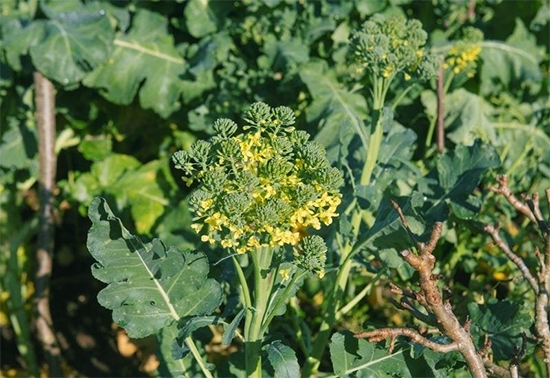 This natural pollination support can improve the health and productivity of nearby crops, especially fruiting plants. Allowing a few broccoli plants to flower also helps maintain biodiversity in your garden, creating a richer environment for insects and beneficial organisms. Additionally, if you let the flowers mature fully, the plant will produce seeds you can save for future planting, reducing the need to buy new packets every season.How to use broccoli flowers in cooking
Broccoli flowers aren’t just visually appealing — they’re completely edible and surprisingly versatile. Their flavor is milder and sweeter than the dense green head we typically eat. Home cooks can scatter the blossoms over salads for a pop of color, or use them as delicate garnishes for rice bowls, omelets, soups, or pasta dishes. They blend easily into herb mixes, and some creative chefs infuse them into vinegar for a soft floral note. Because they’re lightweight and visually striking, broccoli flowers also work beautifully in charcuterie boards or spring-themed dishes. They offer a fresh way to enjoy broccoli while making everyday meals look more vibrant and inviting.The ornamental side of blooming broccoli
While broccoli may not be the first plant that comes to mind when you think of decorative flowers, its blossoms have rustic charm. Many gardeners cut the flowering stems and display them in small vases, where their simple yellow petals add warmth to kitchens and windowsills. Though these bouquets don’t last long, they capture a gentle countryside feel. This unexpected ornamental value encourages people to view vegetables differently — not just as food, but as living plants capable of beauty.Tips for managing broccoli before and after flowering
Gardeners who want to enjoy both harvestable broccoli and pollinator-friendly flowers can find a balance. Harvest the main head before it loosens, but allow side shoots to grow and eventually flower.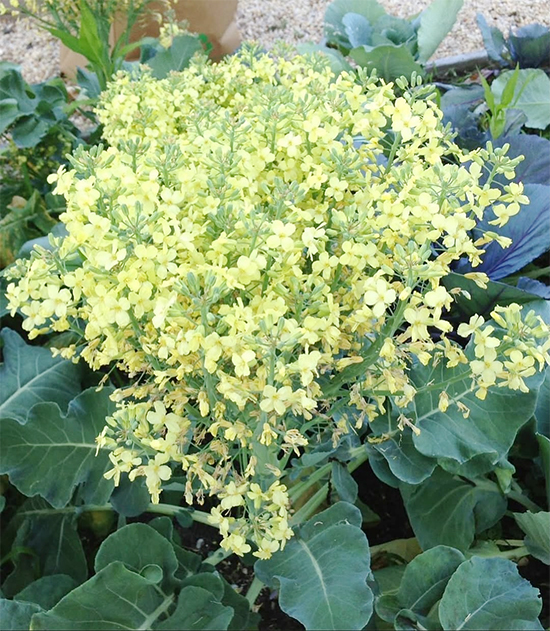 Water consistently to prevent premature bolting, and mulch the soil to regulate temperature. Once the plant blooms, you can either let it go to seed or trim some flowers for culinary or decorative use. Understanding the plant’s growth cycle helps you make the most of your garden while encouraging a more sustainable, pollinator-friendly environment.
Many people have never seen broccoli bloom, yet its flowering stage reveals an entirely different side of this popular vegetable. Understanding how broccoli behaves when allowed to mature naturally doesn’t just satisfy curiosity; it helps gardeners grow healthier plants, supports pollinators, and inspires home cooks to experiment with new flavors. From its vibrant appearance to its ecological benefits, blooming broccoli is far more interesting than most people realize.What bolting is and why broccoli flowersWhen broccoli “bolts,” it enters its natural reproductive stage. Bolting occurs when the plant senses that it’s time to produce seeds, often triggered by warm temperatures or longer daylight hours. Instead of staying compact and harvest-ready, the central head elongates and begins to open.
Soon, slender stalks push upward, topped with clusters of small yellow flowers. Bolting is perfectly normal, but it does change the texture and flavor of the vegetable. The florets loosen, the stems may toughen, and the taste becomes slightly more bitter. Still, this transformation reveals the plant’s true nature and offers a chance to observe broccoli as it exists outside the supermarket-perfect form we’re accustomed to.Why broccoli flowers matter in the gardenBlooming broccoli provides far more benefits than many gardeners expect. One of the most valuable advantages is its ability to attract pollinators. Bees, butterflies, and hoverflies are drawn to the bright yellow flowers, turning your vegetable patch into a small but thriving ecosystem.
This natural pollination support can improve the health and productivity of nearby crops, especially fruiting plants. Allowing a few broccoli plants to flower also helps maintain biodiversity in your garden, creating a richer environment for insects and beneficial organisms. Additionally, if you let the flowers mature fully, the plant will produce seeds you can save for future planting, reducing the need to buy new packets every season.How to use broccoli flowers in cookingBroccoli flowers aren’t just visually appealing — they’re completely edible and surprisingly versatile. Their flavor is milder and sweeter than the dense green head we typically eat. Home cooks can scatter the blossoms over salads for a pop of color, or use them as delicate garnishes for rice bowls, omelets, soups, or pasta dishes.
They blend easily into herb mixes, and some creative chefs infuse them into vinegar for a soft floral note. Because they’re lightweight and visually striking, broccoli flowers also work beautifully in charcuterie boards or spring-themed dishes. They offer a fresh way to enjoy broccoli while making everyday meals look more vibrant and inviting.The ornamental side of blooming broccoliWhile broccoli may not be the first plant that comes to mind when you think of decorative flowers, its blossoms have rustic charm. Many gardeners cut the flowering stems and display them in small vases, where their simple yellow petals add warmth to kitchens and windowsills. Though these bouquets don’t last long, they capture a gentle countryside feel. This unexpected ornamental value encourages people to view vegetables differently — not just as food, but as living plants capable of beauty.Tips for managing broccoli before and after flowering
Gardeners who want to enjoy both harvestable broccoli and pollinator-friendly flowers can find a balance. Harvest the main head before it loosens, but allow side shoots to grow and eventually flower.
Water consistently to prevent premature bolting, and mulch the soil to regulate temperature. Once the plant blooms, you can either let it go to seed or trim some flowers for culinary or decorative use. Understanding the plant’s growth cycle helps you make the most of your garden while encouraging a more sustainable, pollinator-friendly environment.