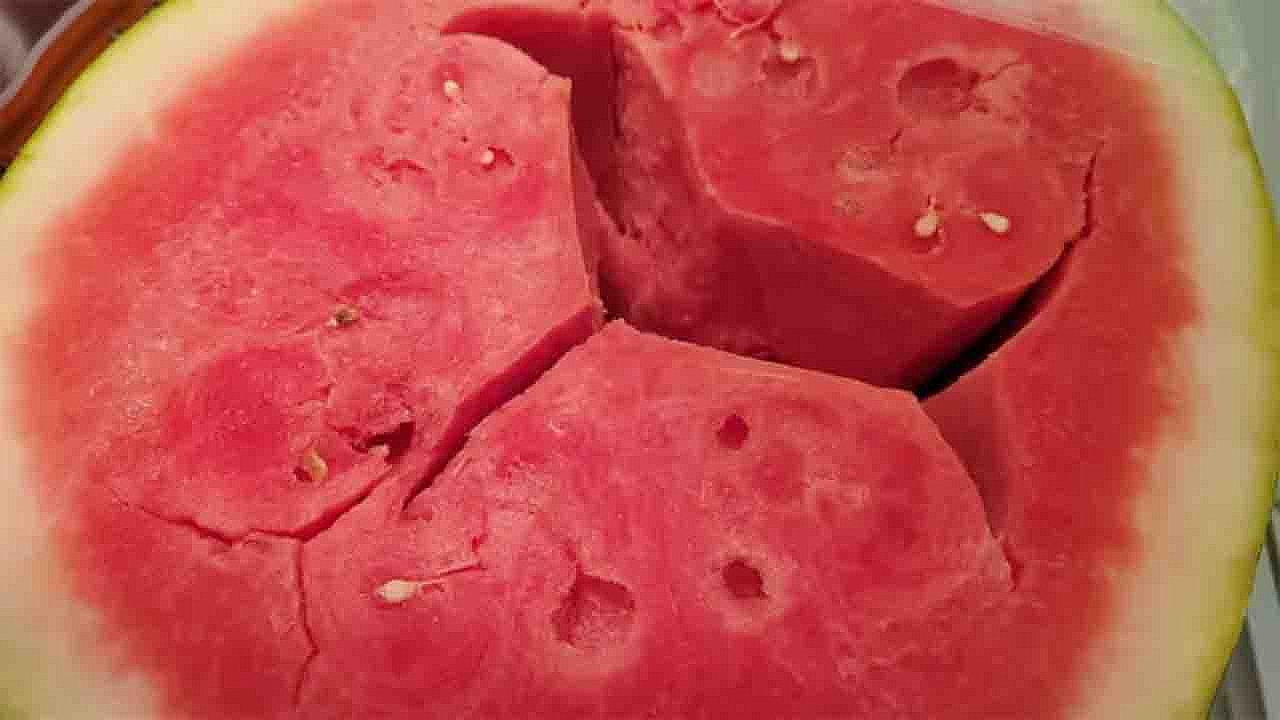
Watermelon is one of the most refreshing fruits enjoyed around the world, especially during warm weather. However, cutting open a watermelon and discovering unusual cracks or hollow spaces inside can leave many people worried. Social media posts and online rumors often claim that these internal fissures are signs of dangerous chemicals or contamination, causing unnecessary fear among consumers.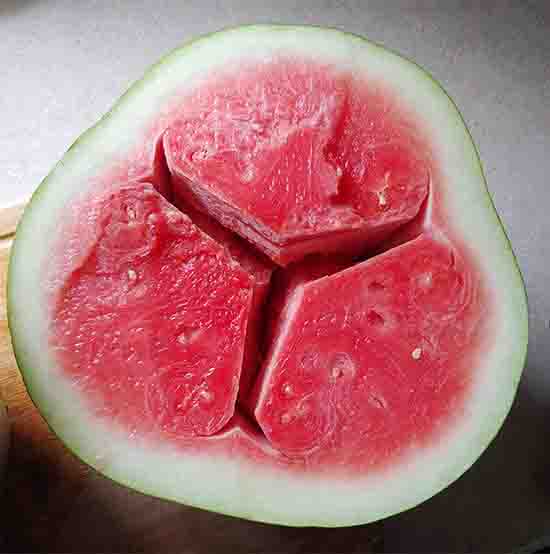 In reality, cracked watermelon flesh does not automatically mean the fruit is unsafe. Internal cracks can occur for several natural reasons, including uneven watering, rapid growth, changing temperatures, or simple overripeness. Although certain plant growth regulators have been discussed in relation to hollow watermelons, scientific evidence does not support the idea that every cracked fruit poses a health risk.Understanding the difference between harmless cosmetic imperfections and genuine signs of spoilage can help you make informed decisions. Knowing what to look for allows you to enjoy watermelon confidently while avoiding unnecessary waste and anxiety.Why do watermelons develop cracks inside?Internal cracks in watermelon are surprisingly common. These fissures are often caused by environmental factors that affect how the fruit grows.One of the most common reasons is irregular watering. When watermelon plants experience dry conditions followed by heavy rainfall or excessive irrigation, the fruit may absorb water too quickly. This rapid expansion can create pressure inside the flesh, resulting in hollow areas or cracks.Temperature fluctuations can also contribute to uneven growth. Sudden changes in weather may affect how the cells inside the watermelon develop. In some cases, physical stress during transportation or handling can damage the fruit internally without affecting the outer rind.Overripeness is another possible explanation. As the fruit matures, the flesh can become softer and more prone to developing gaps or splits.What is hollow heart in watermelon?A condition known as "hollow heart" is frequently responsible for internal cracks. Hollow heart occurs when spaces form inside the fruit due to incomplete development during growth.This condition is considered a quality issue rather than a food safety concern. Watermelons with hollow heart may have slightly different textures and may not be as sweet or juicy, but they are generally safe to eat if no signs of spoilage are present.Farmers often encounter hollow heart when pollination is incomplete or when environmental conditions affect fruit development. Larger watermelons are sometimes more susceptible to this natural phenomenon.Although the appearance may be unusual, hollow heart does not automatically indicate chemical contamination or harmful substances.What is chlorfenuron and why is it mentioned?Discussions about cracked watermelons often mention chlorfenuron, a synthetic plant growth regulator used in some agricultural settings. Chlorfenuron promotes cell division and can increase fruit size by accelerating growth.Because rapid growth may occasionally contribute to hollow centers or unusual flesh patterns, some consumers have linked cracked watermelons to the use of this chemical. However, regulations regarding chlorfenuron vary between countries.Some regions prohibit its use on certain food crops due to limited long-term data, while others permit restricted applications under specific guidelines. Regulatory agencies establish safety limits designed to protect consumers when approved agricultural practices are followed.Current scientific evidence does not support claims that eating a cracked watermelon automatically exposes consumers to harmful levels of chlorfenuron or causes serious illnesses.When is cracked watermelon safe to eat?Minor cracks or hollow spaces alone are usually not a reason to throw away the fruit. If the watermelon smells fresh, tastes sweet, and maintains a crisp texture, it is generally considered safe for consumption.Healthy watermelon flesh should appear vibrant and juicy. A pleasant, refreshing aroma is another positive sign. Small internal imperfections often affect appearance more than quality. Many people choose to use slightly cracked watermelon in smoothies, fruit salads, or juices if the flavor remains enjoyable. Cosmetic defects do not necessarily reduce nutritional value.Trusting your senses is one of the best ways to evaluate fresh produce.Signs that a watermelon should be discardedAlthough internal cracks are often harmless, certain warning signs indicate spoilage and should not be ignored.A sour, fermented, or unpleasant odor suggests bacterial or yeast growth. Slimy flesh, mold, excessive softness, or unusual discoloration are additional signs that the fruit is no longer safe to eat.An off taste or chemical-like flavor should also prompt disposal. Foodborne illness caused by spoiled fruit represents a more realistic concern than approved agricultural residues. If multiple signs of deterioration are present, it is safer to discard the watermelon rather than risk consuming spoiled produce.How to choose a ripe and healthy watermelonSelecting a good watermelon begins before cutting it open. Several simple observations can improve your chances of choosing a sweet and fresh fruit.A ripe watermelon should feel heavy for its size, which indicates high water content. A creamy yellow field spot on the rind often signals that the fruit ripened naturally on the vine. The outer skin should be firm and free from large soft areas or deep cuts. A dry stem is another indication that the watermelon reached maturity before harvest.Avoid fruits with major external damage, as bruising may increase the risk of internal deterioration.Why knowledge matters more than fearSocial media headlines often turn ordinary food characteristics into alarming health scares. While unusual appearances can naturally raise questions, understanding the science behind food helps separate facts from myths.Internal cracks in watermelon are usually the result of natural growth patterns and environmental conditions. They are not automatic evidence of dangerous chemicals or health hazards.Consumers can make better choices by relying on visual inspection, smell, texture, and common food safety principles. Paying attention to genuine signs of spoilage is far more important than fearing harmless imperfections.Watermelon remains a nutritious fruit rich in water, vitamins, and antioxidants. By understanding what internal cracks actually mean, you can enjoy this summer favorite with confidence and avoid unnecessary concern when nature produces a fruit that looks a little different on the inside.
In reality, cracked watermelon flesh does not automatically mean the fruit is unsafe. Internal cracks can occur for several natural reasons, including uneven watering, rapid growth, changing temperatures, or simple overripeness. Although certain plant growth regulators have been discussed in relation to hollow watermelons, scientific evidence does not support the idea that every cracked fruit poses a health risk.Understanding the difference between harmless cosmetic imperfections and genuine signs of spoilage can help you make informed decisions. Knowing what to look for allows you to enjoy watermelon confidently while avoiding unnecessary waste and anxiety.Why do watermelons develop cracks inside?Internal cracks in watermelon are surprisingly common. These fissures are often caused by environmental factors that affect how the fruit grows.One of the most common reasons is irregular watering. When watermelon plants experience dry conditions followed by heavy rainfall or excessive irrigation, the fruit may absorb water too quickly. This rapid expansion can create pressure inside the flesh, resulting in hollow areas or cracks.Temperature fluctuations can also contribute to uneven growth. Sudden changes in weather may affect how the cells inside the watermelon develop. In some cases, physical stress during transportation or handling can damage the fruit internally without affecting the outer rind.Overripeness is another possible explanation. As the fruit matures, the flesh can become softer and more prone to developing gaps or splits.What is hollow heart in watermelon?A condition known as "hollow heart" is frequently responsible for internal cracks. Hollow heart occurs when spaces form inside the fruit due to incomplete development during growth.This condition is considered a quality issue rather than a food safety concern. Watermelons with hollow heart may have slightly different textures and may not be as sweet or juicy, but they are generally safe to eat if no signs of spoilage are present.Farmers often encounter hollow heart when pollination is incomplete or when environmental conditions affect fruit development. Larger watermelons are sometimes more susceptible to this natural phenomenon.Although the appearance may be unusual, hollow heart does not automatically indicate chemical contamination or harmful substances.What is chlorfenuron and why is it mentioned?Discussions about cracked watermelons often mention chlorfenuron, a synthetic plant growth regulator used in some agricultural settings. Chlorfenuron promotes cell division and can increase fruit size by accelerating growth.Because rapid growth may occasionally contribute to hollow centers or unusual flesh patterns, some consumers have linked cracked watermelons to the use of this chemical. However, regulations regarding chlorfenuron vary between countries.Some regions prohibit its use on certain food crops due to limited long-term data, while others permit restricted applications under specific guidelines. Regulatory agencies establish safety limits designed to protect consumers when approved agricultural practices are followed.Current scientific evidence does not support claims that eating a cracked watermelon automatically exposes consumers to harmful levels of chlorfenuron or causes serious illnesses.When is cracked watermelon safe to eat?Minor cracks or hollow spaces alone are usually not a reason to throw away the fruit. If the watermelon smells fresh, tastes sweet, and maintains a crisp texture, it is generally considered safe for consumption.Healthy watermelon flesh should appear vibrant and juicy. A pleasant, refreshing aroma is another positive sign. Small internal imperfections often affect appearance more than quality. Many people choose to use slightly cracked watermelon in smoothies, fruit salads, or juices if the flavor remains enjoyable. Cosmetic defects do not necessarily reduce nutritional value.Trusting your senses is one of the best ways to evaluate fresh produce.Signs that a watermelon should be discardedAlthough internal cracks are often harmless, certain warning signs indicate spoilage and should not be ignored.A sour, fermented, or unpleasant odor suggests bacterial or yeast growth. Slimy flesh, mold, excessive softness, or unusual discoloration are additional signs that the fruit is no longer safe to eat.An off taste or chemical-like flavor should also prompt disposal. Foodborne illness caused by spoiled fruit represents a more realistic concern than approved agricultural residues. If multiple signs of deterioration are present, it is safer to discard the watermelon rather than risk consuming spoiled produce.How to choose a ripe and healthy watermelonSelecting a good watermelon begins before cutting it open. Several simple observations can improve your chances of choosing a sweet and fresh fruit.A ripe watermelon should feel heavy for its size, which indicates high water content. A creamy yellow field spot on the rind often signals that the fruit ripened naturally on the vine. The outer skin should be firm and free from large soft areas or deep cuts. A dry stem is another indication that the watermelon reached maturity before harvest.Avoid fruits with major external damage, as bruising may increase the risk of internal deterioration.Why knowledge matters more than fearSocial media headlines often turn ordinary food characteristics into alarming health scares. While unusual appearances can naturally raise questions, understanding the science behind food helps separate facts from myths.Internal cracks in watermelon are usually the result of natural growth patterns and environmental conditions. They are not automatic evidence of dangerous chemicals or health hazards.Consumers can make better choices by relying on visual inspection, smell, texture, and common food safety principles. Paying attention to genuine signs of spoilage is far more important than fearing harmless imperfections.Watermelon remains a nutritious fruit rich in water, vitamins, and antioxidants. By understanding what internal cracks actually mean, you can enjoy this summer favorite with confidence and avoid unnecessary concern when nature produces a fruit that looks a little different on the inside.