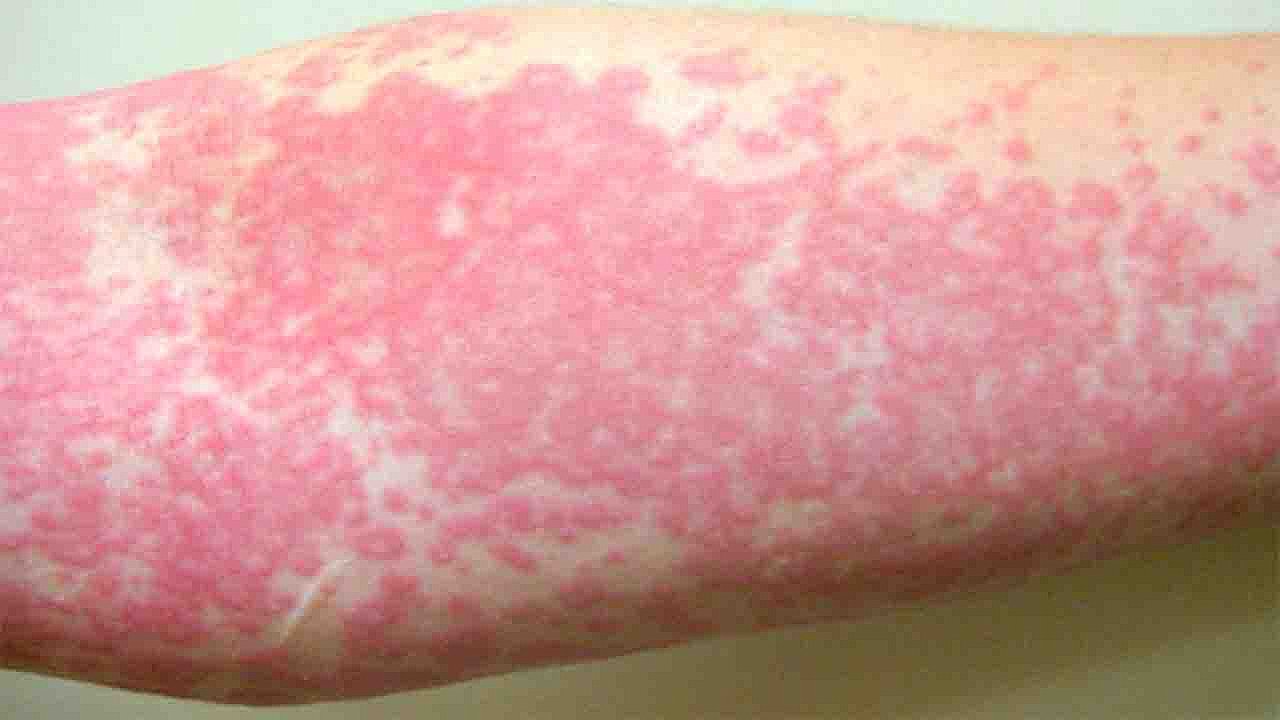
A sudden skin rash is often dismissed as an allergy, irritation, or minor infection. However, some unusual skin conditions can progress rapidly and become alarming within hours. In one remarkable case, what initially appeared to be several harmless red spots quickly evolved into severe facial inflammation accompanied by intense pain and burning sensations. The skin became swollen, raised, and increasingly tender, causing immediate concern and prompting urgent medical attention. As physicians began investigating the cause, the case became more complicated. Initial suspicions pointed toward a drug reaction, but laboratory tests and skin biopsy findings revealed a different explanation. The diagnosis ultimately uncovered Sweet syndrome, also known as acute febrile neutrophilic dermatosis, a rare inflammatory disease characterized by the sudden accumulation of neutrophils in the skin. Although frightening in appearance, the condition responds remarkably well to proper treatment. Understanding the symptoms, causes, diagnosis, and management of Sweet Syndrome can help patients recognize warning signs and seek timely care.What happened when a simple rash became a medical emergencyThe patient's symptoms began with a few red spots on the face that appeared relatively harmless. Within a short period, these lesions rapidly expanded and became painful, swollen, and intensely inflamed. The burning sensation was so severe that the skin felt as though it were on fire. Even cold compresses, which often soothe irritated skin, failed to provide relief.The rapid progression of symptoms raised concerns that something more serious than a common allergic reaction was occurring. Because facial inflammation can be associated with severe immune responses or infections, urgent medical evaluation became necessary. Physicians recognized the importance of acting quickly to prevent complications and to determine the underlying cause.Why doctors initially suspected a drug reactionOne of the first considerations was the possibility of a medication-related skin reaction. Drug-induced eruptions are relatively common and can produce widespread redness and inflammation. To eliminate this possibility, doctors discontinued any recently introduced medications.The patient was referred to dermatology specialists for further assessment. Since the rash was unusual and progressing rapidly, a comprehensive evaluation was performed. A skin biopsy was ordered to examine the tissue under a microscope, while blood tests were requested to identify inflammatory or autoimmune abnormalities.Because of the severity of the inflammation, oral corticosteroids were started immediately. Fortunately, the response to treatment was encouraging. Within two days, the pain subsided significantly, and the raised lesions began flattening and fading.What laboratory findings revealed about the immune responseBlood tests demonstrated leukocytosis, meaning the white blood cell count was elevated. More specifically, marked neutrophilia was present, indicating an excessive number of neutrophils circulating in the bloodstream. Neutrophils are immune cells that normally help the body fight infection, but in certain inflammatory disorders they can become overactive and attack healthy tissues.Additional testing produced unexpected findings. Some autoimmune markers, including antibodies associated with lupus, tested positive. However, many routine laboratory studies remained normal. This combination suggested that the problem involved immune system activation rather than a straightforward bacterial infection or common allergic process.These results added complexity to the diagnosis and highlighted the importance of specialized dermatologic evaluation and tissue biopsy.How Sweet syndrome was ultimately diagnosedThe final diagnosis was Sweet syndrome, medically known as acute febrile neutrophilic dermatosis. This rare inflammatory skin disease is characterized by the sudden appearance of painful, red plaques and nodules accompanied by neutrophil accumulation within the skin.Diagnosis typically relies on a combination of clinical symptoms, blood tests, and skin biopsy findings. Under microscopic examination, the biopsy often reveals dense infiltration of neutrophils without evidence of infection. This distinctive pattern helps differentiate Sweet syndrome from cellulitis, lupus, allergic reactions, and other skin diseases.Although the condition may appear severe, prompt diagnosis allows physicians to initiate effective therapy and achieve rapid symptom control.What causes Sweet syndromeThe exact cause of Sweet syndrome remains incompletely understood. Researchers believe it results from abnormal activation of the immune system, leading to excessive inflammation.Several factors have been associated with the development of Sweet syndrome, including:
As physicians began investigating the cause, the case became more complicated. Initial suspicions pointed toward a drug reaction, but laboratory tests and skin biopsy findings revealed a different explanation. The diagnosis ultimately uncovered Sweet syndrome, also known as acute febrile neutrophilic dermatosis, a rare inflammatory disease characterized by the sudden accumulation of neutrophils in the skin. Although frightening in appearance, the condition responds remarkably well to proper treatment. Understanding the symptoms, causes, diagnosis, and management of Sweet Syndrome can help patients recognize warning signs and seek timely care.What happened when a simple rash became a medical emergencyThe patient's symptoms began with a few red spots on the face that appeared relatively harmless. Within a short period, these lesions rapidly expanded and became painful, swollen, and intensely inflamed. The burning sensation was so severe that the skin felt as though it were on fire. Even cold compresses, which often soothe irritated skin, failed to provide relief.The rapid progression of symptoms raised concerns that something more serious than a common allergic reaction was occurring. Because facial inflammation can be associated with severe immune responses or infections, urgent medical evaluation became necessary. Physicians recognized the importance of acting quickly to prevent complications and to determine the underlying cause.Why doctors initially suspected a drug reactionOne of the first considerations was the possibility of a medication-related skin reaction. Drug-induced eruptions are relatively common and can produce widespread redness and inflammation. To eliminate this possibility, doctors discontinued any recently introduced medications.The patient was referred to dermatology specialists for further assessment. Since the rash was unusual and progressing rapidly, a comprehensive evaluation was performed. A skin biopsy was ordered to examine the tissue under a microscope, while blood tests were requested to identify inflammatory or autoimmune abnormalities.Because of the severity of the inflammation, oral corticosteroids were started immediately. Fortunately, the response to treatment was encouraging. Within two days, the pain subsided significantly, and the raised lesions began flattening and fading.What laboratory findings revealed about the immune responseBlood tests demonstrated leukocytosis, meaning the white blood cell count was elevated. More specifically, marked neutrophilia was present, indicating an excessive number of neutrophils circulating in the bloodstream. Neutrophils are immune cells that normally help the body fight infection, but in certain inflammatory disorders they can become overactive and attack healthy tissues.Additional testing produced unexpected findings. Some autoimmune markers, including antibodies associated with lupus, tested positive. However, many routine laboratory studies remained normal. This combination suggested that the problem involved immune system activation rather than a straightforward bacterial infection or common allergic process.These results added complexity to the diagnosis and highlighted the importance of specialized dermatologic evaluation and tissue biopsy.How Sweet syndrome was ultimately diagnosedThe final diagnosis was Sweet syndrome, medically known as acute febrile neutrophilic dermatosis. This rare inflammatory skin disease is characterized by the sudden appearance of painful, red plaques and nodules accompanied by neutrophil accumulation within the skin.Diagnosis typically relies on a combination of clinical symptoms, blood tests, and skin biopsy findings. Under microscopic examination, the biopsy often reveals dense infiltration of neutrophils without evidence of infection. This distinctive pattern helps differentiate Sweet syndrome from cellulitis, lupus, allergic reactions, and other skin diseases.Although the condition may appear severe, prompt diagnosis allows physicians to initiate effective therapy and achieve rapid symptom control.What causes Sweet syndromeThe exact cause of Sweet syndrome remains incompletely understood. Researchers believe it results from abnormal activation of the immune system, leading to excessive inflammation.Several factors have been associated with the development of Sweet syndrome, including:- Upper respiratory or gastrointestinal infections.
- Certain medications.
- Autoimmune disorders.
- Pregnancy.
- Inflammatory bowel disease.
- Blood cancers and other malignancies.
- Colchicine.
- Potassium iodide.
- Dapsone.
- Immunosuppressive medications for recurrent cases.