Bird migration has long fascinated scientists and nature enthusiasts alike. Many species follow predictable routes that have been studied for decades, allowing researchers to understand seasonal movements and survival strategies. However, not every animal behaves according to expectations. Sometimes, nature presents mysteries that challenge existing knowledge and reveal how much remains to be discovered.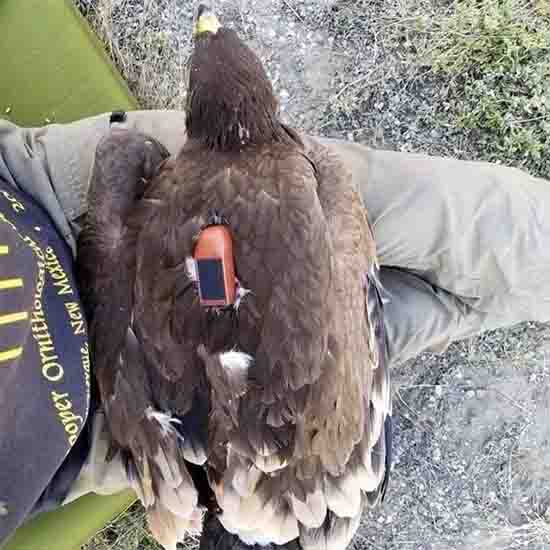 One such mystery involved an eagle equipped with a GPS tracking device. For nearly 20 years, researchers monitored the bird's movements, expecting to observe familiar migration patterns. Instead, they encountered something far more intriguing. The eagle repeatedly traveled across mountains, deserts, and coastlines in ways that seemed irregular and unpredictable. Its routes often included unexpected detours and pauses that puzzled experts.As more data accumulated, scientists realized that the bird's behavior was not random at all. Hidden within those seemingly chaotic paths were subtle patterns shaped by environmental conditions and survival instincts. The eagle's journey ultimately offered valuable lessons about wildlife adaptation and the extraordinary complexity of the natural world.Why scientists decided to track the eagleModern wildlife research relies heavily on GPS technology to study animal behavior. Tracking devices provide detailed information about migration routes, feeding areas, nesting sites, and interactions with changing ecosystems.When researchers attached a GPS transmitter to the eagle, they hoped to gain insights into traditional migration patterns. Eagles are known for their remarkable ability to travel long distances, often following seasonal routes that maximize access to food and favorable weather conditions.The project initially appeared straightforward. Scientists expected the data to confirm existing theories about eagle migration and habitat preferences. Instead, the information raised more questions than answers.The bird's movements differed from established patterns, prompting researchers to investigate why this individual seemed to behave so differently from others of its species.How the eagle's unusual routes puzzled researchersOver the years, the eagle covered enormous distances. It crossed mountain ranges, passed through deserts, and occasionally altered its course in ways that appeared difficult to explain.Unlike many migratory birds that follow relatively consistent pathways, this eagle frequently doubled back, paused in unexpected locations, and resumed travel along seemingly irregular routes. These movements created intricate patterns on maps that fascinated scientists.Researchers initially explored several possible explanations. They considered whether climate changes, food shortages, disease, or age-related factors might influence the bird's behavior. They also examined the possibility that the eagle simply possessed unique traits that distinguished it from others.Despite years of observation, no single explanation seemed sufficient to explain the complexity of the bird's movements.How environmental factors influenced the eagle's behaviorAs tracking technology improved, scientists gained access to increasingly detailed environmental data. They began comparing the eagle's movements with weather systems, wind currents, temperatures, and geographical features.Gradually, meaningful connections started to emerge. The bird's route changes often coincided with shifting wind patterns and seasonal variations. Instead of wasting energy, the eagle appeared to be taking advantage of natural air currents and adapting to changing conditions.Food availability also played an important role. Temporary stops often corresponded with areas rich in prey or favorable hunting opportunities. Mountain ranges and coastlines provided thermals that allowed the eagle to soar efficiently and conserve energy.What had once seemed random began to reveal itself as a highly flexible survival strategy.Why adaptation is essential for survivalOne of the most important lessons from the study involved the incredible adaptability of wildlife. Animals do not always follow rigid behavioral rules. Instead, many species continuously adjust to changing environments.The eagle demonstrated that migration is not always a fixed process. Environmental pressures, weather conditions, and resource availability can all influence decisions made during long journeys.Adaptability is particularly important in a world where ecosystems are constantly changing. Climate shifts, habitat loss, and human activities create new challenges that animals must navigate to survive.The eagle's behavior highlighted how flexibility can be a powerful tool for long-term survival. Rather than following a strict route every year, the bird appeared capable of responding dynamically to whatever conditions it encountered.What GPS tracking teaches scientists about wildlifeGPS technology has transformed the study of animal behavior. Researchers can now observe movements with remarkable accuracy and uncover patterns that were impossible to detect in the past.Tracking data helps scientists understand migration pathways, breeding habits, and habitat use. It also provides valuable information for conservation efforts by identifying critical areas that need protection.Studies involving eagles and other birds of prey contribute to broader knowledge about ecosystem health. Since these animals occupy important positions in food chains, changes in their behavior can reveal shifts occurring throughout entire environments.Long-term monitoring projects are especially valuable because they capture patterns that short-term studies may overlook. Decades of data often provide insights that only become apparent with time.How the eagle changed scientific perspectivesThe eagle's extraordinary journey challenged assumptions about migration and animal behavior. Researchers learned that what initially appears chaotic may actually represent a sophisticated response to environmental conditions.This realization encouraged scientists to adopt more flexible approaches when studying wildlife. Rather than forcing observations to fit existing theories, they recognized the importance of allowing patterns to emerge naturally from long-term data.The study also reinforced an important truth about nature. Complex systems often operate according to rules that are not immediately obvious. Patience and careful observation are essential for uncovering those hidden connections.Why nature still holds countless mysteriesEven with advanced technology and decades of research, the natural world continues to surprise scientists. Animals frequently display behaviors that challenge expectations and expand our understanding of life on Earth.The eagle's 20-year journey serves as a reminder that nature rarely follows simple formulas. Beneath apparent randomness often lies an intricate web of relationships shaped by evolution, environment, and survival.By studying these remarkable creatures, researchers gain more than scientific data. They gain a deeper appreciation for the intelligence, resilience, and adaptability that characterize life in the wild.The story of this eagle demonstrates that some of nature's greatest discoveries emerge not from quick answers but from years of curiosity, persistence, and a willingness to recognize patterns hidden in what first appears to be chaos.
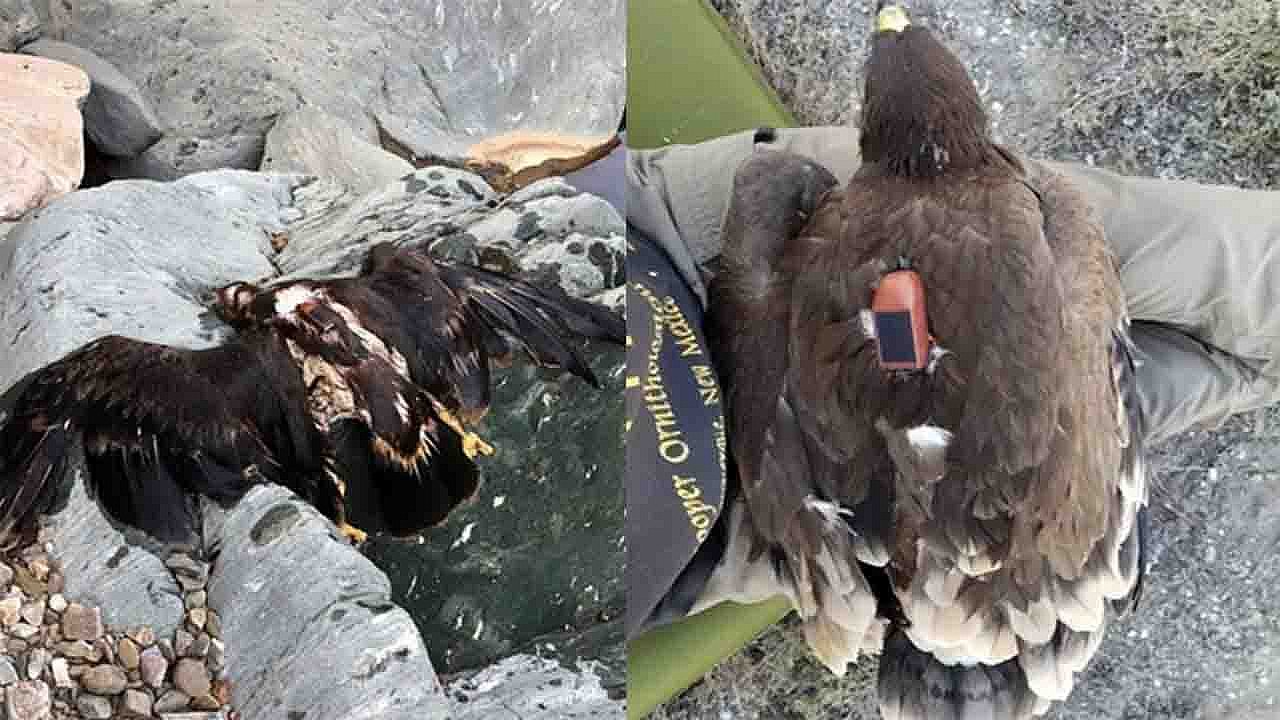
One such mystery involved an eagle equipped with a GPS tracking device. For nearly 20 years, researchers monitored the bird's movements, expecting to observe familiar migration patterns. Instead, they encountered something far more intriguing. The eagle repeatedly traveled across mountains, deserts, and coastlines in ways that seemed irregular and unpredictable. Its routes often included unexpected detours and pauses that puzzled experts.As more data accumulated, scientists realized that the bird's behavior was not random at all. Hidden within those seemingly chaotic paths were subtle patterns shaped by environmental conditions and survival instincts. The eagle's journey ultimately offered valuable lessons about wildlife adaptation and the extraordinary complexity of the natural world.Why scientists decided to track the eagleModern wildlife research relies heavily on GPS technology to study animal behavior. Tracking devices provide detailed information about migration routes, feeding areas, nesting sites, and interactions with changing ecosystems.When researchers attached a GPS transmitter to the eagle, they hoped to gain insights into traditional migration patterns. Eagles are known for their remarkable ability to travel long distances, often following seasonal routes that maximize access to food and favorable weather conditions.The project initially appeared straightforward. Scientists expected the data to confirm existing theories about eagle migration and habitat preferences. Instead, the information raised more questions than answers.The bird's movements differed from established patterns, prompting researchers to investigate why this individual seemed to behave so differently from others of its species.How the eagle's unusual routes puzzled researchersOver the years, the eagle covered enormous distances. It crossed mountain ranges, passed through deserts, and occasionally altered its course in ways that appeared difficult to explain.Unlike many migratory birds that follow relatively consistent pathways, this eagle frequently doubled back, paused in unexpected locations, and resumed travel along seemingly irregular routes. These movements created intricate patterns on maps that fascinated scientists.Researchers initially explored several possible explanations. They considered whether climate changes, food shortages, disease, or age-related factors might influence the bird's behavior. They also examined the possibility that the eagle simply possessed unique traits that distinguished it from others.Despite years of observation, no single explanation seemed sufficient to explain the complexity of the bird's movements.How environmental factors influenced the eagle's behaviorAs tracking technology improved, scientists gained access to increasingly detailed environmental data. They began comparing the eagle's movements with weather systems, wind currents, temperatures, and geographical features.Gradually, meaningful connections started to emerge. The bird's route changes often coincided with shifting wind patterns and seasonal variations. Instead of wasting energy, the eagle appeared to be taking advantage of natural air currents and adapting to changing conditions.Food availability also played an important role. Temporary stops often corresponded with areas rich in prey or favorable hunting opportunities. Mountain ranges and coastlines provided thermals that allowed the eagle to soar efficiently and conserve energy.What had once seemed random began to reveal itself as a highly flexible survival strategy.Why adaptation is essential for survivalOne of the most important lessons from the study involved the incredible adaptability of wildlife. Animals do not always follow rigid behavioral rules. Instead, many species continuously adjust to changing environments.The eagle demonstrated that migration is not always a fixed process. Environmental pressures, weather conditions, and resource availability can all influence decisions made during long journeys.Adaptability is particularly important in a world where ecosystems are constantly changing. Climate shifts, habitat loss, and human activities create new challenges that animals must navigate to survive.The eagle's behavior highlighted how flexibility can be a powerful tool for long-term survival. Rather than following a strict route every year, the bird appeared capable of responding dynamically to whatever conditions it encountered.What GPS tracking teaches scientists about wildlifeGPS technology has transformed the study of animal behavior. Researchers can now observe movements with remarkable accuracy and uncover patterns that were impossible to detect in the past.Tracking data helps scientists understand migration pathways, breeding habits, and habitat use. It also provides valuable information for conservation efforts by identifying critical areas that need protection.Studies involving eagles and other birds of prey contribute to broader knowledge about ecosystem health. Since these animals occupy important positions in food chains, changes in their behavior can reveal shifts occurring throughout entire environments.Long-term monitoring projects are especially valuable because they capture patterns that short-term studies may overlook. Decades of data often provide insights that only become apparent with time.How the eagle changed scientific perspectivesThe eagle's extraordinary journey challenged assumptions about migration and animal behavior. Researchers learned that what initially appears chaotic may actually represent a sophisticated response to environmental conditions.This realization encouraged scientists to adopt more flexible approaches when studying wildlife. Rather than forcing observations to fit existing theories, they recognized the importance of allowing patterns to emerge naturally from long-term data.The study also reinforced an important truth about nature. Complex systems often operate according to rules that are not immediately obvious. Patience and careful observation are essential for uncovering those hidden connections.Why nature still holds countless mysteriesEven with advanced technology and decades of research, the natural world continues to surprise scientists. Animals frequently display behaviors that challenge expectations and expand our understanding of life on Earth.The eagle's 20-year journey serves as a reminder that nature rarely follows simple formulas. Beneath apparent randomness often lies an intricate web of relationships shaped by evolution, environment, and survival.By studying these remarkable creatures, researchers gain more than scientific data. They gain a deeper appreciation for the intelligence, resilience, and adaptability that characterize life in the wild.The story of this eagle demonstrates that some of nature's greatest discoveries emerge not from quick answers but from years of curiosity, persistence, and a willingness to recognize patterns hidden in what first appears to be chaos.