Nature’s Way of Recycling Glass
For centuries, broken glass from bottles, tableware, and shipwrecks has found its way into the sea. Unlike plastic, which persists in the environment, glass is made from sand and naturally returns to its original state. Before it fully erodes into fine grains, ocean tides polish these fragments into glistening stones known as sea glass.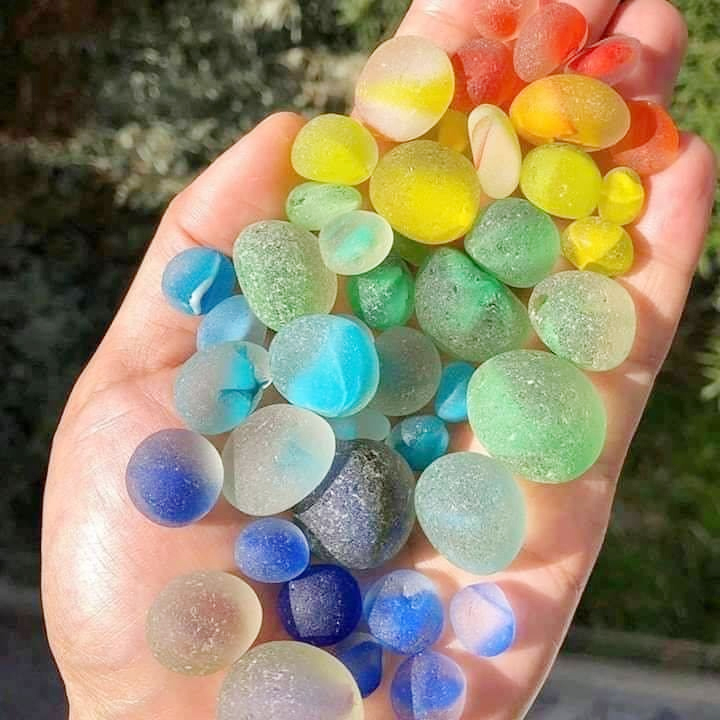 Sea glass beaches can be found worldwide, from Scotland and northern England to Mexico, Hawaii, Australia, Nova Scotia, Puerto Rico, Bermuda, Italy, the United States, and southern Spain. These beaches are living reminders of how nature can transform human waste into natural art.The Transformation: From Shards to Smooth Stones
The process of creating sea glass takes time—often decades, sometimes even a century. Sharp glass pieces are rolled and tumbled by waves and sand until their jagged edges smooth out and their glossy surfaces turn frosted. What starts as dangerous litter eventually becomes a harmless, jewel-like pebble that blends into the shoreline like any other stone.Colors That Tell Stories of the Past
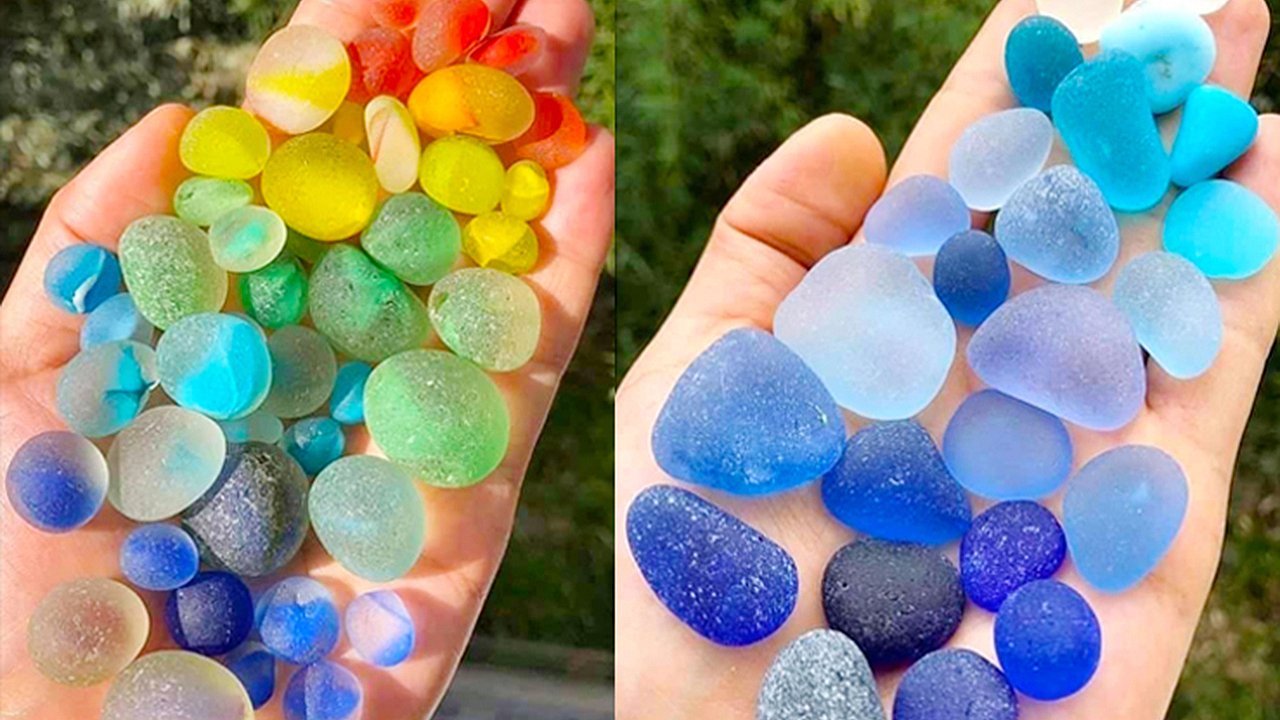
Each piece of sea glass holds a trace of history, revealed through its color. The most common shades—white, clear, brown, and kelly green—come from modern glass bottles for beverages, household plates, windshields, and windows.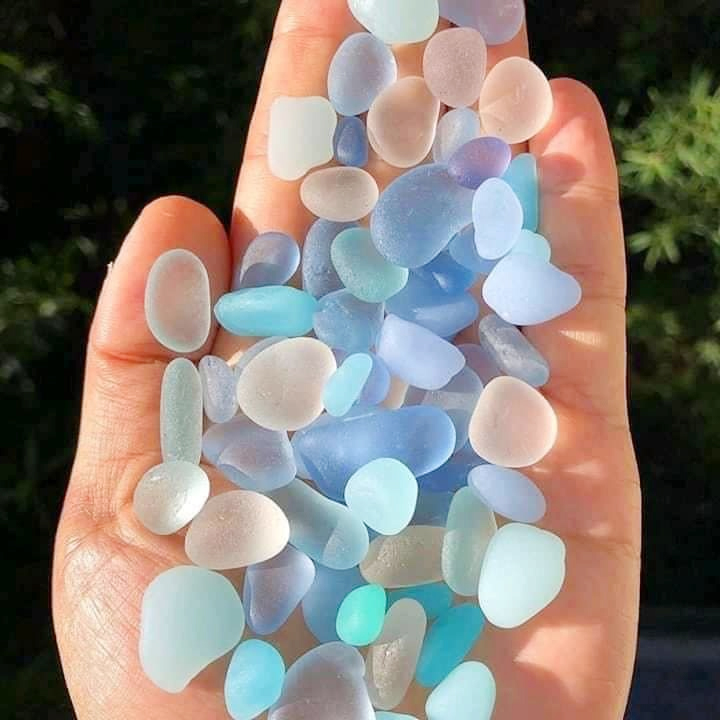 Less common colors such as forest green, amber, jade, and ice blue usually originate from 19th- and early 20th-century medicine, whiskey, and ink bottles. Lime green sea glass dates back to soda bottles from the 1960s.Rare hues like purple, cobalt blue (once used for poison bottles and medicinal products), and aqua (from vintage Mason jars) appear in roughly one out of every 200 to 1,000 collected pieces. Extremely rare finds—teal from wine bottles, pink from Great Depression glassware, yellow from Vaseline containers, red from old car and nautical lights, and turquoise from decorative glass—occur only once in 1,000 to 10,000 pieces.The rarest of all is antique black glass, believed to come from pirates’ liquor bottles that sailed the Caribbean over 500 years ago.The Science Behind Glass
Glass itself is a marvel of transformation. It begins as sand—primarily silicon dioxide—heated to at least 1700°C (3090°F) until it reaches a molten state. Once cooled, it does not revert to gritty sand but instead becomes an amorphous solid—a frozen liquid with properties of both solids and liquids.This unique structure allows glass to withstand centuries in the ocean, gradually wearing down until it returns to its sandy origins. Along the way, the sea’s relentless movement crafts these discarded shards into beautiful, naturally made gems.A Glimpse of History in Every Stone
Collecting sea glass has become a passion for many beachcombers worldwide. Each polished fragment represents a journey through time—an artifact that has traveled from human hands, through decades of ocean tides, to emerge as a smooth, glimmering treasure.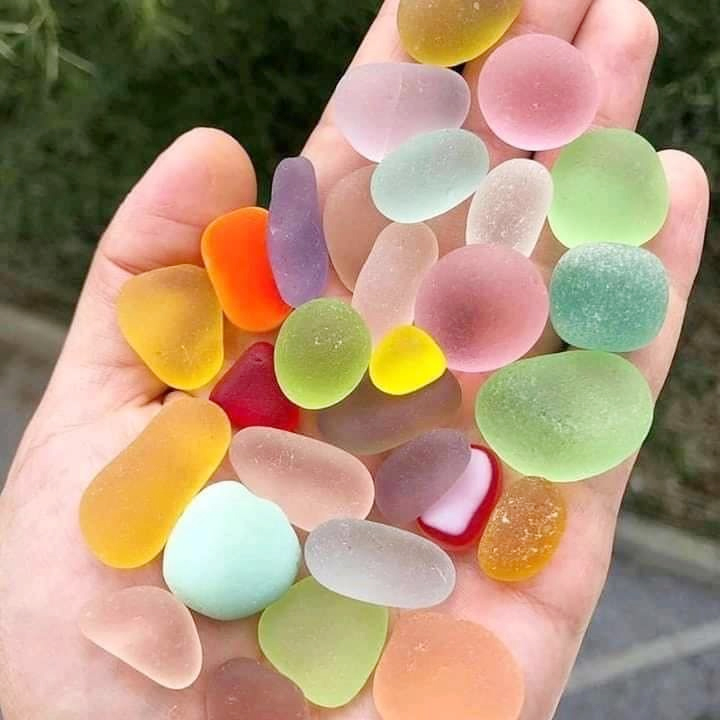 From its fiery creation to its quiet rebirth on a sunlit shore, sea glass is a striking example of how nature can reclaim and repurpose what we discard, turning broken remnants into timeless beauty.
For centuries, broken glass from bottles, tableware, and shipwrecks has found its way into the sea. Unlike plastic, which persists in the environment, glass is made from sand and naturally returns to its original state. Before it fully erodes into fine grains, ocean tides polish these fragments into glistening stones known as sea glass.
Sea glass beaches can be found worldwide, from Scotland and northern England to Mexico, Hawaii, Australia, Nova Scotia, Puerto Rico, Bermuda, Italy, the United States, and southern Spain. These beaches are living reminders of how nature can transform human waste into natural art.The Transformation: From Shards to Smooth StonesThe process of creating sea glass takes time—often decades, sometimes even a century. Sharp glass pieces are rolled and tumbled by waves and sand until their jagged edges smooth out and their glossy surfaces turn frosted. What starts as dangerous litter eventually becomes a harmless, jewel-like pebble that blends into the shoreline like any other stone.Colors That Tell Stories of the Past
Each piece of sea glass holds a trace of history, revealed through its color. The most common shades—white, clear, brown, and kelly green—come from modern glass bottles for beverages, household plates, windshields, and windows.
Less common colors such as forest green, amber, jade, and ice blue usually originate from 19th- and early 20th-century medicine, whiskey, and ink bottles. Lime green sea glass dates back to soda bottles from the 1960s.Rare hues like purple, cobalt blue (once used for poison bottles and medicinal products), and aqua (from vintage Mason jars) appear in roughly one out of every 200 to 1,000 collected pieces. Extremely rare finds—teal from wine bottles, pink from Great Depression glassware, yellow from Vaseline containers, red from old car and nautical lights, and turquoise from decorative glass—occur only once in 1,000 to 10,000 pieces.The rarest of all is antique black glass, believed to come from pirates’ liquor bottles that sailed the Caribbean over 500 years ago.The Science Behind GlassGlass itself is a marvel of transformation. It begins as sand—primarily silicon dioxide—heated to at least 1700°C (3090°F) until it reaches a molten state. Once cooled, it does not revert to gritty sand but instead becomes an amorphous solid—a frozen liquid with properties of both solids and liquids.This unique structure allows glass to withstand centuries in the ocean, gradually wearing down until it returns to its sandy origins. Along the way, the sea’s relentless movement crafts these discarded shards into beautiful, naturally made gems.A Glimpse of History in Every Stone
Collecting sea glass has become a passion for many beachcombers worldwide. Each polished fragment represents a journey through time—an artifact that has traveled from human hands, through decades of ocean tides, to emerge as a smooth, glimmering treasure.
From its fiery creation to its quiet rebirth on a sunlit shore, sea glass is a striking example of how nature can reclaim and repurpose what we discard, turning broken remnants into timeless beauty.