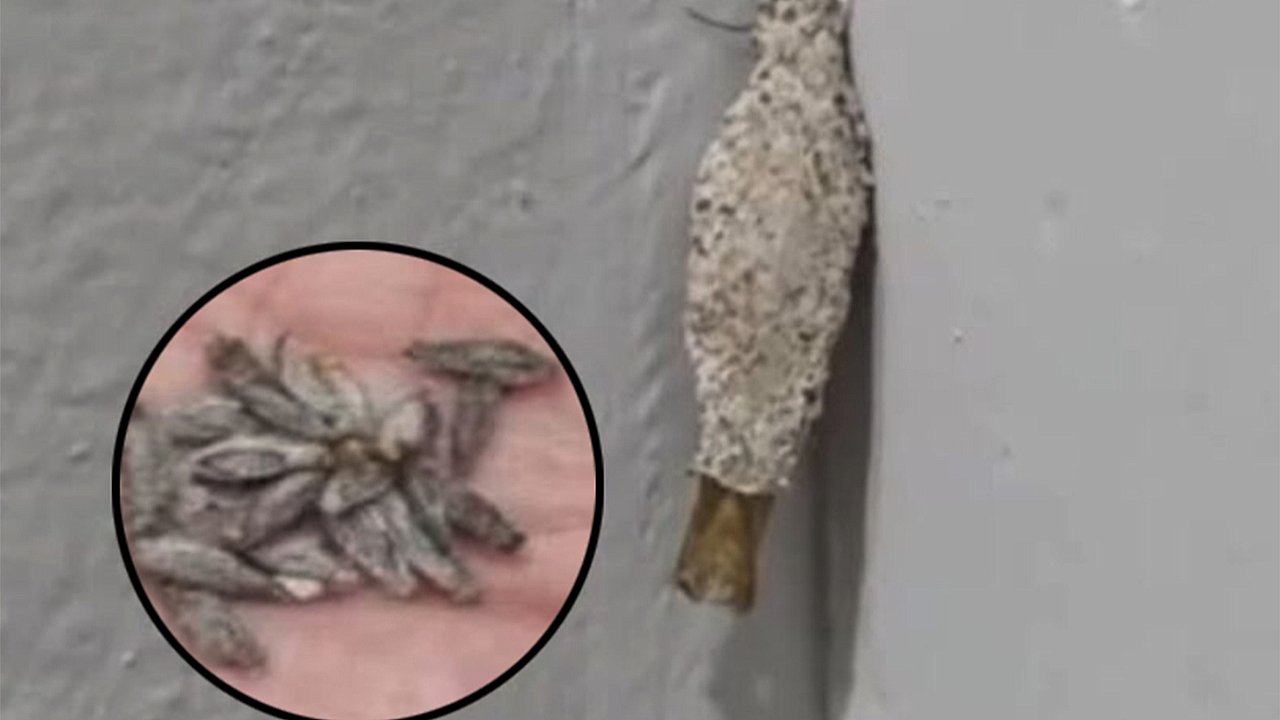
Many homeowners mistake them for lint or wall debris, allowing infestations to grow unnoticed. Understanding where Bagworms hide inside your home is essential for early detection and effective prevention. By learning their preferred hiding spots and the conditions they thrive in, you can take proactive steps to maintain a cleaner, healthier, and more comfortable living environment.Walls and corners near the ceiling
One of the most common places to find bagworms indoors is along walls, particularly near ceiling corners. These areas tend to collect dust, spider webs, and airborne fibers, which bagworms use to construct their protective cases.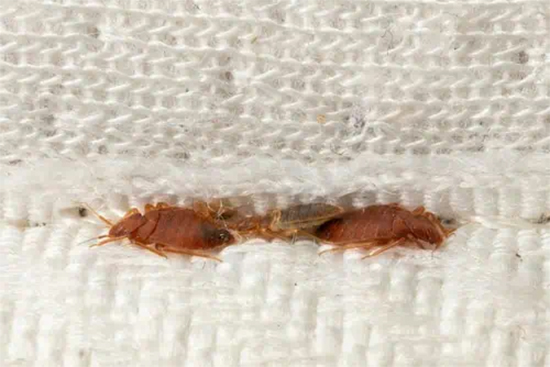 Because ceiling corners are rarely cleaned thoroughly, bagworms can remain undisturbed for long periods. They often appear as small gray or brown tube-shaped objects attached to the wall, blending in with the surface. Regularly vacuuming walls and corners can significantly reduce the likelihood of bagworms settling in these hard-to-reach areas.Bedrooms and sleeping areas
Bedrooms are another frequent hiding place for bagworms, largely due to the abundance of fabric and relatively low nighttime activity. Bagworms may hide behind headboards, along baseboards, under beds, or near nightstands. Dust from bedding, skin cells, and fabric fibers provides both food and building material. Homes where mattresses, bed frames, and surrounding areas are not cleaned regularly are especially attractive to these insects. Maintaining a consistent bedroom cleaning routine can help prevent bagworms from becoming established.Closets and wardrobes
Closets and wardrobes provide ideal conditions for bagworms to thrive. These enclosed spaces often contain natural fiber clothing such as cotton, wool, or linen, which bagworms prefer. Limited airflow, darkness, and undisturbed shelves make closets a prime hiding spot. Bagworms may attach their cases to walls, shelves, or even hang unnoticed among clothing. Regularly rotating clothes, vacuuming closet floors, and ensuring proper ventilation can greatly reduce the risk of bagworm infestations in storage areas.Curtains carpets and fabric items
Fabric-heavy areas throughout the home are highly appealing to bagworms. Curtains, rugs, carpets, and upholstered furniture collect dust and fibers that bagworms use for shelter. They often hide along carpet edges, behind curtains, or beneath furniture where cleaning is infrequent. Thick drapes and rarely vacuumed carpets increase the likelihood of bagworms appearing. Deep cleaning fabric items and paying attention to hidden areas can help eliminate potential hiding spots.Bathrooms and laundry areas
Although bagworms are not water-dwelling insects, they are attracted to moisture and humidity. Bathrooms and laundry rooms offer warmth, lint, and damp conditions that support their survival. Bagworms may hide behind washing machines, near dryer vents, or along bathroom walls where condensation forms. Poor ventilation can worsen the problem, making these areas especially inviting. Using exhaust fans, reducing humidity, and cleaning lint-prone areas can help deter bagworms from settling in these spaces.Storage rooms and basements
Storage rooms, basements, and attics are often overlooked during routine cleaning, making them ideal environments for bagworms. Cardboard boxes, stored clothing, old furniture, and accumulated dust provide both shelter and materials for case construction. Low foot traffic and limited airflow allow bagworms to remain undisturbed for long periods. Keeping storage areas organized, well-ventilated, and clean can significantly reduce the chances of infestation.Window frames and door edges
Bagworms sometimes enter homes from outdoor areas, especially in houses near gardens, trees, or green spaces. Window frames, door edges, and wall cracks are common entry points. These areas often collect dust and debris while remaining largely unnoticed during cleaning. Once inside, bagworms may attach themselves near these openings. Sealing gaps, cleaning window tracks, and inspecting door frames regularly can help prevent bagworms from migrating indoors.Prevention and long term control
Reducing the risk of bagworms inside your home requires consistent cleaning and attention to environmental conditions. Vacuuming walls, ceilings, carpets, and closets removes dust and fibers that attract bagworms. Controlling indoor humidity through proper ventilation and dehumidifiers is equally important. Washing stored clothing, cleaning fabric items, and minimizing clutter can further discourage infestations. While bagworms are harmless, their presence often indicates conditions that could attract other household pests. Addressing these issues early helps maintain a cleaner, healthier home and prevents future pest problems.
One of the most common places to find bagworms indoors is along walls, particularly near ceiling corners. These areas tend to collect dust, spider webs, and airborne fibers, which bagworms use to construct their protective cases.
Because ceiling corners are rarely cleaned thoroughly, bagworms can remain undisturbed for long periods. They often appear as small gray or brown tube-shaped objects attached to the wall, blending in with the surface. Regularly vacuuming walls and corners can significantly reduce the likelihood of bagworms settling in these hard-to-reach areas.Bedrooms and sleeping areasBedrooms are another frequent hiding place for bagworms, largely due to the abundance of fabric and relatively low nighttime activity. Bagworms may hide behind headboards, along baseboards, under beds, or near nightstands. Dust from bedding, skin cells, and fabric fibers provides both food and building material. Homes where mattresses, bed frames, and surrounding areas are not cleaned regularly are especially attractive to these insects. Maintaining a consistent bedroom cleaning routine can help prevent bagworms from becoming established.Closets and wardrobes
Closets and wardrobes provide ideal conditions for bagworms to thrive. These enclosed spaces often contain natural fiber clothing such as cotton, wool, or linen, which bagworms prefer. Limited airflow, darkness, and undisturbed shelves make closets a prime hiding spot. Bagworms may attach their cases to walls, shelves, or even hang unnoticed among clothing. Regularly rotating clothes, vacuuming closet floors, and ensuring proper ventilation can greatly reduce the risk of bagworm infestations in storage areas.Curtains carpets and fabric items
Fabric-heavy areas throughout the home are highly appealing to bagworms. Curtains, rugs, carpets, and upholstered furniture collect dust and fibers that bagworms use for shelter. They often hide along carpet edges, behind curtains, or beneath furniture where cleaning is infrequent. Thick drapes and rarely vacuumed carpets increase the likelihood of bagworms appearing. Deep cleaning fabric items and paying attention to hidden areas can help eliminate potential hiding spots.Bathrooms and laundry areas
Although bagworms are not water-dwelling insects, they are attracted to moisture and humidity. Bathrooms and laundry rooms offer warmth, lint, and damp conditions that support their survival. Bagworms may hide behind washing machines, near dryer vents, or along bathroom walls where condensation forms. Poor ventilation can worsen the problem, making these areas especially inviting. Using exhaust fans, reducing humidity, and cleaning lint-prone areas can help deter bagworms from settling in these spaces.Storage rooms and basements
Storage rooms, basements, and attics are often overlooked during routine cleaning, making them ideal environments for bagworms. Cardboard boxes, stored clothing, old furniture, and accumulated dust provide both shelter and materials for case construction. Low foot traffic and limited airflow allow bagworms to remain undisturbed for long periods. Keeping storage areas organized, well-ventilated, and clean can significantly reduce the chances of infestation.Window frames and door edges
Bagworms sometimes enter homes from outdoor areas, especially in houses near gardens, trees, or green spaces. Window frames, door edges, and wall cracks are common entry points. These areas often collect dust and debris while remaining largely unnoticed during cleaning. Once inside, bagworms may attach themselves near these openings. Sealing gaps, cleaning window tracks, and inspecting door frames regularly can help prevent bagworms from migrating indoors.Prevention and long term control
Reducing the risk of bagworms inside your home requires consistent cleaning and attention to environmental conditions. Vacuuming walls, ceilings, carpets, and closets removes dust and fibers that attract bagworms. Controlling indoor humidity through proper ventilation and dehumidifiers is equally important. Washing stored clothing, cleaning fabric items, and minimizing clutter can further discourage infestations. While bagworms are harmless, their presence often indicates conditions that could attract other household pests. Addressing these issues early helps maintain a cleaner, healthier home and prevents future pest problems.