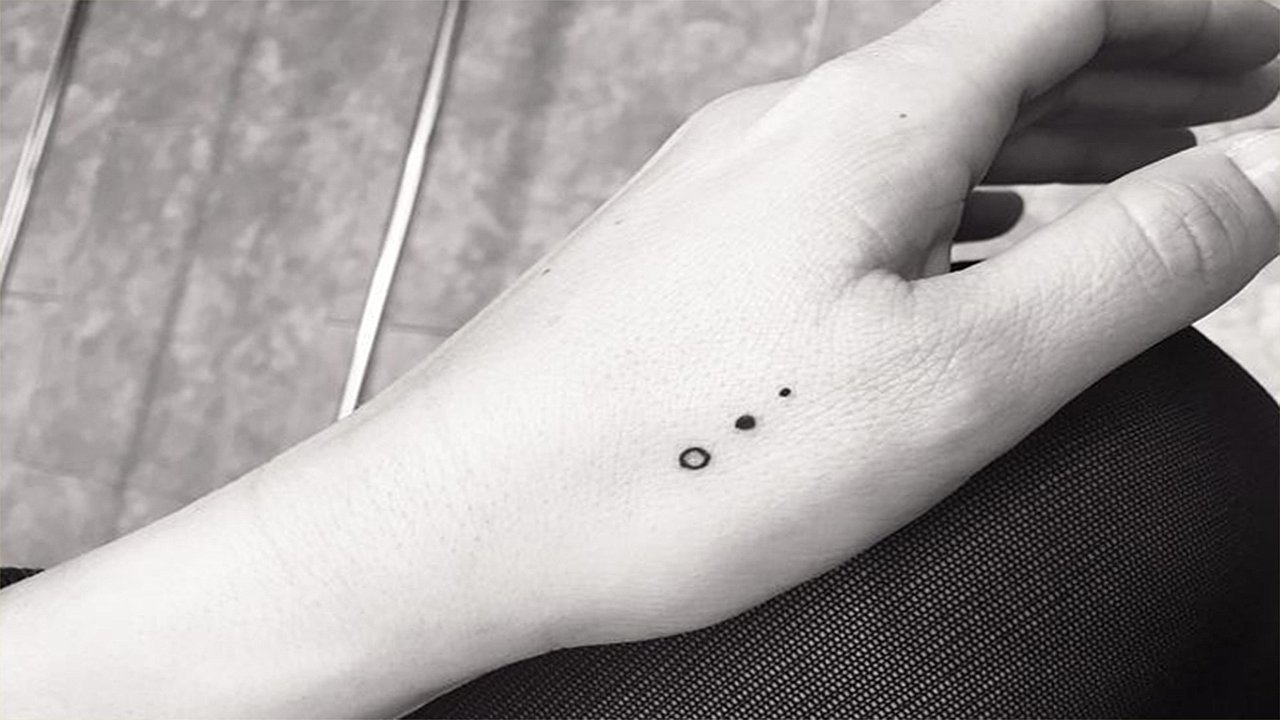
Few tattoo symbols generate as much curiosity and misunderstanding as the three-dot tattoo. A quick search online may lead to alarming headlines claiming that anyone with this tattoo should be avoided. These dramatic warnings often spread rapidly across social media, creating fear and confusion about a symbol that has many different meanings. In reality, the Three-Dot Tattoo is one of the most widely recognized minimalist tattoo designs in the world. Its significance varies greatly depending on the individual, cultural background, personal experiences, and placement of the tattoo. While some people associate it with gang culture, others view it as a spiritual symbol, a tribute to loved ones, or simply an attractive piece of body art. Understanding the history and context behind the three-dot tattoo reveals a far more complex story than internet myths suggest. This article explores the true meaning of the three-dot tattoo, its origins, common interpretations, and why it is important not to make assumptions based solely on body art.What is the three-dot tattoo?The three-dot tattoo is a simple design consisting of three small dots arranged either in a straight line or in a triangular pattern. Despite its minimal appearance, it has become one of the most recognizable tattoo symbols worldwide.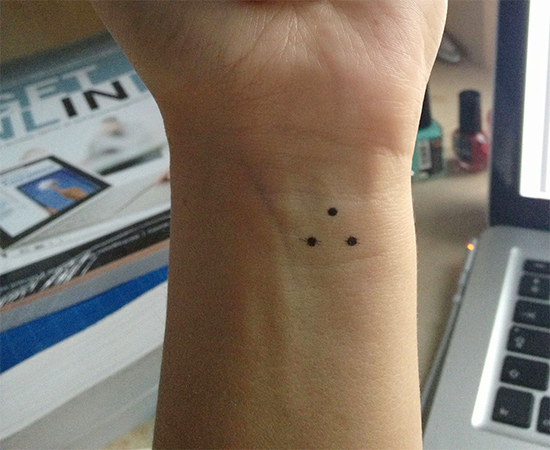 Part of its popularity comes from its versatility. The design is small, discreet, and easy to place on various parts of the body, including the hand, wrist, finger, ankle, or behind the ear. Because of its simplicity, people from many different cultures and backgrounds have adopted the symbol for their own personal reasons. Today, the three-dot tattoo can represent cultural identity, personal growth, spirituality, family connections, or artistic preference.Where did the three-dot tattoo originate?The origins of the three-dot tattoo are often linked to Latin American and Chicano communities, where it became associated with the phrase "Mi Vida Loca," which translates to "My Crazy Life."In this context, the tattoo was not necessarily connected to criminal activity. Instead, it symbolized a life marked by hardship, resilience, survival, and overcoming challenges. For many individuals, the phrase reflected personal experiences rather than membership in any specific group.Over time, the symbol spread beyond its original cultural setting and gained new meanings across different countries and communities. As tattoo culture expanded globally, the three-dot design evolved into a versatile symbol with numerous interpretations.What does the three-dot tattoo mean?One reason the three-dot tattoo remains so popular is that it can carry many different meanings. The interpretation often depends on the wearer rather than the design itself.For some people, the three dots represent important stages of life such as the past, present, and future. Others use the symbol to honor three family members, close friends, or significant life events.The design may also symbolize balance, unity, growth, or perseverance. Because the meaning is often personal, two people with identical tattoos may have completely different reasons for choosing the design. This flexibility has helped the three-dot tattoo remain relevant across generations and cultures.How is the three-dot tattoo connected to "Mi Vida Loca"?The phrase "Mi Vida Loca" remains one of the most recognized interpretations of the three-dot tattoo. Translated into English as "My Crazy Life," it refers to a life filled with challenges, unexpected events, and personal struggles.The three dots represent the three words of the phrase:
Part of its popularity comes from its versatility. The design is small, discreet, and easy to place on various parts of the body, including the hand, wrist, finger, ankle, or behind the ear. Because of its simplicity, people from many different cultures and backgrounds have adopted the symbol for their own personal reasons. Today, the three-dot tattoo can represent cultural identity, personal growth, spirituality, family connections, or artistic preference.Where did the three-dot tattoo originate?The origins of the three-dot tattoo are often linked to Latin American and Chicano communities, where it became associated with the phrase "Mi Vida Loca," which translates to "My Crazy Life."In this context, the tattoo was not necessarily connected to criminal activity. Instead, it symbolized a life marked by hardship, resilience, survival, and overcoming challenges. For many individuals, the phrase reflected personal experiences rather than membership in any specific group.Over time, the symbol spread beyond its original cultural setting and gained new meanings across different countries and communities. As tattoo culture expanded globally, the three-dot design evolved into a versatile symbol with numerous interpretations.What does the three-dot tattoo mean?One reason the three-dot tattoo remains so popular is that it can carry many different meanings. The interpretation often depends on the wearer rather than the design itself.For some people, the three dots represent important stages of life such as the past, present, and future. Others use the symbol to honor three family members, close friends, or significant life events.The design may also symbolize balance, unity, growth, or perseverance. Because the meaning is often personal, two people with identical tattoos may have completely different reasons for choosing the design. This flexibility has helped the three-dot tattoo remain relevant across generations and cultures.How is the three-dot tattoo connected to "Mi Vida Loca"?The phrase "Mi Vida Loca" remains one of the most recognized interpretations of the three-dot tattoo. Translated into English as "My Crazy Life," it refers to a life filled with challenges, unexpected events, and personal struggles.The three dots represent the three words of the phrase:- Mi
- Vida
- Loca
- Father
- Son
- Holy Spirit
- Mind, body, and spirit
- Birth, life, and death
- Creation, preservation, and transformation
- Past, present, and future