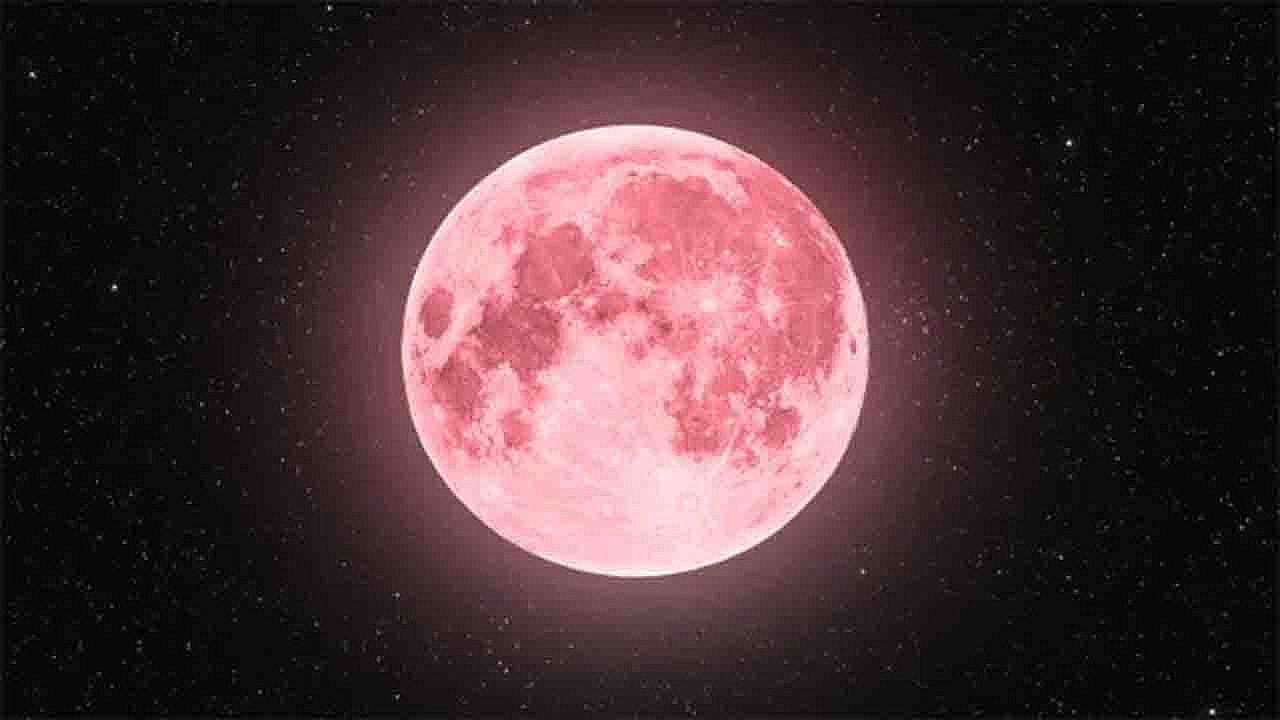
The night sky has always offered moments of wonder, but few annual celestial events capture the imagination quite like the Strawberry Moon. On June 29, 2026, people around the world will have the opportunity to witness this iconic full moon as it rises over the summer horizon. Although many expect the Strawberry Moon to glow bright pink or red, its famous name actually has nothing to do with its color. Instead, it reflects centuries of tradition, seasonal change, and humanity’s long connection with the natural world. Adding to its appeal, the 2026 Strawberry Moon will also be a micromoon, making it an especially interesting event for astronomy enthusiasts. Whether you are an experienced skywatcher or simply enjoy spending warm summer evenings outdoors, this full moon promises to be one of the highlights of the astronomical calendar. Here is everything you need to know about the Strawberry Moon and why it continues to fascinate people year after year.What is the Strawberry Moon?The Strawberry Moon is the traditional name given to the full moon that occurs in June. Unlike special astronomical events such as eclipses, this full moon appears every year and is easily visible without binoculars or telescopes. Its popularity comes from the fascinating history behind its name rather than any unusual physical characteristics. The Strawberry Moon has become one of the best-known seasonal full moons because it represents the arrival of early summer and reminds people of the natural rhythms that have guided human life for generations.Today, the June full moon is celebrated by astronomers, photographers, nature lovers, and casual observers alike, making it one of the most anticipated lunar events of the year.Where did the name Strawberry Moon come from?Many people mistakenly believe the Strawberry Moon earned its name because it appears pink or red. In reality, the name has cultural rather than astronomical origins.
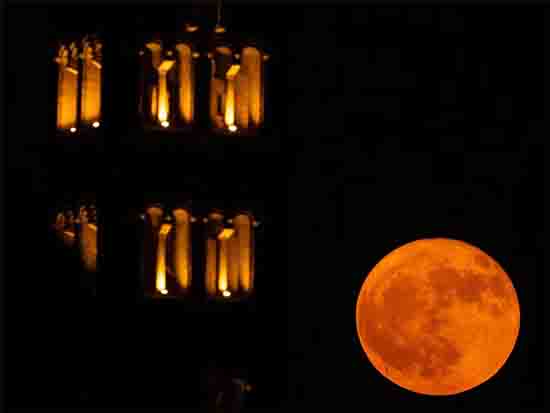 Several Indigenous peoples of North America used the June full moon to mark the short strawberry harvesting season. Before modern calendars, communities relied on recurring natural events to organize planting, harvesting, hunting, and celebrations.The June full moon served as a reliable seasonal signal that wild strawberries were ready to be gathered. Over centuries, the name "Strawberry Moon" became widely recognized and was eventually adopted into modern astronomical calendars alongside other traditional full moon names.This historical connection gives the Strawberry Moon a deeper meaning that extends far beyond astronomy.Why the Strawberry Moon is not actually pinkOne of the biggest misconceptions surrounding the Strawberry Moon is that it transforms into a vivid pink or bright red moon. Scientifically, the Strawberry Moon is no different in color than any other full moon. Its surface reflects sunlight in the same way throughout the year.However, when the moon rises low above the horizon, Earth's atmosphere scatters shorter wavelengths of light while allowing longer wavelengths to dominate. This atmospheric effect can make the moon appear golden, amber, orange, or occasionally light red.These warm colors often create the illusion that the Strawberry Moon is living up to its name, even though the color is produced entirely by atmospheric conditions rather than the moon itself.Why the 2026 Strawberry Moon is a rare micromoonThe June 29, 2026 Strawberry Moon will be particularly interesting because it will also be classified as a micromoon. A micromoon occurs when the full moon takes place near apogee, the point where the Moon is farthest from Earth during its orbit. Because of this greater distance, the moon appears slightly smaller and dimmer than an average full moon.Although the size difference is subtle and difficult to detect without comparison, astronomers appreciate these events because they highlight the changing distance between Earth and the Moon throughout its monthly orbit.Micromoons receive less public attention than supermoons, yet they provide an equally fascinating reminder of the dynamic nature of our Solar System.Why June moonrises are so memorableJune offers some of the most beautiful evenings of the year, making the Strawberry Moon especially enjoyable to observe.Across many regions, the full moon rises shortly after sunset, creating a breathtaking transition between the fading colors of twilight and the bright glow of moonlight. Warm temperatures, longer daylight hours, and clear summer skies often combine to create ideal viewing conditions.Unlike meteor showers that require dark skies or eclipses that occur only in certain locations, the Strawberry Moon is accessible to nearly everyone.No expensive equipment, advanced planning, or scientific knowledge is necessary. Simply finding a location with a clear view of the eastern horizon is often enough to enjoy one of nature's most beautiful displays.How to watch the Strawberry Moon on June 29, 2026Watching the Strawberry Moon is one of the easiest astronomical activities anyone can enjoy. For the best experience, check your local moonrise time and head outdoors shortly before the moon appears above the horizon. Open fields, beaches, lakes, parks, and hilltops often provide excellent viewing opportunities.Photographers may find the first moments after moonrise especially rewarding because the moon appears larger due to the well-known "moon illusion," even though its actual size has not changed.Bringing a camera with a zoom lens or even a modern smartphone can help capture memorable images of the glowing summer moon against colorful sunset skies.Why the Strawberry Moon continues to inspire peopleModern astronomy often focuses on extraordinary discoveries such as black holes, distant galaxies, and newly discovered exoplanets. Yet the Strawberry Moon reminds us that some of the most meaningful celestial events are also among the simplest.It is not the brightest full moon of the year, nor the largest or the rarest. Instead, its enduring popularity comes from the way it connects the changing seasons with centuries of human history and cultural tradition. For countless generations, people have watched this June full moon rise over forests, rivers, mountains, farms, and cities, marking the arrival of summer and the passage of time.On June 29, 2026, that timeless tradition will continue once again. As the Strawberry Moon climbs into the evening sky, it will offer a quiet reminder that even familiar sights can still inspire curiosity, appreciation, and wonder.
Its popularity comes from the fascinating history behind its name rather than any unusual physical characteristics. The Strawberry Moon has become one of the best-known seasonal full moons because it represents the arrival of early summer and reminds people of the natural rhythms that have guided human life for generations.Today, the June full moon is celebrated by astronomers, photographers, nature lovers, and casual observers alike, making it one of the most anticipated lunar events of the year.Where did the name Strawberry Moon come from?Many people mistakenly believe the Strawberry Moon earned its name because it appears pink or red. In reality, the name has cultural rather than astronomical origins.Several Indigenous peoples of North America used the June full moon to mark the short strawberry harvesting season. Before modern calendars, communities relied on recurring natural events to organize planting, harvesting, hunting, and celebrations.The June full moon served as a reliable seasonal signal that wild strawberries were ready to be gathered. Over centuries, the name "Strawberry Moon" became widely recognized and was eventually adopted into modern astronomical calendars alongside other traditional full moon names.This historical connection gives the Strawberry Moon a deeper meaning that extends far beyond astronomy.Why the Strawberry Moon is not actually pinkOne of the biggest misconceptions surrounding the Strawberry Moon is that it transforms into a vivid pink or bright red moon. Scientifically, the Strawberry Moon is no different in color than any other full moon. Its surface reflects sunlight in the same way throughout the year.However, when the moon rises low above the horizon, Earth's atmosphere scatters shorter wavelengths of light while allowing longer wavelengths to dominate. This atmospheric effect can make the moon appear golden, amber, orange, or occasionally light red.These warm colors often create the illusion that the Strawberry Moon is living up to its name, even though the color is produced entirely by atmospheric conditions rather than the moon itself.Why the 2026 Strawberry Moon is a rare micromoonThe June 29, 2026 Strawberry Moon will be particularly interesting because it will also be classified as a micromoon. A micromoon occurs when the full moon takes place near apogee, the point where the Moon is farthest from Earth during its orbit. Because of this greater distance, the moon appears slightly smaller and dimmer than an average full moon.Although the size difference is subtle and difficult to detect without comparison, astronomers appreciate these events because they highlight the changing distance between Earth and the Moon throughout its monthly orbit.Micromoons receive less public attention than supermoons, yet they provide an equally fascinating reminder of the dynamic nature of our Solar System.Why June moonrises are so memorableJune offers some of the most beautiful evenings of the year, making the Strawberry Moon especially enjoyable to observe.Across many regions, the full moon rises shortly after sunset, creating a breathtaking transition between the fading colors of twilight and the bright glow of moonlight. Warm temperatures, longer daylight hours, and clear summer skies often combine to create ideal viewing conditions.Unlike meteor showers that require dark skies or eclipses that occur only in certain locations, the Strawberry Moon is accessible to nearly everyone.No expensive equipment, advanced planning, or scientific knowledge is necessary. Simply finding a location with a clear view of the eastern horizon is often enough to enjoy one of nature's most beautiful displays.How to watch the Strawberry Moon on June 29, 2026Watching the Strawberry Moon is one of the easiest astronomical activities anyone can enjoy. For the best experience, check your local moonrise time and head outdoors shortly before the moon appears above the horizon. Open fields, beaches, lakes, parks, and hilltops often provide excellent viewing opportunities.Photographers may find the first moments after moonrise especially rewarding because the moon appears larger due to the well-known "moon illusion," even though its actual size has not changed.Bringing a camera with a zoom lens or even a modern smartphone can help capture memorable images of the glowing summer moon against colorful sunset skies.Why the Strawberry Moon continues to inspire peopleModern astronomy often focuses on extraordinary discoveries such as black holes, distant galaxies, and newly discovered exoplanets. Yet the Strawberry Moon reminds us that some of the most meaningful celestial events are also among the simplest.It is not the brightest full moon of the year, nor the largest or the rarest. Instead, its enduring popularity comes from the way it connects the changing seasons with centuries of human history and cultural tradition. For countless generations, people have watched this June full moon rise over forests, rivers, mountains, farms, and cities, marking the arrival of summer and the passage of time.On June 29, 2026, that timeless tradition will continue once again. As the Strawberry Moon climbs into the evening sky, it will offer a quiet reminder that even familiar sights can still inspire curiosity, appreciation, and wonder.