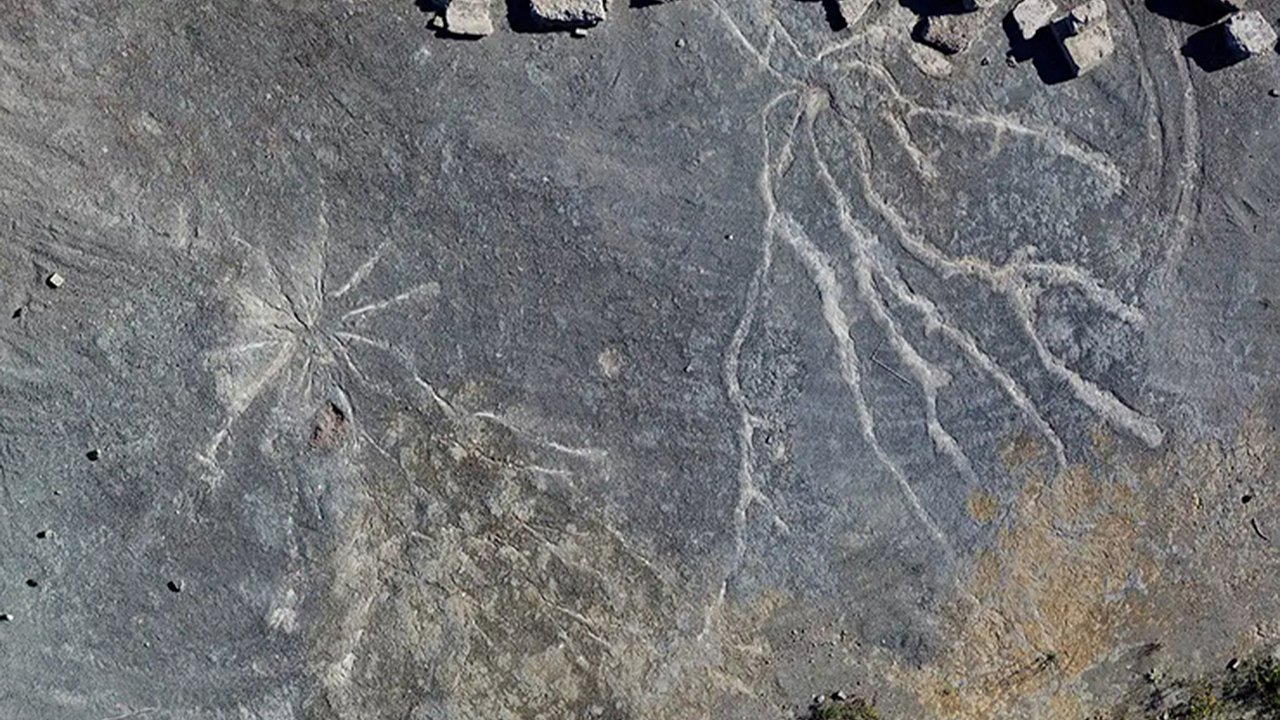
When most people think of New York, they imagine the bustling streets of Manhattan, the Statue of Liberty, or the rolling Catskill Mountains. But hidden beneath this familiar landscape lies a prehistoric world that predates the dinosaurs by millions of years. In the quiet town of Cairo, scientists uncovered the oldest fossil forest ever recorded, dating back 385 million years to the Devonian period.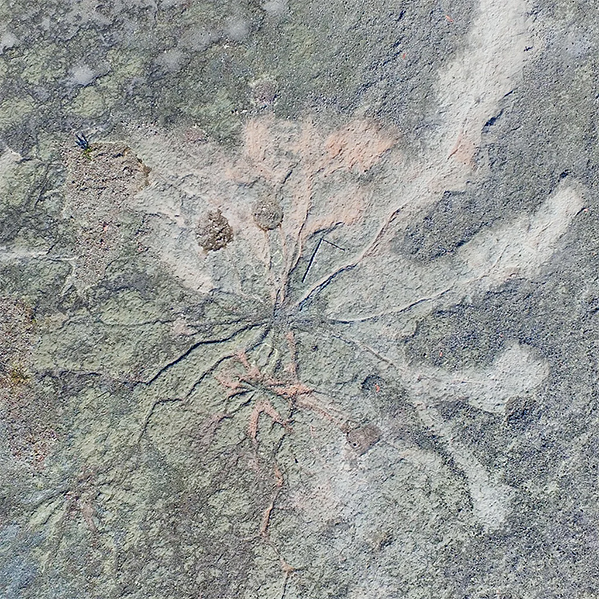 This extraordinary find predates the previously celebrated Gilboa fossil forests and provides a rare glimpse into a time when plants first grew into towering trees and began reshaping the planet’s atmosphere. Today, visitors to the Catskills region can explore these remarkable sites, where fossilized stumps, roots, and ancient tree casts tell the story of Earth’s earliest forests and their role in cooling the planet’s climate.The Devonian world of New YorkDuring the Devonian period, around 400 million years ago, New York looked nothing like it does today. Instead of deciduous forests and mountain ridges, the land was located near the equator, covered by shallow seas and dotted with primitive trees resembling palms. Birds and mammals did not exist, and even insects had yet to appear. It was in this environment that the first true forests began to emerge, creating ecosystems that transformed the planet’s climate. These forests absorbed vast amounts of carbon dioxide, lowering global temperatures and paving the way for the evolution of land-dwelling vertebrates.The famous Gilboa fossil forestsLong before the Cairo discovery, the small town of Gilboa had already made scientific history. In the late 19th and early 20th centuries, paleontologists uncovered fossilized tree stumps here, which were later recognized as belonging to the oldest known forests at the time, about 380 million years old. These ancient trees, known as Eospermatopteris, stood like primitive palms with bulbous bases and finger-like roots. During the 1920s, when Gilboa was transformed into a watershed to provide water for New York City, additional fossils were revealed, cementing the area’s reputation as a paleontological treasure. Today, many of these fossils are preserved and displayed at the Gilboa Museum, keeping the legacy of this prehistoric forest alive.The groundbreaking Cairo discoveryIn 2018, researchers made a remarkable breakthrough in a quarry in Cairo, New York. Led by geologist Dr. Charles Ver Straeten and colleagues, the team identified fossilized root systems that turned out to be part of a forest 385 million years old—making it two to three million years older than Gilboa. Using drones to map the site, scientists discovered impressions of at least three different types of trees, preserved on what was once the forest floor. This site not only pushed back the timeline of the world’s oldest forest but also offered crucial insights into the ecological and climatic changes of the Devonian period. In 2024, funding was announced to protect the Cairo site and prepare it as a future educational and research center.How ancient forests shaped Earth’s climateThe emergence of the first forests was a turning point in Earth’s history. By absorbing carbon dioxide and providing shade, these Devonian trees contributed to a global cooling event that dramatically altered the environment. The forests of Gilboa and Cairo played a role in this ancient climate shift, helping stabilize ecosystems and setting the stage for the evolution of land animals. Today, scientists see a parallel in reverse: as modern deforestation increases carbon dioxide levels, global temperatures rise, echoing the climatic shifts of the Paleozoic era but with human activity driving the change.Life and fossils in the CatskillsThe Catskills region continues to be a hotspot for fossil discoveries. About 10% of New York contains Devonian rock formations, meaning countless fossil forests remain hidden beneath soil and vegetation. Beyond the famous Eospermatopteris, fossils from trees such as Archaeopteris and Tetraxylopteris have also been found, giving researchers a broader picture of Devonian biodiversity. At the Gilboa Museum, visitors can see fossil casts, leaf imprints, and even paintings that reconstruct the lush tropical environment of the ancient forests. These exhibits highlight not only the scientific importance of the discoveries but also their cultural value to local communities whose history is deeply intertwined with the land.A window into the past and futureWalking through modern New York forests, small plants like ground pines still carry echoes of the Devonian era. They are living reminders of a time when plant life was just beginning to colonize the land. The discoveries in Cairo and Gilboa provide more than scientific curiosity—they offer a window into the deep history of climate change and the resilience of ecosystems. As scientists continue to study these fossil forests, they help us better understand both Earth’s ancient past and the urgent environmental challenges of today.
This extraordinary find predates the previously celebrated Gilboa fossil forests and provides a rare glimpse into a time when plants first grew into towering trees and began reshaping the planet’s atmosphere. Today, visitors to the Catskills region can explore these remarkable sites, where fossilized stumps, roots, and ancient tree casts tell the story of Earth’s earliest forests and their role in cooling the planet’s climate.The Devonian world of New YorkDuring the Devonian period, around 400 million years ago, New York looked nothing like it does today. Instead of deciduous forests and mountain ridges, the land was located near the equator, covered by shallow seas and dotted with primitive trees resembling palms. Birds and mammals did not exist, and even insects had yet to appear. It was in this environment that the first true forests began to emerge, creating ecosystems that transformed the planet’s climate. These forests absorbed vast amounts of carbon dioxide, lowering global temperatures and paving the way for the evolution of land-dwelling vertebrates.The famous Gilboa fossil forestsLong before the Cairo discovery, the small town of Gilboa had already made scientific history. In the late 19th and early 20th centuries, paleontologists uncovered fossilized tree stumps here, which were later recognized as belonging to the oldest known forests at the time, about 380 million years old. These ancient trees, known as Eospermatopteris, stood like primitive palms with bulbous bases and finger-like roots. During the 1920s, when Gilboa was transformed into a watershed to provide water for New York City, additional fossils were revealed, cementing the area’s reputation as a paleontological treasure. Today, many of these fossils are preserved and displayed at the Gilboa Museum, keeping the legacy of this prehistoric forest alive.The groundbreaking Cairo discoveryIn 2018, researchers made a remarkable breakthrough in a quarry in Cairo, New York. Led by geologist Dr. Charles Ver Straeten and colleagues, the team identified fossilized root systems that turned out to be part of a forest 385 million years old—making it two to three million years older than Gilboa. Using drones to map the site, scientists discovered impressions of at least three different types of trees, preserved on what was once the forest floor. This site not only pushed back the timeline of the world’s oldest forest but also offered crucial insights into the ecological and climatic changes of the Devonian period. In 2024, funding was announced to protect the Cairo site and prepare it as a future educational and research center.How ancient forests shaped Earth’s climateThe emergence of the first forests was a turning point in Earth’s history. By absorbing carbon dioxide and providing shade, these Devonian trees contributed to a global cooling event that dramatically altered the environment. The forests of Gilboa and Cairo played a role in this ancient climate shift, helping stabilize ecosystems and setting the stage for the evolution of land animals. Today, scientists see a parallel in reverse: as modern deforestation increases carbon dioxide levels, global temperatures rise, echoing the climatic shifts of the Paleozoic era but with human activity driving the change.Life and fossils in the CatskillsThe Catskills region continues to be a hotspot for fossil discoveries. About 10% of New York contains Devonian rock formations, meaning countless fossil forests remain hidden beneath soil and vegetation. Beyond the famous Eospermatopteris, fossils from trees such as Archaeopteris and Tetraxylopteris have also been found, giving researchers a broader picture of Devonian biodiversity. At the Gilboa Museum, visitors can see fossil casts, leaf imprints, and even paintings that reconstruct the lush tropical environment of the ancient forests. These exhibits highlight not only the scientific importance of the discoveries but also their cultural value to local communities whose history is deeply intertwined with the land.A window into the past and futureWalking through modern New York forests, small plants like ground pines still carry echoes of the Devonian era. They are living reminders of a time when plant life was just beginning to colonize the land. The discoveries in Cairo and Gilboa provide more than scientific curiosity—they offer a window into the deep history of climate change and the resilience of ecosystems. As scientists continue to study these fossil forests, they help us better understand both Earth’s ancient past and the urgent environmental challenges of today.