
Ginger has long been celebrated as one of the most powerful natural ingredients for supporting overall wellness. From soothing nausea and easing digestion to helping reduce inflammation, this root has earned a strong reputation in both traditional medicine and modern nutrition. Many people regularly add Ginger tea, fresh ginger, or supplements to their daily routine in hopes of improving their health naturally. However, even healthy foods can become problematic when consumed in excessive amounts over a long period of time.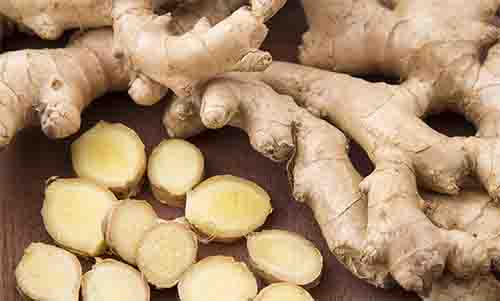 A 54-Year-Old Woman learned this lesson after consuming ginger every day for three months, believing she was doing something beneficial for her body. While ginger can provide many scientifically supported health benefits, overusing it may trigger uncomfortable and even painful side effects in some individuals. Her experience serves as an important reminder that moderation matters, especially when it comes to herbal remedies and natural supplements. Understanding both the advantages and possible risks of ginger can help people enjoy its benefits safely while avoiding unnecessary health complications.Ginger and its growing popularity
Ginger has become increasingly popular among health-conscious consumers due to its reputation as a natural remedy for several common conditions. It is frequently recommended for digestive support, nausea relief, inflammation reduction, and immune system support. Because it is easy to add to meals, teas, smoothies, and supplements, many people consume ginger daily without giving much thought to the amount they are taking.Modern scientific research has helped strengthen ginger’s image as a healthy superfood. Studies suggest that ginger contains active compounds such as gingerol and shogaol, which may contribute to anti-inflammatory and antioxidant effects. These compounds are believed to help the body manage oxidative stress and support healthy bodily functions.As interest in natural health remedies continues to grow, ginger supplements and concentrated extracts have become more widely available. However, consuming high doses regularly may not be suitable for everyone.How excessive ginger consumption can affect the body
Although ginger is generally considered safe in moderate amounts, excessive intake may lead to unwanted side effects. Some individuals experience digestive discomfort, heartburn, diarrhea, stomach irritation, or bloating after consuming too much ginger over an extended period.In the case of the 54-year-old woman, daily consumption for three months reportedly led to painful digestive symptoms that disrupted her routine and caused significant discomfort. While ginger is often used to improve digestion, very large amounts can sometimes irritate the stomach lining instead of calming it.Another concern involves ginger’s natural blood-thinning properties. Ginger may affect blood clotting, especially when combined with medications such as aspirin or anticoagulants. For people already taking blood-thinning medications, excessive ginger intake could potentially increase the risk of bleeding or bruising.This is one reason healthcare professionals often recommend discussing herbal supplements with a doctor before using them regularly, particularly for individuals with underlying health conditions.Ginger benefits that are supported by research
Despite the potential risks of overconsumption, ginger still offers many health-supporting properties when used appropriately. One of its most recognized benefits is nausea relief. Pregnant women, travelers dealing with motion sickness, and patients undergoing certain medical treatments often use ginger to help reduce nausea naturally.Research also suggests that ginger may help reduce inflammation in the body. Chronic inflammation has been linked to conditions such as arthritis, heart disease, and metabolic disorders. The anti-inflammatory compounds found in ginger may help support joint comfort and muscle recovery.Some studies have explored ginger’s role in pain management as well. It has been associated with mild improvements in menstrual pain, exercise-related soreness, and joint stiffness. While ginger is not a replacement for medical treatment, it may provide supportive benefits as part of a healthy lifestyle.Scientists are also studying whether ginger may contribute to better heart health and blood sugar control. Early research suggests that it could support healthy cholesterol levels and improve glucose metabolism, though additional human studies are still needed.Why moderation is important with natural remedies
Many people assume that natural products are automatically safe in unlimited amounts, but this is not always true. Even beneficial foods and herbs can produce side effects when consumed excessively or combined improperly with medications.Moderation is especially important with concentrated ginger supplements, powders, or extracts. These products may contain much higher levels of active compounds than fresh ginger used in cooking. Taking large doses daily without professional guidance may increase the likelihood of adverse reactions.Experts generally recommend enjoying ginger in reasonable quantities through food or tea rather than relying heavily on supplements unless medically advised. Paying attention to how the body responds is also important, since individual tolerance levels can vary significantly.People with gallbladder disease, bleeding disorders, acid reflux, or certain heart conditions may need to be especially cautious with ginger intake. Consulting a healthcare provider is always the safest approach when adding herbal products to a regular health routine.Signs that you may be consuming too much ginger
There are several warning signs that may indicate excessive ginger consumption. Common symptoms include stomach pain, acid reflux, heartburn, diarrhea, mouth irritation, and bloating. Some people may also notice changes related to blood thinning, such as easier bruising or prolonged bleeding from small cuts.If these symptoms develop after increasing ginger intake, reducing consumption may help relieve discomfort. In more serious cases or when symptoms persist, medical evaluation may be necessary to rule out complications or interactions with medications. Listening to the body and practicing balance can help prevent these issues before they become severe.Healthy ways to include ginger in your diet
For most people, ginger can still be a healthy and enjoyable addition to daily life when consumed responsibly. Fresh ginger can be added to soups, teas, stir-fries, smoothies, and marinades to provide flavor and potential health benefits without excessive intake.Ginger tea remains one of the most popular ways to enjoy this root naturally. Using small amounts in cooking also allows people to benefit from ginger’s flavor and nutritional properties without overloading the body with concentrated compounds.The experience of the 54-year-old woman serves as a valuable reminder that even healthy ingredients should be consumed thoughtfully. Ginger may support wellness in many ways, but balance remains the key to using it safely and effectively.
A 54-Year-Old Woman learned this lesson after consuming ginger every day for three months, believing she was doing something beneficial for her body. While ginger can provide many scientifically supported health benefits, overusing it may trigger uncomfortable and even painful side effects in some individuals. Her experience serves as an important reminder that moderation matters, especially when it comes to herbal remedies and natural supplements. Understanding both the advantages and possible risks of ginger can help people enjoy its benefits safely while avoiding unnecessary health complications.Ginger and its growing popularityGinger has become increasingly popular among health-conscious consumers due to its reputation as a natural remedy for several common conditions. It is frequently recommended for digestive support, nausea relief, inflammation reduction, and immune system support. Because it is easy to add to meals, teas, smoothies, and supplements, many people consume ginger daily without giving much thought to the amount they are taking.Modern scientific research has helped strengthen ginger’s image as a healthy superfood. Studies suggest that ginger contains active compounds such as gingerol and shogaol, which may contribute to anti-inflammatory and antioxidant effects. These compounds are believed to help the body manage oxidative stress and support healthy bodily functions.As interest in natural health remedies continues to grow, ginger supplements and concentrated extracts have become more widely available. However, consuming high doses regularly may not be suitable for everyone.How excessive ginger consumption can affect the body
Although ginger is generally considered safe in moderate amounts, excessive intake may lead to unwanted side effects. Some individuals experience digestive discomfort, heartburn, diarrhea, stomach irritation, or bloating after consuming too much ginger over an extended period.In the case of the 54-year-old woman, daily consumption for three months reportedly led to painful digestive symptoms that disrupted her routine and caused significant discomfort. While ginger is often used to improve digestion, very large amounts can sometimes irritate the stomach lining instead of calming it.Another concern involves ginger’s natural blood-thinning properties. Ginger may affect blood clotting, especially when combined with medications such as aspirin or anticoagulants. For people already taking blood-thinning medications, excessive ginger intake could potentially increase the risk of bleeding or bruising.This is one reason healthcare professionals often recommend discussing herbal supplements with a doctor before using them regularly, particularly for individuals with underlying health conditions.Ginger benefits that are supported by research
Despite the potential risks of overconsumption, ginger still offers many health-supporting properties when used appropriately. One of its most recognized benefits is nausea relief. Pregnant women, travelers dealing with motion sickness, and patients undergoing certain medical treatments often use ginger to help reduce nausea naturally.Research also suggests that ginger may help reduce inflammation in the body. Chronic inflammation has been linked to conditions such as arthritis, heart disease, and metabolic disorders. The anti-inflammatory compounds found in ginger may help support joint comfort and muscle recovery.Some studies have explored ginger’s role in pain management as well. It has been associated with mild improvements in menstrual pain, exercise-related soreness, and joint stiffness. While ginger is not a replacement for medical treatment, it may provide supportive benefits as part of a healthy lifestyle.Scientists are also studying whether ginger may contribute to better heart health and blood sugar control. Early research suggests that it could support healthy cholesterol levels and improve glucose metabolism, though additional human studies are still needed.Why moderation is important with natural remedies
Many people assume that natural products are automatically safe in unlimited amounts, but this is not always true. Even beneficial foods and herbs can produce side effects when consumed excessively or combined improperly with medications.Moderation is especially important with concentrated ginger supplements, powders, or extracts. These products may contain much higher levels of active compounds than fresh ginger used in cooking. Taking large doses daily without professional guidance may increase the likelihood of adverse reactions.Experts generally recommend enjoying ginger in reasonable quantities through food or tea rather than relying heavily on supplements unless medically advised. Paying attention to how the body responds is also important, since individual tolerance levels can vary significantly.People with gallbladder disease, bleeding disorders, acid reflux, or certain heart conditions may need to be especially cautious with ginger intake. Consulting a healthcare provider is always the safest approach when adding herbal products to a regular health routine.Signs that you may be consuming too much ginger
There are several warning signs that may indicate excessive ginger consumption. Common symptoms include stomach pain, acid reflux, heartburn, diarrhea, mouth irritation, and bloating. Some people may also notice changes related to blood thinning, such as easier bruising or prolonged bleeding from small cuts.If these symptoms develop after increasing ginger intake, reducing consumption may help relieve discomfort. In more serious cases or when symptoms persist, medical evaluation may be necessary to rule out complications or interactions with medications. Listening to the body and practicing balance can help prevent these issues before they become severe.Healthy ways to include ginger in your diet
For most people, ginger can still be a healthy and enjoyable addition to daily life when consumed responsibly. Fresh ginger can be added to soups, teas, stir-fries, smoothies, and marinades to provide flavor and potential health benefits without excessive intake.Ginger tea remains one of the most popular ways to enjoy this root naturally. Using small amounts in cooking also allows people to benefit from ginger’s flavor and nutritional properties without overloading the body with concentrated compounds.The experience of the 54-year-old woman serves as a valuable reminder that even healthy ingredients should be consumed thoughtfully. Ginger may support wellness in many ways, but balance remains the key to using it safely and effectively.