Few wildlife encounters rival the quiet wonder of spotting a newly hatched piping plover chick along the shoreline. Barely larger than a cotton ball, these tiny shorebirds step into a harsh coastal world filled with wind, predators, and human activity. Yet, despite their fragile appearance, they are remarkably adapted to survive in one of nature’s most dynamic environments. Found along sandy beaches and coastal flats across North America, Piping Plovers represent both the beauty and vulnerability of shoreline ecosystems. Their story is not just about survival, but about the delicate balance between wildlife and human recreation. Understanding their early life offers insight into why protecting coastal habitats is more important than ever.Natural habitat and distribution
Piping plovers (Charadrius melodus) inhabit open, sparsely vegetated beaches, sandbars, dunes, and coastal flats. These environments provide the visibility they need to detect predators and the soft substrate required for nesting. Their range spans the Atlantic Coast, the Great Lakes, and parts of the Great Plains, with migration routes leading to southern coastal regions during winter.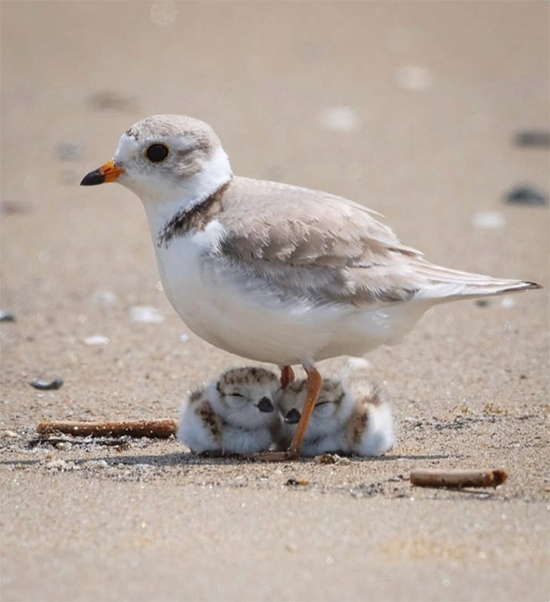 Because they rely on undisturbed shorelines, even minor habitat disruption can affect breeding success. Expanding coastal development, beach grooming, and heavy tourism reduce the availability of suitable nesting grounds, making habitat conservation essential for population stability.Physical characteristics and camouflage
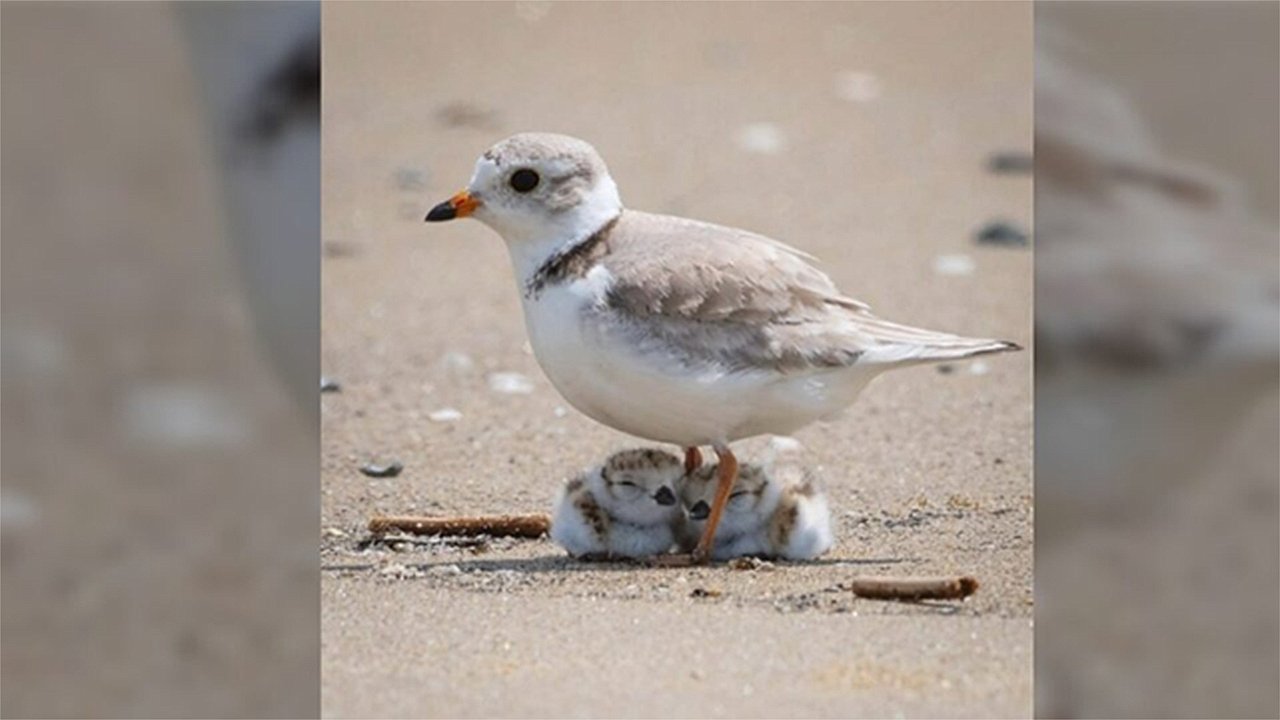
Adult piping plovers are small, pale shorebirds distinguished by sand‑colored plumage that blends seamlessly with their environment. A thin black neck band, bright orange legs, and a short orange bill tipped in black give them a delicate but recognizable appearance.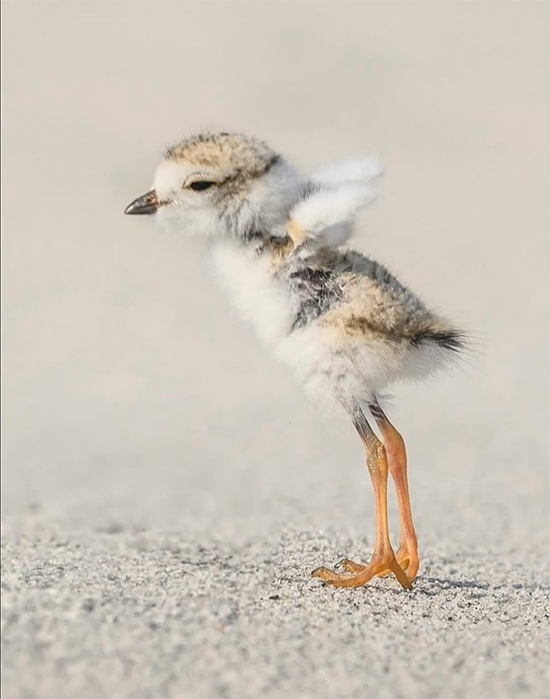 Chicks are even more cryptic. Covered in soft, speckled down, they resemble tiny pebbles scattered across the sand. This natural camouflage is their primary defense against predators such as gulls, foxes, raccoons, and domestic pets. Remaining motionless at the first sign of danger often means the difference between life and death.Nesting behavior on open beaches
Unlike many bird species, piping plovers do not build raised or sheltered nests. Instead, they create shallow scrapes directly in the sand, sometimes lined with shells or small stones. These minimalist nests rely entirely on camouflage rather than structure for protection.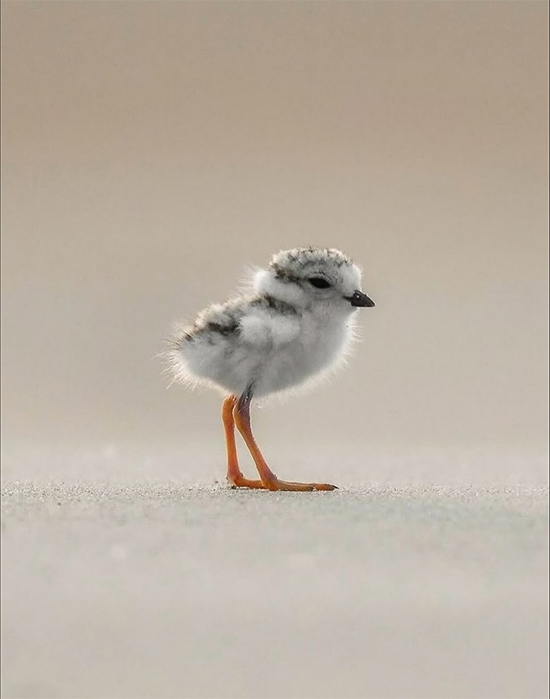 While effective against natural predators, this strategy leaves nests highly vulnerable to human disturbance. Beachgoers may unknowingly step on eggs, and off‑road vehicles can destroy nests in seconds. Rising tides and storm surges also pose constant threats, particularly as climate change intensifies coastal weather patterns.Chick development and early survival
Piping plover chicks are precocial, meaning they hatch with open eyes, downy feathers, and the ability to walk within hours. Almost immediately, they leave the nest scrape and begin following their parents along the shoreline.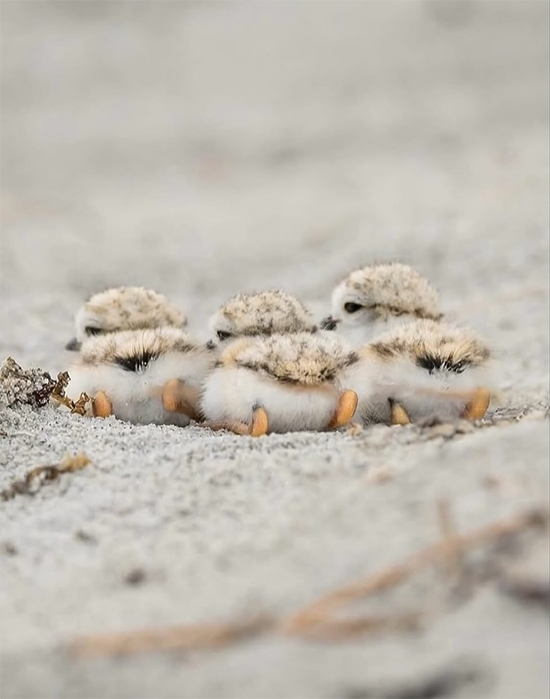 They forage independently, feeding on insects, marine worms, and tiny crustaceans found in wet sand and tidal wrack. Although mobile, they cannot fly for several weeks. During this period, they rely on camouflage and parental protection for survival.Parents are highly attentive and use distraction displays to defend their young. A common tactic is the “broken‑wing act,” where an adult feigns injury to lure predators away from chicks. This behavior demonstrates the species’ strong parental investment despite their small size.Threats facing newly hatched chicks
The greatest dangers to piping plover chicks stem from human activity. Recreational beach use overlaps directly with nesting season, increasing the risk of trampling and disturbance. Unleashed dogs may chase or kill chicks, while litter attracts predators.Climate change adds another layer of risk. Sea level rise, stronger storms, and coastal erosion reduce the narrow strips of habitat available for nesting. Because chicks depend on intertidal feeding zones, habitat loss can quickly translate into reduced survival rates. Predation remains a natural threat, but human‑altered landscapes often increase predator populations, compounding the danger.Conservation efforts and protections
Piping plovers are listed as threatened or endangered in many regions of the United States and Canada. Conservation programs focus on protecting nesting sites during breeding season.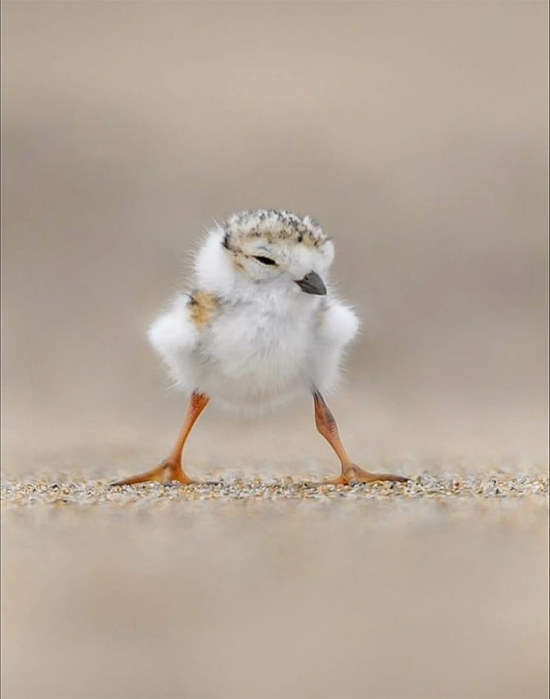 Common measures include symbolic fencing around nests, seasonal beach closures, predator management, and public education campaigns. Volunteers and wildlife biologists monitor nests, track chick survival, and guide beach visitors on responsible behavior.These efforts have shown measurable success. In areas where protections are enforced, breeding pairs return and chick survival rates improve, demonstrating the effectiveness of targeted conservation.Ecological importance of piping plovers
Piping plovers serve as indicator species for coastal ecosystem health. Their presence signals intact shorelines with functioning food webs and minimal disturbance.Protecting plovers also safeguards other beach‑nesting birds, dune vegetation, and marine invertebrates. In this way, conservation actions aimed at one small shorebird ripple outward, benefiting the entire coastal environment.Healthy beaches support biodiversity, buffer storms, and provide sustainable recreation spaces, making plover protection both an ecological and societal investment.How humans can support their survival
Simple behavioral changes can significantly improve piping plover survival. Respecting posted nesting areas, keeping dogs leashed, avoiding dune vegetation, and disposing of trash properly all reduce risks.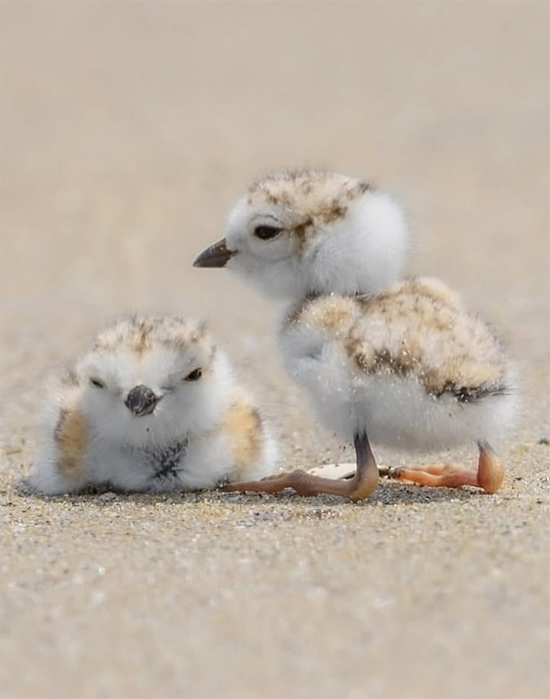 Choosing designated beach access points and observing wildlife from a distance helps minimize disturbance. Public awareness remains one of the most powerful conservation tools, as informed visitors are more likely to support protective measures. Every responsible action contributes to safer breeding grounds for these vulnerable chicks.The future of a shoreline survivor
Newly Hatched Piping Plovers embody resilience in one of nature’s most exposed habitats. Their survival depends on a delicate balance of natural adaptation and human stewardship.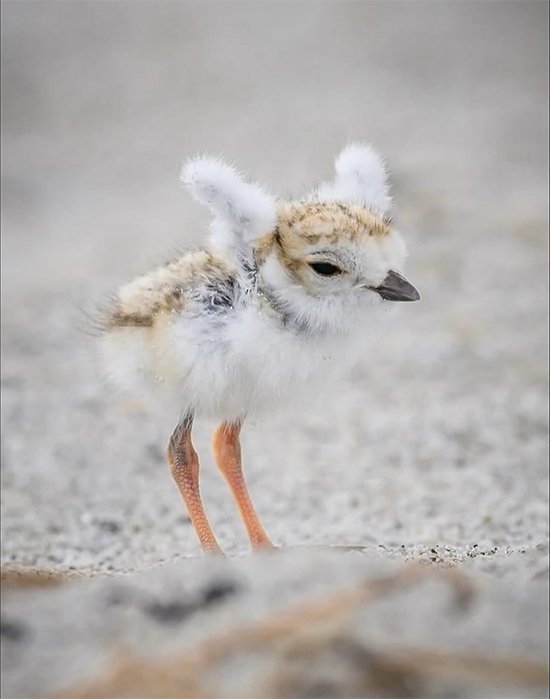 As coastal pressures intensify, continued conservation action will determine whether future generations witness these tiny birds racing across the sand. Protecting them ensures not only the survival of a species but the preservation of the wild shorelines they represent. Sometimes, the smallest footprints in the sand tell the most powerful story about our relationship with the natural world.
Piping plovers (Charadrius melodus) inhabit open, sparsely vegetated beaches, sandbars, dunes, and coastal flats. These environments provide the visibility they need to detect predators and the soft substrate required for nesting. Their range spans the Atlantic Coast, the Great Lakes, and parts of the Great Plains, with migration routes leading to southern coastal regions during winter.
Because they rely on undisturbed shorelines, even minor habitat disruption can affect breeding success. Expanding coastal development, beach grooming, and heavy tourism reduce the availability of suitable nesting grounds, making habitat conservation essential for population stability.Physical characteristics and camouflageAdult piping plovers are small, pale shorebirds distinguished by sand‑colored plumage that blends seamlessly with their environment. A thin black neck band, bright orange legs, and a short orange bill tipped in black give them a delicate but recognizable appearance.
Chicks are even more cryptic. Covered in soft, speckled down, they resemble tiny pebbles scattered across the sand. This natural camouflage is their primary defense against predators such as gulls, foxes, raccoons, and domestic pets. Remaining motionless at the first sign of danger often means the difference between life and death.Nesting behavior on open beachesUnlike many bird species, piping plovers do not build raised or sheltered nests. Instead, they create shallow scrapes directly in the sand, sometimes lined with shells or small stones. These minimalist nests rely entirely on camouflage rather than structure for protection.
While effective against natural predators, this strategy leaves nests highly vulnerable to human disturbance. Beachgoers may unknowingly step on eggs, and off‑road vehicles can destroy nests in seconds. Rising tides and storm surges also pose constant threats, particularly as climate change intensifies coastal weather patterns.Chick development and early survivalPiping plover chicks are precocial, meaning they hatch with open eyes, downy feathers, and the ability to walk within hours. Almost immediately, they leave the nest scrape and begin following their parents along the shoreline.
They forage independently, feeding on insects, marine worms, and tiny crustaceans found in wet sand and tidal wrack. Although mobile, they cannot fly for several weeks. During this period, they rely on camouflage and parental protection for survival.Parents are highly attentive and use distraction displays to defend their young. A common tactic is the “broken‑wing act,” where an adult feigns injury to lure predators away from chicks. This behavior demonstrates the species’ strong parental investment despite their small size.Threats facing newly hatched chicksThe greatest dangers to piping plover chicks stem from human activity. Recreational beach use overlaps directly with nesting season, increasing the risk of trampling and disturbance. Unleashed dogs may chase or kill chicks, while litter attracts predators.Climate change adds another layer of risk. Sea level rise, stronger storms, and coastal erosion reduce the narrow strips of habitat available for nesting. Because chicks depend on intertidal feeding zones, habitat loss can quickly translate into reduced survival rates. Predation remains a natural threat, but human‑altered landscapes often increase predator populations, compounding the danger.Conservation efforts and protections
Piping plovers are listed as threatened or endangered in many regions of the United States and Canada. Conservation programs focus on protecting nesting sites during breeding season.
Common measures include symbolic fencing around nests, seasonal beach closures, predator management, and public education campaigns. Volunteers and wildlife biologists monitor nests, track chick survival, and guide beach visitors on responsible behavior.These efforts have shown measurable success. In areas where protections are enforced, breeding pairs return and chick survival rates improve, demonstrating the effectiveness of targeted conservation.Ecological importance of piping ploversPiping plovers serve as indicator species for coastal ecosystem health. Their presence signals intact shorelines with functioning food webs and minimal disturbance.Protecting plovers also safeguards other beach‑nesting birds, dune vegetation, and marine invertebrates. In this way, conservation actions aimed at one small shorebird ripple outward, benefiting the entire coastal environment.Healthy beaches support biodiversity, buffer storms, and provide sustainable recreation spaces, making plover protection both an ecological and societal investment.How humans can support their survival
Simple behavioral changes can significantly improve piping plover survival. Respecting posted nesting areas, keeping dogs leashed, avoiding dune vegetation, and disposing of trash properly all reduce risks.
Choosing designated beach access points and observing wildlife from a distance helps minimize disturbance. Public awareness remains one of the most powerful conservation tools, as informed visitors are more likely to support protective measures. Every responsible action contributes to safer breeding grounds for these vulnerable chicks.The future of a shoreline survivorNewly Hatched Piping Plovers embody resilience in one of nature’s most exposed habitats. Their survival depends on a delicate balance of natural adaptation and human stewardship.
As coastal pressures intensify, continued conservation action will determine whether future generations witness these tiny birds racing across the sand. Protecting them ensures not only the survival of a species but the preservation of the wild shorelines they represent. Sometimes, the smallest footprints in the sand tell the most powerful story about our relationship with the natural world.