More Than Just a Game: How Squid Game Hit Home for South Koreans
For many locals, the end of Season 3 served as both a cultural milestone and a sobering reflection of societal challenges.Since its explosive debut in 2021, Squid Game has captivated audiences with its high-stakes depiction of desperate individuals risking their lives for a ₩45.6 billion prize (about $33 million). The final season ended on a grim note: Gi-hun, the protagonist played by Lee Jung-jae, was killed off, while many of the show’s most corrupt and powerful characters remained unpunished.Fans Disappointed by Grim Ending
For South Korean viewers, the finale struck a raw nerve. Kim Young Eun, a 24-year-old university student in Seoul, watched the entire third season at a comic book café with her boyfriend the night it was released. She was disheartened that her favorite characters were killed, while the powerful antagonists—like the wealthy V.I.P.s funding the games—escaped any reckoning. “It felt like the director was saying that good people always lose,” she said. Chun Taehyun, another Seoul-based university student, said he sympathized with the contestants who fell into debt through failed investments. “People in Korea are increasingly leaving stable jobs behind and gambling on risky ventures,” he said. “The show reflects that shift, even if it’s hard to watch.”Exposing Harsh Truths Beneath the Surface
That realism was intentional, according to the show’s creator, Hwang Dong-hyuk. In a December interview just before the release of Season 2, Hwang stated that he wanted Squid Game to act as a mirror for today’s world. “Everything is becoming more extreme,” he noted.That same month, South Korea’s then-president Yoon Suk Yeol declared martial law, calling in troops to the National Assembly. These political tensions echo the sense of instability and desperation woven into the series. The latest season was released just after a snap election that brought months of political unrest to a temporary pause.Season 3 expanded its cast of characters to reflect diverse social issues in Korea. Contestants included a cryptocurrency scammer, a young pregnant woman, and a transgender participant—highlighting a broader cross-section of the country's marginalized voices.A Cultural Phenomenon with Global Reach
The show’s farewell was marked by a “Squid Game” parade in downtown Seoul on Saturday. Fans gathered in Gwanghwamun Square to celebrate the series with a live reenactment of the infamous “Red Light, Green Light” game, a marching band of pink-suited guards, and appearances by key cast members.At the event, Hwang said he felt “a heavy burden” from creating the series, which he was finally ready to lay down. However, Netflix may not be ready to say goodbye. Season 3 ended with a cameo by Cate Blanchett in Los Angeles, playing the game of ddakji—hinting at a possible U.S. spin-off or continuation, though Netflix has yet to confirm any plans.Squid Game’s Legacy: Opening Global Eyes to Korean Culture
Squid Game didn’t just entertain; it made a profound impact on how Korean content is viewed worldwide. Its graphic imagery and critique of capitalist inequality helped ignite global interest in “K-content,” from K-dramas to cosmetics and cuisine. In 2023, Netflix responded by announcing a $2.5 billion investment in Korean content through 2027.Minyoung Kim, Netflix’s VP of Content for Asia, credited the show with changing global attitudes toward non-English language series. “As a creative, you want your work to resonate locally. But when it travels globally, that’s even better,” she said.Both Kim and Hwang emphasized that the show’s success stems from its deeply Korean roots—even when it shines a light on the nation’s darker sides. Professor Gyu Tag Lee of George Mason University Korea said the series reveals the undercurrents of academic elitism and materialism in Korean society. “There’s a perception that stepping on others to succeed is just part of the game,” he explained.As Squid Game concludes its three-season run, its legacy lingers—not just as a pop culture juggernaut, but as a mirror held up to South Korea and the world.
For many locals, the end of Season 3 served as both a cultural milestone and a sobering reflection of societal challenges.Since its explosive debut in 2021, Squid Game has captivated audiences with its high-stakes depiction of desperate individuals risking their lives for a ₩45.6 billion prize (about $33 million). The final season ended on a grim note: Gi-hun, the protagonist played by Lee Jung-jae, was killed off, while many of the show’s most corrupt and powerful characters remained unpunished.Fans Disappointed by Grim Ending
For South Korean viewers, the finale struck a raw nerve. Kim Young Eun, a 24-year-old university student in Seoul, watched the entire third season at a comic book café with her boyfriend the night it was released. She was disheartened that her favorite characters were killed, while the powerful antagonists—like the wealthy V.I.P.s funding the games—escaped any reckoning. “It felt like the director was saying that good people always lose,” she said.
Chun Taehyun, another Seoul-based university student, said he sympathized with the contestants who fell into debt through failed investments. “People in Korea are increasingly leaving stable jobs behind and gambling on risky ventures,” he said. “The show reflects that shift, even if it’s hard to watch.”Exposing Harsh Truths Beneath the SurfaceThat realism was intentional, according to the show’s creator, Hwang Dong-hyuk. In a December interview just before the release of Season 2, Hwang stated that he wanted Squid Game to act as a mirror for today’s world. “Everything is becoming more extreme,” he noted.That same month, South Korea’s then-president Yoon Suk Yeol declared martial law, calling in troops to the National Assembly. These political tensions echo the sense of instability and desperation woven into the series. The latest season was released just after a snap election that brought months of political unrest to a temporary pause.Season 3 expanded its cast of characters to reflect diverse social issues in Korea. Contestants included a cryptocurrency scammer, a young pregnant woman, and a transgender participant—highlighting a broader cross-section of the country's marginalized voices.A Cultural Phenomenon with Global Reach
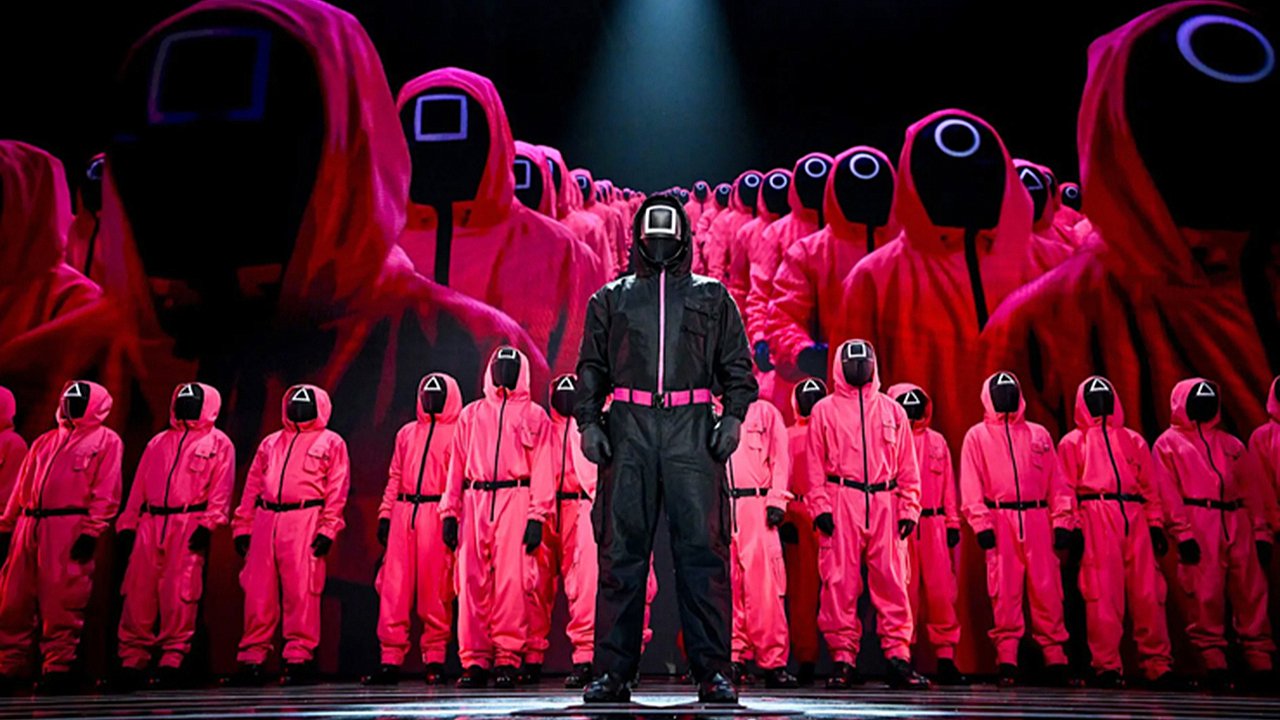
The show’s farewell was marked by a “Squid Game” parade in downtown Seoul on Saturday. Fans gathered in Gwanghwamun Square to celebrate the series with a live reenactment of the infamous “Red Light, Green Light” game, a marching band of pink-suited guards, and appearances by key cast members.At the event, Hwang said he felt “a heavy burden” from creating the series, which he was finally ready to lay down. However, Netflix may not be ready to say goodbye. Season 3 ended with a cameo by Cate Blanchett in Los Angeles, playing the game of ddakji—hinting at a possible U.S. spin-off or continuation, though Netflix has yet to confirm any plans.Squid Game’s Legacy: Opening Global Eyes to Korean Culture
Squid Game didn’t just entertain; it made a profound impact on how Korean content is viewed worldwide. Its graphic imagery and critique of capitalist inequality helped ignite global interest in “K-content,” from K-dramas to cosmetics and cuisine. In 2023, Netflix responded by announcing a $2.5 billion investment in Korean content through 2027.Minyoung Kim, Netflix’s VP of Content for Asia, credited the show with changing global attitudes toward non-English language series. “As a creative, you want your work to resonate locally. But when it travels globally, that’s even better,” she said.Both Kim and Hwang emphasized that the show’s success stems from its deeply Korean roots—even when it shines a light on the nation’s darker sides. Professor Gyu Tag Lee of George Mason University Korea said the series reveals the undercurrents of academic elitism and materialism in Korean society. “There’s a perception that stepping on others to succeed is just part of the game,” he explained.As Squid Game concludes its three-season run, its legacy lingers—not just as a pop culture juggernaut, but as a mirror held up to South Korea and the world.