What is the Oxalis Triangularis?
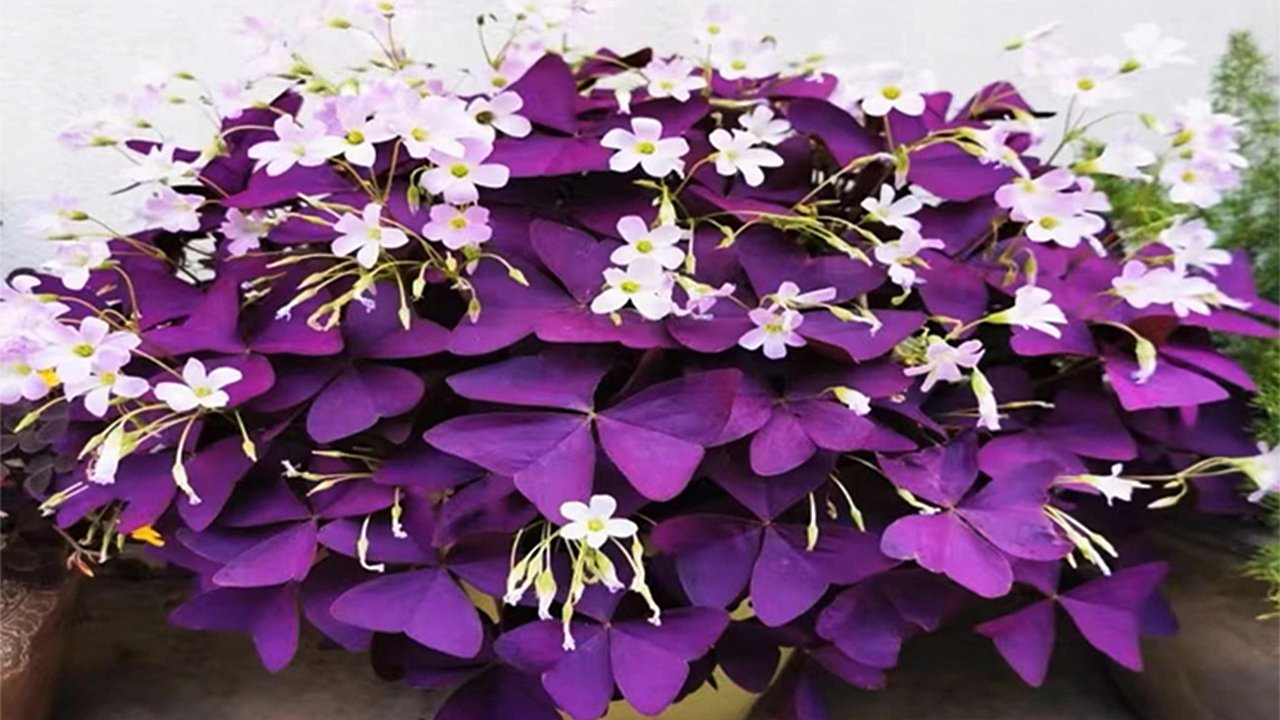
The Oxalis Triangularis, commonly called the Purple Shamrock or False Shamrock, is a visually captivating plant native to South America, particularly Brazil. Its distinctive triangular-shaped leaves, colored in deep shades of violet and burgundy, make it a standout addition to any indoor garden. What truly sets this plant apart is its leaf movement—opening up during daylight and folding down at night, a phenomenon known as nyctinasty.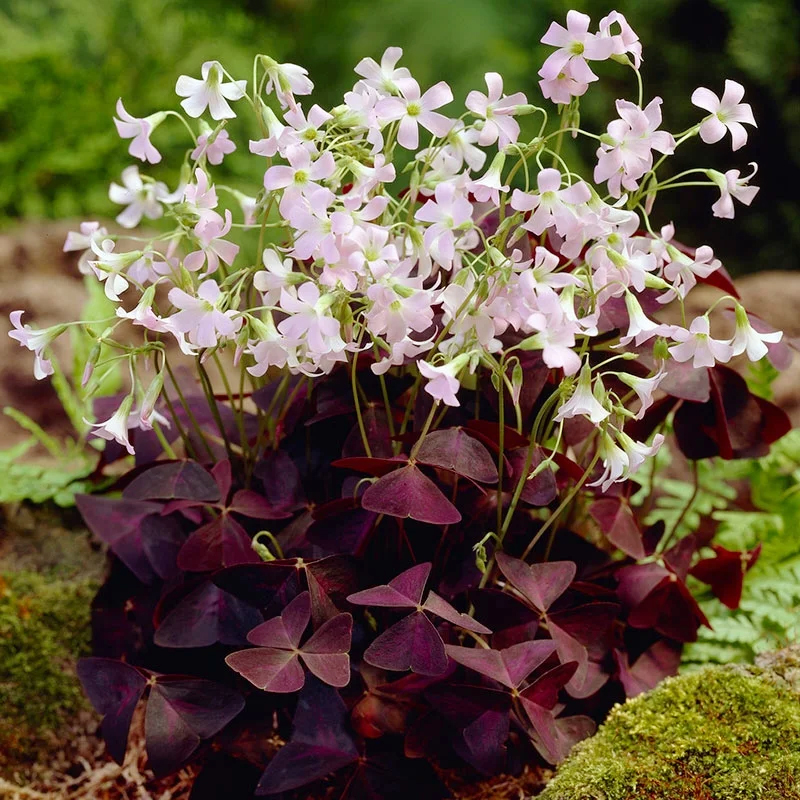 Why is Oxalis Triangularis So Popular?
One of the main reasons for the Oxalis Triangularis’ popularity is its dramatic color and delicate appearance, which contrast beautifully against the greens of other houseplants. Beyond its beauty, it’s also known for being low-maintenance and easy to grow, even for beginners. The plant produces small, pale pink or white flowers that add a delicate touch to its bold foliage.Ideal Growing Conditions
To thrive, the Oxalis Triangularis prefers bright, indirect light. While it can tolerate some direct sunlight, too much can cause the leaves to fade or burn. It grows best in well-draining soil and requires moderate watering—let the top inch of the soil dry out between waterings. It’s important to avoid overwatering, as the plant’s tuberous roots are prone to rot.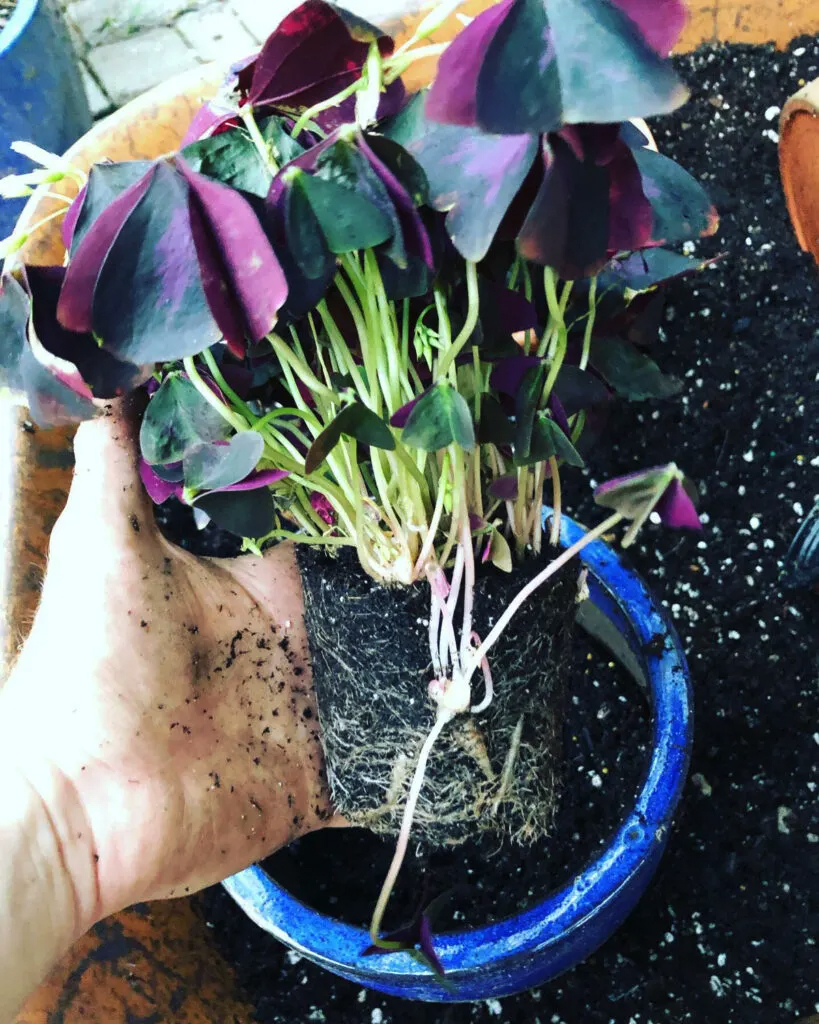 The ideal temperature range is between 60°F and 75°F (15°C to 24°C), and the plant prefers a slightly humid environment. It can be grown outdoors in USDA zones 6 to 10 but is typically treated as a houseplant elsewhere.Dormancy and Regrowth
One unique aspect of Oxalis Triangularis is its dormancy period. After several months of growth, the plant may appear to die back. This is completely natural. During dormancy, reduce watering and allow the plant to rest for a few weeks. Soon after, new shoots will emerge from the soil, signaling the beginning of a new growth cycle.Propagation and Repotting Tips
Propagating Oxalis Triangularis is simple and typically done by dividing the bulbs or tubers. When repotting, gently separate the tubers and plant them in fresh, well-draining soil. This is best done during the dormant period or at the beginning of the growing season. The plant generally doesn’t require frequent repotting—every couple of years is sufficient.Common Issues and Pests
While generally hardy, Oxalis Triangularis can occasionally attract pests like aphids, spider mites, or whiteflies. These can usually be managed with insecticidal soap or neem oil. Yellowing leaves can indicate overwatering or poor light conditions. Ensuring proper light and watering balance will prevent most issues.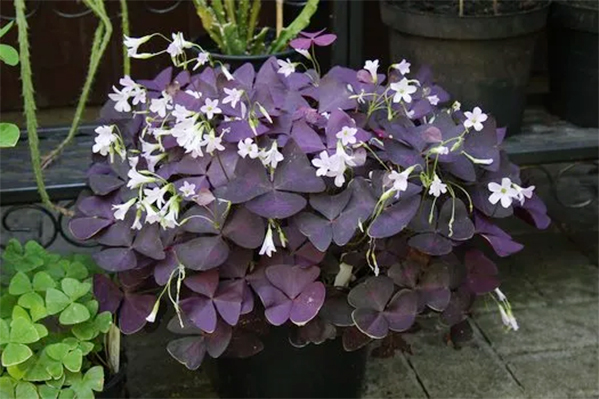 A Charming Addition to Any Collection
With its vibrant purple leaves, dainty flowers, and dynamic movement, the Oxalis Triangularis is more than just a houseplant—it’s a living work of art. Whether placed on a windowsill, in a hanging basket, or as part of a plant shelf, it brings color and charm wherever it grows.
The Oxalis Triangularis, commonly called the Purple Shamrock or False Shamrock, is a visually captivating plant native to South America, particularly Brazil. Its distinctive triangular-shaped leaves, colored in deep shades of violet and burgundy, make it a standout addition to any indoor garden. What truly sets this plant apart is its leaf movement—opening up during daylight and folding down at night, a phenomenon known as nyctinasty.
Why is Oxalis Triangularis So Popular?One of the main reasons for the Oxalis Triangularis’ popularity is its dramatic color and delicate appearance, which contrast beautifully against the greens of other houseplants. Beyond its beauty, it’s also known for being low-maintenance and easy to grow, even for beginners. The plant produces small, pale pink or white flowers that add a delicate touch to its bold foliage.Ideal Growing Conditions
To thrive, the Oxalis Triangularis prefers bright, indirect light. While it can tolerate some direct sunlight, too much can cause the leaves to fade or burn. It grows best in well-draining soil and requires moderate watering—let the top inch of the soil dry out between waterings. It’s important to avoid overwatering, as the plant’s tuberous roots are prone to rot.
The ideal temperature range is between 60°F and 75°F (15°C to 24°C), and the plant prefers a slightly humid environment. It can be grown outdoors in USDA zones 6 to 10 but is typically treated as a houseplant elsewhere.Dormancy and RegrowthOne unique aspect of Oxalis Triangularis is its dormancy period. After several months of growth, the plant may appear to die back. This is completely natural. During dormancy, reduce watering and allow the plant to rest for a few weeks. Soon after, new shoots will emerge from the soil, signaling the beginning of a new growth cycle.Propagation and Repotting Tips
Propagating Oxalis Triangularis is simple and typically done by dividing the bulbs or tubers. When repotting, gently separate the tubers and plant them in fresh, well-draining soil. This is best done during the dormant period or at the beginning of the growing season. The plant generally doesn’t require frequent repotting—every couple of years is sufficient.Common Issues and Pests
While generally hardy, Oxalis Triangularis can occasionally attract pests like aphids, spider mites, or whiteflies. These can usually be managed with insecticidal soap or neem oil. Yellowing leaves can indicate overwatering or poor light conditions. Ensuring proper light and watering balance will prevent most issues.
A Charming Addition to Any CollectionWith its vibrant purple leaves, dainty flowers, and dynamic movement, the Oxalis Triangularis is more than just a houseplant—it’s a living work of art. Whether placed on a windowsill, in a hanging basket, or as part of a plant shelf, it brings color and charm wherever it grows.