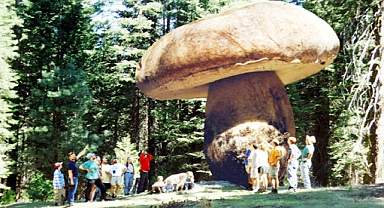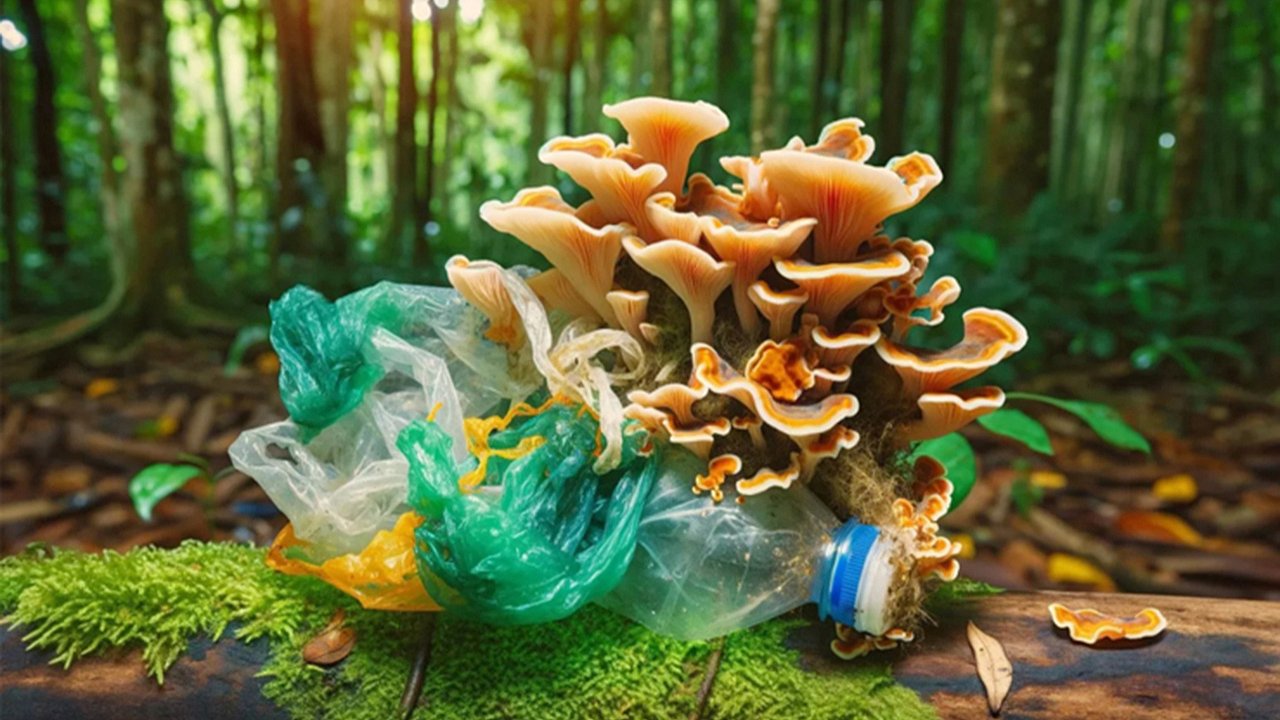
Ancient Giants and Modern ChampionsBefore towering trees ever existed, Earth’s landscape was dominated by fungi. Over a billion years ago, immense mushrooms—standing nearly three meters tall—were among the planet’s earliest rulers, long before plants emerged in their modest shrub-like forms. Fast forward to today, and fungi are once again proving their resilience and adaptability, this time as a surprising ally in tackling one of humanity’s greatest environmental challenges: plastic waste.A Fungus with an Appetite for PlasticPlastic, once hailed as a miracle material, has turned into a global menace, choking rivers, killing marine animals, and filling the oceans with floating garbage patches larger than nations. But in 2011, a group of Yale students trekking through Ecuador’s Amazon rainforest stumbled upon Pestalotiopsis microspora, a fungus with an extraordinary skill—it can consume polyurethane, one of the most persistent plastics, and survive in environments where oxygen is scarce, such as landfills.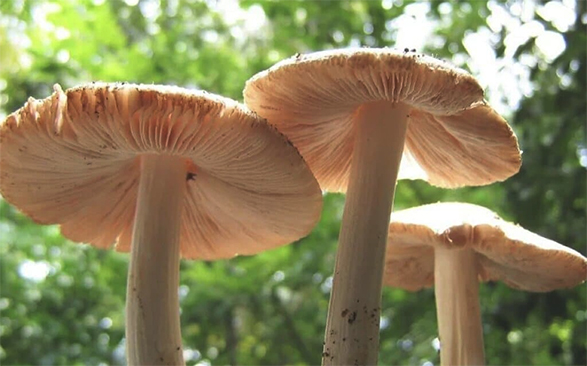 Not only does this fungus digest plastic, it produces mushroom-like fruiting bodies that are edible, with a sweet, licorice-like flavor. This discovery ignited scientific interest in fungi as a natural recycling system that could one day help reduce the mountain of plastic waste humans generate.From Lab Experiment to Design InnovationThe plastic-digesting fungus soon inspired creative applications. Austrian designer Katharina Unger, working with Utrecht University researchers, developed the Fungi Mutarium—a system where pods of agar provide nutrients for fungi until pieces of UV-treated plastic are introduced. Over several months, the fungus consumes the plastic, leaving behind edible mushroom-like cups. Scientists envision scaled-down versions for households and larger systems for recycling facilities, offering a futuristic approach to waste management.The Power of Mycelium: Nature’s Living NetworkAt the heart of fungal innovation lies mycelium, the root-like network of fungi that can stretch for kilometers underground. The largest living organism on Earth is actually a mycelial mat of honey mushroom in Oregon, spanning 8.8 square kilometers and estimated to be 2,400 years old. This vast fungal web plays a crucial role in ecosystems by connecting plants through a “wood-wide web” that shares water, nutrients, and even information. Such resilience makes mycelium a natural candidate for industries searching for sustainable alternatives.Mushrooms as Leather, Plastic, and Building MaterialsThe fashion industry is already embracing fungi. In 2021, designer Stella McCartney showcased garments made from mycelium-based “leather.” Global brands like Adidas, Hermès, and Lululemon have since joined the movement, recognizing fungi as a viable, eco-friendly substitute for petroleum-based fabrics and synthetic leather.
 In construction, innovators like Eben Bayer and Gavin McIntyre of Evocative Design are cultivating fungi into biodegradable insulation boards, packaging materials, and even furniture. Their process, called “programmable biology,” allows mushroom fibers to grow into specific shapes within 10 days, creating durable, fire-resistant, and compostable products. The same company has even ventured into alternative proteins, producing mycelium slabs that mimic the texture of meat.Replacing Pesticides and Reviving EcosystemsBeyond fashion and construction, fungi are redefining agriculture. Botanist Brian Murphy’s work with endophytes—fungi that live inside plants—revealed they can protect crops from pests, drought, and disease without harming the plant. This “bio-priming” technique could reduce reliance on harmful pesticides like neonicotinoids, which are linked to collapsing bee populations.Meanwhile, pioneering mycologist Paul Stamets has championed fungi as tools for environmental restoration. His company, Fungi Perfecti, has tested mushrooms for oil cleanup, successfully removing 97% of petroleum contaminants from soil in just two months. He also designed “mycobooms”—floating mycelium barriers capable of absorbing oil spills. Remarkably, some fungi discovered after Chernobyl even thrive on radiation, suggesting an untapped ability to reclaim damaged landscapes.Ecuador’s Dilemma: Oil Wealth vs. Rainforest TreasureDespite these breakthroughs, Ecuador—the birthplace of the plastic-eating fungus—faces a bitter dilemma. Beneath the Amazon rainforest’s astonishing biodiversity lies vast oil reserves. In the early 2000s, then-President Rafael Correa proposed an ambitious plan: wealthy nations would pay Ecuador to leave the oil in the ground within Yasuni National Park, a UNESCO biosphere reserve. He sought $3.6 billion, half the value of the oil reserves, but raised only $13 million. By 2013, drilling moved forward.The consequences divided families in communities like Sana Isla, where the Kishwa people live among some of the richest biodiversity on Earth. While some villagers resisted oil companies at all costs, others argued that oil revenues were vital for survival. The debate highlights the stark choice between short-term economic relief and long-term ecological preservation.Adding to the conflict is the legacy of Texaco (later acquired by Chevron), which extracted 1.5 billion barrels of oil from Ecuador between 1964 and the 1990s while dumping billions of liters of toxic waste into the Amazon. The resulting “Amazon Chernobyl” left thousands with cancers and poisoned ecosystems, sparking one of the longest-running legal battles in environmental history.The Untapped Promise of MushroomsIn Ecuador’s forests, where Pestalotiopsis microspora was first discovered, the contrast is striking: a fungus capable of eating plastic lies in the shadow of oil wells and polluted rivers. For many scientists, mushrooms embody hope—a natural solution to humanity’s most pressing crises, from waste pollution and toxic spills to sustainable agriculture and renewable materials.The challenge lies not in fungal potential, but in society’s willingness to embrace it. Will mushrooms help reshape a world still addicted to oil and plastic, or remain an untapped resource buried in the rainforest?
Not only does this fungus digest plastic, it produces mushroom-like fruiting bodies that are edible, with a sweet, licorice-like flavor. This discovery ignited scientific interest in fungi as a natural recycling system that could one day help reduce the mountain of plastic waste humans generate.From Lab Experiment to Design InnovationThe plastic-digesting fungus soon inspired creative applications. Austrian designer Katharina Unger, working with Utrecht University researchers, developed the Fungi Mutarium—a system where pods of agar provide nutrients for fungi until pieces of UV-treated plastic are introduced. Over several months, the fungus consumes the plastic, leaving behind edible mushroom-like cups. Scientists envision scaled-down versions for households and larger systems for recycling facilities, offering a futuristic approach to waste management.The Power of Mycelium: Nature’s Living NetworkAt the heart of fungal innovation lies mycelium, the root-like network of fungi that can stretch for kilometers underground. The largest living organism on Earth is actually a mycelial mat of honey mushroom in Oregon, spanning 8.8 square kilometers and estimated to be 2,400 years old. This vast fungal web plays a crucial role in ecosystems by connecting plants through a “wood-wide web” that shares water, nutrients, and even information. Such resilience makes mycelium a natural candidate for industries searching for sustainable alternatives.Mushrooms as Leather, Plastic, and Building MaterialsThe fashion industry is already embracing fungi. In 2021, designer Stella McCartney showcased garments made from mycelium-based “leather.” Global brands like Adidas, Hermès, and Lululemon have since joined the movement, recognizing fungi as a viable, eco-friendly substitute for petroleum-based fabrics and synthetic leather.In construction, innovators like Eben Bayer and Gavin McIntyre of Evocative Design are cultivating fungi into biodegradable insulation boards, packaging materials, and even furniture. Their process, called “programmable biology,” allows mushroom fibers to grow into specific shapes within 10 days, creating durable, fire-resistant, and compostable products. The same company has even ventured into alternative proteins, producing mycelium slabs that mimic the texture of meat.Replacing Pesticides and Reviving EcosystemsBeyond fashion and construction, fungi are redefining agriculture. Botanist Brian Murphy’s work with endophytes—fungi that live inside plants—revealed they can protect crops from pests, drought, and disease without harming the plant. This “bio-priming” technique could reduce reliance on harmful pesticides like neonicotinoids, which are linked to collapsing bee populations.Meanwhile, pioneering mycologist Paul Stamets has championed fungi as tools for environmental restoration. His company, Fungi Perfecti, has tested mushrooms for oil cleanup, successfully removing 97% of petroleum contaminants from soil in just two months. He also designed “mycobooms”—floating mycelium barriers capable of absorbing oil spills. Remarkably, some fungi discovered after Chernobyl even thrive on radiation, suggesting an untapped ability to reclaim damaged landscapes.Ecuador’s Dilemma: Oil Wealth vs. Rainforest TreasureDespite these breakthroughs, Ecuador—the birthplace of the plastic-eating fungus—faces a bitter dilemma. Beneath the Amazon rainforest’s astonishing biodiversity lies vast oil reserves. In the early 2000s, then-President Rafael Correa proposed an ambitious plan: wealthy nations would pay Ecuador to leave the oil in the ground within Yasuni National Park, a UNESCO biosphere reserve. He sought $3.6 billion, half the value of the oil reserves, but raised only $13 million. By 2013, drilling moved forward.The consequences divided families in communities like Sana Isla, where the Kishwa people live among some of the richest biodiversity on Earth. While some villagers resisted oil companies at all costs, others argued that oil revenues were vital for survival. The debate highlights the stark choice between short-term economic relief and long-term ecological preservation.Adding to the conflict is the legacy of Texaco (later acquired by Chevron), which extracted 1.5 billion barrels of oil from Ecuador between 1964 and the 1990s while dumping billions of liters of toxic waste into the Amazon. The resulting “Amazon Chernobyl” left thousands with cancers and poisoned ecosystems, sparking one of the longest-running legal battles in environmental history.The Untapped Promise of MushroomsIn Ecuador’s forests, where Pestalotiopsis microspora was first discovered, the contrast is striking: a fungus capable of eating plastic lies in the shadow of oil wells and polluted rivers. For many scientists, mushrooms embody hope—a natural solution to humanity’s most pressing crises, from waste pollution and toxic spills to sustainable agriculture and renewable materials.The challenge lies not in fungal potential, but in society’s willingness to embrace it. Will mushrooms help reshape a world still addicted to oil and plastic, or remain an untapped resource buried in the rainforest?