Wild lettuce and its rising herbal interest
Often overlooked as a prickly roadside weed, Lactuca serriola, widely known as wild lettuce or prickly lettuce, holds a fascinating place in traditional herbal medicine. Though visually similar to cultivated lettuce, this tall, spiny plant produces a distinctive milky latex rich in bioactive compounds such as lactucopicrin and lactucin. These naturally occurring substances have been historically associated with calming, analgesic, and sedative effects.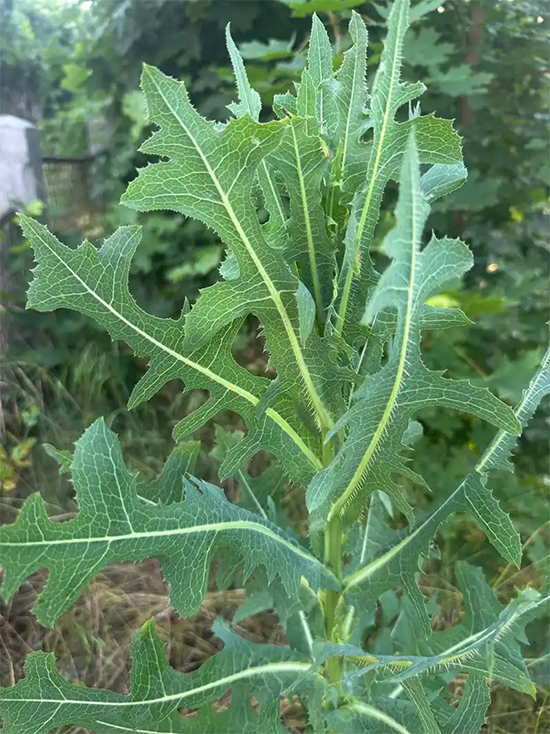 For centuries, herbalists across Europe and North America have turned to wild lettuce as a natural remedy for discomfort, restlessness, and sleep disturbances. Sometimes referred to as “lettuce opium” due to its soothing properties, the plant contains no actual opiates but has earned recognition for its gentle nervous system support. Today, renewed interest in natural remedies and plant-based wellness has brought Lactuca serriola back into focus. Understanding its traditional benefits, preparation methods, and safety considerations reveals why this resilient wild plant continues to intrigue both herbalists and modern wellness seekers.Understanding Lactuca serriola and its active compounds
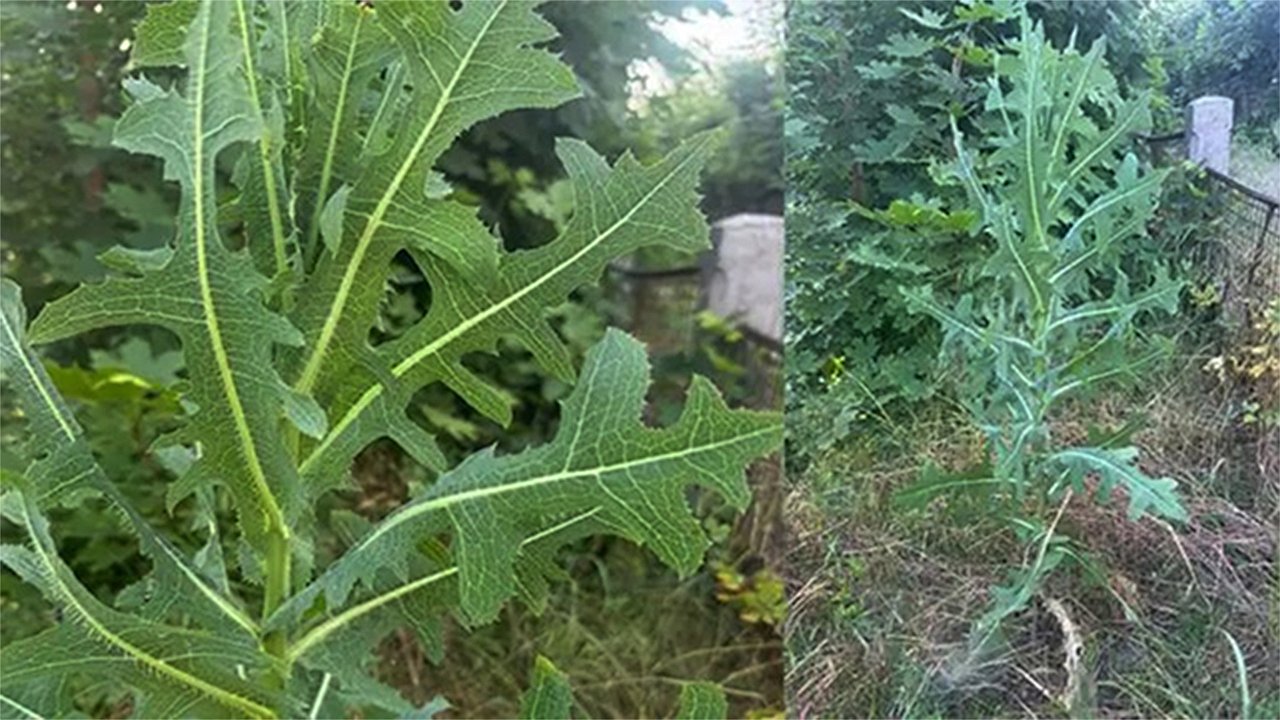
Lactuca serriola belongs to the Asteraceae family and thrives in disturbed soils, roadsides, fields, and urban edges. The plant can grow several feet tall and is identifiable by its spiny stems, lobed leaves, and yellow dandelion‑like flowers.Its therapeutic reputation centers on the milky white sap known as lactucarium. This latex contains sesquiterpene lactones, including lactucin and lactucopicrin, compounds studied for their potential sedative and analgesic properties. These phytochemicals contribute to the plant’s intensely bitter taste and its historical medicinal applications. Search interest in terms like “wild lettuce benefits” and “Lactuca serriola medicinal uses” has increased as people explore herbal alternatives for relaxation and pain support.Exploring 30 traditional and reported benefits
Wild lettuce has been referenced in folk medicine texts for a wide range of wellness applications. While modern clinical evidence remains limited, traditional reports highlight the following potential benefits. Natural pain support through plant compounds that may influence discomfort perception. Mild sedative effects that calm the nervous system. Support for restful sleep in cases of mild insomnia. Reduction of anxiety and nervous tension. Muscle relaxation and easing of tightness. Respiratory support for coughs and airway irritation. Menstrual comfort for mild cramps. Anti‑inflammatory potential supporting tissue balance. Mood elevation through calming effects. Reduction of restlessness and agitation.Digestive stimulation via bitter compounds. Traditional liver support in herbal detox practices. Relief of tension‑related headaches. Mental clarity in very small amounts. Night anxiety and dream disturbance support. Antioxidant phytochemicals that help counter oxidative stress. Nerve pain support in traditional applications. Mood stabilization during emotional fluctuations. Focus support through nervous system calming. Anti‑spasmodic action for muscle spasms. Support for mild low mood. Relief of stress‑related tension. Gentle digestive support. Mild diuretic properties aiding fluid balance. Anecdotal support during nicotine withdrawal.Historical references as an aphrodisiac. Topical soothing of minor skin irritation using latex. Joint comfort support. Migraine episode support. Circadian rhythm balance promoting natural sleep cycles. These reported benefits position wild lettuce as a multifaceted herb in traditional wellness systems.Preparing wild lettuce safely at home
Proper identification is essential before any use. Wild lettuce can resemble other plants, and misidentification poses risks. Harvesting is typically done in spring or early summer before flowering, when leaves are most tender.Wear gloves during collection, as the prickles and latex may irritate skin. Rinse harvested material thoroughly and dry leaves in a shaded, ventilated space until crisp for storage. Searches for “how to prepare wild lettuce” and “foraging Lactuca serriola safely” emphasize the importance of correct handling.Brewing wild lettuce tea for mild effects
Wild lettuce tea is considered one of the gentlest preparation methods. Dried leaves are steeped in hot water for 10 to 15 minutes to extract bitter compounds.The resulting infusion is intensely bitter, often blended with mint, ginger, or honey to improve taste. Herbalists traditionally recommend starting with small amounts to assess tolerance. This preparation is commonly used for relaxation and sleep support.Crafting wild lettuce tincture for concentrated use
A tincture provides a stronger extract by soaking fresh plant material in alcohol for several weeks. The alcohol draws out active compounds, producing a shelf‑stable herbal preparation.Stored in dark glass dropper bottles, tinctures are used in very small quantities, often diluted in water. Because potency varies, cautious dosing is essential. Interest in “wild lettuce tincture benefits” has grown among herbal remedy enthusiasts.Understanding traditional wild lettuce resin
The dried latex, or resin, represents the most concentrated traditional form. Sap collected from mature stems is allowed to dry into a dark, sticky substance. Historically, extremely small amounts were used for strong sedative effects. Due to concentration and variability, this form carries the highest risk and requires extreme caution.Recognizing safety considerations and side effects
Despite its long traditional use, wild lettuce is not risk‑free. Reported side effects may include dizziness, nausea, sweating, sedation, and allergic reactions. Large doses can lead to toxicity.Wild lettuce may interact with sedatives, anxiety medications, painkillers, and blood pressure drugs. Individuals who are pregnant, nursing, or managing medical conditions should avoid unsupervised use. Online searches for “is wild lettuce safe” reflect the need for balanced education combining traditional knowledge with modern safety awareness.Appreciating the balance between folklore and science
Lactuca serriola occupies a unique space between herbal folklore and emerging phytochemical research. Its reputation as a natural pain reliever and sleep aid continues to spark curiosity, yet scientific validation remains ongoing.This balance highlights a broader truth about medicinal plants. Many powerful remedies grow in overlooked places, thriving quietly along roadsides and field edges. Wild lettuce embodies this paradox, appearing ordinary while holding complex chemical potential.Respect, proper knowledge, and cautious use are essential. When approached responsibly, wild lettuce offers insight into nature’s pharmacy and the enduring relationship between humans and healing plants.
Often overlooked as a prickly roadside weed, Lactuca serriola, widely known as wild lettuce or prickly lettuce, holds a fascinating place in traditional herbal medicine. Though visually similar to cultivated lettuce, this tall, spiny plant produces a distinctive milky latex rich in bioactive compounds such as lactucopicrin and lactucin. These naturally occurring substances have been historically associated with calming, analgesic, and sedative effects.
For centuries, herbalists across Europe and North America have turned to wild lettuce as a natural remedy for discomfort, restlessness, and sleep disturbances. Sometimes referred to as “lettuce opium” due to its soothing properties, the plant contains no actual opiates but has earned recognition for its gentle nervous system support. Today, renewed interest in natural remedies and plant-based wellness has brought Lactuca serriola back into focus. Understanding its traditional benefits, preparation methods, and safety considerations reveals why this resilient wild plant continues to intrigue both herbalists and modern wellness seekers.Understanding Lactuca serriola and its active compoundsLactuca serriola belongs to the Asteraceae family and thrives in disturbed soils, roadsides, fields, and urban edges. The plant can grow several feet tall and is identifiable by its spiny stems, lobed leaves, and yellow dandelion‑like flowers.Its therapeutic reputation centers on the milky white sap known as lactucarium. This latex contains sesquiterpene lactones, including lactucin and lactucopicrin, compounds studied for their potential sedative and analgesic properties. These phytochemicals contribute to the plant’s intensely bitter taste and its historical medicinal applications. Search interest in terms like “wild lettuce benefits” and “Lactuca serriola medicinal uses” has increased as people explore herbal alternatives for relaxation and pain support.Exploring 30 traditional and reported benefits
Wild lettuce has been referenced in folk medicine texts for a wide range of wellness applications. While modern clinical evidence remains limited, traditional reports highlight the following potential benefits.
Natural pain support through plant compounds that may influence discomfort perception. Mild sedative effects that calm the nervous system. Support for restful sleep in cases of mild insomnia. Reduction of anxiety and nervous tension. Muscle relaxation and easing of tightness. Respiratory support for coughs and airway irritation. Menstrual comfort for mild cramps. Anti‑inflammatory potential supporting tissue balance. Mood elevation through calming effects. Reduction of restlessness and agitation.Digestive stimulation via bitter compounds. Traditional liver support in herbal detox practices. Relief of tension‑related headaches. Mental clarity in very small amounts. Night anxiety and dream disturbance support. Antioxidant phytochemicals that help counter oxidative stress. Nerve pain support in traditional applications. Mood stabilization during emotional fluctuations. Focus support through nervous system calming. Anti‑spasmodic action for muscle spasms. Support for mild low mood. Relief of stress‑related tension. Gentle digestive support. Mild diuretic properties aiding fluid balance. Anecdotal support during nicotine withdrawal.Historical references as an aphrodisiac. Topical soothing of minor skin irritation using latex. Joint comfort support. Migraine episode support. Circadian rhythm balance promoting natural sleep cycles. These reported benefits position wild lettuce as a multifaceted herb in traditional wellness systems.Preparing wild lettuce safely at homeProper identification is essential before any use. Wild lettuce can resemble other plants, and misidentification poses risks. Harvesting is typically done in spring or early summer before flowering, when leaves are most tender.Wear gloves during collection, as the prickles and latex may irritate skin. Rinse harvested material thoroughly and dry leaves in a shaded, ventilated space until crisp for storage. Searches for “how to prepare wild lettuce” and “foraging Lactuca serriola safely” emphasize the importance of correct handling.Brewing wild lettuce tea for mild effects
Wild lettuce tea is considered one of the gentlest preparation methods. Dried leaves are steeped in hot water for 10 to 15 minutes to extract bitter compounds.The resulting infusion is intensely bitter, often blended with mint, ginger, or honey to improve taste. Herbalists traditionally recommend starting with small amounts to assess tolerance. This preparation is commonly used for relaxation and sleep support.Crafting wild lettuce tincture for concentrated use
A tincture provides a stronger extract by soaking fresh plant material in alcohol for several weeks. The alcohol draws out active compounds, producing a shelf‑stable herbal preparation.Stored in dark glass dropper bottles, tinctures are used in very small quantities, often diluted in water. Because potency varies, cautious dosing is essential. Interest in “wild lettuce tincture benefits” has grown among herbal remedy enthusiasts.Understanding traditional wild lettuce resin
The dried latex, or resin, represents the most concentrated traditional form. Sap collected from mature stems is allowed to dry into a dark, sticky substance. Historically, extremely small amounts were used for strong sedative effects. Due to concentration and variability, this form carries the highest risk and requires extreme caution.Recognizing safety considerations and side effects
Despite its long traditional use, wild lettuce is not risk‑free. Reported side effects may include dizziness, nausea, sweating, sedation, and allergic reactions. Large doses can lead to toxicity.Wild lettuce may interact with sedatives, anxiety medications, painkillers, and blood pressure drugs. Individuals who are pregnant, nursing, or managing medical conditions should avoid unsupervised use. Online searches for “is wild lettuce safe” reflect the need for balanced education combining traditional knowledge with modern safety awareness.Appreciating the balance between folklore and science
Lactuca serriola occupies a unique space between herbal folklore and emerging phytochemical research. Its reputation as a natural pain reliever and sleep aid continues to spark curiosity, yet scientific validation remains ongoing.This balance highlights a broader truth about medicinal plants. Many powerful remedies grow in overlooked places, thriving quietly along roadsides and field edges. Wild lettuce embodies this paradox, appearing ordinary while holding complex chemical potential.Respect, proper knowledge, and cautious use are essential. When approached responsibly, wild lettuce offers insight into nature’s pharmacy and the enduring relationship between humans and healing plants.