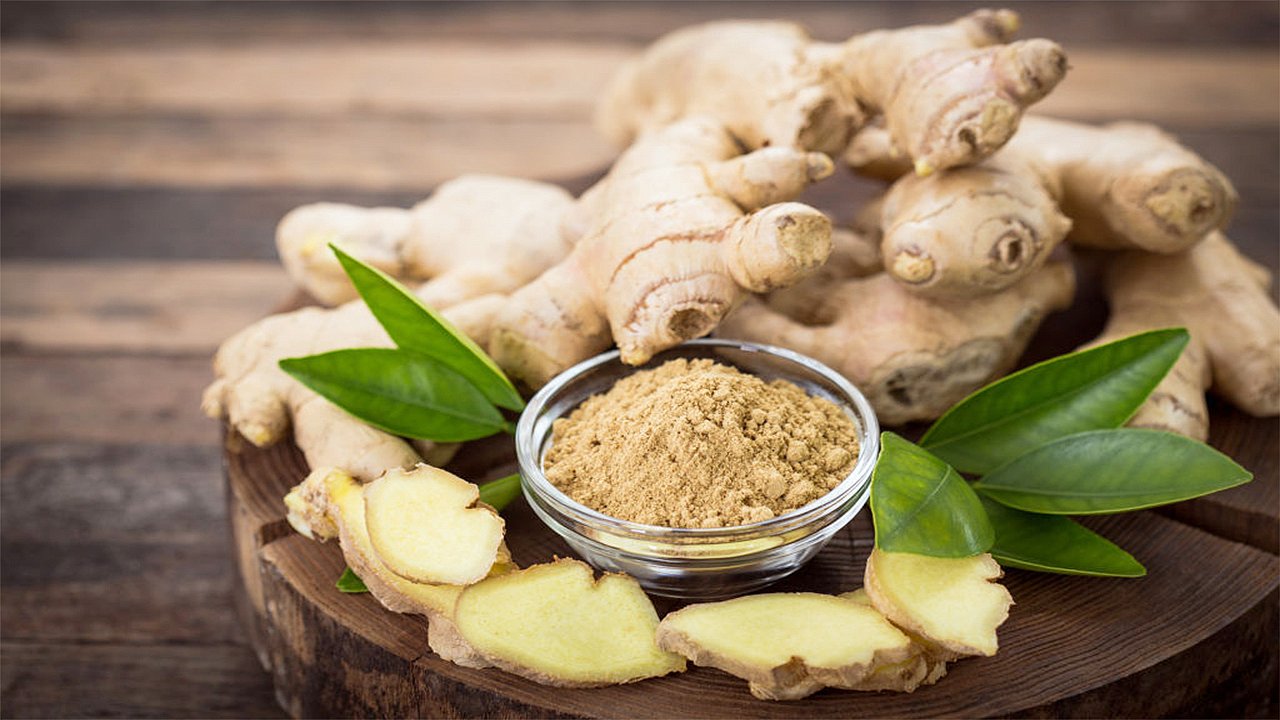
Ginger is one of the most trusted natural ingredients in the world, often praised for helping with nausea, bloating, colds, joint pain, and inflammation. Many people add it to tea, smoothies, soups, or supplements because it feels like a simple and healthy habit. However, Ginger is also a powerful plant with active compounds that can affect blood flow, blood sugar, stomach acid, and even how certain medications work. That means it may not be the best choice for everyone, especially in high doses or when taken daily. If you have a medical condition or take prescription medication, ginger could cause unwanted side effects that may outweigh its benefits. In this article, you’ll learn the five health conditions where ginger may be risky, what symptoms to watch for, and safer alternatives to support your health without complications.Understanding ginger benefits and why it can cause side effects
Ginger contains natural compounds such as gingerol and shogaol, which are responsible for its anti-inflammatory and antioxidant effects. These compounds may help reduce nausea, relax the digestive tract, support circulation, and ease muscle soreness. That’s why ginger is commonly recommended for motion sickness, indigestion, menstrual discomfort, and cold symptoms.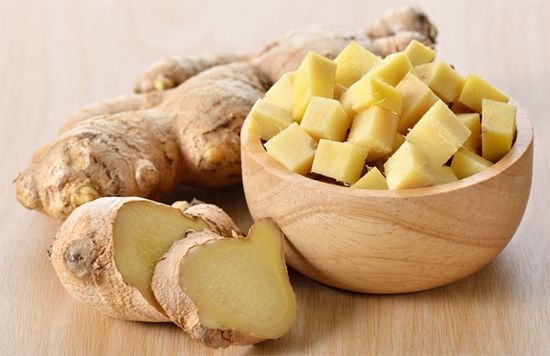 At the same time, these same properties can create problems in certain situations. Ginger can act as a mild blood thinner, influence insulin response, and increase stomach acid production. When used in large amounts or taken as concentrated supplements, it may interact with medications and trigger side effects like heartburn, dizziness, low blood sugar, or unusual bleeding. Knowing when to avoid ginger is an important part of using natural remedies safely.Avoiding ginger if you have bleeding disorders or take blood thinners
People with bleeding disorders or those taking anticoagulant medication should be cautious with ginger. Ginger may slow blood clotting, which can increase the risk of bleeding. While small culinary amounts are usually tolerated by many people, frequent ginger shots, high-dose supplements, or large daily servings may raise concerns.This risk is especially important if you take medications such as warfarin, aspirin, clopidogrel, or other prescription blood thinners. In some cases, combining ginger with other natural blood-thinning ingredients like garlic, ginseng, or fish oil may increase the effect even more.Possible warning signs include easy bruising, prolonged bleeding from cuts, nosebleeds, or bleeding gums. If you notice any of these symptoms, it’s best to stop ginger and speak with your healthcare provider.Safer alternatives for inflammation support may include using turmeric in small food-based amounts, eating omega-3 rich foods like salmon, or focusing on vitamin K–rich vegetables such as spinach, broccoli, and kale if your doctor approves.Limiting ginger if you have diabetes or take blood sugar medication
Ginger is sometimes promoted as a natural way to support blood sugar control because it may improve insulin sensitivity. While this sounds helpful, it can be risky for people with diabetes who already take insulin or glucose-lowering medications.If ginger lowers blood sugar too much, it can lead to hypoglycemia, which may cause shakiness, sweating, dizziness, confusion, weakness, or fainting. This is more likely when ginger is consumed in concentrated forms, such as capsules, extracts, or large daily servings of ginger tea.If you have diabetes, it’s important to treat ginger like any other supplement that may affect your body’s chemistry. Even natural remedies can be powerful when combined with prescription medication.Gentler alternatives include drinking green tea, choosing fiber-rich meals with vegetables and whole grains, and using cinnamon in moderation if your doctor says it is safe. The best approach is to monitor blood sugar regularly and discuss herbal use with your healthcare provider.Using caution with ginger if you have heart disease or take heart medication
Ginger is often associated with improved circulation and reduced inflammation, which can support general heart health. However, in high doses, ginger may interfere with certain heart medications or cause unwanted cardiovascular effects in sensitive individuals.People taking beta-blockers, calcium channel blockers, or anti-arrhythmic drugs should be especially careful. Excessive ginger intake may contribute to blood pressure fluctuations, heart palpitations, or an irregular heartbeat in some cases.It’s important to remember that “natural” does not always mean “risk-free,” especially when the heart is involved. If you already have a heart condition, even small changes in blood pressure or heart rhythm can be significant.Heart-friendly alternatives include focusing on a Mediterranean-style diet with fruits, vegetables, olive oil, nuts, and lean protein. Omega-3 fatty acids from salmon, chia seeds, flaxseed, or walnuts can also support cardiovascular health. Always check with a cardiologist before using herbal remedies regularly.Reducing ginger intake during pregnancy especially in the third trimester
Ginger is widely used during early pregnancy to ease nausea and morning sickness. Many pregnant women find ginger tea helpful for settling the stomach. However, in later pregnancy, especially the third trimester, some healthcare professionals recommend limiting ginger due to potential risks.In high amounts, ginger may stimulate uterine activity and could slightly increase the risk of contractions or complications in women who are already at risk for preterm labor. While the evidence is not always consistent, it is still a situation where caution makes sense.Pregnancy is a time when even common foods can affect the body differently, and it’s always best to follow personalized medical advice. Safer alternatives for nausea relief may include warm lemon water, peppermint tea, eating small frequent meals, and avoiding greasy or spicy foods. If nausea continues, an obstetrician can recommend pregnancy-safe options that are more predictable than herbal remedies.Skipping ginger if you have gallstones or stomach ulcers
Ginger stimulates digestion by increasing bile secretion and raising stomach acid. For many people, this helps reduce bloating and supports smoother digestion. But for those with gallstones, acid reflux, or stomach ulcers, ginger may worsen symptoms.If you have gallstones, increasing bile flow may trigger discomfort or pain. If you have ulcers or gastritis, higher stomach acid levels may lead to burning pain, nausea, indigestion, or worsening heartburn. Symptoms to watch for include upper abdominal pain, increased bloating, a burning sensation after meals, or nausea that worsens after drinking ginger tea.Gentler options for soothing digestion include chamomile tea, bland foods, smaller meals throughout the day, and avoiding acidic or spicy foods. Some people also find relief by reducing caffeine and carbonated drinks. Always consult a doctor before using digestive herbs if you have a diagnosed gastrointestinal condition.Choosing the safest way to consume ginger if you are sensitive
If you do not have any of the health conditions listed above, ginger is generally safe in moderate food amounts. Problems tend to appear when people consume large daily servings or use concentrated ginger supplements without guidance.A safer approach is to use ginger as a flavoring ingredient rather than a high-dose remedy. For example, small amounts in cooking, light ginger tea, or a few slices in hot water may be enough to provide benefits without overwhelming your system.It’s also wise to avoid mixing ginger with multiple other strong herbal supplements at the same time. When several natural products are combined, it becomes harder to predict interactions, especially for people taking prescription medication.If you want to use ginger for inflammation, nausea, or digestion, start with a small amount and pay attention to how your body responds.Following general health tips for better digestion and inflammation control
Ginger is not the only way to support wellness. Many people feel better simply by improving daily habits that strengthen digestion, reduce inflammation, and stabilize energy.Focus on eating a balanced diet rich in colorful fruits, vegetables, legumes, and whole grains. Stay hydrated by drinking enough water throughout the day, and limit sugary drinks and processed snacks that can worsen inflammation.Regular movement, even short daily walks, can support circulation and digestion. Managing stress is also important because stress can trigger acid reflux, blood sugar spikes, and digestive discomfort. Aim for at least seven hours of quality sleep, since poor sleep can increase cravings and reduce your body’s ability to recover.Remembering that natural remedies can still be powerful
Ginger is one of the most popular natural remedies for good reason, but it is not the right choice for everyone. If you have a bleeding disorder, diabetes, heart disease, late-stage pregnancy, gallstones, or stomach ulcers, ginger may cause side effects or interact with medications.The safest strategy is moderation, awareness, and professional guidance. When in doubt, speak with a healthcare provider, especially if you plan to take ginger daily or in supplement form.Disclaimer: This content is for informational purposes only and is not a substitute for medical advice. Always consult a qualified healthcare professional regarding your health conditions, medications and dietary choices.
Ginger contains natural compounds such as gingerol and shogaol, which are responsible for its anti-inflammatory and antioxidant effects. These compounds may help reduce nausea, relax the digestive tract, support circulation, and ease muscle soreness. That’s why ginger is commonly recommended for motion sickness, indigestion, menstrual discomfort, and cold symptoms.
At the same time, these same properties can create problems in certain situations. Ginger can act as a mild blood thinner, influence insulin response, and increase stomach acid production. When used in large amounts or taken as concentrated supplements, it may interact with medications and trigger side effects like heartburn, dizziness, low blood sugar, or unusual bleeding. Knowing when to avoid ginger is an important part of using natural remedies safely.Avoiding ginger if you have bleeding disorders or take blood thinnersPeople with bleeding disorders or those taking anticoagulant medication should be cautious with ginger. Ginger may slow blood clotting, which can increase the risk of bleeding. While small culinary amounts are usually tolerated by many people, frequent ginger shots, high-dose supplements, or large daily servings may raise concerns.This risk is especially important if you take medications such as warfarin, aspirin, clopidogrel, or other prescription blood thinners. In some cases, combining ginger with other natural blood-thinning ingredients like garlic, ginseng, or fish oil may increase the effect even more.Possible warning signs include easy bruising, prolonged bleeding from cuts, nosebleeds, or bleeding gums. If you notice any of these symptoms, it’s best to stop ginger and speak with your healthcare provider.Safer alternatives for inflammation support may include using turmeric in small food-based amounts, eating omega-3 rich foods like salmon, or focusing on vitamin K–rich vegetables such as spinach, broccoli, and kale if your doctor approves.Limiting ginger if you have diabetes or take blood sugar medication
Ginger is sometimes promoted as a natural way to support blood sugar control because it may improve insulin sensitivity. While this sounds helpful, it can be risky for people with diabetes who already take insulin or glucose-lowering medications.If ginger lowers blood sugar too much, it can lead to hypoglycemia, which may cause shakiness, sweating, dizziness, confusion, weakness, or fainting. This is more likely when ginger is consumed in concentrated forms, such as capsules, extracts, or large daily servings of ginger tea.If you have diabetes, it’s important to treat ginger like any other supplement that may affect your body’s chemistry. Even natural remedies can be powerful when combined with prescription medication.Gentler alternatives include drinking green tea, choosing fiber-rich meals with vegetables and whole grains, and using cinnamon in moderation if your doctor says it is safe. The best approach is to monitor blood sugar regularly and discuss herbal use with your healthcare provider.Using caution with ginger if you have heart disease or take heart medication
Ginger is often associated with improved circulation and reduced inflammation, which can support general heart health. However, in high doses, ginger may interfere with certain heart medications or cause unwanted cardiovascular effects in sensitive individuals.People taking beta-blockers, calcium channel blockers, or anti-arrhythmic drugs should be especially careful. Excessive ginger intake may contribute to blood pressure fluctuations, heart palpitations, or an irregular heartbeat in some cases.It’s important to remember that “natural” does not always mean “risk-free,” especially when the heart is involved. If you already have a heart condition, even small changes in blood pressure or heart rhythm can be significant.Heart-friendly alternatives include focusing on a Mediterranean-style diet with fruits, vegetables, olive oil, nuts, and lean protein. Omega-3 fatty acids from salmon, chia seeds, flaxseed, or walnuts can also support cardiovascular health. Always check with a cardiologist before using herbal remedies regularly.Reducing ginger intake during pregnancy especially in the third trimester
Ginger is widely used during early pregnancy to ease nausea and morning sickness. Many pregnant women find ginger tea helpful for settling the stomach. However, in later pregnancy, especially the third trimester, some healthcare professionals recommend limiting ginger due to potential risks.In high amounts, ginger may stimulate uterine activity and could slightly increase the risk of contractions or complications in women who are already at risk for preterm labor. While the evidence is not always consistent, it is still a situation where caution makes sense.Pregnancy is a time when even common foods can affect the body differently, and it’s always best to follow personalized medical advice. Safer alternatives for nausea relief may include warm lemon water, peppermint tea, eating small frequent meals, and avoiding greasy or spicy foods. If nausea continues, an obstetrician can recommend pregnancy-safe options that are more predictable than herbal remedies.Skipping ginger if you have gallstones or stomach ulcers
Ginger stimulates digestion by increasing bile secretion and raising stomach acid. For many people, this helps reduce bloating and supports smoother digestion. But for those with gallstones, acid reflux, or stomach ulcers, ginger may worsen symptoms.If you have gallstones, increasing bile flow may trigger discomfort or pain. If you have ulcers or gastritis, higher stomach acid levels may lead to burning pain, nausea, indigestion, or worsening heartburn. Symptoms to watch for include upper abdominal pain, increased bloating, a burning sensation after meals, or nausea that worsens after drinking ginger tea.Gentler options for soothing digestion include chamomile tea, bland foods, smaller meals throughout the day, and avoiding acidic or spicy foods. Some people also find relief by reducing caffeine and carbonated drinks. Always consult a doctor before using digestive herbs if you have a diagnosed gastrointestinal condition.Choosing the safest way to consume ginger if you are sensitive
If you do not have any of the health conditions listed above, ginger is generally safe in moderate food amounts. Problems tend to appear when people consume large daily servings or use concentrated ginger supplements without guidance.A safer approach is to use ginger as a flavoring ingredient rather than a high-dose remedy. For example, small amounts in cooking, light ginger tea, or a few slices in hot water may be enough to provide benefits without overwhelming your system.It’s also wise to avoid mixing ginger with multiple other strong herbal supplements at the same time. When several natural products are combined, it becomes harder to predict interactions, especially for people taking prescription medication.If you want to use ginger for inflammation, nausea, or digestion, start with a small amount and pay attention to how your body responds.Following general health tips for better digestion and inflammation control
Ginger is not the only way to support wellness. Many people feel better simply by improving daily habits that strengthen digestion, reduce inflammation, and stabilize energy.Focus on eating a balanced diet rich in colorful fruits, vegetables, legumes, and whole grains. Stay hydrated by drinking enough water throughout the day, and limit sugary drinks and processed snacks that can worsen inflammation.Regular movement, even short daily walks, can support circulation and digestion. Managing stress is also important because stress can trigger acid reflux, blood sugar spikes, and digestive discomfort. Aim for at least seven hours of quality sleep, since poor sleep can increase cravings and reduce your body’s ability to recover.Remembering that natural remedies can still be powerful
Ginger is one of the most popular natural remedies for good reason, but it is not the right choice for everyone. If you have a bleeding disorder, diabetes, heart disease, late-stage pregnancy, gallstones, or stomach ulcers, ginger may cause side effects or interact with medications.The safest strategy is moderation, awareness, and professional guidance. When in doubt, speak with a healthcare provider, especially if you plan to take ginger daily or in supplement form.Disclaimer: This content is for informational purposes only and is not a substitute for medical advice. Always consult a qualified healthcare professional regarding your health conditions, medications and dietary choices.