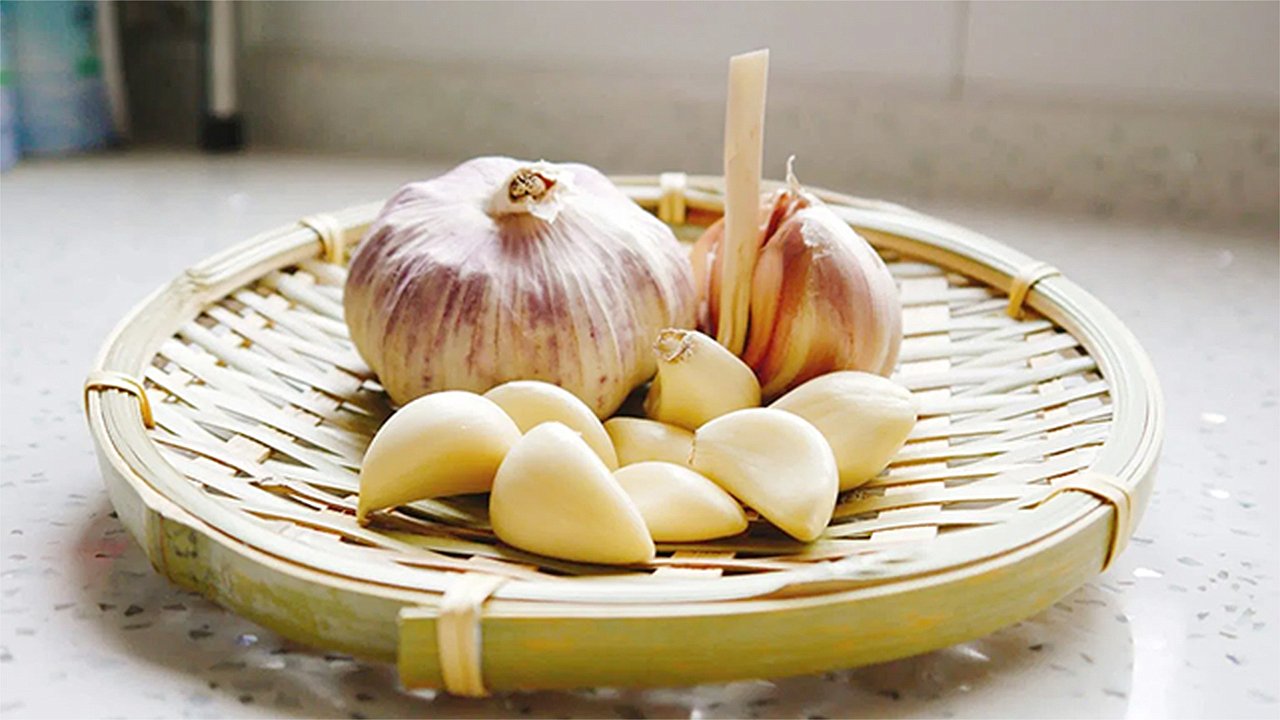
Raw garlic has been treasured for centuries as both a culinary staple and a natural remedy. Used in ancient civilizations from Egypt to China, this pungent bulb has earned a reputation as one of the most powerful superfoods available. While cooked garlic still offers nutritional value, consuming garlic in its raw form preserves its most potent bioactive compounds, delivering stronger health effects. Today, modern science continues to validate many traditional claims, linking Raw Garlic to improved cardiovascular health, stronger immunity, and reduced inflammation.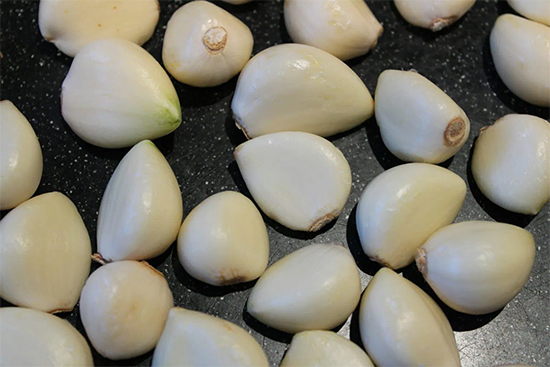 Incorporating raw garlic into your daily routine may seem simple, but its impact on overall wellness can be profound. From protecting the heart to fighting harmful microbes, garlic works on multiple systems within the body. This article explores the science-backed health benefits of raw garlic, its nutritional profile, potential cancer-fighting properties, and practical ways to consume it safely for maximum advantage.Nutritional profile of raw garlic
Raw garlic is surprisingly nutrient-dense despite being consumed in small quantities. It contains essential vitamins and minerals that support various bodily functions. Among its key nutrients are vitamin C, vitamin B6, manganese, selenium, and small amounts of calcium and potassium.More importantly, garlic is rich in sulfur-containing compounds, particularly allicin. Allicin forms when garlic is chopped, crushed, or chewed, triggering an enzymatic reaction. This compound is largely responsible for garlic’s antimicrobial, anti-inflammatory, and antioxidant properties.Raw garlic also provides flavonoids and polyphenols, plant compounds known to combat oxidative stress. These antioxidants help neutralize free radicals, which contribute to premature aging and chronic diseases. Because heat can degrade allicin, consuming garlic raw ensures you receive its full therapeutic potential.Supporting heart health naturally
One of the most researched benefits of raw garlic is its positive effect on cardiovascular health. Regular consumption has been associated with improved blood circulation and reduced risk factors for heart disease.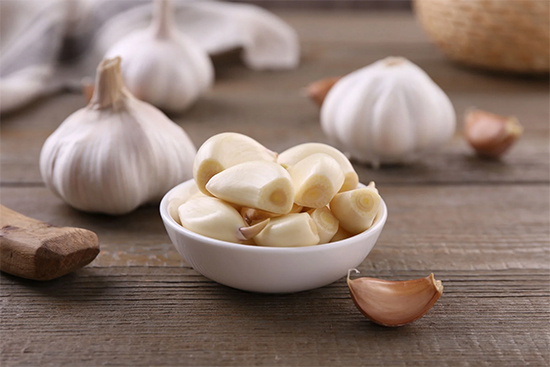 Garlic stimulates nitric oxide production, which helps relax and widen blood vessels. This vasodilation improves blood flow and may contribute to lower blood pressure levels. Additionally, garlic appears to inhibit angiotensin-converting enzyme activity, further supporting vascular relaxation.Studies also suggest that garlic can reduce LDL cholesterol while supporting healthy HDL cholesterol levels. Another important benefit is its ability to decrease platelet aggregation, lowering the likelihood of blood clots that can lead to strokes or heart attacks. These combined effects make raw garlic a valuable dietary addition for individuals seeking natural heart health support.Strengthening the immune system
Raw garlic is widely recognized for its immune-boosting properties. Its antimicrobial and antiviral compounds help the body defend against infections, particularly respiratory illnesses.Vitamin C and antioxidants in garlic enhance immune cell function, enabling the body to respond more effectively to pathogens. Allicin, in particular, exhibits antibacterial and antifungal activity, making garlic useful in fighting a broad spectrum of microbes.Some clinical studies indicate that individuals who consume garlic regularly experience fewer colds and shorter illness durations. While more large-scale research is needed, the existing evidence supports garlic’s role as a natural immune enhancer. During cold and flu season, adding raw garlic to meals may provide an extra layer of protection, especially when combined with other nutrient-rich foods.Anti-inflammatory and antioxidant effects
Chronic inflammation is linked to numerous health conditions, including arthritis, diabetes, and neurodegenerative diseases. Raw garlic contains compounds that help modulate inflammatory pathways in the body.Sulfur compounds and antioxidants reduce inflammatory markers and protect tissues from oxidative damage. This dual action supports joint health, metabolic balance, and even skin vitality.Garlic’s antioxidant capacity also plays a role in slowing cellular aging. By neutralizing free radicals, it helps protect DNA and cellular structures from long-term damage. These protective effects make raw garlic a valuable addition to anti-inflammatory diets focused on long-term disease prevention.Potential cancer-preventive properties
Emerging research suggests that garlic may have cancer-protective potential. Its bioactive compounds appear to influence several mechanisms involved in cancer development.Laboratory and population studies have linked garlic consumption to lower risks of certain cancers, particularly those affecting the digestive system, such as stomach and colorectal cancers. Researchers believe garlic may help by reducing carcinogen formation, enhancing detoxification enzymes, and promoting apoptosis, the programmed death of damaged cells.Antioxidants in garlic also help protect cells from DNA mutations that can lead to tumor formation. While these findings are promising, scientists emphasize that garlic should complement, not replace, established cancer prevention strategies such as balanced nutrition and screenings.Digestive health and gut support
Raw garlic can positively influence digestive health when consumed in moderation. It acts as a prebiotic, feeding beneficial gut bacteria that support digestion and immune function.A healthy gut microbiome is linked to improved nutrient absorption, better mood regulation, and reduced inflammation. Garlic’s antimicrobial compounds may also help control harmful bacteria and intestinal parasites.However, its potency means it can irritate the digestive tract in some individuals. People with sensitive stomachs may experience bloating, gas, or heartburn, particularly when consuming large amounts. Starting with small quantities allows the digestive system to adapt while still gaining benefits.Possible side effects and precautions
Despite its advantages, raw garlic is not suitable for everyone in large doses. Its strong sulfur compounds can cause bad breath and body odor, which some people find socially uncomfortable.Digestive upset is another common complaint. Individuals with acid reflux, irritable bowel syndrome, or sensitive stomachs should monitor their tolerance carefully.Garlic also has natural blood-thinning properties. People taking anticoagulant medications or preparing for surgery should consult a healthcare professional before significantly increasing garlic intake. Moderation remains key to enjoying garlic’s benefits while minimizing unwanted effects.Best ways to consume raw garlic daily
Incorporating raw garlic into meals can be simple with the right techniques. Minced or crushed garlic can be added to salad dressings, salsas, dips, and spreads.Allowing chopped garlic to rest for 5 to 10 minutes before eating activates allicin formation, maximizing its health properties. Pairing garlic with olive oil, lemon juice, or honey can help balance its sharp flavor.Some people swallow small garlic pieces with water, though culinary integration is generally more enjoyable and sustainable. Mixing garlic into yogurt sauces or guacamole can also soften its intensity.Consistency matters more than quantity. Small daily amounts provide benefits without overwhelming the palate or digestive system. Raw garlic stands out as one of nature’s most powerful functional foods. Its unique combination of sulfur compounds, antioxidants, vitamins, and minerals supports heart health, strengthens immunity, reduces inflammation, and may even contribute to cancer prevention.While its pungent taste and digestive effects require mindful consumption, the health rewards can be substantial. By incorporating small amounts into everyday meals, individuals can harness garlic’s therapeutic potential naturally.As research continues to explore its medicinal properties, raw garlic remains a timeless superfood proving that sometimes the simplest ingredients deliver the greatest health impact.
Incorporating raw garlic into your daily routine may seem simple, but its impact on overall wellness can be profound. From protecting the heart to fighting harmful microbes, garlic works on multiple systems within the body. This article explores the science-backed health benefits of raw garlic, its nutritional profile, potential cancer-fighting properties, and practical ways to consume it safely for maximum advantage.Nutritional profile of raw garlicRaw garlic is surprisingly nutrient-dense despite being consumed in small quantities. It contains essential vitamins and minerals that support various bodily functions. Among its key nutrients are vitamin C, vitamin B6, manganese, selenium, and small amounts of calcium and potassium.More importantly, garlic is rich in sulfur-containing compounds, particularly allicin. Allicin forms when garlic is chopped, crushed, or chewed, triggering an enzymatic reaction. This compound is largely responsible for garlic’s antimicrobial, anti-inflammatory, and antioxidant properties.Raw garlic also provides flavonoids and polyphenols, plant compounds known to combat oxidative stress. These antioxidants help neutralize free radicals, which contribute to premature aging and chronic diseases. Because heat can degrade allicin, consuming garlic raw ensures you receive its full therapeutic potential.Supporting heart health naturally
One of the most researched benefits of raw garlic is its positive effect on cardiovascular health. Regular consumption has been associated with improved blood circulation and reduced risk factors for heart disease.
Garlic stimulates nitric oxide production, which helps relax and widen blood vessels. This vasodilation improves blood flow and may contribute to lower blood pressure levels. Additionally, garlic appears to inhibit angiotensin-converting enzyme activity, further supporting vascular relaxation.Studies also suggest that garlic can reduce LDL cholesterol while supporting healthy HDL cholesterol levels. Another important benefit is its ability to decrease platelet aggregation, lowering the likelihood of blood clots that can lead to strokes or heart attacks. These combined effects make raw garlic a valuable dietary addition for individuals seeking natural heart health support.Strengthening the immune systemRaw garlic is widely recognized for its immune-boosting properties. Its antimicrobial and antiviral compounds help the body defend against infections, particularly respiratory illnesses.Vitamin C and antioxidants in garlic enhance immune cell function, enabling the body to respond more effectively to pathogens. Allicin, in particular, exhibits antibacterial and antifungal activity, making garlic useful in fighting a broad spectrum of microbes.Some clinical studies indicate that individuals who consume garlic regularly experience fewer colds and shorter illness durations. While more large-scale research is needed, the existing evidence supports garlic’s role as a natural immune enhancer. During cold and flu season, adding raw garlic to meals may provide an extra layer of protection, especially when combined with other nutrient-rich foods.Anti-inflammatory and antioxidant effects
Chronic inflammation is linked to numerous health conditions, including arthritis, diabetes, and neurodegenerative diseases. Raw garlic contains compounds that help modulate inflammatory pathways in the body.Sulfur compounds and antioxidants reduce inflammatory markers and protect tissues from oxidative damage. This dual action supports joint health, metabolic balance, and even skin vitality.Garlic’s antioxidant capacity also plays a role in slowing cellular aging. By neutralizing free radicals, it helps protect DNA and cellular structures from long-term damage. These protective effects make raw garlic a valuable addition to anti-inflammatory diets focused on long-term disease prevention.Potential cancer-preventive properties
Emerging research suggests that garlic may have cancer-protective potential. Its bioactive compounds appear to influence several mechanisms involved in cancer development.Laboratory and population studies have linked garlic consumption to lower risks of certain cancers, particularly those affecting the digestive system, such as stomach and colorectal cancers. Researchers believe garlic may help by reducing carcinogen formation, enhancing detoxification enzymes, and promoting apoptosis, the programmed death of damaged cells.Antioxidants in garlic also help protect cells from DNA mutations that can lead to tumor formation. While these findings are promising, scientists emphasize that garlic should complement, not replace, established cancer prevention strategies such as balanced nutrition and screenings.Digestive health and gut support
Raw garlic can positively influence digestive health when consumed in moderation. It acts as a prebiotic, feeding beneficial gut bacteria that support digestion and immune function.A healthy gut microbiome is linked to improved nutrient absorption, better mood regulation, and reduced inflammation. Garlic’s antimicrobial compounds may also help control harmful bacteria and intestinal parasites.However, its potency means it can irritate the digestive tract in some individuals. People with sensitive stomachs may experience bloating, gas, or heartburn, particularly when consuming large amounts. Starting with small quantities allows the digestive system to adapt while still gaining benefits.Possible side effects and precautions
Despite its advantages, raw garlic is not suitable for everyone in large doses. Its strong sulfur compounds can cause bad breath and body odor, which some people find socially uncomfortable.Digestive upset is another common complaint. Individuals with acid reflux, irritable bowel syndrome, or sensitive stomachs should monitor their tolerance carefully.Garlic also has natural blood-thinning properties. People taking anticoagulant medications or preparing for surgery should consult a healthcare professional before significantly increasing garlic intake. Moderation remains key to enjoying garlic’s benefits while minimizing unwanted effects.Best ways to consume raw garlic daily
Incorporating raw garlic into meals can be simple with the right techniques. Minced or crushed garlic can be added to salad dressings, salsas, dips, and spreads.Allowing chopped garlic to rest for 5 to 10 minutes before eating activates allicin formation, maximizing its health properties. Pairing garlic with olive oil, lemon juice, or honey can help balance its sharp flavor.Some people swallow small garlic pieces with water, though culinary integration is generally more enjoyable and sustainable. Mixing garlic into yogurt sauces or guacamole can also soften its intensity.Consistency matters more than quantity. Small daily amounts provide benefits without overwhelming the palate or digestive system. Raw garlic stands out as one of nature’s most powerful functional foods. Its unique combination of sulfur compounds, antioxidants, vitamins, and minerals supports heart health, strengthens immunity, reduces inflammation, and may even contribute to cancer prevention.While its pungent taste and digestive effects require mindful consumption, the health rewards can be substantial. By incorporating small amounts into everyday meals, individuals can harness garlic’s therapeutic potential naturally.As research continues to explore its medicinal properties, raw garlic remains a timeless superfood proving that sometimes the simplest ingredients deliver the greatest health impact.