The Electric Car Americans Can’t Buy — and Why It Matters
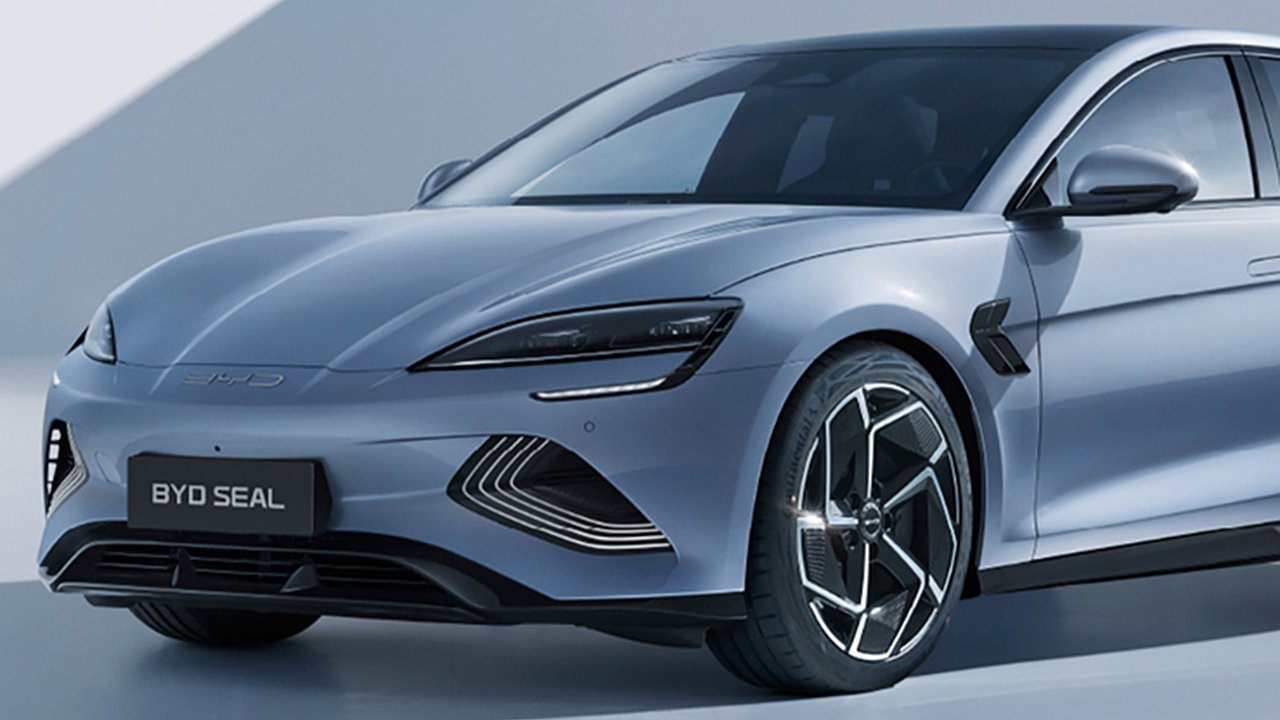
You may have heard of byd — short for “Build Your Dreams.” Once a small player in the auto world, the Chinese electric vehicle maker has rapidly become a global powerhouse, surpassing Tesla in sales last year and putting industry titans like Toyota and Volkswagen on notice. BYD is expected to rival the world’s largest automakers by 2030.Yet in the United States, most people have never seen a BYD car. And barring major policy changes, they likely won’t anytime soon.That’s because steep U.S. tariffs on Chinese electric vehicles effectively block BYD from entering the American market. While these trade barriers offer temporary protection for domestic automakers, they won’t shield U.S. companies from the broader challenge BYD represents — a challenge that speaks to the deeper strength of China’s economic model.BYD and the Rise of China’s Industrial Strategy
BYD’s meteoric rise is not just a story of corporate success. It’s the product of China’s long-term industrial planning — a model that fuses government funding, strategic foresight, and relentless innovation. This formula has already propelled China to global leadership in high-tech industries like batteries, drones, and robotics.Now, with BYD leading the charge, China is poised to dominate the global electric vehicle market as well. The implications for the United States are profound. The auto industry is one of the largest, most strategically vital sectors in the American economy. If Chinese EVs replace U.S.-made vehicles on roads around the world, it could weaken American economic power and national security.The U.S. must confront a hard truth: the race for automotive leadership is no longer just about cars — it’s about which nation will define the next generation of industrial and technological development.From Clunkers to Cutting Edge
When the author of this piece launched his auto business in Beijing in the early 1990s, Chinese cars were notoriously low-quality. BYD, which began as a battery company and entered the car market in 2003, was no exception. Its early vehicles were widely mocked in China for being unreliable and poorly made.Fast forward two decades, and the transformation is stunning. Today’s BYD cars rival Tesla in design, quality, and technology. The company’s signature Blade Battery is widely regarded as one of the safest and most cost-effective in the world — so reliable that even Tesla and Toyota have incorporated it into some of their vehicles.What truly sets BYD apart, however, is its price. Some of its electric models sell in China for less than $10,000 — roughly one-third the price of the cheapest EVs available in the U.S.Beyond Subsidies: Vertical Integration and Speed
Critics often attribute BYD’s success to massive government subsidies — and it’s true that Chinese EV makers have benefited from billions in state support. But that’s only part of the equation.One of BYD’s greatest advantages is vertical integration. While American and European carmakers rely heavily on third-party suppliers, BYD manufactures nearly all its own critical components — including batteries, motors, semiconductors, software, and even the shipping vessels that deliver its cars abroad. This not only slashes costs but improves quality control and supply chain stability.The company is also moving at breakneck speed. It recently unveiled a self-driving system that rivals Tesla’s and a new technology that can charge a car in just five minutes — as fast as refueling at a gas station. Its luxury SUV, the YangWang U8, can rotate in place and even float across water for short distances.Should America Let BYD In?
Some argue the U.S. should allow BYD to compete on American soil. Doing so would offer consumers access to cheaper, high-quality electric vehicles and push domestic manufacturers to improve. But many fear the consequences.BYD’s combination of low costs, advanced tech, and massive production capacity could devastate the U.S. auto industry. It’s why Elon Musk has warned Chinese automakers will “demolish” competitors without trade barriers, and why Ford CEO Jim Farley described them as an existential threat.Tariffs might slow the damage, but they can’t reverse the tide. China now leads global car exports — electric or otherwise — while U.S. automakers have largely retreated to their home turf, focusing on high-margin gas-powered trucks and SUVs. That strategy may protect profits in the short term, but it leaves America behind in the fast-growing EV market.A Wake-Up Call for American Industry
The rise of BYD should be a wake-up call. Ten years ago, China set a national strategy to dominate future technologies and backed it with massive investment and patience. Today, that bet is paying off. The U.S., by contrast, has failed to respond with the same urgency or vision.Rebuilding America’s industrial capacity will require a comprehensive, government-led effort akin to the Manhattan Project — not just for EVs, but for batteries, critical minerals, supply chains, and advanced manufacturing. Some in Washington may balk at the idea of centralized economic planning, but the alternative is to cede leadership to China.More Than Cars: National Security at Stake
This isn’t just an economic issue — it’s also about national security. Auto technologies such as batteries, sensors, and electric motors often end up in military applications. Control over supply chains, especially for rare earth elements and battery materials, gives China leverage in geopolitical conflicts — as seen when it temporarily blocked exports of key minerals in response to U.S. tariffs.China has already outpaced Detroit. If America fails to act, it risks not just losing a critical industry, but also surrendering the innovation edge that has defined its global leadership for over a century.The U.S. must choose: rebuild its industrial base with the full weight of national ambition, or remain isolated behind tariffs, making yesterday’s vehicles for a market that is rapidly moving on.
You may have heard of byd — short for “Build Your Dreams.” Once a small player in the auto world, the Chinese electric vehicle maker has rapidly become a global powerhouse, surpassing Tesla in sales last year and putting industry titans like Toyota and Volkswagen on notice. BYD is expected to rival the world’s largest automakers by 2030.Yet in the United States, most people have never seen a BYD car. And barring major policy changes, they likely won’t anytime soon.That’s because steep U.S. tariffs on Chinese electric vehicles effectively block BYD from entering the American market. While these trade barriers offer temporary protection for domestic automakers, they won’t shield U.S. companies from the broader challenge BYD represents — a challenge that speaks to the deeper strength of China’s economic model.BYD and the Rise of China’s Industrial Strategy
BYD’s meteoric rise is not just a story of corporate success. It’s the product of China’s long-term industrial planning — a model that fuses government funding, strategic foresight, and relentless innovation. This formula has already propelled China to global leadership in high-tech industries like batteries, drones, and robotics.Now, with BYD leading the charge, China is poised to dominate the global electric vehicle market as well. The implications for the United States are profound. The auto industry is one of the largest, most strategically vital sectors in the American economy. If Chinese EVs replace U.S.-made vehicles on roads around the world, it could weaken American economic power and national security.The U.S. must confront a hard truth: the race for automotive leadership is no longer just about cars — it’s about which nation will define the next generation of industrial and technological development.From Clunkers to Cutting Edge
When the author of this piece launched his auto business in Beijing in the early 1990s, Chinese cars were notoriously low-quality. BYD, which began as a battery company and entered the car market in 2003, was no exception. Its early vehicles were widely mocked in China for being unreliable and poorly made.Fast forward two decades, and the transformation is stunning. Today’s BYD cars rival Tesla in design, quality, and technology. The company’s signature Blade Battery is widely regarded as one of the safest and most cost-effective in the world — so reliable that even Tesla and Toyota have incorporated it into some of their vehicles.What truly sets BYD apart, however, is its price. Some of its electric models sell in China for less than $10,000 — roughly one-third the price of the cheapest EVs available in the U.S.Beyond Subsidies: Vertical Integration and Speed
Critics often attribute BYD’s success to massive government subsidies — and it’s true that Chinese EV makers have benefited from billions in state support. But that’s only part of the equation.One of BYD’s greatest advantages is vertical integration. While American and European carmakers rely heavily on third-party suppliers, BYD manufactures nearly all its own critical components — including batteries, motors, semiconductors, software, and even the shipping vessels that deliver its cars abroad. This not only slashes costs but improves quality control and supply chain stability.The company is also moving at breakneck speed. It recently unveiled a self-driving system that rivals Tesla’s and a new technology that can charge a car in just five minutes — as fast as refueling at a gas station. Its luxury SUV, the YangWang U8, can rotate in place and even float across water for short distances.Should America Let BYD In?
Some argue the U.S. should allow BYD to compete on American soil. Doing so would offer consumers access to cheaper, high-quality electric vehicles and push domestic manufacturers to improve. But many fear the consequences.BYD’s combination of low costs, advanced tech, and massive production capacity could devastate the U.S. auto industry. It’s why Elon Musk has warned Chinese automakers will “demolish” competitors without trade barriers, and why Ford CEO Jim Farley described them as an existential threat.Tariffs might slow the damage, but they can’t reverse the tide. China now leads global car exports — electric or otherwise — while U.S. automakers have largely retreated to their home turf, focusing on high-margin gas-powered trucks and SUVs. That strategy may protect profits in the short term, but it leaves America behind in the fast-growing EV market.A Wake-Up Call for American Industry
The rise of BYD should be a wake-up call. Ten years ago, China set a national strategy to dominate future technologies and backed it with massive investment and patience. Today, that bet is paying off. The U.S., by contrast, has failed to respond with the same urgency or vision.Rebuilding America’s industrial capacity will require a comprehensive, government-led effort akin to the Manhattan Project — not just for EVs, but for batteries, critical minerals, supply chains, and advanced manufacturing. Some in Washington may balk at the idea of centralized economic planning, but the alternative is to cede leadership to China.More Than Cars: National Security at Stake
This isn’t just an economic issue — it’s also about national security. Auto technologies such as batteries, sensors, and electric motors often end up in military applications. Control over supply chains, especially for rare earth elements and battery materials, gives China leverage in geopolitical conflicts — as seen when it temporarily blocked exports of key minerals in response to U.S. tariffs.China has already outpaced Detroit. If America fails to act, it risks not just losing a critical industry, but also surrendering the innovation edge that has defined its global leadership for over a century.The U.S. must choose: rebuild its industrial base with the full weight of national ambition, or remain isolated behind tariffs, making yesterday’s vehicles for a market that is rapidly moving on.