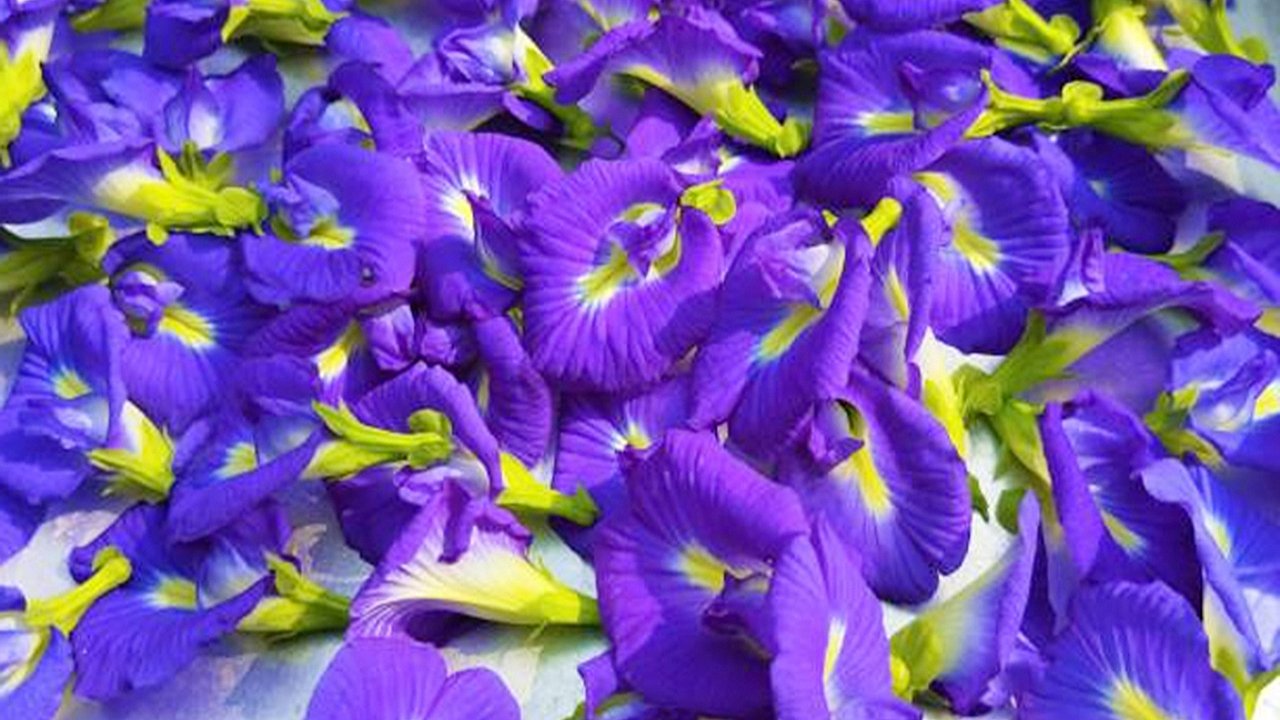
The Allure of the Butterfly Pea Vine
The Butterfly Pea Vine (Clitoria ternatea) is a captivating, fast-growing tropical plant prized for its brilliant blue flowers and ornamental appeal. Native to Southeast Asia, this vine thrives in warm, humid environments and can quickly cover trellises, fences, or arbors with its trailing green foliage and vibrant blooms. Its unique blossoms aren’t just eye-catching — they’re also steeped in cultural significance, culinary uses, and even natural dye production.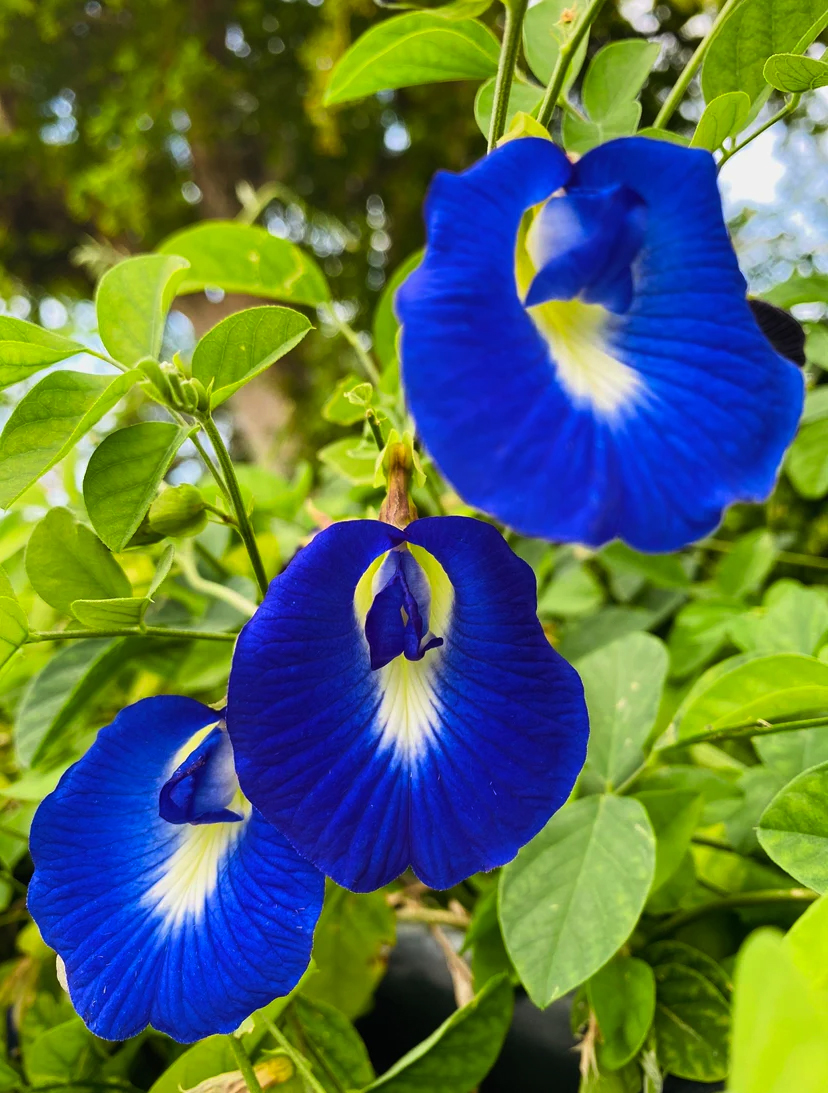 Often found in traditional herbal medicine, the Butterfly Pea Vine has recently gained popularity worldwide, particularly for its stunning blue petals that turn purple when mixed with acidic ingredients like lemon juice. This natural color-changing reaction has made it a favorite for tea, cocktails, and desserts.How to Grow and Care for Butterfly Pea Vines
Butterfly Pea Vines flourish in full sun and well-draining soil. They prefer warm temperatures and are typically grown as annuals in cooler climates, although they’re perennials in USDA zones 9–11. Plant the seeds directly in the garden or start them indoors in early spring. Soaking seeds overnight before planting can help speed up germination.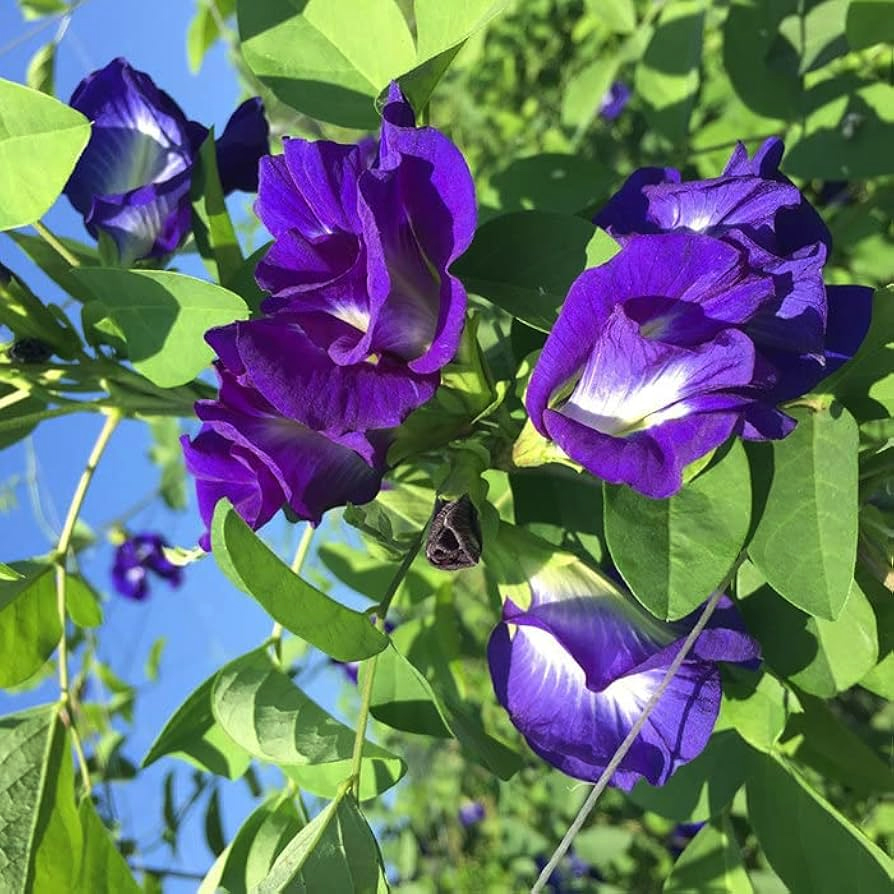 Once established, these vines require minimal maintenance. Water them regularly, but avoid soggy conditions. A light application of balanced fertilizer during the growing season can promote healthy blooms and vigorous growth. These climbers benefit from a trellis or support structure to reach their full potential, often growing up to 10–15 feet in a single season.Stunning Blooms with a Magical Twist
What sets the Butterfly Pea Vine apart is its mesmerizing deep blue flowers, shaped like butterfly wings. Some varieties also produce white or purple blooms. The petals are not only beautiful but also edible and widely used to make herbal teas and food colorants.The flowers contain a natural pigment called anthocyanin, which reacts to pH changes. When steeped in hot water, the tea appears deep blue; adding lemon juice shifts the color to a rich purple. This color-changing quality has made the vine a social media sensation and a unique addition to trendy beverages and desserts.Culinary, Medicinal, and Cultural Significance
In many Asian countries, Butterfly Pea flowers are used in traditional cuisine and drinks. In Thailand and Vietnam, for instance, the petals color rice, desserts, and beverages. In Ayurveda and other traditional medicine systems, the plant is believed to possess memory-boosting, anti-inflammatory, and calming properties.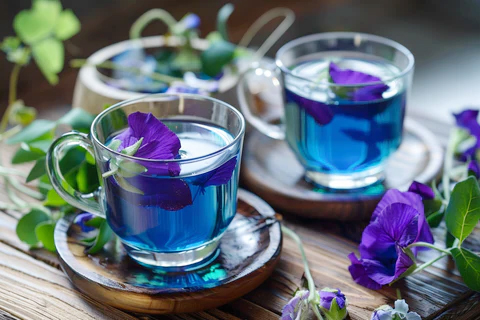 Butterfly Pea Tea, also known as “blue tea,” is caffeine-free and enjoyed both hot and cold. It’s often mixed with honey, lemongrass, or other herbal infusions for a refreshing experience.Easy Propagation and Pest Resistance
Propagation is simple with seeds or stem cuttings. Seeds should be nicked or soaked for quicker sprouting. The plant is relatively pest-resistant, although it may occasionally attract aphids or caterpillars. These can be managed organically with neem oil or a gentle soap spray.A Magical Addition to Any Garden
The Butterfly Pea Vine is more than just a pretty face — it’s a hardy, versatile plant that offers visual beauty, culinary delight, and herbal benefits. Whether you're looking to create a striking vertical garden or brew your own natural blue tea, this tropical treasure delivers.
The Butterfly Pea Vine (Clitoria ternatea) is a captivating, fast-growing tropical plant prized for its brilliant blue flowers and ornamental appeal. Native to Southeast Asia, this vine thrives in warm, humid environments and can quickly cover trellises, fences, or arbors with its trailing green foliage and vibrant blooms. Its unique blossoms aren’t just eye-catching — they’re also steeped in cultural significance, culinary uses, and even natural dye production.
Often found in traditional herbal medicine, the Butterfly Pea Vine has recently gained popularity worldwide, particularly for its stunning blue petals that turn purple when mixed with acidic ingredients like lemon juice. This natural color-changing reaction has made it a favorite for tea, cocktails, and desserts.How to Grow and Care for Butterfly Pea VinesButterfly Pea Vines flourish in full sun and well-draining soil. They prefer warm temperatures and are typically grown as annuals in cooler climates, although they’re perennials in USDA zones 9–11. Plant the seeds directly in the garden or start them indoors in early spring. Soaking seeds overnight before planting can help speed up germination.
Once established, these vines require minimal maintenance. Water them regularly, but avoid soggy conditions. A light application of balanced fertilizer during the growing season can promote healthy blooms and vigorous growth. These climbers benefit from a trellis or support structure to reach their full potential, often growing up to 10–15 feet in a single season.Stunning Blooms with a Magical TwistWhat sets the Butterfly Pea Vine apart is its mesmerizing deep blue flowers, shaped like butterfly wings. Some varieties also produce white or purple blooms. The petals are not only beautiful but also edible and widely used to make herbal teas and food colorants.The flowers contain a natural pigment called anthocyanin, which reacts to pH changes. When steeped in hot water, the tea appears deep blue; adding lemon juice shifts the color to a rich purple. This color-changing quality has made the vine a social media sensation and a unique addition to trendy beverages and desserts.Culinary, Medicinal, and Cultural Significance
In many Asian countries, Butterfly Pea flowers are used in traditional cuisine and drinks. In Thailand and Vietnam, for instance, the petals color rice, desserts, and beverages. In Ayurveda and other traditional medicine systems, the plant is believed to possess memory-boosting, anti-inflammatory, and calming properties.
Butterfly Pea Tea, also known as “blue tea,” is caffeine-free and enjoyed both hot and cold. It’s often mixed with honey, lemongrass, or other herbal infusions for a refreshing experience.Easy Propagation and Pest ResistancePropagation is simple with seeds or stem cuttings. Seeds should be nicked or soaked for quicker sprouting. The plant is relatively pest-resistant, although it may occasionally attract aphids or caterpillars. These can be managed organically with neem oil or a gentle soap spray.A Magical Addition to Any Garden
The Butterfly Pea Vine is more than just a pretty face — it’s a hardy, versatile plant that offers visual beauty, culinary delight, and herbal benefits. Whether you're looking to create a striking vertical garden or brew your own natural blue tea, this tropical treasure delivers.