When Will the Blood Moon eclipse Happen?
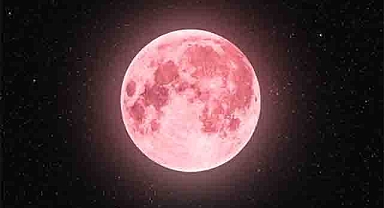
Skywatchers around the globe are eagerly awaiting the upcoming Blood Moon eclipse, a breathtaking celestial event where the Moon takes on a reddish hue during a total lunar eclipse. The eclipse is expected to occur on [insert date], with the total phase lasting approximately [duration]. Depending on your location, the Moon will enter the Earth's shadow during the late evening or early morning hours, making for a truly mesmerizing sight.Best Locations to Witness the Eclipse
Visibility of the Blood Moon will vary across the world. The eclipse will be best viewed from North and South America, Europe, Africa, and parts of Asia. Rural areas away from city lights will offer the clearest skies, allowing observers to fully appreciate the reddish transformation of the Moon. Stargazing enthusiasts are encouraged to check local timings and weather forecasts for the best viewing experience.The Science Behind the Red Glow
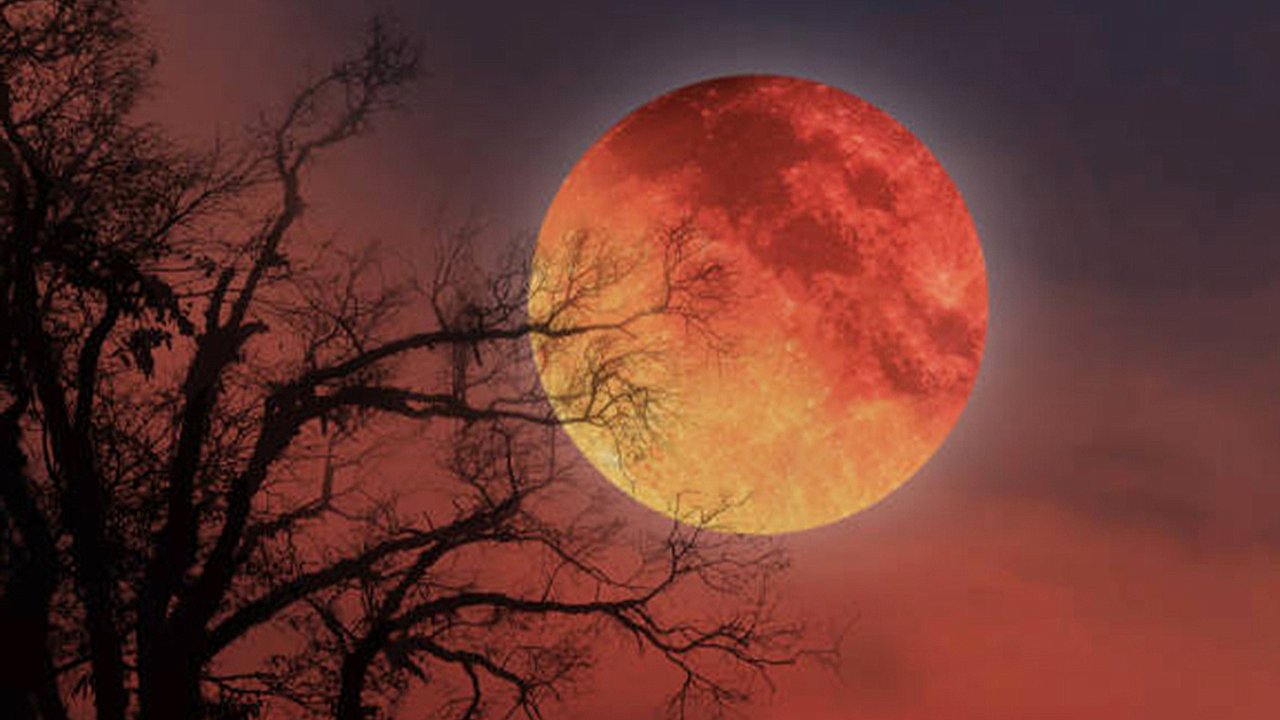
The striking red color of a Blood Moon occurs because of Rayleigh scattering, the same phenomenon that makes sunsets appear red. As the Earth passes between the Sun and the Moon, sunlight is filtered through the Earth's atmosphere. Shorter blue wavelengths are scattered away, while longer red wavelengths are bent toward the Moon’s surface, creating a glowing crimson appearance.Expert Tips for Watching the Blood Moon
To get the most out of this rare astronomical spectacle, consider these viewing tips:
Skywatchers around the globe are eagerly awaiting the upcoming Blood Moon eclipse, a breathtaking celestial event where the Moon takes on a reddish hue during a total lunar eclipse. The eclipse is expected to occur on [insert date], with the total phase lasting approximately [duration]. Depending on your location, the Moon will enter the Earth's shadow during the late evening or early morning hours, making for a truly mesmerizing sight.Best Locations to Witness the Eclipse
Visibility of the Blood Moon will vary across the world. The eclipse will be best viewed from North and South America, Europe, Africa, and parts of Asia. Rural areas away from city lights will offer the clearest skies, allowing observers to fully appreciate the reddish transformation of the Moon. Stargazing enthusiasts are encouraged to check local timings and weather forecasts for the best viewing experience.The Science Behind the Red Glow
The striking red color of a Blood Moon occurs because of Rayleigh scattering, the same phenomenon that makes sunsets appear red. As the Earth passes between the Sun and the Moon, sunlight is filtered through the Earth's atmosphere. Shorter blue wavelengths are scattered away, while longer red wavelengths are bent toward the Moon’s surface, creating a glowing crimson appearance.Expert Tips for Watching the Blood Moon
To get the most out of this rare astronomical spectacle, consider these viewing tips:
- Find a Dark Spot: Avoid city lights for clearer visibility.
- Use Binoculars or a Telescope: These can enhance the Moon’s surface details.
- Bring a Camera: Long-exposure photography can capture the stunning red hue.
- Dress Appropriately: Depending on your location, nighttime temperatures may drop significantly.
- Check Timings: Make sure to know when the eclipse begins and peaks in your region.