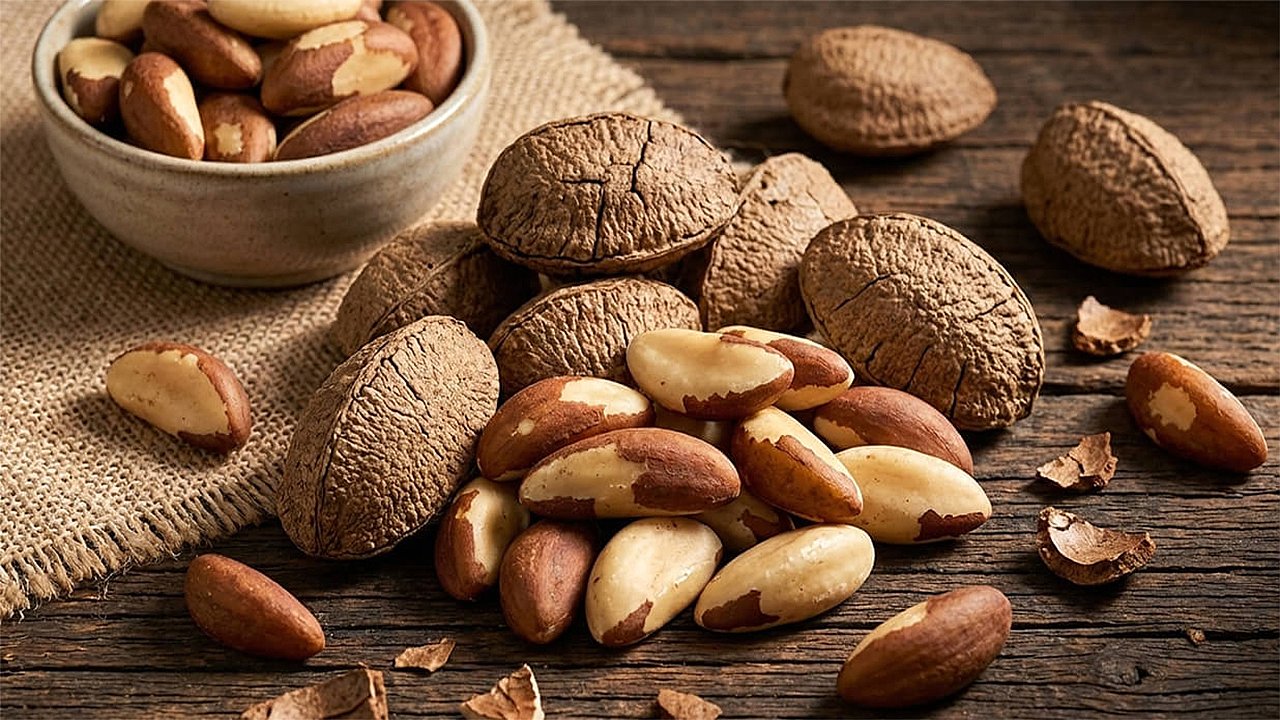
Brazil nuts may not be as well-known as almonds, walnuts, or cashews, but they have earned a reputation as one of the most nutrient-dense nuts available. Native to the Amazon rainforest, these large, creamy nuts are prized for their exceptionally high selenium content, an essential mineral that plays a vital role in many bodily functions. Although they are often overlooked, Brazil nuts provide a unique combination of healthy fats, protein, fiber, vitamins, and antioxidants that can contribute to overall wellness when eaten in moderation. Whether you are looking to support your immune system, improve heart health, maintain healthy thyroid function, or simply diversify your diet, Brazil nuts offer impressive nutritional benefits. In this article, you'll discover what makes Brazil nuts so special, their potential health advantages, how many you should eat, and why they deserve a place in a balanced eating plan.What are Brazil nuts?Brazil nuts are the edible seeds of the Brazil nut tree (Bertholletia excelsa), a giant tree that grows naturally in the Amazon rainforest across Brazil, Bolivia, and Peru. Despite their name, most commercially exported Brazil nuts actually come from Bolivia, where harvesting remains an important part of the local economy.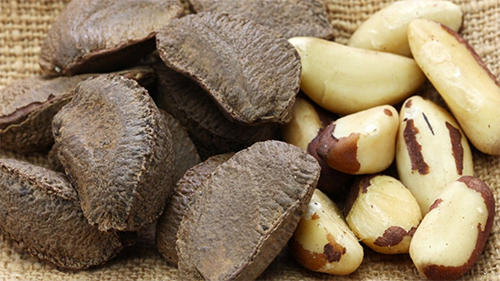 Unlike many tree nuts that grow in clusters on branches, Brazil nuts develop inside large, coconut-like fruits that fall naturally from towering trees. Each fruit contains between 10 and 25 triangular seeds, which are the Brazil nuts commonly found in grocery stores.Their smooth texture, mild buttery flavor, and rich nutritional profile have made them increasingly popular among health-conscious consumers.Why selenium makes Brazil nuts uniqueThe most remarkable feature of Brazil nuts is their exceptionally high selenium content. Selenium is an essential trace mineral that supports numerous biological processes, including antioxidant protection and hormone production.In fact, just one or two Brazil nuts can provide more than the recommended daily intake of selenium for most adults.Selenium helps the body produce antioxidant enzymes that protect cells from damage caused by free radicals. It also contributes to DNA repair, supports immune function, and plays a crucial role in maintaining healthy thyroid hormones.Because many diets around the world are relatively low in selenium, Brazil nuts are often considered one of the easiest natural ways to increase intake.Supporting thyroid health naturallyOne of selenium's most important roles involves thyroid function. The thyroid gland contains more selenium than almost any other organ in the body.This mineral helps activate thyroid hormones that regulate metabolism, energy production, and body temperature.Adequate selenium intake may support normal thyroid function and help protect thyroid cells from oxidative stress. While Brazil nuts should never replace prescribed medical treatment for thyroid disorders, they can be a nutritious addition to a balanced diet for individuals without selenium restrictions.Anyone with thyroid disease should consult a healthcare professional before making significant dietary changes.Heart health benefits of Brazil nutsBrazil nuts contain heart-friendly unsaturated fats, including monounsaturated and polyunsaturated fatty acids. These healthy fats may help support healthy cholesterol levels when consumed as part of an overall nutritious diet.They also provide magnesium, potassium, and antioxidants that contribute to cardiovascular wellness.Some research suggests that diets rich in nuts are associated with a lower risk of heart disease because they help reduce inflammation and improve blood vessel function.Replacing processed snacks with a small serving of Brazil nuts can be a satisfying way to support long-term heart health.Brain function and cognitive wellnessHealthy fats and antioxidants found in Brazil nuts also benefit the brain.Selenium helps protect nerve cells from oxidative stress, while vitamin E contributes to maintaining healthy brain tissue. These nutrients may support memory, concentration, and overall cognitive function as part of a balanced lifestyle.Although no single food can prevent age-related cognitive decline, regularly consuming nutrient-rich foods like Brazil nuts may contribute to long-term brain health alongside exercise, quality sleep, and a varied diet.Immune system supportA properly functioning immune system relies on adequate nutrition, and selenium is one of the key nutrients involved in immune defense.Brazil nuts provide selenium along with zinc, copper, and plant-based antioxidants that help support normal immune responses.These nutrients assist immune cells in performing their functions while helping the body manage oxidative stress generated during normal metabolic processes.Eating a variety of nutrient-rich foods remains the best strategy for maintaining a healthy immune system throughout the year.Protein, fiber, and healthy fats for lasting energyBrazil nuts offer more than vitamins and minerals. They are also a good source of plant protein, dietary fiber, and healthy fats.This combination helps promote feelings of fullness after meals, making them a smart snack choice for people trying to manage hunger between meals.Fiber supports digestive health by encouraging regular bowel movements and feeding beneficial gut bacteria, while healthy fats provide sustained energy throughout the day.Because Brazil nuts are calorie-dense, moderate portions provide nutritional benefits without excessive calorie intake.How many Brazil nuts should you eat?Although Brazil nuts are highly nutritious, more is not always better.Due to their extremely high selenium concentration, eating too many on a regular basis can result in excessive selenium intake. Adults generally need only about 55 micrograms of selenium daily, and a single Brazil nut may contain anywhere from 50 to over 90 micrograms depending on where it was grown.Most nutrition experts recommend limiting consumption to one to three Brazil nuts per day for healthy adults. This amount is usually sufficient to obtain selenium while minimizing the risk of consuming excessive amounts over time.Individuals who already take selenium supplements should be especially mindful of their total intake.Easy ways to include Brazil nuts in your dietBrazil nuts are versatile and easy to incorporate into everyday meals. They can be eaten as a simple snack on their own or mixed with almonds, walnuts, and pistachios in homemade trail mix.Chopped Brazil nuts add texture to oatmeal, yogurt, smoothie bowls, and breakfast cereals. They also pair well with salads, roasted vegetables, and whole-grain dishes.Some people blend Brazil nuts into homemade nut butter or finely grind them into baking recipes for muffins, energy bites, and healthy desserts. Choosing unsalted, minimally processed Brazil nuts allows you to enjoy their natural flavor and nutritional value.Brazil nuts are one of nature's most impressive superfoods, offering an extraordinary amount of selenium along with healthy fats, plant protein, fiber, magnesium, vitamin E, and powerful antioxidants. Their unique nutritional profile supports thyroid function, heart health, brain wellness, immune function, and overall well-being when enjoyed as part of a balanced diet.However, because Brazil nuts are exceptionally rich in selenium, moderation is essential. Eating one to three nuts per day is generally enough to enjoy their health benefits while avoiding excessive intake. Combined with a varied diet rich in fruits, vegetables, whole grains, lean proteins, and other nutrient-dense foods, Brazil nuts can be a simple yet effective addition to a healthy lifestyle.
Unlike many tree nuts that grow in clusters on branches, Brazil nuts develop inside large, coconut-like fruits that fall naturally from towering trees. Each fruit contains between 10 and 25 triangular seeds, which are the Brazil nuts commonly found in grocery stores.Their smooth texture, mild buttery flavor, and rich nutritional profile have made them increasingly popular among health-conscious consumers.Why selenium makes Brazil nuts uniqueThe most remarkable feature of Brazil nuts is their exceptionally high selenium content. Selenium is an essential trace mineral that supports numerous biological processes, including antioxidant protection and hormone production.In fact, just one or two Brazil nuts can provide more than the recommended daily intake of selenium for most adults.Selenium helps the body produce antioxidant enzymes that protect cells from damage caused by free radicals. It also contributes to DNA repair, supports immune function, and plays a crucial role in maintaining healthy thyroid hormones.Because many diets around the world are relatively low in selenium, Brazil nuts are often considered one of the easiest natural ways to increase intake.Supporting thyroid health naturallyOne of selenium's most important roles involves thyroid function. The thyroid gland contains more selenium than almost any other organ in the body.This mineral helps activate thyroid hormones that regulate metabolism, energy production, and body temperature.Adequate selenium intake may support normal thyroid function and help protect thyroid cells from oxidative stress. While Brazil nuts should never replace prescribed medical treatment for thyroid disorders, they can be a nutritious addition to a balanced diet for individuals without selenium restrictions.Anyone with thyroid disease should consult a healthcare professional before making significant dietary changes.Heart health benefits of Brazil nutsBrazil nuts contain heart-friendly unsaturated fats, including monounsaturated and polyunsaturated fatty acids. These healthy fats may help support healthy cholesterol levels when consumed as part of an overall nutritious diet.They also provide magnesium, potassium, and antioxidants that contribute to cardiovascular wellness.Some research suggests that diets rich in nuts are associated with a lower risk of heart disease because they help reduce inflammation and improve blood vessel function.Replacing processed snacks with a small serving of Brazil nuts can be a satisfying way to support long-term heart health.Brain function and cognitive wellnessHealthy fats and antioxidants found in Brazil nuts also benefit the brain.Selenium helps protect nerve cells from oxidative stress, while vitamin E contributes to maintaining healthy brain tissue. These nutrients may support memory, concentration, and overall cognitive function as part of a balanced lifestyle.Although no single food can prevent age-related cognitive decline, regularly consuming nutrient-rich foods like Brazil nuts may contribute to long-term brain health alongside exercise, quality sleep, and a varied diet.Immune system supportA properly functioning immune system relies on adequate nutrition, and selenium is one of the key nutrients involved in immune defense.Brazil nuts provide selenium along with zinc, copper, and plant-based antioxidants that help support normal immune responses.These nutrients assist immune cells in performing their functions while helping the body manage oxidative stress generated during normal metabolic processes.Eating a variety of nutrient-rich foods remains the best strategy for maintaining a healthy immune system throughout the year.Protein, fiber, and healthy fats for lasting energyBrazil nuts offer more than vitamins and minerals. They are also a good source of plant protein, dietary fiber, and healthy fats.This combination helps promote feelings of fullness after meals, making them a smart snack choice for people trying to manage hunger between meals.Fiber supports digestive health by encouraging regular bowel movements and feeding beneficial gut bacteria, while healthy fats provide sustained energy throughout the day.Because Brazil nuts are calorie-dense, moderate portions provide nutritional benefits without excessive calorie intake.How many Brazil nuts should you eat?Although Brazil nuts are highly nutritious, more is not always better.Due to their extremely high selenium concentration, eating too many on a regular basis can result in excessive selenium intake. Adults generally need only about 55 micrograms of selenium daily, and a single Brazil nut may contain anywhere from 50 to over 90 micrograms depending on where it was grown.Most nutrition experts recommend limiting consumption to one to three Brazil nuts per day for healthy adults. This amount is usually sufficient to obtain selenium while minimizing the risk of consuming excessive amounts over time.Individuals who already take selenium supplements should be especially mindful of their total intake.Easy ways to include Brazil nuts in your dietBrazil nuts are versatile and easy to incorporate into everyday meals. They can be eaten as a simple snack on their own or mixed with almonds, walnuts, and pistachios in homemade trail mix.Chopped Brazil nuts add texture to oatmeal, yogurt, smoothie bowls, and breakfast cereals. They also pair well with salads, roasted vegetables, and whole-grain dishes.Some people blend Brazil nuts into homemade nut butter or finely grind them into baking recipes for muffins, energy bites, and healthy desserts. Choosing unsalted, minimally processed Brazil nuts allows you to enjoy their natural flavor and nutritional value.Brazil nuts are one of nature's most impressive superfoods, offering an extraordinary amount of selenium along with healthy fats, plant protein, fiber, magnesium, vitamin E, and powerful antioxidants. Their unique nutritional profile supports thyroid function, heart health, brain wellness, immune function, and overall well-being when enjoyed as part of a balanced diet.However, because Brazil nuts are exceptionally rich in selenium, moderation is essential. Eating one to three nuts per day is generally enough to enjoy their health benefits while avoiding excessive intake. Combined with a varied diet rich in fruits, vegetables, whole grains, lean proteins, and other nutrient-dense foods, Brazil nuts can be a simple yet effective addition to a healthy lifestyle.